Support

Kampinos National Park

About

Kampinos National Park (Kampinoski Park Narodowy in Polish) is a true natural treasure located northwest of Warsaw, in Poland. As the country's second-largest national park, it covers an impressive area of nearly 386 square kilometers, encompassing most of the Kampinos Forest. This park is one of the few in the world located in the immediate vicinity of a capital city, offering a unique opportunity to escape the urban bustle for the embrace of the wild.
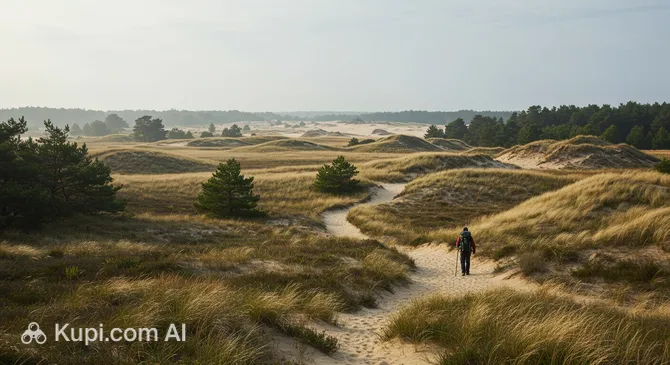
Kampinos National Park. Illustration.
Source: Kupi.com AI

Traveler photos:

The main value of Kampinos National Park lies in its unique natural landscapes. It protects pristine forest communities, extensive wetlands, and most notably, inland dunes. These forested sandy formations are considered among the most interesting complexes of inland dunes in all of Europe, creating a unique and picturesque landscape. The park's rich wildlife also attracts researchers and nature lovers.

The significance of Kampinos National Park is recognized internationally. In 2000, it was included in the UNESCO World Heritage List, highlighting its exceptional conservation and cultural value. The park is also part of the UNESCO Man and the Biosphere Programme, featuring three zones—core, buffer, and transition—which ensure a comprehensive approach to preserving this amazing corner of nature.

Contacts

Since Kampinos National Park is a vast natural area, it is recommended to visit the park's official website or contact tourist information centers in Warsaw for the most up-to-date information on available routes, opening hours of specific facilities (if any), or tour arrangements. National parks are typically accessible via public transport from nearby cities or by private car following the road signs.

How to contactContact
AddressKazimierza Tetmajera 38, 05-080 Izabelin C, Poland
Phone number+48 22 722 60 21
Websitekampn.gov.pl

What to Do

In Kampinos National Park, visitors can expect an immersion into the world of wild nature. Here, you can enjoy a variety of landscapes and rich flora and fauna by heading out on a hike along one of the numerous trails. It is a wonderful place for eco-tourism and observing animals in their natural habitat. Attentive guests may encounter moose, beavers, roe deer, red deer, foxes, badgers, hares, and many other forest residents. A particular source of pride for the park is its successful lynx reintroduction program, with about ten of these rare predators now living here.

In addition to its natural beauty, Kampinos National Park offers a unique opportunity to connect with the history of Poland. The park's territory contains important historical and cultural sites. Tourists can visit places of memory and various historical markers that reflect the region's rich past. The geographical position of the park has made it a witness to many historical events, which adds extra depth to every visit.

For outdoor enthusiasts and lovers of unique scenery, the park features hiking trails of varying difficulty levels. These allow you to explore unique landscapes, with the highlight being the inland dunes—some of the most impressive formations of their kind in Europe. These picturesque locations provide magnificent opportunities for photographers and anyone wanting to capture the beauty of nature. Everyone will find an activity to their liking here, whether it’s a leisurely stroll or a more extensive hike.

Getting There

Getting to Kampinos National Park from Warsaw is relatively simple, given its close proximity to the capital of Poland. One of the most popular ways is to use public transport. Suburban buses run regularly from various points in Warsaw to the park's borders or directly to its main entrances and visitor centers, such as the villages of Truskaw or Izabelin, which serve as popular starting points for exploring the park. The bus journey can take between 30 minutes and an hour, depending on your destination in the park and traffic conditions.

For those who prefer more flexibility and comfort, a trip by car or taxi is also a convenient option. By car from central Warsaw, the nearest park entrances can be reached in about 20-40 minutes, depending on traffic and the chosen route. Parking is usually available near the main tourist trails and park entrances. A taxi from Warsaw will be more expensive but provides direct delivery to your desired starting point in the park.

Before your trip, it is advisable to check the current bus schedules on the Warsaw public transport (ZTM Warszawa) website or the official Kampinos National Park website. It is also helpful to plan your route within the park in advance, choosing the most suitable entry point based on the trails and attractions you are interested in. In some cases, accessing more remote areas of the park may require a combination of public transport and a walk from the nearest stop.

Nearest city: Warsaw

History & Facts

Kampinos National Park was officially established on January 16, 1959. Its primary goal was to preserve the unique natural landscapes and historical monuments of the Kampinos Forest. However, the history of these lands goes back much further. The territory of the modern park has long been associated with significant events in the history of Poland, serving as a silent witness to the nation's journey through the centuries.

The historical significance of the Kampinos National Park area is deeply intertwined with the cultural heritage of the region. Throughout various periods, the dense forests provided a unique setting for those who shaped the history of the country. These lands have maintained their importance through the ages, preserving a legacy that continues to be honored today by visitors and researchers alike.

Despite the challenges of the past, the natural and historical value of these sites has received well-deserved recognition. In 2000, Kampinos National Park was included in the UNESCO World Heritage List, highlighting its international importance for both nature conservation and historical memory. In addition to monuments reflecting the region's heritage, other historical objects have been preserved within the park. One such place is Roztoka, a settlement founded in 1792 by Paschalis Jakubowicz, a Polish merchant of Armenian descent who also represented Warsaw in the Sejm of the Duchy of Warsaw.

Time Needed

When planning a visit to Kampinos National Park, it is worth considering its significant size and the variety of activities offered. The time needed to explore the park depends heavily on your interests and plans. If you want a short walk along one of the trails near the entrance to enjoy nature, 2-3 hours might be enough. However, to truly immerse yourself in the forest atmosphere, explore longer routes, or visit historical sites, you will need significantly more time.

For a full hike along one of the many marked trails—especially if you want to see the unique inland dunes or spot wildlife—you should set aside at least half a day or even a full day. Some enthusiasts spend several days exploring the park's remote corners. Visiting local historical sites and monuments will also add to the duration of your visit.

In summary, a few hours are sufficient for a general overview and a short walk, but for a deeper exploration of the natural and historical riches of Kampinos National Park, it is recommended to plan for half a day to a full day. It is always helpful to study the trail map in advance and choose those that match your interests and physical fitness to make the most of your time in this amazing natural haven near Warsaw.

Working Hours

Kampinos National Park is a vast natural territory, and access to its numerous hiking trails is generally open to visitors year-round. However, it is worth noting that the opening hours of individual facilities within the park, such as visitor centers, museums (if any), or rental points, may have their own schedules and can change depending on the season. Since specific operating hours are not provided, it is highly recommended to check the current information on the official Kampinos National Park website or at tourist information centers in Warsaw before your trip.

As a rule, prior booking or special registration is not required for independent walks along the main routes of Kampinos National Park. Nevertheless, if you plan to participate in any organized tours, educational programs, or visit areas with special access regulations, you may need to book a spot in advance or clarify the visiting conditions. This information is also best verified through the park's official sources. For the most comfortable and safe experience with nature, it is recommended to plan your visit during daylight hours.

Open 24 hours

Nearby

A visit to such a significant location as Kampinos National Park is an unforgettable experience in itself. However, to make your trip to Warsaw even more fulfilling and multifaceted, it is worth exploring other interesting sites nearby. Discovering the surroundings will allow you to immerse yourself deeper in the region's atmosphere, uncover new facets of its history and culture, and diversify your vacation program.

Often, these "neighboring" attractions become a pleasant addition to the main purpose of the trip, offering contrasting experiences or a deeper understanding of the local flavor. Whether they are historical monuments, entertainment complexes, or other natural beauties, they can become bright highlights in the overall picture of your journey through Poland.

NameDistance
Julinek Amusement Park5 km
Modlin Fortress13.8 km
Riviera Resort20.9 km
Moczydło Water Park24.4 km
Tepfactor Warsaw25.6 km
Warsaw Uprising Museum26.3 km
68 Aquarium Shop26.5 km

Have you reached the end of the page?

So the route has been studied inside and out