Support

"Regina Maria" Municipal Museum Burchi-Septilici

About

The Regina Maria Municipal Museum is a landmark cultural space located in the city of Iași, which carefully preserves the centuries-old history of this region. The museum is housed in the historic Casa Burchi-Zmeu, built in the 1830s. This former boyar house is a valuable exhibit in its own right, serving as a rare example of early modern civic architecture in Romania.
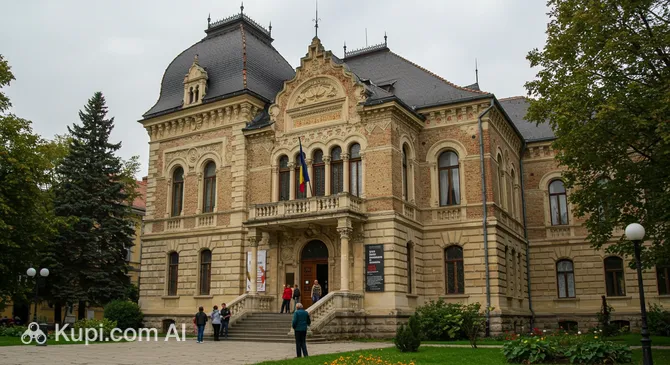
Regina Maria Municipal Museum Burchi-Septilici
Regina Maria Municipal Museum Burchi-Septilici. Иллюстрация. Источник: Kupi.com AI

The museum's exhibition spans 16 halls and traces the city's development from its founding to the present day. Here, you can see unique documents, antique maps, works of art, and everyday objects that bring the past to life. Special attention is paid to the role of Queen Marie, after whom the museum is named, and the period when the city served as the nation's capital.

Located in the heart of the old town, the museum acts as a bridge between eras. Visitors can explore the "unwritten history" of Iași in the basement rooms, where fragments of medieval infrastructure are preserved, or immerse themselves in the atmosphere of 19th-century literary salons and theatrical life on the upper floors. This site is a must-visit for those who want to understand the true soul and cultural code of the city.

Contacts

To clarify details before your visit or to book a group tour, you can use the official communication channels. Museum staff are always ready to help with information about current exhibitions and special events. Below are the main contact details for the institution.

How to contactContact
AddressStrada Zmeu 3, 700400 Iași, Румыния
Phone+40 332 408 185
Websitemuzeulmunicipalreginamariaiasi.ro

What to Do

Within the museum's halls, visitors can expect a fascinating journey through time. You will see rare collections of antique furniture, exquisite engravings, and personal items belonging to prominent citizens. Special attention should be paid to the section dedicated to Queen Marie: it features exhibits detailing her contributions to culture and charity. While wandering through the halls, be sure to stop by the "literary salons" section to feel the atmosphere of intellectual Iași from centuries past.

In the basement, a unique display awaits — archaeological fragments of a medieval water supply system and pavements that literally allow you to look beneath the foundation of the modern city. Those interested in administrative history will find the second floor engaging, where the period when Iași served as the capital is highlighted in detail. Interactive elements and detailed reconstructions make exploring the collection a lively and memorable experience.

In addition to permanent exhibitions, the museum frequently hosts temporary displays of contemporary artists and educational workshops. It is recommended to join one of the guided tours to learn hidden details about each artifact. Before leaving, don't forget to visit the gift shop for unique Romanian craft items, and then continue your walk, as landmarks like the Frumoasa Monastery and Banu Church are located nearby.

Getting There

The museum is located at Strada Zmeu 3, in the heart of the historic city center. Thanks to this convenient location, it is easily reached on foot from many iconic landmarks, such as the Barnovschi or St. John Chrysostom churches. A stroll through the old streets will help you set the mood for your historical journey.

If you prefer public transport, take a bus or tram to one of the stops in the central part of the city. From there, the museum building is just a few hundred meters away. For those who value comfort and time, taxi or ridesharing services like Uber or Bolt are excellent options — a trip from the train station or airport usually takes 10 to 20 minutes.

Car owners should keep in mind that parking directly near the museum is very limited due to the dense historical layout. It is recommended to leave your vehicle in one of the paid parking lots in the center or at your hotel, then continue on foot to enjoy the atmosphere of old Iași.

Ближайший город: Iasi

History & Facts

The Regina Maria Municipal Museum was officially established in May 2018, but the building that houses it has a much deeper history. Casa Burchi-Zmeu, built between 1832 and 1834, is a rare example of civic architecture that marked Iași's transition into the modern era. Over its long life, the house has served as the State Archives, an orphanage for war orphans, and even the Gendarmerie headquarters.

A special place in the building's annals is held by fragments of old murals and the tombstones of the Burchi family, which were discovered here and testify to the area's ancient roots. The museum carefully preserves these traces of the past, integrating them into the modern exhibition. It also continues the city's intellectual traditions by resuming the publication of the historical bulletin "Ioan Neculce", which first saw the light of day back in 1921.

A significant part of the museum's history is inextricably linked to the period of 1916–1919, when the city temporarily became the wartime capital of Romania. Within these walls, memories of the government, parliament, and diplomatic missions of that time come to life. The central figure of the exhibition is Queen Marie, whose dedicated work during those years became a symbol of national unity.

The museum's collections cover a vast span of time: from medieval water supply systems and pavements hidden in the basement to exquisite interwar interiors. Each hall is a chapter in the city's history, telling the story of how Iași transformed from a medieval fortress into a modern cultural center.

Time Needed

To explore all 16 halls located on the museum's three levels without rushing, it is recommended to set aside about 1.5–2 hours for your visit. This is sufficient time to carefully examine the artifacts in the basement, get acquainted with the daily life of townspeople on the main level, and immerse yourself in the city's historical role on the upper floor.

If you plan to study archival documents and old maps in detail or visit the temporary art exhibitions frequently held within the museum, your visit may take longer. History and architecture enthusiasts should leave a little extra time to walk through the building itself and admire the preserved 19th-century decorative elements.

Working Hours

The museum welcomes visitors from Wednesday to Sunday, with the halls open from 10:00 AM to 5:00 PM. Monday and Tuesday are closing days when the exhibitions are closed to the public.

As the schedule may change during public holidays or special ceremonial events, it is highly recommended to check the information on the museum's official website before your visit. This will help you plan your route in advance and avoid any inconvenience.

DayWorking hours
понедельникЗакрыто
вторникЗакрыто
среда10:00–17:00
четверг10:00–17:00
пятница10:00–17:00
суббота10:00–17:00
воскресенье10:00–17:00

Nearby

The museum's location in the city's historical core makes it an ideal starting point for further exploration of the region's rich heritage. Within just a few minutes' walk, you will find architectural masterpieces from various eras that help complete the picture of the local cultural landscape.

A stroll through the surroundings will allow you to see both ancient monasteries and grand palaces, turning an ordinary tourist route into a fascinating journey through time. Below are the most interesting sites located nearby.

NameDistance
Casa Joseph Zoller0.2 km
Palas Iași0.6 km
Palace of Culture0.7 km
Palas Public Garden0.7 km
Golia Monastery0.8 km
Iulius Mall0.9 km
Iași Metropolitan Cathedral1.1 km

Reached the end of the page?

That means the route is fully explored