Support

Peterhof

About

Peterhof is a magnificent palace and park ensemble on the southern shore of the Gulf of Finland, located near Saint Petersburg. Created in the 18th century as a formal summer residence for the Russian emperors, it continues to amaze today with its scale and beauty. Peterhof is often called the "Russian Versailles," and this comparison is no coincidence: it was designed to surpass its famous French counterpart, a feat which many believe it successfully achieved.

The main treasure of Peterhof is its unique fountain system, featuring more than 170 water jets and several grand cascades. The heart of this aquatic splendor is the Grand Cascade, which descends from the base of the palace to the Marine Canal. The composition is crowned by the famous statue of "Samson Rending the Jaws of the Lion" — a powerful symbol representing the historical victory in the Great Northern War.
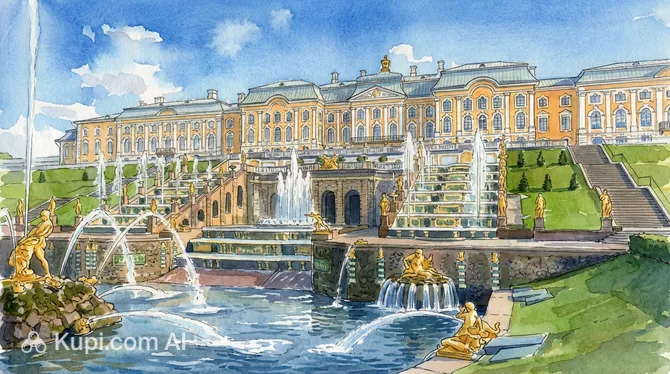
Peterhof. Illustration.
Source: Kupi.com AI

Traveler photos:

The centerpiece of the ensemble is the Grand Peterhof Palace, which towers over the park and served as the center of social life for the imperial court. Surrounding it are picturesque parks: the formal Upper Garden and the vast landscaped Lower Park, where most of the fountains are hidden among shaded alleys, elegant pavilions, and marble statues.

Today, Peterhof is not just a museum, but a true marvel of engineering and artistic thought. Its ensemble is included in the UNESCO World Heritage list and is recognized as one of the Seven Wonders of Russia, making it a must-visit for any traveler wishing to experience the grandeur of imperial history.

Contacts

For the most up-to-date information on ticket prices, opening hours, and special events at the Peterhof State Museum-Reserve, we recommend consulting official sources. All details can be found on the museum's website.

How to contactContact
AddressRazvodnaya ulitsa, 2, Sankt-Peterburg, Russia
Phone number+7 812 313-23-14
Websitepeterhofmuseum.ru

What to Do

A visit to Peterhof is a true immersion into the world of imperial luxury and landscape art. The main activity here is, of course, strolling through the picturesque Upper Garden and the vast Lower Park, where you can wander for hours along the alleys, admiring the grand fountains. Many of them operate without pumps thanks to a unique system of water conduits created back in the 18th century. A special delight for visitors of all ages are the famous "trick" fountains, which suddenly douse unsuspecting passers-by with water, adding an element of play and fun to the walk.

The center of attraction is the Grand Cascade, decorated with dozens of gilded statues and sculptures, which serves as a magnificent frame for the Grand Peterhof Palace. Be sure to look inside the palace to appreciate its luxurious interiors, and visit the museums dedicated to the history of the ensemble and the daily life of the imperial family. A walk through the Lower Park also gives you the opportunity to enjoy beautiful views of the Gulf of Finland, creating a sense of space and harmony with nature.

In the warmer months, Peterhof comes alive in a special way. During the summer season, festive events, classical music concerts, and theatrical performances are often held outdoors. This is a wonderful opportunity not only to see historical landmarks but also to become part of a vibrant cultural event.

Getting There

You can reach Peterhof from Saint Petersburg in several ways, depending on your preferences for speed, cost, and scenery. One of the most popular and reliable options is the commuter train. Suburban trains, including the high-speed Lastochka, depart from Baltiysky Station (Baltiyskaya metro station) and run to the New Peterhof station. The journey takes about 40 minutes. From the station, you can take a local bus to the park entrance in 10-15 minutes or enjoy a short walk.

Another common method is by bus or fixed-route shuttle (marshrutka), which run from several metro stations in the south of the city. Buses No. 200 and 210, along with numerous shuttles, depart from the Avtovo station. There are also routes to Peterhof from Leninsky Prospekt and Prospekt Veteranov stations. The bus trip takes about an hour, depending on traffic. You will often see a sign saying "Fountains" (Фонтаны) on the windshield, making it easier to find the right route.

During the summer season, from May to October, water transport is the fastest and most impressive way to reach the palace and park ensemble. High-speed hydrofoils, the famous Meteors, depart from the central piers of Saint Petersburg, such as the Admiralteyskaya Embankment, and arrive directly at the pier in Peterhof's Lower Park. This journey across the Gulf of Finland takes only 35-45 minutes and offers magnificent views of the city from the water.

For those who value maximum comfort and flexibility, a taxi or car-sharing service is always available. The drive from the city center takes about an hour, excluding traffic. This method is particularly convenient for families with children or small groups, as it allows you to plan your day without being tied to a public transport schedule.

Nearest city: Saint Petersburg

History & Facts

The history of Peterhof is inextricably linked with the name of Peter the Great, who in the early 18th century envisioned a residence on the shores of the Gulf of Finland that would outshine the famous French Versailles with its luxury. Construction began in 1714 by the Emperor's decree, and in August 1723, this grand palace and park ensemble was officially opened. To realize this ambitious project, the best European architects of the time were invited, including Jean-Baptiste Le Blond, Niccolo Michetti, and Johann Braunstein. Their talent and skill laid the foundation for Peterhof's future splendor.

For two centuries, Peterhof served as the primary summer residence of the Russian emperors and was the center of a brilliant court life. It hosted lavish balls, grand receptions, and masquerades, which, according to contemporaries, were attended by up to three thousand guests. The palaces and pavilions became the stage for magnificent celebrations, while the parks and fountains provided a stunning backdrop, emphasizing the power and grandeur of the empire. Each monarch contributed to the ensemble's development, adding new fountains, pavilions, and sculptures, ensuring that Peterhof constantly expanded and became increasingly refined.

By the 19th century, Peterhof ceased to be an exclusively private imperial residence and began to transform into a public treasure. After 1918, the ensemble was granted the status of a state museum, opening its doors to the general public wanting to experience history and admire masterpieces of architecture and landscape art. This step turned Peterhof from a symbol of absolute monarchy into one of the most beloved and visited cultural sites in Saint Petersburg and the entire country, preserving its unique heritage for future generations.

Time Needed

When planning a visit to Peterhof, it's worth deciding in advance how much time you are willing to spend exploring, as the scale of this ensemble is vast. For a brief introduction to the main part — the Lower Park and its famous fountains, including the Grand Cascade — you will need at least 3-4 hours. This is enough time to stroll leisurely along the central alleys, enjoy the views, and take photos of the most famous water features.

For a more thorough experience, it is recommended to set aside 4 to 6 hours. During this time, you can not only see all the fountains of the Lower Park but also walk through the quiet and harmonious Upper Garden and visit one of the smaller palaces, such as Monplaisir or Marly. This pace allows you to immerse yourself more deeply in the atmosphere of the imperial residence without rushing.

If you want to get the full experience and explore everything Peterhof has to offer, you should plan for a whole day. This will allow you to explore the luxurious halls of the Grand Palace, visit several museums and pavilions, find secluded spots in the park, and perhaps even relax on the shore of the Gulf of Finland. Such a visit will leave the most complete and vivid memories of the grandeur of the "Russian Versailles."

Working Hours

Peterhof's opening hours vary significantly depending on the season and the specific site within its vast territory. The parks are generally open to visitors year-round, but their hours change. In summer, during the high season, the Lower Park is usually open from 9:00 to 20:00. The main attraction — the famous fountains — only operates during the warmer months, roughly from late April to mid-October. During this period, they are turned on daily, usually from 10:00 to 18:00-19:45.

Palaces and museums within Peterhof, such as the Grand Palace, Monplaisir, or the Catherine Wing, have their own schedules, which often include days off and maintenance days. Entry to these requires a separate ticket. Given the popularity of the site, especially during the summer months and on weekends, it is recommended to purchase tickets in advance online on the official website to avoid long queues. Before your visit, be sure to check the current opening hours of all the sites you are interested in, as schedules are subject to change.

9:00 – 20:00

Nearby

Peterhof is undoubtedly the jewel in the necklace of Saint Petersburg suburbs, but exploring its surroundings can make your trip even more fulfilling and memorable. Discovering nearby locations will allow you to see not only the formal side of imperial life but also quiet parks, secluded estates, and picturesque corners of the Gulf of Finland coast.

By expanding your itinerary, you will gain a more complete understanding of the history and culture of this unique region. Near the majestic Peterhof lie many other interesting sites that will complement your experience and offer new discoveries.

NameDistance
Morskie Dubki Beach14 km
Plyazh Beach19.3 km
Piterland Water Park19.8 km
Vysotny Gorod19.9 km
Yuntolovsky Reserve20.3 km
Zelenaya Gora Beach20.4 km
Russian Railway Museum21.8 km

Have you reached the end of the page?

So the route has been studied inside and out