Support

Alcudia

About

Alcudia is a true gem of Mallorca's northern coast, a charming town in Spain where the Mediterranean Sea meets soft sandy beaches and lush pine forests. The town is nestled between the eponymous Bay of Alcudia and the Albufera Natural Park, creating a unique microclimate that offers travelers incredible views: from morning mists over the lagoons to azure coves and vibrant sea sunsets.

With a population of just over 20,000, Alcudia has managed to preserve the atmosphere of a boutique Mediterranean town. Despite its relatively modest size, it is rightfully considered one of the most beautiful places in the Balearic Islands and plays a significant role in Mallorca's tourism. It's easy to feel like a welcome guest here: locals are famous for their hospitality, and the air is filled with a pleasant sense of slow, relaxed vacationing.
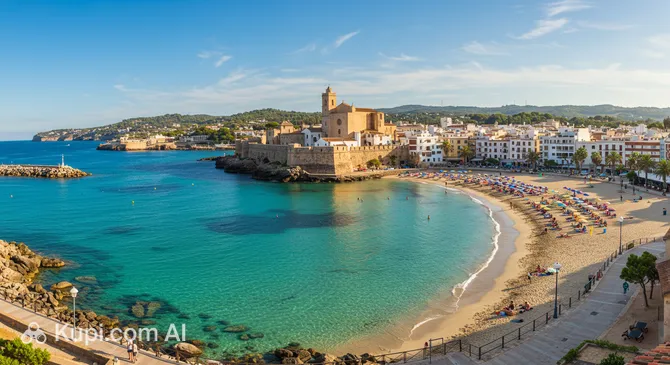
Alcudia. Illustration.
Source: Kupi.com AI

One of the main reasons to visit Alcudia is its perfect beaches. Pristine white sand, a gentle slope into the sea, and warm water make this place a true paradise for families with children. Constant light winds also attract windsurfers and kiteboarders from all over the world. Nature lovers will find inspiration in the surrounding areas: Albufera Natural Park is home to hundreds of bird species, and the coastline is dotted with secluded coves where you can enjoy silence and crystal-clear water.

Alcudia is not just about beach holidays; it's also a town with a rich history. Medieval fortress walls, Gothic churches, ancient city gates, and even a unique open-air museum in the old town are all perfectly preserved here. In the evenings, life buzzes in the port and on the so-called "Golden Mile," home to numerous restaurants, bars, and cozy cafes overlooking the sea.

If you are looking for a place that harmoniously combines natural beauty, historical heritage, and modern comfort, Alcudia will be the perfect choice for an unforgettable vacation.

You can find more interesting facts on the history of Alcudia page.
Weather Overview

The weather in Alcudia is characterized by warm, sunny summers and mild winters, typical of a Mediterranean climate. In summer, especially from June to August, it is hot and sunny, with average air temperatures ranging from 23°C to 26.5°C, and precipitation is extremely rare, particularly in July when it is almost non-existent. In winter, temperatures average between 12°C and 13.5°C; the number of rainy days increases compared to the summer season, though intense rainfall is unlikely. Overall, expect a hot and predominantly dry summer, and a mild winter with a moderate amount of rainy days. For more detailed information on climatic conditions, you can visit the weather in Alcudia page.

Average monthly temperature

Average monthly precipitation

Interesting Facts

Beyond its magnificent beaches and bustling port, Alcudia holds many surprising stories and little-known details that make this town truly special. Ready to learn a few secrets hidden behind the ancient walls and within the picturesque streets?

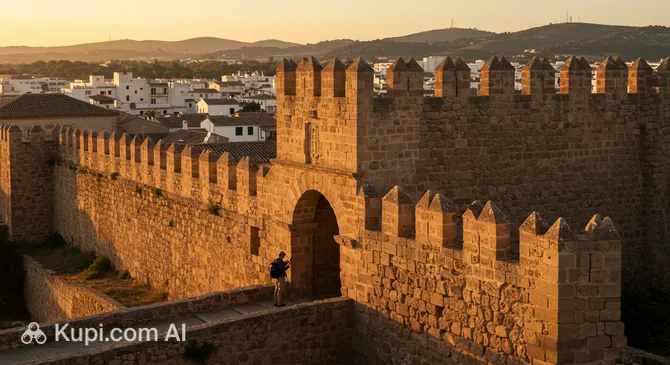
Medieval Walls of Alcúdia. Illustration.
Source: Kupi.com AI

Traveler photos:

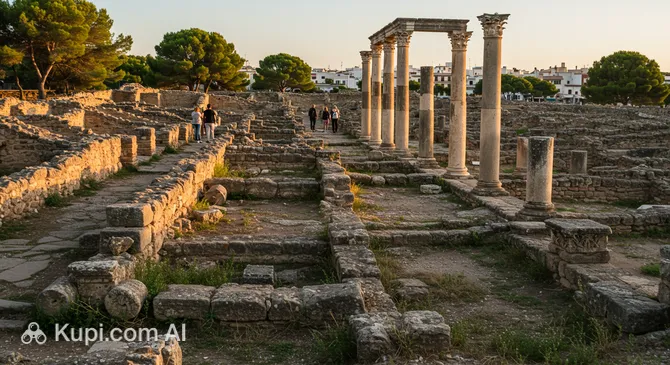
  • Roman Heritage: Alcudia was founded on the site of the ancient Roman city of Pollentia. Even today, on the outskirts, you can see the impressive Roman Remains of Pollentia, including the ruins of an amphitheater and ancient villas, which attract history and archaeology enthusiasts.

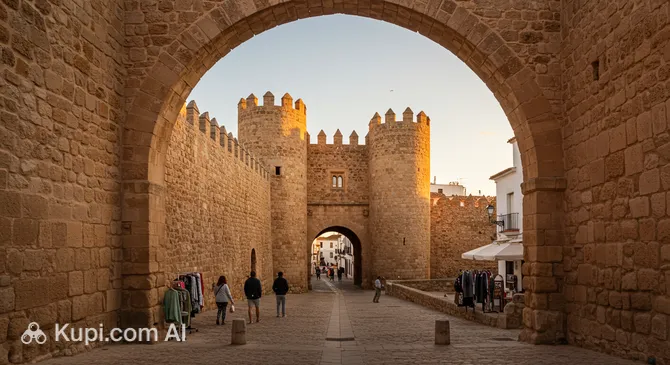
  • Impenetrable Fortress: In the Middle Ages, Alcudia played a key role in defending Mallorca from pirate raids. To this day, the town is surrounded by imposing Medieval Walls, and a walk along them allows you to feel the spirit of the past and admire the panoramic views of the surroundings.

  • Open-Air Museum Town: The Alcudia Old Town is an attraction in its own right. Its narrow cobbled streets, ancient houses with flower pots on the windows, and the majestic 13th-century Gothic Church of St. James (Sant Jaume) create a unique medieval atmosphere where every stone breathes history.

  • Bird Paradise Nearby: Not far from Alcudia lies the Albufera Natural Park—one of the largest and most important wetlands in the Balearic Islands. This unique place is home to over 200 bird species, making it a true Mecca for ornithologists and nature lovers from around the world.

How to Get There

Getting to Alcudia, located on the picturesque island of Mallorca in Spain, can be done in several ways, but air travel is the primary choice for most tourists. The island has an excellent transport infrastructure, making it easy to reach the resort from your point of arrival.

The main gateway for traveling to Alcudia is Palma de Mallorca Airport (PMI). This is a major international airport located in the city of Palma, approximately 47.5 km southwest of Alcudia. Each year, it serves millions of passengers and handles flights from many cities in Europe and around the world. The journey from Palma airport to Alcudia by car or taxi usually takes about 45-60 minutes. There are also regular buses running between the airport and Alcudia, which is a more economical option, though slightly longer.

If you are considering routes via other Balearic islands or mainland Spain, you might look at Menorca Airport (MAH), located in Mahon on the neighboring island of Menorca, about 94 km from Alcudia (including the sea route). From there, you would need a ferry to Mallorca followed by land transport to Alcudia. Additionally, one of Spain's largest transport hubs is Josep Tarradellas Barcelona-El Prat Airport (BCN) in Barcelona (about 183 km to Alcudia, including the crossing). From Barcelona, you can reach Mallorca by ferry or take a short domestic flight, then travel to Alcudia by ground transport.

For clarity, here is a summary of the main airports used to reach the region:

AirportPassenger trafficDistance
Palma de Mallorca Airport33.3 mln48 km
Menorca Airport4 mln94 km
Barcelona-El Prat Airport49.9 mln183 km
Ibiza Airport9.1 mln186 km
Reus Airport1.2 mln219 km

There is no direct rail connection to Alcudia, as the town is on an island. Travelers who prefer trains can go to major port cities on the Spanish mainland, such as Barcelona or Valencia, and then continue by ferry to Palma de Mallorca. The main railway stations convenient for such a route are located in Barcelona. Notable among them is Sants Station, a major transport hub, and Estació de França. From these stations, you can easily reach the Port of Barcelona, where ferries depart regularly for Palma. After arriving at the Port of Palma, the journey to Alcudia by bus or taxi takes about an hour.

Below is information about some mainland railway stations that might be part of your route to Mallorca:

StationPassenger trafficDistance
Estació de França2.3 mln188 km
Sants Railway Station46.5 mln189 km
Tarragona Camp Station2.5 mln211 km
Reus Railway Station373 000225 km
Girona Railway Station3.6 mln237 km

In addition to air and sea links, once you arrive in Mallorca, you can get around the island in a rental car, which offers more freedom to explore Alcudia and its surroundings. There is also a well-developed network of bus routes.

Main Attractions

Alcudia, located in the northeast of Mallorca, enchants travelers with its rich historical heritage and beautiful natural landscapes. The town offers many interesting sites to suit every taste.

The heart of the town is undoubtedly the Alcudia Old Town. This perfectly preserved medieval center features narrow cobbled streets, ancient stone houses, and charming squares. A walk through its labyrinthine alleys allows you to immerse yourself in the atmosphere of past centuries and discover cozy cafes and craft shops. The Old Town attracts visitors with its authenticity and the opportunity to touch history.

Alcúdia Old Town. Illustration.
Source: Kupi.com AI

Traveler photos:

An integral part of Alcudia's historical character is the Medieval Walls of Alcudia, which once protected the town from pirate raids. These impressive 14th-century fortifications surround the Old Town, and you can walk along some sections, enjoying magnificent views of the rooftops and the surrounding area. It's a great opportunity to take memorable photos and feel like a part of history.

Medieval Walls of Alcúdia. Illustration.
Source: Kupi.com AI

Traveler photos:

For lovers of ancient history, a visit to the Roman Remains of Pollentia is a must. These are the remains of the ancient city of Pollentia, founded by the Romans in 123 BC, which served as the capital of the Balearic Islands during the Roman era. Here you can see the ruins of a theater, a forum, and residential quarters that provide an idea of the scale and importance of this ancient settlement.

Roman Ruins of Pollentia. Illustration.
Source: Kupi.com AI

Traveler photos:

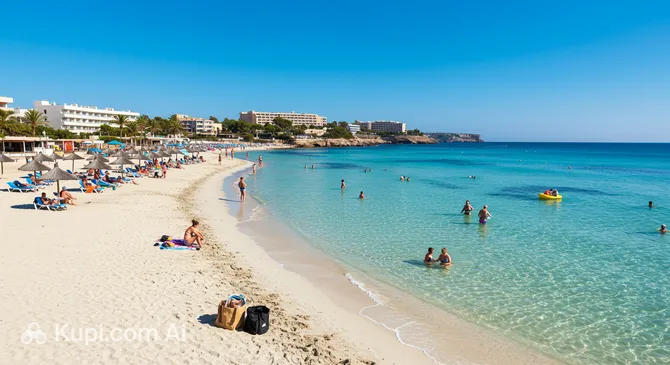
After diving into history, it's nice to relax on the famous Alcudia Beach. This is one of the longest beaches in Mallorca, featuring fine white sand and crystal-clear, shallow water, making it an ideal spot for a family holiday. Excellent infrastructure, many water activities, and cafes attract tourists from all over the world.

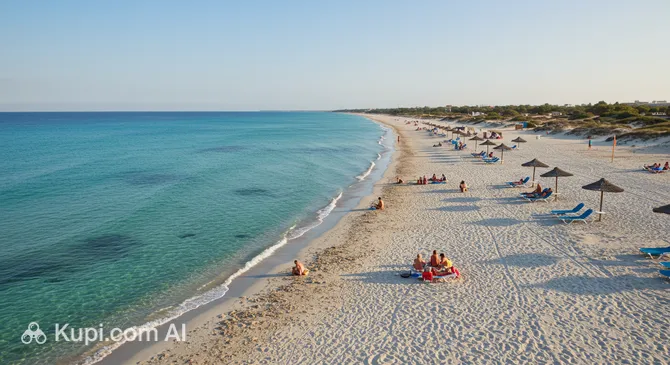
Alcudia Beach. Illustration.
Source: Kupi.com AI

Traveler photos:

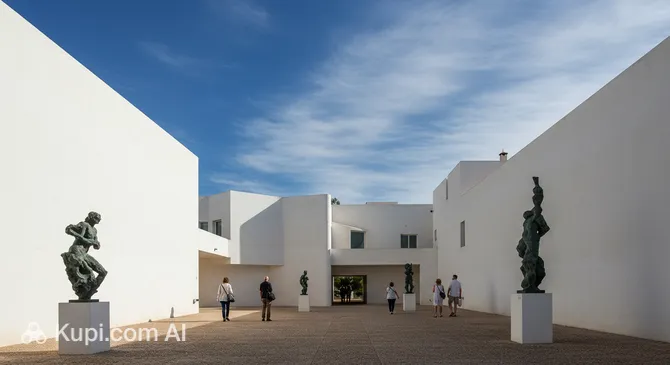
If you're looking for cultural experiences, check out the Sa Bassa Blanca Museum. This unique art museum is located in a picturesque estate surrounded by an impressive sculpture park. The museum's collection includes modern art, an interesting collection of children's portraits from different eras called "Nins," and a zoo of exotic animal sculptures. This place surprises and inspires, offering an unusual perspective on art and nature.

Sa Bassa Blanca Museum. Illustration.
Source: Kupi.com AI

Traveler photos:

Local Cuisine

The cuisine of Alcudia is a true gastronomic journey, harmoniously blending centuries-old Mallorcan traditions with the freshness of Mediterranean treasures. Here, everyone will find a dish to their liking, from hearty meat stews to light vegetable appetizers and, of course, the freshest seafood. The town's gastronomic scene attracts tourists with its diversity, quality of local products, and authentic flavors.

Among the dishes you must try in Alcudia is tumbet—an appetizing vegetable ragout made of eggplant, potato, tomato, and bell pepper, baked until golden brown. Another iconic dish is sobrassada, a delicate Mallorcan cured sausage with paprika, traditionally served on a slice of fresh bread or used as a savory filling for pies. Rice lovers should look for arròs brut (literally "dirty rice")—a rich and aromatic rice dish cooked with various meats (such as rabbit, chicken, or pork) and vegetables.

As a port town, Alcudia is famous for its seafood. In the numerous restaurants along the waterfront, especially in the Port of Alcudia area, you will be offered fresh squid, octopus, mussels, and, of course, the famous seafood paella. It is a wonderful opportunity to enjoy the taste of the Mediterranean in a cozy atmosphere.

For drinks, you should try local Mallorcan wines, which perfectly complement any meal. Also popular is Hierbas, a liqueur infused with local herbs, served as a digestif. For those who prefer non-alcoholic options, fresh juices—especially orange—and traditional Spanish refreshing drinks are always available.

The food culture in Alcudia is diverse. Locals and tourists love to visit not only restaurants but also lively markets where you can buy the freshest produce: local cheeses, olives, fragrant fruits, and, of course, the famous airy ensaimada pastry topped with powdered sugar—the perfect accompaniment to your morning coffee. Street food is also popular: try hot churros, roasted almonds, or traditional empanadas, which are convenient to take with you on a walk through the Alcudia Old Town or to the beach. On weekends, a farmers' market often sets up in the main square, offering homemade delicacies. If you want to dive into the atmosphere of traditional Mallorcan cuisine, check out the Celler Can Costa Alcudia restaurant, known for its authentic dishes.

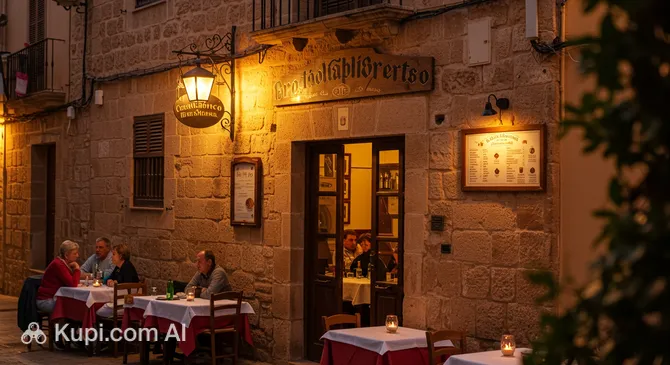
Celler Ca'n Costa Alcúdia. Illustration.
Source: Kupi.com AI

Traveler photos:

Special atmosphere is added to the town by gastronomic festivals. In the summer, seafood fairs, wine tastings, and festivals dedicated to traditional Mallorcan dishes are frequently held here. On such days, Alcudia is filled with mouthwatering aromas, music, and joy, inviting every guest to become part of a grand Mediterranean feast.

Travel Tips

Welcome to charming Alcudia! To ensure your trip to this beautiful corner of Mallorca goes smoothly and leaves only pleasant impressions, we have prepared a few practical tips.

  1. Clothing and Essentials: Alcudia enjoys a Mediterranean climate. In summer (June–September), bring light, breathable clothing, swimwear, a hat, sunglasses, and sunscreen with high SPF. In spring and autumn, layerable items (T-shirts, light sweaters, a jacket) will come in handy, and in winter, a warmer jacket and perhaps a raincoat. Comfortable shoes are a must for walking on the cobblestones of the Old Town and along the beaches. Don't forget a European power adapter for your electronics (Type F). When visiting the Church of St. James (Església de Sant Jaume), it is customary to cover your shoulders and knees.
  2. Transport in the Town and Surroundings: Within the Old Town and Port of Alcudia, it's easiest to get around on foot. For trips to other parts of Mallorca, you can use the TIB bus network. Taxis are available but can be expensive for long-distance routes. Renting a car is a good option for exploring the island, but keep in mind that parking in Alcudia, especially during high season, can be difficult. Bicycles are also very popular for short trips.
  3. Financial Matters: The official currency in Spain is the Euro (EUR). You can exchange money at banks or exchange offices (casas de cambio), but it's usually more cost-effective to withdraw cash from ATMs (cajeros automáticos), which are widespread. Credit and debit cards (Visa, Mastercard) are accepted in most hotels, restaurants, and shops. International cards generally work without issues. A rough daily budget can vary from 50–70 euros per person (budget option) to 150 euros and up. Tipping in restaurants is not mandatory but welcomed (usually 5–10% of the bill for good service).
  4. Health and Safety: Pharmacies (farmacias) are easy to find by the green cross sign; some are open 24/7 (farmacia de guardia). EU citizens are recommended to carry a European Health Insurance Card (EHIC). Alcudia is generally a safe town. However, as with anywhere, you should take basic precautions: watch your belongings in crowded places (markets, beaches) and don't leave values unattended. There are no particularly dangerous areas here, but at night, it's better to stick to well-lit streets.
  5. Language and Communication: The official languages are Spanish (Castilian) and Catalan (the local dialect is Mallorquin). In tourist areas, many people speak English, and German is also frequently heard. Learn a few basic phrases in Spanish: "Hola" (Hello), "Adiós" (Goodbye), "Por favor" (Please), "Gracias" (Thank you), "Sí / No" (Yes / No), "¿Cuánto cuesta?" (How much does it cost?). A SIM card with mobile internet can be purchased at local operator shops. Wi-Fi is available in most hotels, cafes, and restaurants.
  6. Local Etiquette and Customs: Spanish and Mallorcan people are friendly and sociable. A simple "Hola" upon entering a shop or cafe will be appreciated. In public places, it's customary to behave with restraint, although locals themselves can be quite expressive. It is not acceptable to appear in swimwear outside of the beach or hotel pool areas.
  7. What to Avoid: Try not to criticize local culture, language, or customs. Also, don't show impatience if service seems slow—people here value a steady pace of life. Don't leave trash on beaches or in natural areas—respecting the environment is very important to locals.
  8. Special Tip – Markets and Siesta: Be sure to visit the Alcudia Old Town market, which takes place on Tuesdays and Sundays. It's a great place to buy fresh local products, souvenirs, and experience the authentic atmosphere. Keep the siesta in mind: many small shops and establishments may be closed from around 2:00 PM to 5:00 PM.

We hope these tips help you better prepare for your trip and fully enjoy your holiday in Alcudia. We wish you an unforgettable journey and bright impressions of this sunny town!

Entertainment & Nightlife

Alcudia, a charming town in Mallorca, offers its guests not only magnificent beaches and historical sites but also a vibrant nightlife to suit all tastes. As the sun sets, the town transforms, opening up many opportunities for evening and nighttime fun.

The main center of Alcudia's nightlife is considered the Port d'Alcudia district, especially its promenade and adjacent streets like Avinguda de Pere Mas i Reus (also known as "Dollar Street") and its surrounding areas. Most bars, pubs, nightclubs, and restaurants that stay open late are concentrated here. The atmosphere is lively and international, especially during the peak tourist season (from June to September). The crowd is mixed—ranging from young people looking for dance parties to couples and families enjoying an evening stroll and dinner.

Among the popular venues is Banana Club, known for its high-energy parties, themed nights, and DJ performances. It is one of the largest and most famous spots for those who want to dance until dawn. For a more relaxed evening, El Puentecito Mallorca is a great bar where you can enjoy cocktails in a pleasant setting. Another option is the Golf Alcanada Restaurant, which, while primarily a restaurant, also offers a bar area for evening relaxation. Many venues do not require a strict dress code, with smart casual being the norm, though some clubs may not allow entry in beachwear.

Banana Club. Illustration.
Source: Kupi.com AI

Traveler photos:

Practical tips for nightlife in Alcudia:

  • Timing: Nightlife usually picks up after 10:00–11:00 PM, with clubs filling up closer to midnight and staying open until 4:00–6:00 AM. Bars start opening earlier in the evening.
  • Prices: The average price for a cocktail in a bar is 8–12 euros; club entry may require a fee (10–20 euros, often including a drink).
  • Transport: Public transport runs less frequently at night, so the main way to get around is by taxi. There are taxi stands in Port d'Alcudia, or you can call for a car by phone or through an app.

Safety: Alcudia is considered a quite safe resort. The Port d'Alcudia area is well-lit and patrolled during the tourist season. Nevertheless, standard precautions should always be taken: keep an eye on your belongings and avoid poorly lit, deserted areas late at night. You can call a taxi from most hotels or restaurants, and official taxi stands are also available.

While the focus here is on nightlife, Alcudia also offers plenty to do during the day. You can explore Alcudia Old Town with its medieval walls, visit the Roman Remains of Pollentia, or relax on the famous Playa de Muro. For art enthusiasts, the Sa Bassa Blanca Museum will be of great interest.

Parks & Museums

Alcudia offers its guests not only magnificent beaches but also a rich cultural heritage reflected in its museums and historical monuments. Here, everyone will find something for themselves: from a quiet rest in nature to diving into the centuries-old history of the town.

Speaking of green zones and the nature of Alcudia, its famous beaches deserve the first mention. Playa de Muro is a vast sandy beach with crystal-clear water and a gentle slope, perfect for family holidays. It is part of the S'Albufera Natural Park, which adds a special charm. No less popular is Alcudia Beach, stretching for several kilometers along the bay. Here you can not only sunbathe and swim but also engage in various water sports.

Playa de Muro. Illustration.
Source: Kupi.com AI

Traveler photos:

The cultural life of Alcudia is centered around its interesting museums. One of the most unusual is the Sa Bassa Blanca Museum, located on a picturesque estate. It features a unique collection of modern art, a sculpture park, and a collection of children's portraits from different eras. This place impresses with its harmonious combination of art and nature. Another iconic site is the Church of St. James in Alcudia, which also houses a small parish museum with a collection of religious art. The church itself, built in Neo-Gothic style, is an important architectural monument.

Sa Bassa Blanca Museum. Illustration.
Source: Kupi.com AI

Traveler photos:

The history of Alcudia comes to life in its ancient stones. Be sure to walk through the Alcudia Old Town, surrounded by impressive medieval walls. These walls, built to protect the town, are today its hallmark and offer magnificent views from their summits. Not far from the old town are the Roman Remains of Pollentia—the remains of an ancient Roman city, including a forum, a theater, and residential quarters. This site allows you to touch the ancient history of the island.

Alcúdia Old Town. Illustration.
Source: Kupi.com AI

Traveler photos:

For families with children or animal lovers, Talaia d'Alcudia can be an interesting place. While categorized as a zoo, it offers an opportunity to get to know various animal species and spend time in the fresh air. This can be a good addition to a beach holiday and cultural excursions.

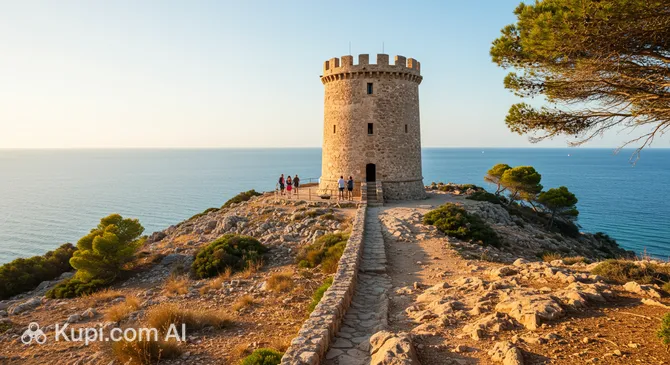
Talaia d'Alcúdia. Illustration.
Source: Kupi.com AI

Traveler photos:

For an authentic experience, step off the main tourist paths in the Old Town and peek into the small inner courtyards—there you can discover charming corners hidden from most eyes. It's also worth visiting the local market, which takes place twice a week in the historic center, to feel the atmosphere of the town and buy fresh produce or souvenirs.

Getting Around

Navigating Alcudia and its surroundings is quite simple thanks to a well-developed public transport system and available alternatives. The main form of public transport here is buses. They connect not only different parts of Alcudia itself (the port, the old town, beach areas) but also provide connections to other towns and resorts in Mallorca, such as Palma, Inca, and Can Picafort.

The payment system on buses is usually straightforward. Tickets can be purchased directly from the driver when boarding. In some cases, especially on intercity routes, tickets can also be bought at bus stations. The cost depends on the distance. For tourists planning frequent trips, it's worth checking for travel passes or discount cards, although for a short stay, single tickets may be more cost-effective. It's important to carry small change for payment, as the driver may not have change for large bills.

Buses in Alcudia run according to a schedule that can be found at stops, in tourist information centers, or on the transport companies' websites. During the high season (summer), buses run more frequently than in the off-season. Pay attention to route numbers and directions to avoid traveling the wrong way. Validating a ticket is usually not required as it is purchased for a specific trip.

Besides buses, other ways of getting around are popular in Alcudia. Taxis are available and can be called by phone or found at designated taxi stands, especially in tourist areas. This is a convenient, though more expensive, option, especially for trips to the airport or remote locations. To explore the town and its picturesque surroundings, many tourists choose bicycles. There are numerous rental points in Alcudia offering various types of bikes, including electric ones. This is a great way to enjoy nature and reach the beaches. Car and scooter rentals are also popular, providing maximum freedom to travel around the island. The Alcudia Old Town itself is best explored on foot, enjoying its narrow streets and historical atmosphere.

Accommodation

Alcudia offers a variety of accommodation options to suit the needs and budget of any traveler. Here you can find everything from cozy apartments and guesthouses to mid-range hotels and luxury resorts with a full range of services. Most options are concentrated along the coast, especially in the area of Playa de Muro and Alcudia Beach, providing easy access to the sea and entertainment. Accommodation in the charming Alcudia Old Town is also popular for those looking to immerse themselves in a historical atmosphere.

Among the well-known hotels are resort complexes such as VIVA Alcudia Park and VIVA Playa de Muro, which offer comfortable rooms and various amenities for family holidays and active leisure.

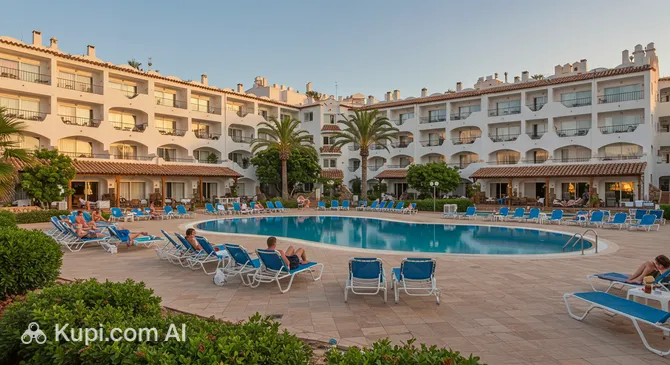
Waves Alcudia Park. Illustration.
Source: Kupi.com AI

Traveler photos:

The price range varies from budget options to luxury offerings. You can book accommodation through popular online platforms or directly on hotel websites. It is recommended to book your stay in advance, especially if your trip falls during the peak tourist season (summer months), to ensure the best choice and prices.

Nearby Cities

For those looking to explore the surroundings, Alcudia serves as an excellent starting point for day trips to several interesting nearby locations.

Among them, Palma, the capital of Mallorca, stands out and will charm you with its famous Cathedral and lively old town streets. Also worth a visit is Manacor, known for its pearl factories and as a gateway for exploring the region's famous caves. For fans of beach holidays and developed tourist infrastructure, Calvia might be a good choice. Detailed information on the distances and populations of these and other nearby cities can be found in the table below.

CityPopulationDistance
Pollenca17 12610 km
Inca34 09323 km
Binissalem9 02730 km
Capdepera12 08131 km
Manacor45 35232 km

These nearby destinations provide a glimpse into the diverse culture and landscapes of the region.

Shopping & Souvenirs

Shopping in Alcudia is a pleasant addition to a beach holiday and sightseeing. The town is not famous for huge shopping malls or luxury boutiques of global brands, but you can find many interesting small shops with local goods, souvenirs, clothing, and handmade products. The main focus is on authentic Mallorcan items and objects reflecting the culture and traditions of the Balearic Islands.

The main shopping areas in Alcudia are concentrated in two primary zones. Firstly, there is the charming Alcudia Old Town, where narrow cobbled streets are filled with small shops offering ceramics, leather goods, jewelry, local gastronomy, and clothing. Secondly, the lively Port of Alcudia area offers a more modern selection of shops oriented toward tourists, including beachwear, fashionable clothing, and souvenirs. Walking through these areas is a pleasure in itself, allowing you to combine shopping with exploring historical sites.

There are no large shopping centers within Alcudia itself. For large-scale shopping with a wide selection of international brands, it's better to head to Palma de Mallorca. However, in Alcudia, you will find many small family-run shops and boutiques that offer unique goods and a more personalized approach to customers.

One of the main attractions for shopping enthusiasts is the Alcudia market, which traditionally takes place on Tuesdays and Sundays in the Old Town. It is a vibrant and lively market where you can buy fresh local products (fruits, vegetables, cheeses, sausages), olives, honey, as well as clothing, shoes, leather goods, ceramics, souvenirs, and much more. The market is a great place to experience the local flavor and find authentic gifts.

For souvenirs from Alcudia, it's worth bringing back traditional Mallorcan products. Popular choices include handmade ceramics with characteristic patterns, leather goods (bags, belts, shoes), and the famous Majorica artificial pearls (although their main production center is in Manacor, they can be found here too). Also look out for local delicacies: ensaimada (a sweet pastry), sobrassada (savory sausage), olive oil, local wines, and liqueurs like Hierbas (an herbal liqueur).

Shops in Alcudia typically open in the morning (around 10:00 AM) until lunch (1:00 PM - 2:00 PM), followed by a siesta, after which they reopen around 4:00 PM - 5:00 PM and stay open until 8:00 PM - 9:00 PM. In tourist areas, especially during peak season, some shops may work through the siesta and stay open later in the evening. Cash (Euros) and bank cards are accepted in most shops and restaurants.

Tourists from non-EU countries can use the Tax Free system when making purchases above a certain amount in participating shops. This allows you to claim back a portion of the VAT. To do this, you need to ask for a special Tax Free receipt in the shop and then present it along with your purchases and passport at the airport customs before your flight.

Reached the end of the page?

That means the route is fully explored