Support

El Puerto de Santa Maria

About

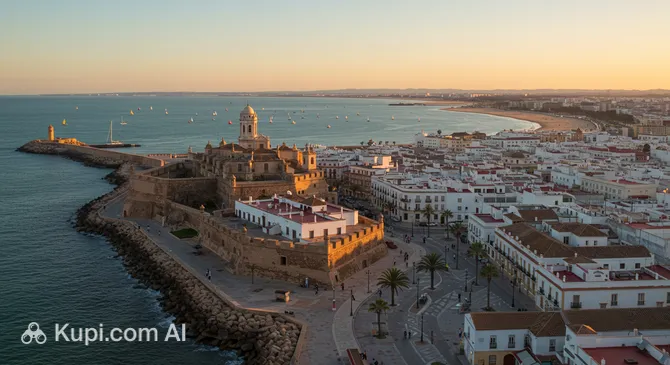
El Puerto de Santa María is a true gem of the Costa de la Luz, located in southwestern Andalusia. This picturesque city, nestled right on the Bay of Cadiz, attracts travelers looking to discover the authentic atmosphere of southern Spain.

El Puerto de Santa María. Illustration.
Source: Kupi.com AI

The city is practically surrounded by lush pine forests and natural parks, creating a stunning contrast with the dazzling white facades of the houses. With a population of about 89,000, El Puerto successfully combines the coziness of a relaxed resort with the comfort of a well-developed city. Everything for a high-quality vacation is here: from a modern yacht marina to prestigious golf courses. Thanks to the mild climate and more than 300 sunny days a year, you can enjoy the walks and sea air almost year-round.

The city's rich past adds a special charm. The narrow streets of the old center lead to architectural monuments where different eras intertwine harmoniously. The fascinating history of El Puerto de Santa María is captured in the walls of ancient churches and majestic castles, creating a unique backdrop for your vacation.

It is worth visiting this corner of the province of Cadiz for its magnificent Atlantic beaches, gastronomic discoveries in local restaurants, and the chance to immerse yourself in a leisurely pace of life. El Puerto de Santa María is an ideal destination for both family vacations and those who love active boat trips.

Weather Overview

The climate in this region of Andalusia makes a trip enjoyable at almost any time of year. Summer here is truly hot and sunny: in July and August, the average temperature stays around 26–27°C, while daytime maximums often reach 33.0°C. This is an ideal period for a beach holiday, as rain is completely absent during these months.

Winter is mild and without severe cold. In January, the coolest month, the thermometer shows an average of 12.1°C, and night temperatures rarely drop below 7.9°C. Transitional seasons also delight with comfort: for example, in May, the air warms up to an average of 20.9°C, which is great for long walks around the city.

Expect a hot, dry summer and a warm winter with occasional precipitation, the peak of which usually falls in March and November. To choose the best dates for your vacation, we recommend checking the detailed weather in El Puerto de Santa María by month.

Average monthly temperature

Average monthly precipitation

Interesting Facts

Beyond its famous beaches and architecture, El Puerto de Santa María holds many fascinating stories that make a stroll through the city even more interesting. Here are a few facts that reveal the unique character of this Andalusian corner:
  • The city played a key role in the Age of Discovery. Historians claim that it was from this local harbor that Christopher Columbus began his second expedition to the shores of America. In those days, El Puerto was a thriving port where ships were outfitted for long voyages to the New World.

  • The symbol of Spanish roads and culture—the famous black bull—originates right here. The city is home to the oldest Osborne Bodegas, founded at the end of the 18th century. This recognizable silhouette was created specifically to advertise their Veterano brandy and can now be found all across the country.

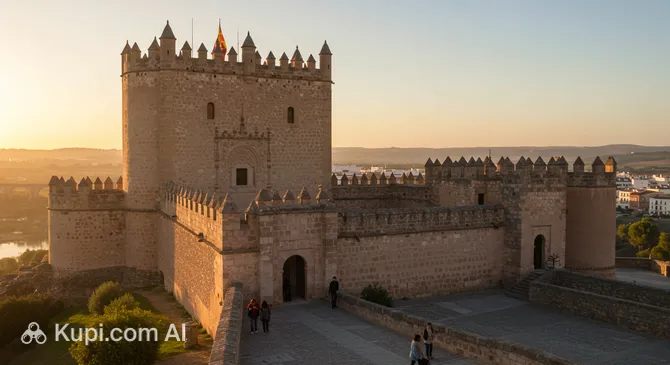
  • The architectural heart of the city, the majestic San Marcos Castle, bears the traces of two civilizations. The fortress was built in the 13th century right on the ruins of an Arabic mosque, and inside you can still see elements of Islamic architecture harmoniously coexisting with Christian Gothic style.

  • El Puerto de Santa María is a city of poetry. Rafael Alberti, one of the brightest figures in 20th-century Spanish literature, was born here. Numerous cultural events and festivals dedicated to his work are held annually, attracting art lovers from all over the world.

Castle of San Marcos. Illustration.
Source: Kupi.com AI

Traveler photos:

How to Get There

When planning a trip to the Costa de la Luz, it is important to think through your route in advance. The city has excellent transport accessibility thanks to its proximity to Andalusia's major transport hubs. You can find out more about how to get to El Puerto de Santa María, and below we will look at the main options for arriving via the nearest airports and stations.

The most convenient option for tourists is Jerez Airport (XRY). El Puerto de Santa María does not have its own airport, so travelers fly into the neighboring city of Jerez de la Frontera, which is only 22.6 km away. A taxi or transfer will take about 30–40 minutes, making this air hub the most comfortable choice for a quick start to your vacation.

If you are looking for more international flight options, consider Seville Airport (SVQ). This is a large international airport located in Seville, about 96 km from El Puerto de Santa María. The journey from here by car or bus takes about 1.5–2 hours. Despite the greater distance, this option is popular due to the wide range of flight destinations.

There is also the option of flying into North Front Airport (GIB) in Gibraltar (about 93 km away); however, this route may require crossing a border, which should be considered during planning.

For clarity, here is a summary of the main airports:

AirportPassenger trafficDistance
Jerez Airport948 93623 km
North Front Airport474 00093 km
Seville Airport8.1 mln96 km
Tangier Ibn Battouta Airport2.4 mln101 km
Sania Ramel187 777138 km

Rail service is another great way to reach the region. While El Puerto de Santa María itself doesn't have a major long-distance terminal listed as a key hub, you can use Cadiz Station (CDZ). It is located in the city of Cadiz, just 8.9 km from El Puerto de Santa María. This is very close: a taxi or local transport ride will take literally 15–20 minutes.

Another convenient option is the Jerez Train Station (YJW) in Jerez de la Frontera (about 13.3 km from your destination). Many tourists also arrive at Andalusia's main station—Santa Justa (XQA) in Seville (91.3 km), where high-speed trains arrive from Madrid, and then transfer to regional trains or buses to the coast.

Below is a table with the nearest and most significant railway stations:

StationPassenger trafficDistance
Cádiz Station1.6 mln9 km
Jerez Railway Station1.9 mln13 km
Santa Justa Railway Station10.1 mln91 km
Huelva Station295 00097 km
Puente Genil Railway Station225 243152 km

Main Attractions

El Puerto de Santa María is a city where every stone is steeped in history, and a walk through its streets becomes a fascinating journey through the centuries. Here you can see the heritage of various cultures, from Moorish fortresses to majestic Christian churches, and get acquainted with the winemaking traditions that have made this region world-famous.

One of the most recognizable landmarks is San Marcos Castle. This medieval fortress, built in the 13th century on the site of an old mosque, is perfectly preserved today. Tourists are drawn not only by the powerful architecture with its crenellated walls but also by the opportunity to step inside, where traces of Islamic architecture can still be seen. It is the perfect place to begin exploring the city's past.

Equally impressive is the Major Priory Church (Iglesia Mayor Prioral), located in the Plaza de España. This temple is a magnificent example of Gothic architecture with Baroque elements. Special attention should be paid to the "Gate of Forgiveness" portal and the interior decoration, which is striking in its solemnity and detail. Rebuilt after an earthquake in the 17th century, the building remains the spiritual heart of the city.

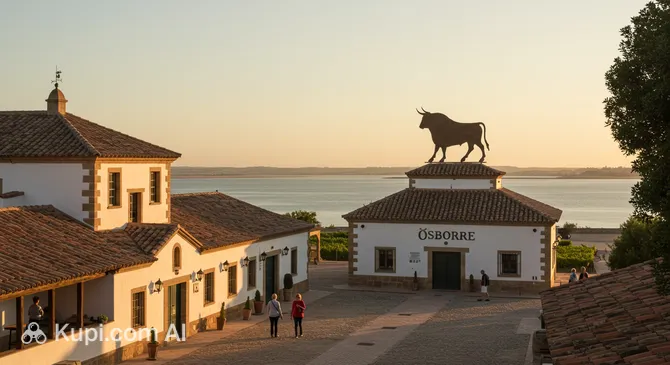
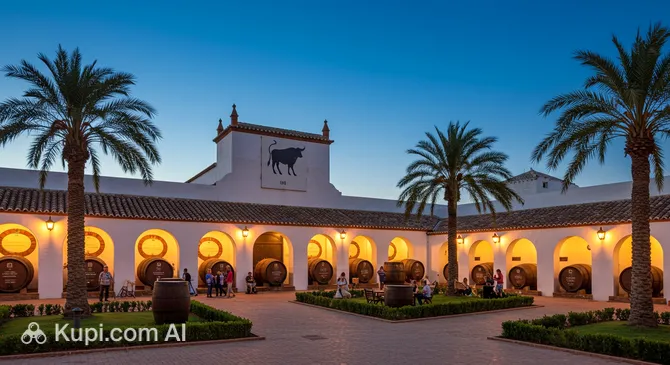
Osborne Wineries. Illustration.
Source: Kupi.com AI

Traveler photos:

For those wanting to dive into Andalusian culture, a visit to the Osborne Bodegas is a must. This is not just where famous sherry and brandy are produced, but a true museum complex. Visitors can learn the secrets of aging the drinks, see ancient barrels, and, of course, sample the products that have become a gastronomic symbol of Spain.

Fans of architecture and Spanish traditions will be interested in the Royal Bullring. Built at the end of the 19th century, it is considered one of the most beautiful and spacious in the country. Even if you don't plan to attend a bullfight, the building itself, with its elegant arches and mosaics, deserves attention as a historical monument.

After a busy day of sightseeing, it's nice to relax by the sea, for example, by visiting Valdelagrana Beach. This wide strip of golden sand has excellent infrastructure, where you can enjoy the sound of the Atlantic waves and picturesque views of the Bay of Cadiz.

Local Cuisine

The gastronomy of El Puerto de Santa María is a true gourmet adventure, seasoned with the Atlantic breeze. The main stars of the local table are always the freshest seafood: shrimp, mussels, oysters, and squid. Be sure to try "pescaíto frito"—an assortment of crispy fried fish served in almost every establishment. Another delicacy not to be missed is "almejas," small clams masterfully prepared in white wine with garlic and parsley.

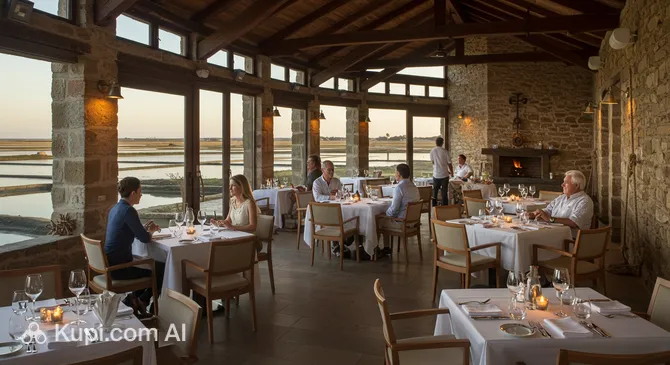
The famous Andalusian tuna holds a special place on the menu. Local chefs have reached perfection in its preparation, turning every dish into a masterpiece. If you are looking for exceptional gastronomic experiences, you should pay attention to the Aponiente restaurant. This establishment is famous for its innovative approach to marine cuisine and is a magnet for travelers wishing to discover new facets of flavor.

Aponiente. Illustration.
Source: Kupi.com AI

Traveler photos:

It is impossible to imagine a meal in this region without a glass of the famous sherry. The city is part of the "Sherry Triangle," and winemaking here is not just a craft but part of the cultural code. Local wines, from the dry and refreshing Fino to the thick and sweet Pedro Ximénez, perfectly complement the regional cuisine. Many tourists specifically visit the historic bodegas to taste the drinks right where they are born.

The dining culture in El Puerto encourages slow conversation and enjoying the moment. In the evenings, the promenades and squares come alive: numerous tapas bars open, serving jamon, anchovies, and cheeses alongside drinks. For a cozy dinner in the atmosphere of a port city, the El Faro de El Puerto Restaurant is perfect, as it honors the culinary traditions of Andalusia. And for fans of fresh farm products, it's worth checking out the morning markets to try local strawberries, figs, and olives.

Travel Tips

To ensure your journey to this sunny Andalusian city is as comfortable as possible and leaves only pleasant memories, it is helpful to know about some local features in advance. We have gathered practical recommendations to help you easily navigate El Puerto de Santa María and feel confident in any situation.

  1. Clothing and Seasonality. It is hot in the city during summer, so favor light clothing made from natural fabrics and comfortable open shoes. Be sure to wear a hat and sunglasses. In winter, the weather is mild but damp, so a windproof jacket or light coat will be useful. If you plan to visit active Catholic churches, such as the Major Priory Church, remember the dress code: shoulders and knees should be covered.

  2. Transport and Movement. The historic center of El Puerto is compact and best explored on foot. A feature of the local transport system is the popular catamaran (ferry), which connects the city with Cadiz across the bay. This is not only transport but a beautiful boat trip. To call a taxi, it is better to use official stands or local phone numbers; apps work, but there may be fewer cars than in large metropolises.

  3. Finances and Tipping. The official currency is the Euro. Bank cards are accepted in most restaurants and shops, but cash (small bills) is necessary for bus fares, market purchases, or a cup of coffee in a small bar. Tipping is not a strict obligation, but leaving 5–10% of the bill or simply rounding up the amount is considered a sign of good manners.

  4. Health and Safety. El Puerto de Santa María is a quiet and safe city. However, do not leave your belongings unattended on beaches and in crowded tourist spots. Pharmacies are marked with a glowing green cross; operating hours are usually from 9:30 AM to 1:30 PM and 5:00 PM to 8:30 PM, but there are always 24-hour points on duty. The main health tip is to drink more water and use high SPF sunscreen, as the sun is very active here.

  5. Communication. The main language of communication is Spanish. In tourist areas, staff often speak English, but knowing a few basic phrases ("Hola", "Gracias", "Por favor") will instantly win over the locals. For stable internet, you can purchase a prepaid SIM card from major operators at mobile stores or tobacco shops.

  6. Local Etiquette and Time. Life here flows at a relaxed pace. Lunch starts late, around 2:00 PM–3:00 PM, and dinner is no earlier than 9:00 PM. Keep the siesta in mind: many small shops close from 2:00 PM to 5:00 PM. It is customary to say hello when entering an elevator, shop, or waiting room, even if you don't know the people.

  7. What to Avoid. Don't try to have dinner at a restaurant at 6:00 PM or 7:00 PM—kitchens are often closed during this time, and you will only be offered drinks and cold snacks (tapas). Also, don't rush the waiters: service here is leisurely, which is part of the culture of enjoying the moment, not a sign of poor service.

  8. Bonus: Wine Souvenir. Since the city is part of the famous "Sherry Triangle," don't miss the chance to buy wine directly from a bodega (winery) rather than a supermarket. Many of them have shops at the production site where you can find rare types of sherry or brandy that are not exported.

Following these simple rules will help you avoid minor troubles and fully immerse yourself in the charm of southern Spain. May your journey to El Puerto de Santa María be filled with bright gastronomic discoveries, warm encounters, and a serene vacation by the ocean!

Entertainment & Nightlife

El Puerto de Santa María is famous for having one of the liveliest "movidas" (nightlife) in the entire Bay of Cadiz. In summer, the city's population increases many times over, and the streets fill with music, laughter, and a festive atmosphere. It is customary to start the evening slowly: locals head out for a stroll after sunset, filling terraces and tapas bars to enjoy the cool air and socializing.

The epicenter of nightlife in the historic center is the area around Calle Misericordia and the Ribera del Marisco promenade. This is where many pubs and cocktail bars are concentrated, with the fun starting around midnight. The crowd here is very diverse, ranging from young people to couples enjoying a late dinner. The dress code in the center is casual and relaxed.

For those looking for a classic pub atmosphere with a good selection of drinks and live energy, St. Patrick's is an excellent choice. It is a popular meeting spot where you can spend time with friends listening to good music before heading out to dance until dawn. If you want to start your evening with delicious food and cocktails in a quieter setting, it is worth checking out Ditaly, where the cozy interior is perfect for long conversations.

The second major zone for nighttime entertainment is the upscale Puerto Sherry area and the promenade near La Puntilla beach. People usually move here around two in the morning. This is where fashionable clubs and open terraces overlooking the yachts are located. The atmosphere in Puerto Sherry is more glamorous, so it is worth paying attention to your outfit: an elegant style is welcomed here. Prices in this area can be higher than in the center, but the view of the ocean at night is worth it.

In addition to bars and discos, the city offers other leisure activities. Shopping and movie fans should visit the Bahia Mar Shopping Center. It is a large entertainment complex where you can escape the daytime heat, browse the shops, grab a bite at the food court, or catch a late-night movie.

Practical Tips:

  • Timing: Nightlife in Andalusia starts late. There is no point in going to clubs before 1:00–2:00 AM; the peak of the fun is around 3:00–4:00 AM.
  • Transport: It is best to take a taxi between the historic center and Puerto Sherry; the ride takes 10–15 minutes. Public transport is rare at night.
  • Safety: The city is considered safe for night walks, especially in crowded tourist areas. However, as with everywhere, keep an eye on your belongings and avoid unlit outskirts when alone.

Daytime entertainment in El Puerto is also varied. Families with children and nature lovers will enjoy a walk through Los Toruños Natural Park. This is a vast protected area with wooden walkways where you can rent bicycles or kayaks, or simply watch the birds in their natural habitat.

Parks & Museums

Although El Puerto de Santa María is primarily famous for its coastline, the city and its surroundings offer travelers picturesque green oases and a rich cultural program. Here you can escape the heat in shaded alleys or dive into exploring the region's rich heritage by visiting local museums and exhibition halls.

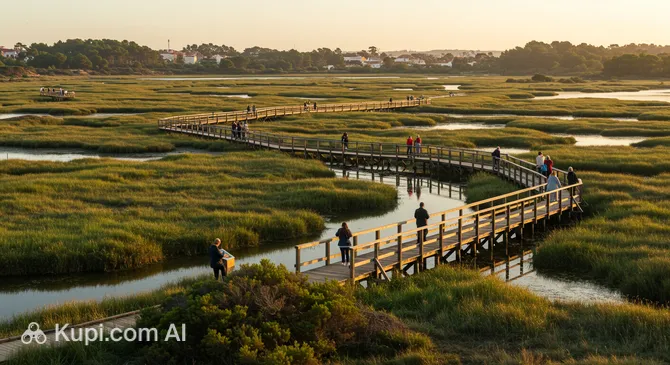
The main natural jewel of the region is Los Toruños Natural Park. This is a vast protected area spread across a peninsula in the Bay of Cadiz. The park is a unique ecosystem of salt marshes, lagoons, and sand dunes, playing an important role in bird migration. A network of trails is set up for tourists: you can walk along wooden walkways, ride a bicycle, or go kayaking on the quiet waters of the San Pedro River while enjoying untouched nature.

Los Toruños Natural Park. Illustration.
Source: Kupi.com AI

Traveler photos:

In the very heart of the city, along the banks of the Guadalete River, lies the cozy Parque Calderón. This historical garden, created in the 19th century, has become a favorite spot for a leisurely promenade. It is pleasant to walk among century-old palms and well-kept flower beds, admiring the view of the moored boats and the famous bodegas on the opposite bank. The park often hosts book fairs and craft markets, adding a special local color to the place.

The city's cultural life is inextricably linked with the names of great creators. A must-visit for literature enthusiasts is the Rafael Alberti Foundation (Fundación Rafael Alberti). The museum is located in a traditional Andalusian house where the famous poet of the "Generation of '27" spent his childhood. The exhibition features manuscripts, first editions of books, personal items, and paintings by Alberti himself, allowing for a deeper understanding of the soul of 20th-century Spanish poetry.

To learn about the ancient past of these lands, it is worth stopping by the Municipal Museum (Museo Municipal), which occupies the halls of an old palace. The rich collection spans periods from the Paleolithic to the Middle Ages, showcasing artifacts from Phoenician, Roman, and Moorish eras. Archeological finds testifying to the city's key commercial importance in antiquity are of particular interest.

One should not forget that many architectural monuments serve as museums themselves. The majestic San Marcos Castle regularly opens its doors for tours, allowing visitors to see not only the fortress walls but also the interior halls with preserved elements of the mosque. And the famous Osborne Bodegas offer visitors a chance to visit their Toro Gallery, dedicated to the history of the brand and the iconic Osborne bull that became a symbol of Spain.

Insider Tip: If you are looking for seclusion, look for hidden courtyards (patios) in historical buildings, such as the Monastery of Victory (Monasterio de la Victoria). Often, entry is free, and the atmosphere of silence and cool among the blooming orange trees will provide unforgettable moments of peace away from the tourist bustle.

Getting Around

The public transport system in El Puerto de Santa María is well-developed and allows for comfortable travel both through the historic center and to distant beaches or neighboring resorts. Since the city is relatively small, there are no metro or tram lines, and the main load is handled by buses and a unique maritime transport option.

City buses are the most popular way to get around. The route network covers all key areas: from the old town and the railway station to popular beach zones like Valdelagrana and Costa Oeste. The buses are modern and air-conditioned, which is especially important during the hot summer months. Please note that schedules may change depending on the season: in summer, the number of trips to the coast increases, while on weekends and holidays, the intervals between buses may be longer.

A true highlight of the transport system is the catamaran (water taxi). This is not just an attraction but a full-fledged mode of public transport connecting El Puerto with the city of Cadiz. The trip takes about 30 minutes and offers magnificent views of the bay. The terminal is located right in the center, near the Guadalete River promenade. It is the most scenic and fastest way to reach the provincial capital without traffic jams.

To pay for fares, it is most economical to use the unified transport card, Tarjeta de Transporte (the Cadiz Bay Transport Consortium card). It is valid on city and intercity buses, catamarans, and even suburban trains (Cercanías). Using the card can save you up to 30–40% off the price of a single ticket. It can be purchased and topped up at tobacco shops (Tabacos) and at stations. If you only plan a couple of trips, you can buy a single ticket from the bus driver, but it's better to have small cash (bills of 5 or 10 euros) as cards are not always accepted on board.

As an alternative to public transport, taxis are popular. Official cars are white with a blue stripe on the front doors. They can be found at special stands (for example, at the station or the Plaza de Toros) or called by phone. In recent years, cycling has been growing in the city: the flat terrain makes the bicycle an excellent choice for excursions. Rental points can be found in the center and near major hotels.

An important practical tip for tourists planning a catamaran trip: this type of transport depends on the weather. On days with strong winds (the famous "levante"), trips may be cancelled. In such cases, the catamaran ticket is valid for a special bus that runs between the cities by land. Always check the current information on the display at the terminal before departing.

Accommodation

El Puerto de Santa María offers travelers a wide range of accommodation options to suit every taste and budget. The city's hotel infrastructure harmoniously combines historical heritage with modern comfort. Here you will find luxury hotels located in restored palaces and former wineries, as well as cozy family guesthouses, budget hostels, and numerous tourist apartments for those who prefer independence.

When choosing a location, it is important to consider the purpose of your visit. The Historic Center is ideal for those who want to immerse themselves in the atmosphere of ancient streets, be close to the main attractions, and enjoy the nightlife in tapas bars. For beach lovers, the Valdelagrana district is the best choice: modern hotels and apartment complexes located on the front line of a wide promenade predominate here. Those seeking exclusivity and quiet should look at the Puerto Sherry area near the marina, where you will find more expensive and secluded options.

A special charm of staying in this city is the opportunity to stay in buildings with a history. A striking example of such accommodation is Bodega Real. This hotel, located in a classic Andalusian building, allows guests to feel the authentic spirit of the region while enjoying a high level of service and comfort.

Bodega Real. Illustration.
Source: Kupi.com AI

Traveler photos:

The price range in the city varies from "economy" to "luxury" class. In the off-season, the cost of living becomes very affordable, but in the summer, prices rise noticeably. You can book a room through popular international online aggregators or directly on hotel websites. Private apartment rentals are also widespread and are often more economical for families or large groups.

Booking Tip: El Puerto de Santa María is an extremely popular summer vacation destination, especially among Spaniards. In peak season (July-August), as well as during the Motorcycle Grand Prix in nearby Jerez or during the spring fairs, the demand for housing is enormous. To ensure the best option at a reasonable price, plan your trip and book your accommodation in advance, preferably 2–3 months ahead.

Nearby Cities

For those looking to explore the surroundings, El Puerto de Santa María serves as an excellent base for day trips to several interesting nearby locations. Its convenient location in the heart of the Bay of Cadiz makes it easy to reach neighboring cities, each with its own unique character and history.

Just a few kilometers away (or a short ferry ride) is Cadiz—one of the oldest cities in Western Europe. It charms travelers with its narrow cobbled streets, a majestic cathedral with a golden dome, and stunning ocean views from its ancient fortress walls. It is the perfect place to feel the breath of history and enjoy the fresh sea breeze.

Wine lovers and fans of Andalusian traditions should definitely visit Jerez de la Frontera. This aristocratic city is known worldwide as the birthplace of sherry, the cradle of flamenco art, and the home of the famous dancing horses of the Royal Andalusian School of Equestrian Art. Here you can visit numerous bodegas and immerse yourself in the atmosphere of a true southern celebration.

Another attractive destination is Sanlúcar de Barrameda, located at the mouth of the Guadalquivir River. The city is famous for its gastronomy, especially local langoustines and the unique Manzanilla wine. Additionally, it offers access to the famous Doñana National Park.

CityPopulationDistance
Puerto Real41 9638 km
Cadiz114 2449 km
Rota29 49112 km
Jerez de la Frontera212 80114 km
San Fernando94 86714 km

These nearby destinations provide insight into the diverse culture and landscapes of the region, making your vacation even more rich and memorable.

Shopping & Souvenirs

Shopping in El Puerto de Santa María is a pleasant and relaxed activity that allows you to combine buying necessary items with immersing yourself in the local culture. The city does not claim to be a fashion capital, but you can find everything here: from authentic craft shops and boutiques of Spanish brands to modern shopping galleries. Special attention should be paid to gastronomic souvenirs, as the region is famous for its wines and delicacies.

The heart of commercial life beats in the historic city center. The main arteries for shopping enthusiasts are Calle Luna and Calle Larga, officially known as Calle Virgen de los Milagros. Walking along here, you will find many shops selling clothing, shoes, accessories, and perfumes. This is a pedestrian zone where shopping is easily combined with architectural sightseeing and relaxing in street cafes.

For those who prefer an "all-in-one-place" format, the Bahia Mar Shopping Center is an ideal choice. This complex is located near the train station and offers a wide selection of mass-market stores, sporting goods, and electronics. Additionally, it has a large supermarket, a cinema, and convenient parking, making it a popular spot for family shopping.

To experience the true taste of Andalusia, be sure to check out the local markets. The main food market is the Mercado de la Concepción. A lively atmosphere reigns here: the stalls are overflowing with the freshest fish, seafood, and farm vegetables and fruits. Also, on Tuesdays, a street market ("mercadillo") usually takes place in the promenade area, where you can buy inexpensive clothing, textiles, and souvenirs.

As mementos from El Puerto de Santa María, tourists most often bring home gastronomy. The main souvenir is, undoubtedly, a bottle of local sherry or brandy. It's best to purchase them in specialized shops at the bodegas, for example, by visiting the Osborne Bodegas, which has an excellent flagship boutique. Handmade ceramics, traditional Spanish fans (abanicos), and leather goods are also popular.

When planning your shopping trip, remember the traditional schedule. Most small shops in the center are open from 10:00 AM to 1:30 PM or 2:00 PM, then close for the siesta, reopening only around 5:30 PM and working until 8:30 PM or 9:00 PM. Large shopping centers and supermarkets usually work without a lunch break from 10:00 AM to 10:00 PM. On Sundays, most shops are closed. Cards like Visa and Mastercard are accepted almost everywhere, but it is better to have some cash on hand for markets and small kiosks.

Tourists who reside permanently outside the European Union can take advantage of the Tax Free system (VAT refund) when purchasing a certain amount on a single receipt. Look for "Tax Free Shopping" stickers in windows and don't forget to ask the seller for the special form to process the refund at your departure airport.
Reached the end of the page?

That means the route is fully explored