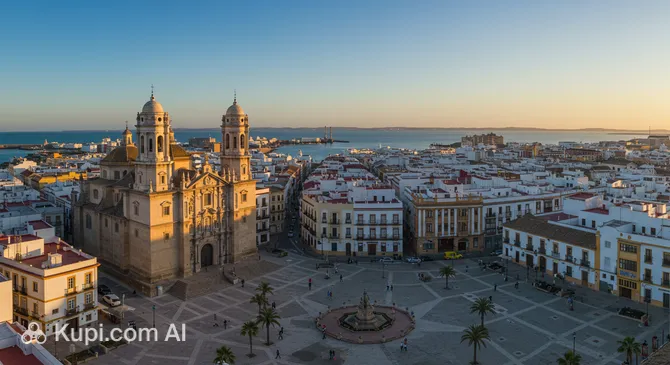
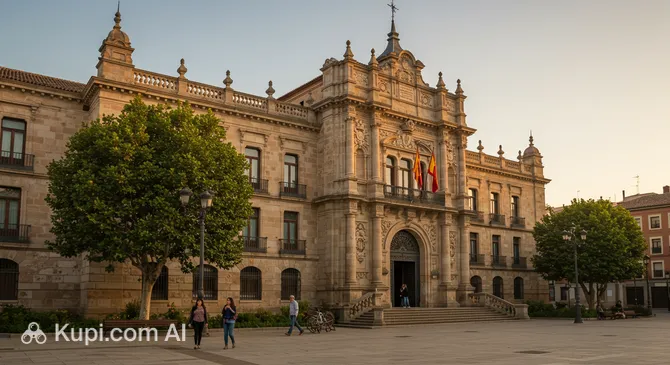
San Fernando is a true Andalusian gem, nestled in the heart of the Bay of Cádiz. This city, connected to the mainland and neighboring Cádiz by a long sandy spit, serves as a bridge between the past and present, offering stunning views of the Atlantic. It is here, in the sunny south for which Spain is so famous, that a special atmosphere of maritime freedom, fresh breezes, and warmth prevails.
With a population of about 95,000, San Fernando remains quite intimate yet is a lively and dynamic provincial city. Despite its modest size, it is an important cultural center for the region. The rich history of San Fernando is closely intertwined with the sea and legends of great sailors, giving its streets a special charm.
San Fernando. Illustration.
Source: Kupi.com AI
The city charms with a harmonious blend of old architecture and magnificent natural landscapes. Beach lovers will appreciate the famous Castillo beach, stretching for almost three kilometers, while culture enthusiasts can touch the traditions, as this is where passionate flamenco sounds. A gastronomic journey through local markets and taverns will be a great addition to exploring ancient churches and castles.
San Fernando is an ideal place for those seeking authenticity away from the noisy tourist crowds. Here, you can forget the hustle and bustle while enjoying sunsets and the hospitality of the locals. This cozy corner of Andalusia is definitely worth including in your travel itinerary.
Weather Overview
The climate in this corner of Andalusia can be described as mild and favorable for travel at any time of year. Expect hot, dry summers and mild winters with moderate rainfall, which is typical for coastal cities in southern Spain.
The summer season here is a true gift for sun lovers. In July and August, there is virtually no rain, and the average air temperature stays around 25–26°C, often rising above 30°C during the day. This is the ideal time for a beach holiday, when nothing prevents you from enjoying the waters of the Atlantic.
Winter in the city is very comfortable and not at all harsh. Even in January, the coldest month, the daytime temperature usually reaches 16°C, and at night it rarely drops below 9°C. Most of the precipitation falls during the cold season and early spring: for example, March can be quite wet with about 12 rainy days, so an umbrella won't be superfluous on a spring trip.
To plan your perfect vacation and choose the right clothes, we recommend checking in advance what the weather in San Fernando will be like during your travel dates.
Average monthly temperature
Average monthly precipitation
Interesting Facts
San Fernando is not just a picturesque coastal city, but a place where the destinies of great artists and important milestones of state history intertwine. Beyond the main attractions, this corner of the province of Cádiz holds many fascinating secrets that will surprise even seasoned travelers.
The city played a key role in the country's political history. It was here, in the Iglesia Mayor in 1810, that deputies of the first constituent assembly took their oath, laying the foundations of Spanish parliamentarianism during one of the most difficult periods for the state.
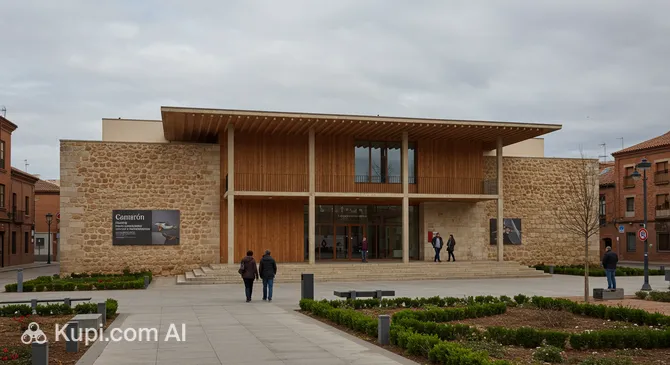
San Fernando proudly bears the title of the birthplace of the flamenco legend—José Monje Cruz, known worldwide as Camarón de la Isla. Fans of the genre consider this city a true Mecca, and you can learn more about the life and work of the great singer by visiting the modern Camarón de la Isla Interpretation Center.
The naval past literally permeates the city's atmosphere. Here you will find the unique San Fernando Naval Museum, whose exhibition allows you to dive into the era of great geographical discoveries and see rare artifacts associated with Spain's maritime glory.
One of the oldest buildings in the city is the medieval San Romualdo Castle. This structure is a living witness to the region's centuries-old history, with architecture that contrasts with later buildings and serves as a reminder of the settlement's ancient roots.
Naval Museum of San Fernando. Illustration.
Source: Kupi.com AI
Traveler photos:
How to Get There
When planning a trip to this sunny corner of Andalusia, it is important to think about logistics in advance, as the city itself does not have its own airport. However, getting here is easy thanks to the region's developed transport network. You can find out all the ways to get to the city in more detail on a separate page, and below we will look at the main air and rail hubs located nearby.
The nearest air gateway is Jerez Airport (IATA: XRY), which handles both domestic and some international flights. It is located not in San Fernando, but in the neighboring city of Jerez de la Frontera, approximately 33 km from your destination. A trip by taxi or rental car will take about 30–40 minutes, making this the fastest option for arrival.
If you need a wider choice of flights, consider Seville Airport (IATA: SVQ). This is a major international hub located in the city of Seville, about 108 km from San Fernando. The journey from here will take a bit longer—approximately 1 hour and 30 minutes by car—but the number of available routes is significantly higher.
For clarity, here is summary information on the main airports:
Railway communication is another excellent way to get to the region. It is very convenient to use Cádiz Station (IATA: CDZ). Although it is located in the city of Cádiz, the distance to the center of San Fernando is only about 10.5 km. This is essentially a neighboring city, and a taxi or local transport ride from the station will take literally 15–20 minutes.
For travelers arriving from distant parts of Spain on high-speed trains, Santa Justa Station (IATA: XQA) in Seville may be an important hub. It is located 104 km from San Fernando. From there, you can transfer to a regional train or take a bus to reach the coast.
Below is information about the nearest railway stations:
San Fernando offers travelers a unique blend of monumental architecture, natural beauty, and iconic sites associated with flamenco culture. A walk through the city will allow you to immerse yourself in an atmosphere of maritime romance and learn more about the traditions of this amazing corner of Andalusia.
One of the city's most majestic and significant buildings is the Pantheon of Illustrious Sailors. This impressive neoclassical building serves as the resting place for many legendary Spanish sailors and military figures. Visitors are struck not only by the solemn atmosphere inside but also by the architectural grandeur of the structure itself, which symbolizes the city's inseparable link with the Spanish Navy.
Pantheon of Illustrious Sailors. Illustration.
Source: Kupi.com AI
Traveler photos:
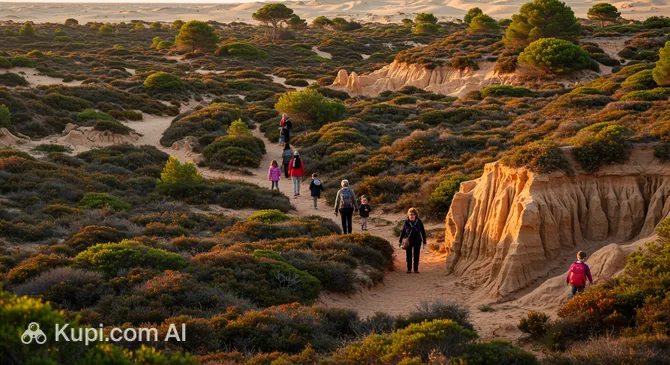
For those who prefer outdoor recreation and nature observation, the Caño del Carrascón Trail is the perfect spot. This picturesque route runs along salt marshes and water channels, offering stunning views of the Bahía de Cádiz Natural Park. Here, you can take a long walk or bike ride, enjoying the silence and watching the many birds that inhabit these wetlands. It is especially beautiful at sunset when the water turns golden.
Caño El Carrascón Trail. Illustration.
Source: Kupi.com AI
Traveler photos:
Fans of flamenco culture feel it is their duty to visit such an iconic site as the Tomb of Camarón de la Isla. Located in the local cemetery, it is a place of pilgrimage for fans of the great singer from all over the world. The monument is created with great artistic taste and is always decorated with fresh flowers, highlighting the enduring love of the people for their idol, who was born on this land.
If you are looking for a quiet place to relax in the city center, check out Admiral Laulhé Park. This is San Fernando's green oasis, where local families love to spend time. Shady alleys, well-kept paths, and relaxation areas make it a wonderful place to catch your breath after sightseeing and enjoy the relaxed pace of life in a southern city.
Local Cuisine
The culinary traditions of San Fernando are a true harmony of land and ocean, with the freshest seafood playing the leading role. The city's gastronomic scene is permeated with the aromas of fried fish and sea breezes, offering tourists an immersion into the authentic flavors of southern Spain. Here, food is not just about satisfying hunger, but an important part of culture and social interaction.
The undisputed king of the local table is the "tortilla de camarón"—crispy, golden chickpea flour fritters with tiny shrimp. This dish has become a true hallmark of the region, and leaving without trying it would be a missed opportunity. It is also worth ordering an assortment of fried fish ("pescaíto frito"), including anchovies and grilled squid, or the exquisite "Cabo de Sanlúcar" oysters caught in neighboring waters.
La Tapería de Ari Restaurant. Illustration.
Source: Kupi.com AI
Traveler photos:
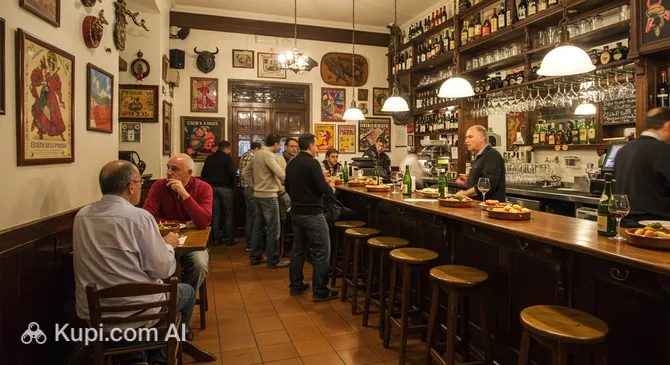
The local eating culture is inextricably linked with the concept of "tapas"—small snacks typically enjoyed in the company of friends while moving from bar to bar. You can try tapas made with tuna, octopus, or mussels in a spicy sauce at the city's numerous taverns. An excellent place to experience this format is La Tapería de Ari Restaurant, where traditions of preparing and serving snacks are honored.
The perfect accompaniment to your meal is a glass of cold "manzanilla"—a dry sherry that perfectly complements the flavor of seafood. For dessert, locals prefer sweets made with almonds, honey, and oranges, reminiscent of Andalusia's Moorish heritage. For fans of gastronomic discoveries, it is also recommended to visit the farmers' markets to buy local cheeses and seasonal vegetables.
Travel Tips
Preparing for a trip to San Fernando is an anticipation of meeting true southern hospitality and maritime romance. To ensure your holiday is carefree and leaves only pleasant memories, we have gathered some proven tips to help you feel confident in this cozy city that Spain is so proud of.
Clothing and sun protection. The climate here is hot and humid, so prioritize clothing made of light natural fabrics (cotton, linen). Note that the region is famous for its winds: even in summer, a light wrap in the evening won't hurt. Be sure to bring comfortable shoes for walking on cobblestones and a powerful sunscreen—the sun here is very active.
Transport nuances. San Fernando is very pedestrian-friendly, and the city center is best explored on foot. For trips to neighboring Cádiz or Chiclana, the Trambahía (tram-train) is ideal—it is a fast, modern, and scenic way to get around. Taxis can be caught at stands or called via the PideTaxi app; renting a car only makes sense for trips to remote beaches in the province.
Finances and payment. The official currency is the Euro. Bank cards are accepted almost everywhere, from supermarkets to restaurants. However, for paying for coffee in small bars, buying bus tickets, or souvenirs at the market, it is better to have some cash (5–10 Euro notes). Tipping is not mandatory, but rounding up the bill or 5–10% for good service is considered good manners.
Health and safety. The city is calm and safe for tourists, but standard vigilance in crowded places should not be lost. Pharmacies (Farmacia) are easily recognized by a flashing green cross; opening hours are usually 9:30 AM to 1:30 PM and 5:00 PM to 8:30 PM, but there are always duty pharmacies open 24/7. It is better to drink bottled water, although tap water is safe.
Language and communication. Locals speak Spanish with a characteristic Andalusian accent, often "swallowing" word endings. English is understood in hotels and tourist offices, but it may not help in regular taverns. Download an offline translator and learn a few phrases: "Hola" (Hello) and "Gracias" (Thank you)—this will immediately win over your interlocutor.
Siesta and daily routine. Life here follows a special rhythm. Remember that from 2:00 PM to 5:00 PM, many shops and institutions close for the siesta. Dinner is usually late: restaurants only start filling up after 9:00 PM. Don't try to find an open kitchen at 6:00 PM—at that time, you can only count on coffee and desserts.
What to avoid. Do not enter shops, churches, or restaurants in the city center in beachwear or shirtless—this is considered a sign of disrespect. Also, avoid rushing: service in cafes can be leisurely, it is part of the local "tranquilo" (calm) culture, so relax and enjoy the moment.
Consider the Levante wind. This is specific advice for the coast of Cádiz. If the weather forecast promises a strong easterly wind (Levante), it is better not to plan a beach day, as the sand will sting your skin unpleasantly. This is the perfect time for visiting museums, shopping centers, or a gastronomic tour of indoor establishments.
We hope these practical hints make your stay on "La Isla" easy and comfortable. May San Fernando greet you with great weather, delicious tapas, and the warmth of its inhabitants!
Entertainment & Nightlife
The nightlife in San Fernando is not so much about loud mega-clubs with world-class DJs, but rather a cozy, noisy, and very soulful atmosphere of an Andalusian "fiesta." The city comes alive after sunset when the heat subsides and locals take to the streets to socialize, enjoy a glass of wine, and soak in the cool air. The main fun here centers around conversation, gastronomy, and music, often flowing from one establishment to another.
The epicenter of evening activity is traditionally Calle Real and its adjacent side streets. Here you will find many bars with open terraces where you can watch passersby and immerse yourself in the city's rhythm. In summer, the center of gravity shifts closer to the coast: beach bars ("chiringuitos") on Camposoto beach offer great cocktails, music, and dancing under the open sky with ocean views.
For a great start to the evening, we recommend stopping by Los Napolitanos San Fernando. This place is popular with both locals and tourists thanks to its cuisine and pleasant atmosphere. Here you can have a hearty dinner before a long evening or just a snack with friends while discussing plans for the night.
Bahía Sur Shopping Center. Illustration.
Source: Kupi.com AI
Traveler photos:
If you are looking for a place where entertainment is gathered under one roof, head to the Bahía Sur Shopping Center. It is not just a shopping location, but an important leisure spot for city residents. It features cinemas, numerous restaurants, and cafes that stay open late. It's an excellent option for more relaxed leisure or if you are traveling with family.
Practical tips for night walks:
Time: The Spanish night starts late. Bars only begin to fill up after 10:00 PM, and the peak of the fun occurs between 1:00 AM and 2:00 AM.
Dress code: In most places, the style is democratic—smart casual will be appropriate everywhere. In beach bars, the atmosphere is even more relaxed.
Safety: San Fernando is a safe city. Central areas are well-lit and patrolled. However, as everywhere, do not leave your belongings unattended. It is best to call a taxi at night through official apps or at special taxi stands.
As for daytime entertainment, besides the beaches, the city offers pleasant places for walks. For example, Barrero Park is a beautiful green area where you can escape the city bustle, stroll through well-kept alleys, or attend cultural events often held here during the warmer months.
Parks & Museums
San Fernando is a city where monumental history is harmoniously intertwined with natural beauty. Green zones here are not just places for relaxation, but parts of the unique ecosystem of the bay, while the city's museums are true treasure troves preserving memories of naval victories and flamenco legends.
Among the city's green oases, Barrero Park deserves special mention. It is a spacious and well-kept area located in close proximity to the famous Royal Observatory. The park attracts tourists with its wide alleys and historical context: while strolling here, you can enjoy views of majestic neoclassical buildings. It is an ideal spot for a quiet read in the shade of the trees or an evening promenade after an eventful day.
It is impossible to talk about the nature of San Fernando without mentioning its unique location in the heart of the Bahía de Cádiz Natural Park. Although it is not a city park in the traditional sense, the landscapes surrounding the city—with salt marshes, dunes, and labyrinths of water channels—are the main natural attraction. Here you can observe flamingos and other migratory birds, feeling a total connection with nature just a few steps from the urban areas.
Camarón de La Isla Interpretation Center. Illustration.
Source: Kupi.com AI
Traveler photos:
The cultural life of the city is inextricably linked with the name of the legendary flamenco singer. The modern and high-tech Camarón de la Isla Interpretation Center is more than a museum. It is an interactive space that immerses visitors in the life and art of José Monje Cruz. Thanks to multimedia exhibits, it will be interesting even for those just starting to get acquainted with the art of "cante jondo." This is an emotional journey to the origins of the Spanish soul.
Another important point on the cultural map is the San Fernando Naval Museum. Housed in a historical building, it possesses one of the most impressive collections in the country. The exhibition includes navigational instruments, ancient maps, ship models, and weapons, telling the story of the glorious past of the Spanish Navy. For history buffs, this place is a must-visit as it reveals the city's role as a key naval port.
Insider Tip: If you want to see something truly unusual, try to visit the San Fernando Botanical Garden. It is not the most famous tourist spot, but it charms with its collection of plants characteristic of the ecosystem of Cádiz and southern Andalusia. It is quiet, cozy, and very informative for flora enthusiasts.
Getting Around
The public transport system in San Fernando is modern and intuitive, making travel around the city and its surroundings easy even for first-time visitors. The city is compact enough that its historic center, especially the famous Calle Real, is pleasant to explore on foot; however, for trips to the beach or large shopping centers, you may need transport.
The main feature and pride of the transport network is the Trambahía (Cádiz Bay Tram). This is a unique hybrid of a tram and a train that runs right through the heart of the city along the main pedestrian street. It is the most convenient and scenic way not only to move within San Fernando but also to reach neighboring Chiclana or Cádiz. The cars are modern, quiet, and air-conditioned, which is especially important on hot days.
In addition to the tram, city buses run through the town, connecting residential areas with the station and Camposoto beach (during the summer season). For faster travel within the region, the Cercanías suburban trains (Line C-1) are excellent, stopping at "San Fernando-Bahía Sur" and "San Fernando-Centro" stations. This is a reliable option for quickly reaching Jerez Airport or the centers of neighboring cities.
The most cost-effective way to pay for travel is using a unified Consorcio de Transportes transport card (green card). It works on trams, buses, bay catamarans, and even on suburban trains, allowing for significant savings compared to buying single tickets. You can purchase and top up the card at tobacco shops (Tabacos), railway stations, or special points of sale. Single tickets are also available: on the bus, they can be bought from the driver (it's best to have small change), and for the tram, at machines at the stops.
Tourists should remember the rules for validation. On the bus, tap the card against the reader upon entering. On trams and commuter trains, validation is mandatory both when entering and exiting (at turnstiles or validators on the platform) so the system can deduct the correct amount based on the distance traveled. Transport usually runs from 6:00 AM until midnight, but intervals may increase on weekends and holidays.
As an alternative, taxis are popular. Official white cars with the city crest are easy to find at stands or can be called via the PideTaxi app. Furthermore, thanks to the completely flat terrain, San Fernando is an ideal city for cyclists. There is a wide network of bike lanes connecting the center with natural parks, so renting a bike is an excellent way to see the surroundings at your own pace.
Accommodation
The choice of accommodation in San Fernando may be smaller in quantity compared to neighboring resort giants, but it is diverse and, importantly, often offers more affordable prices than in Cádiz itself or elite Sancti Petri. The city is oriented towards quiet and comfortable holidays, offering tourists options ranging from functional city hotels to cozy apartments and bungalows.
The city's main inventory is represented by mid-range hotels (3–4 stars) and guest houses. In recent years, renting tourist apartments has become increasingly popular, which is especially convenient for families with children or groups planning a long stay. There are virtually no luxury five-star "all-inclusive" resorts here, but the service is characterized by warmth and attention to detail.
When choosing an area to stay, you should consider the goals of your trip:
Historic Center (Calle Real area): An ideal choice for those who want to be in the center of the action. Staying here puts you within walking distance of the main museums, best tapas bars, and tram stops. This is the most atmospheric neighborhood, but potential parking difficulties should be considered.
Bahía Sur Area: One of the most popular tourist clusters. It is located next to the shopping center of the same name and the railway station. Here you will find well-known hotel complexes and bungalows with views of the bay. This is a strategically convenient spot for those planning to travel around the province by train or car.
Coast (Camposoto): There are virtually no hotels directly on the beach due to the area's protected environmental status, but in the residential blocks adjacent to the road to the beach, you can find excellent apartment rental options.
Booking Tip: San Fernando is a city with pronounced seasonality. In July and August, as well as during major holidays (Carnival in February and Holy Week in spring), the demand for housing rises sharply. To guarantee a good option at a fair price, it is recommended to book accommodation at least 2–3 months before your trip.
The price range in the city can be described as moderate. Even in high season, the cost per night here is often lower than in the provincial capital. Booking is available through all popular international online platforms, though many small pensions and apartments also readily accept direct bookings via their websites or social media.
Nearby Cities
For those who want to explore the surroundings, San Fernando serves as an excellent starting point for day trips to several interesting nearby locations:
Each of these cities possesses its own unique charm and deserves a separate visit. Cádiz, located literally just a few minutes away, is considered the oldest continuously inhabited city in Western Europe. Its narrow cobbled streets, majestic cathedral with a golden dome, and the famous La Caleta beach create an unmistakable atmosphere where history meets the ocean.
Lovers of tradition and gastronomy should definitely visit Jerez de la Frontera. This city is world-famous as the home of Sherry wine, the cradle of flamenco, and the center for breeding Andalusian horses. A tour of the ancient wineries (bodegas) with a tasting and a visit to the Royal School of Equestrian Art will be highlights of the trip.
Also worthy of attention is El Puerto de Santa María, often called the "city of a hundred palaces." It is famous for its elegant architecture and superb cuisine. People come here to enjoy the freshest seafood in local restaurants and stroll along picturesque embankments from where ships once set sail for the New World.
These nearby destinations provide an insight into the region's diverse culture and landscapes.
Shopping & Souvenirs
Shopping in San Fernando is a relaxed and pleasant activity that allows you to combine purchasing necessities with immersion into the local atmosphere. The city does not claim to be a high-fashion capital; however, it has everything a tourist might need: from colorful traditional shops to large modern complexes. The peculiarity of local shopping lies in its convenience and compactness, as well as the opportunity to purchase unique gastronomic souvenirs for which the province of Cádiz is famous.
The heart of the city's commercial life is undoubtedly Calle Real. This main artery of San Fernando, where the tram runs, is almost entirely pedestrianized. Strolling here, you will find many small boutiques with clothing and footwear from Spanish brands, accessory shops, perfumeries, and bookstores. Shopping on Calle Real is pleasant because it is easy to combine with relaxation: shops alternate with cozy cafes and historical buildings, creating a lively and friendly atmosphere.
For those who prefer large-scale shopping and international brands, the main point of attraction is the Bahía Sur Shopping Center. It is not just a mall, but an entire commercial city located on the shores of the bay with views of the natural park. Dozens of popular mass-market stores such as Zara, Mango, Stradivarius, and many others are gathered under one roof, along with a hypermarket and entertainment zones. Thanks to its convenient location next to the railway station, it is very popular with both locals and visitors.
If you are interested in home goods, sports, or electronics, pay attention to the Tres Caminos Retail Park. It is located at the exit of the city, on the border with Puerto Real and Chiclana. This is a retail park format with large stores, convenient for arriving by car to purchase bulky items or sports equipment before heading to the beach.
Tres Caminos Commercial Park. Illustration.
Source: Kupi.com AI
Traveler photos:
The city markets, which are a mirror of the local culture, deserve special attention. The main food market—Mercado Central (or Mercado de San Antonio)—is a must-visit for foodies. There is a cult of fresh seafood here: stalls are bursting with fish caught in the bay, shrimp, and shellfish. Additionally, weekly street markets ("el piojito") are held in the city, where you can find clothing, textiles, and household goods at very low prices, immersing yourself in the noisy atmosphere of a real Spanish bazaar.
As souvenirs from San Fernando, it is best to bring back gastronomy and handicrafts. First and foremost, look for local salt (Flor de Sal), extracted manually in the salt marshes of the natural park—it is an environmentally friendly and healthy product. Also popular are canned fish (especially mackerel and tuna), wine from the Jerez region, and, of course, memorabilia related to the flamenco legend Camarón de la Isla. Pottery lovers will find interesting Andalusian-style pieces here.
When planning your shopping trip, remember the traditional schedule. Small private shops in the center usually open from 10:00 AM to 1:30 PM or 2:00 PM, then close for the siesta, reopening around 5:30 PM and working until 8:30 PM or 9:00 PM. Large shopping centers and supermarkets operate without a break, usually from 10:00 AM to 10:00 PM. Most places accept credit cards, but it is better to have some cash in euros at markets and small kiosks.
For tourists residing outside the European Union, the Tax Free service (VAT refund) is available for purchases over a certain amount in stores that support this system. Look for the "Tax Free" sticker in windows or ask for information at the checkout to prepare the necessary documents for a tax refund when leaving the country.