Support

Rota

About

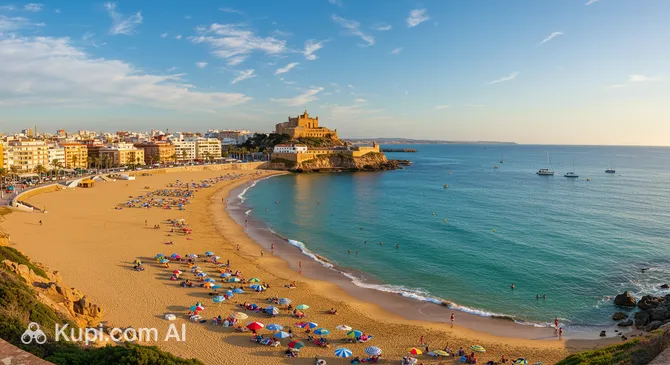
Rota is a picturesque coastal town nestled on the shores of the Atlantic Ocean in the province of Cádiz. This sunny corner, offered to travelers by welcoming Spain, is rightfully considered a gem of the Costa de la Luz. Washed by the waters of the Bay of Cádiz, the town attracts visitors with its mild climate, long stretches of golden sand, and remarkably peaceful atmosphere.

Rota. Illustration.
Source: Kupi.com AI

Despite having a population of around 29,500 people, the town maintains a cozy and unhurried feel. Strolling through the narrow, winding streets among whitewashed houses with flowering balconies, it is easy to immerse yourself in the spirit of old Andalusia. The rich history of Rota has left its mark on the architecture and cultural traditions, blending harmoniously with the modern comforts of resort life.

For tourists, Rota offers the perfect balance between relaxed recreation and active leisure. The main points of attraction are the magnificent beaches, such as La Costilla and El Rompidillo, known for their cleanliness and beauty. Travelers can also explore nature trails and cycling routes or enjoy the local cuisine in cozy restaurants. It is a wonderful destination for those looking to escape the hustle and bustle and experience the authentic culture of the south.

Weather Overview

The climate in Rota is typical for the southern coast of Andalusia: a warm, sunny atmosphere prevails here, softened by the fresh breeze from the Atlantic. Travelers can expect a hot, dry summer and a mild winter, making the town attractive to visit almost year-round.

The warmest time of the year is July and August, when the average temperature rises to 26.5°C, and daytime highs often exceed 30°C. In these months, precipitation is completely absent, ensuring ideal conditions for a beach holiday. Winters here are very comfortable: even in the coldest month, January, the temperature rarely drops below 9°C, staying at an average of 12.5°C.

Precipitation patterns change depending on the season. Expect a sunny summer without rain and wetter transitional periods: for example, in March, the number of days with precipitation can reach 11, although the total volume of rain remains low. To choose the best time for your trip and pack correctly, check the current weather in Rota with a detailed monthly forecast.

Average monthly temperature

Average monthly precipitation

Interesting Facts

In addition to its main attractions, Rota holds many fascinating secrets and traditions that make this town truly special. Here are a few facts to help you better understand the character of this Andalusian corner:

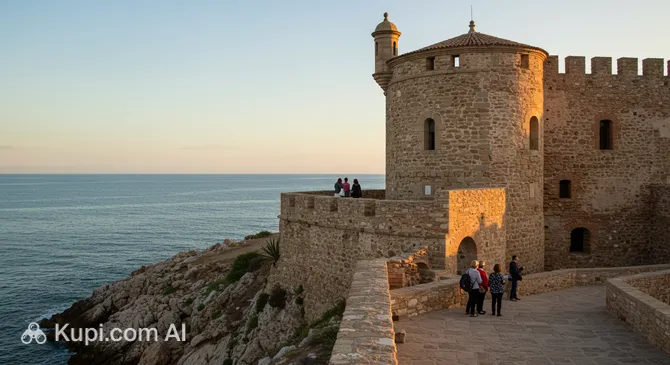
Castle of the Moon. Illustration.
Source: Kupi.com AI

Traveler photos:

  • The heart of the historical center is the 13th-century Luna Castle. Interestingly, this ancient structure, surrounded by legends of knights, has not turned into a frozen museum: today, life bustles within its walls as it houses the town hall and the Tourism Board.

  • On the town's coast, you can see a unique monument of engineering—the "corrales." These are the fish traps of Rota, stone labyrinths that fill with water during high tide. This system was devised by the ancient Romans, and local fishermen still use it today, maintaining a living link with the past.

  • Rota is considered the gastronomic capital of the region thanks to its signature dish, "Urta a la Roteña." This dish, made from a local species of sea bream cooked with vegetables, is so revered that a large-scale festival is held annually in its honor, attracting foodies from all around.

  • The town is famous for its vibrant festivals where religion and folklore intertwine. Holy Week (Semana Santa) and the Feria de la Urbanización are particularly colorful celebrations when the streets fill with music, traditional dances, and solemn processions.

How to Get There

When planning a trip to the Costa de la Luz, it is important to think through the logistics in advance. Although Rota is a small town, its favorable location makes it easy to reach from Andalusia's major transport hubs. You can study more about how to get to Rota on a separate page, but here we will look at the main options for arriving via the nearest airports and stations.

There is no airport in the town of Rota itself, but you can fly into Jerez Airport (IATA: XRY) in the city of Jerez de la Frontera, which is just 30 km from Rota. This is the most convenient option for tourists. The journey from here by taxi or bus takes approximately 65 minutes, allowing you to quickly dive into the holiday atmosphere.

Another popular option is Seville Airport (IATA: SVQ), located in the city of Seville, about 97.5 km from the resort. This is a major international hub receiving many flights. The trip from the airport to Rota will take longer—about 2 hours and 45 minutes by road—but the choice of flights here is significantly wider.

For clarity, here is a summary of the main airports:

AirportPassenger trafficDistance
Jerez Airport948 93630 km
Seville Airport8.1 mln97 km
North Front Airport474 000105 km
Tangier Ibn Battouta Airport2.4 mln107 km
Sania Ramel187 777148 km

If you prefer ground transport, it is worth noting that there is no railway station in Rota itself, but you can arrive at Cádiz Station in the city of Cádiz. It is very close—about 12.2 km from Rota (as the crow flies across the bay or by ferry; the road route can be longer). The estimated travel time from the station to the center of the resort is about 40 minutes, including transfers to local transport.

Another convenient arrival point is the Jerez Railway Station in the city of Jerez de la Frontera, located about 21.8 km from Rota. From there, you can reach Rota by taxi or bus in approximately 50–55 minutes. This is an excellent option for those traveling through Spain by train.

Below is a table with the nearest railway hubs:

StationPassenger trafficDistance
Cádiz Station1.6 mln12 km
Jerez Railway Station1.9 mln22 km
Huelva Station295 00087 km
Santa Justa Railway Station10.1 mln92 km
Puente Genil Railway Station225 243159 km

Main Attractions

Rota is a town where history is harmoniously interwoven with natural beauty. A tour of the local sights will allow you not only to enjoy the architecture but also to feel the unique rhythm of life on this Andalusian coast. Here are a few places that are definitely worth including in your itinerary.

The undisputed symbol of the city is the majestic Luna Castle (Castillo de Luna). This 13th-century fortress, built on the foundations of an old Muslim ribat, impresses with its battlements and five towers. Located in the heart of the old town, the castle now serves as the town hall, but its courtyard with elegant Mudéjar-style arches and painted tiles is open to the public. It is the perfect place to connect with the centuries-old history of the region.

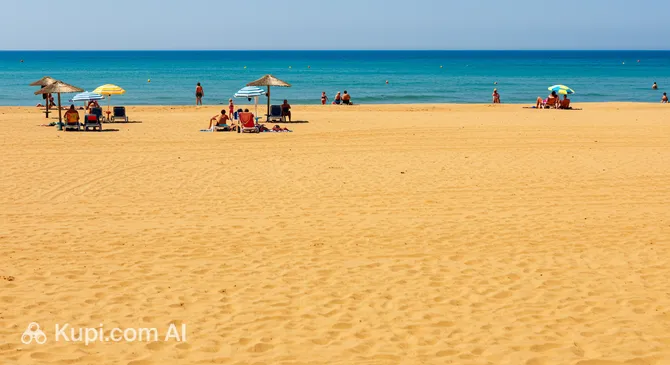
For those looking for the ideal spot to relax by the water, the main destination is Playa de la Costilla. This beach is considered one of the best in Spain, regularly receiving the Blue Flag award for its cleanliness and infrastructure. A wide strip of golden sand stretches along the city promenade, where resort life is concentrated with cafes and shops. Here you can not only swim but also enjoy stunning sunsets.

La Costilla Beach. Illustration.
Source: Kupi.com AI

Traveler photos:

If you want to take a break from the beach crowds and be at one with nature, head to Laguna del Moral Park. This green oasis features wooden bridges over a pond inhabited by ducks and other birds. The park is perfect for family walks, picnics, or outdoor sports. An atmosphere of peace and tranquility reigns here, contrasting with the lively center.

Another unique feature of the coastline is the famous fish traps of Rota (Corrales de Rota). This natural and ethnographic monument is a system of stone walls extending into the sea, which have been used for fishing since Roman times. During low tide, these structures are exposed, creating an incredible landscape where you can walk and observe marine fauna in natural pools.

Local Cuisine

Rota's gastronomic scene is a true paradise for foodies, where the gifts of the Atlantic play the leading role. Local cuisine is based on the freshest seafood, delivered daily to the port by fishermen. On restaurant menus, you will always find excellent shrimp, mussels, and squid, but the true symbol of the town is the urta fish. It is the basis of the region's main culinary treasure.

When you are here, be sure to try the signature dish "Urta a la Roteña". This is succulent fish baked in a clay dish with vegetables (usually peppers, tomatoes, and onions), olive oil, and white wine. The recipe is carefully passed down from generation to generation, and each establishment takes pride in its preparation method. To appreciate the authentic taste of local dishes, it is worth checking out places like the No Ni Na Tavern, where Andalusian culinary traditions are honored.

Dining culture in Rota is not limited to long dinners; the tapas format is very popular here. Locals and tourists alike love spending time in tapas bars, enjoying small snacks: anchovies, marinated octopus, fried squid, and the famous Spanish tortilla. A special atmosphere is created by "chiringuitos"—beach cafes located right by the water. These are the perfect places to have a refreshing cocktail or a glass of wine while admiring the sea sunset.

As for drinks, Rota's wine list deserves separate attention. Preference is given here to dry white wines, which pair perfectly with fish, as well as the famous sherry from the neighboring city of Jerez de la Frontera. Those with a sweet tooth will enjoy desserts with almonds and oranges, as well as fresh pastries that can be found at the bustling central market or in cozy family bakeries.

Travel Tips

A trip to this cozy corner on the shores of the Atlantic Ocean promises to be relaxed and memorable, but even in such a peaceful place, it's worth knowing a few nuances. We've gathered practical tips for you that will help you feel confident and plan the perfect holiday that sunny Spain provides.

  1. Clothing and Essentials: In summer, Rota is hot, so choose clothing made from light, natural fabrics. However, due to the proximity of the ocean, evenings can be cool and windy—be sure to bring a windbreaker or a sweater. Comfortable shoes (sandals or sneakers) are essential for walking through the historic center, and if you plan to explore the nature trails in the dunes, take closed shoes.
  2. Transport: The town is quite compact, and it is most pleasant to get around its center on foot. For trips to neighboring Cádiz, we strongly recommend using the catamaran (ferry) departing from the port. It's not only a fast way to reach the provincial capital (about 30 minutes) but also a scenic sea trip that costs less than a taxi.
  3. Finance: The main currency is the Euro. Bank cards are accepted in most restaurants and supermarkets, but in small beach bars ("chiringuitos") or at the local market, cash may be required. ATMs are available everywhere. Tipping is not a strict obligation, but rounding up the bill or leaving 5–10% for good service is considered a sign of good manners.
  4. Health and Safety: Rota is a safe and quiet town. Pharmacies (Farmacia) are easy to find by the flashing green cross; the schedule for duty pharmacies is usually posted on the door. The main precaution concerns the sun: the Atlantic breeze often masks the heat, so using high SPF sunscreen and wearing a hat is mandatory even in cloudy weather.
  5. Communication: The official language is Spanish. However, due to the proximity to the large naval base, the level of English proficiency among locals and service staff here is noticeably higher than the Andalusian average. Nevertheless, polite words like "Hola" (hello) and "Gracias" (thank you) always bring a smile to locals' faces. A SIM card can be purchased at mobile phone shops or tobacco kiosks (Tabacos).
  6. Local Etiquette: Life here flows at a relaxed pace. Respect the siesta: many small shops close from 2:00 PM to 5:00 PM. When entering a shop, elevator, or cafe, it's customary to greet everyone present. Local residents are very friendly and appreciate politeness and unhurried conversation.
  7. What to Avoid: Don't try to have dinner at the time usual for Northerners (6:00 PM–7:00 PM). Most restaurant kitchens only open for dinner after 8:30 PM or 9:00 PM. Also, avoid swimming in wild sections of the beach when there's a red flag—ocean currents can be unpredictable.
  8. Unique Feature: Rota is famous for its population of chameleons living in the coastal pine forests and dunes. If you see this rare animal during a walk, do not try to catch or touch it—chameleons are under strict protection, and disturbing them is prohibited. Simply observe and take photos.

By following these simple recommendations, you'll be able to quickly blend into the local rhythm of life and avoid typical tourist mistakes. Enjoy Rota's hospitality, delicious food, and the endless ocean!

Entertainment & Nightlife

Nightlife in Rota possesses a special charm that distinguishes it from bustling metropolises. You won't find massive techno clubs operating until dawn here; instead, the town offers many cozy bars, pubs, and terraces where a friendly and relaxed atmosphere prevails. Due to the presence of a large nearby naval base, Rota's night scene has acquired a cosmopolitan touch: you will easily find American-style venues alongside traditional Andalusian wine cellars.

The epicenter of evening entertainment is the historic town center, especially the streets around the castle and the quarters adjacent to the port. As the sun sets, life moves to the promenades, where numerous "chiringuitos" (beach bars) open up. These are the perfect spots to start the evening with a glass of sangria or a cocktail while enjoying the sea breeze. In the summer season, the nightlife here buzzes until early morning, while in winter, it becomes more intimate and centered in the indoor bars of the center.

If you are looking for a place with a pleasant atmosphere for evening relaxation, it is worth stopping by the Bar of the La Espadiña Apart-hotel. This establishment is great for having a drink with friends or family after a busy day. It often draws a mixed crowd of both tourists and locals, creating a lively and casual environment.

For those who prefer a quieter start to the evening or are looking for daytime entertainment, the town offers excellent green spaces. A great example is El Mayeto Park. Although this place is more associated with daytime leisure and picnics, it is pleasant to stroll here before dinner on summer evenings, enjoying the cool air and well-kept paths. During the day, you can see local residents relaxing with their families, allowing you to immerse yourself in the authentic rhythm of the town's life.

When planning a night out, keep the Spanish schedule in mind. Dinner here starts late, around 9:30 PM–10:00 PM, and bars fill up closer to midnight. The dress code in most venues is casual: "smart casual" style will be appropriate everywhere. Prices in Rota are quite affordable: a glass of beer or wine will cost around 2–3 euros, and cocktails in bars cost an average of 6–9 euros.

In terms of safety, Rota is one of the quietest towns in the region. You can safely walk through the well-lit streets of the center and along the promenade even late at night. If your hotel is far from the entertainment center, it is best to use a taxi. Official cars are white with a blue stripe on the front doors; they can be found at designated stands or called by phone from any bar.

In addition to bars, the town's cultural life is rich with daytime events. Rota regularly hosts gastronomic fairs and open-air festivals. Art lovers should keep an eye on the schedule of the local municipal auditorium, which hosts concerts and theatrical performances that often reflect the rich folklore of Andalusia.

Parks & Museums

Rota offers its guests a harmonious combination of natural beauty and cultural heritage, where green oases sit alongside historical monuments. The town carefully preserves its traditions, inviting tourists to stroll through picturesque parks and visit museums that tell the story of this Andalusian corner's rich past.

Among the green zones, Laguna del Moral Park holds a special place. This is a true nature reserve within the town limits, perfect for those who want to take a break from the beach sun. The park is famous for its pond, where you can watch ducks and other waterfowl in their natural habitat. Well-kept paths, wooden bridges, and picnic areas make it a favorite spot for family walks and morning runs.

Another unique space is El Mayeto Park. This is not just a garden, but an open-air ethnographic complex dedicated to the traditional agriculture of the region—"mayetería." Here, the life of local farmers is recreated: you will see traditional huts (barracas), vegetable gardens, and pens with domestic animals, including donkeys and goats. Visiting this park allows for a deeper understanding of Rota's agrarian roots and shows children how the ancestors of modern townspeople lived.

It is also worth mentioning the Celestino Mutis Botanical Garden (Jardín Botánico Celestino Mutis), located near the town. Although it is a bit out of the way, its rich collection of flora from around the world and shady avenues are well worth the attention of botany lovers.

The cultural life of the town is centered around historical buildings, many of which are museum pieces themselves. The main one remains Luna Castle. In addition to its architectural value, the castle is interesting for its interior decoration: its Mudéjar-style patio with painted tiles and graceful columns is a true work of art. Temporary exhibitions detailing the history of the town and region are often held within the fortress walls.

For connoisseurs of art and history, the Ruiz-Mateos Municipal Museum (Museo Ruiz-Mateos) is of interest. Its halls house a collection of objects related to the town's history, and it also hosts art exhibitions. Another important site is the 16th-century Church of Nuestra Señora de la O (Iglesia de Nuestra Señora de la O). Its interior, combining Gothic, Renaissance, and Baroque elements, impresses with its grandeur and sacred atmosphere.

If you want to learn more about maritime traditions, look out for the Coastal Interpretation Center, which often organizes excursions to such natural monuments as the fish traps of Rota. This allows you not only to see the ancient stone structures but also to understand the principle of their operation, devised back in Roman times.

Insider Tip: Be sure to walk along the wooden boardwalks in the pine forests of Pinares de Rota. This is a unique ecosystem of dunes and forest where, if you are lucky and quiet, you can encounter the symbol of local fauna—the common chameleon, which is under strict protection here.

Getting Around

Rota is a compact town and very convenient for walking, so public transport here plays a supporting role. Due to its small size and historical layout, there are no subways, trams, or trolleybuses. The backbone of the urban transport network consists of buses that connect the historic center with new districts, the port, and the popular Costa Ballena resort complex.

City bus routes (Líneas Urbanas) run regularly, but their schedules may change depending on the season: in summer, there are more trips to serve the flow of tourists. The buses are modern and equipped with air conditioning, which is especially important during hot Andalusian days. The most popular route among travelers connects the center of Rota with the beaches and hotels of the Costa Ballena zone; the trip takes about 15–20 minutes.

A unique feature of Rota's transport system is the sea connection. A high-speed catamaran departing from the town port links Rota with the city of Cádiz. This is not just a way to get around, but a real boat trip across the bay that takes about 30–35 minutes. The catamaran is part of the bay's unified transport system, so the same fares and passes apply to it as to intercity buses.

The fare payment system is simple and clear. You can purchase a single ticket (billete sencillo) directly from the bus driver or at the ticket office of the catamaran terminal. However, if you plan to move around town frequently or visit neighboring Cádiz and El Puerto de Santa María, it is more profitable to purchase a consortium transport card (Tarjeta de Transporte). This is a green, rechargeable card that offers a significant discount on fares. You can buy and top it up at tobacco shops (Estancos) or at stations.

To validate your fare when entering the bus, simply tap the card against the reader near the driver. On the catamaran, turnstiles are installed at the boarding entrance. It's important to remember that bus drivers accept cash, but as a rule, they may not accept bills larger than 20 euros, so try to have change with you.

As an alternative to public transport, taxi services are widely developed in Rota. Official cars are white with a diagonal blue stripe on the front doors. Taxis operate on a meter, and they can be found at designated stands (paradas) in the center, near the port, and close to major hotels, or called by phone. Trips around town are inexpensive and fixed by rates that are usually posted inside the vehicle.

For lovers of active leisure, a bicycle is an excellent option. Rota is famous for its network of bike paths, which run not only along the promenades but also through the pine forests all the way to Costa Ballena. There are several bike rental points in town where you can rent both standard city bikes and electric ones. This is an eco-friendly and pleasant way to explore the coast at your own pace.

Accommodation

The choice of accommodation in Rota can satisfy the needs of all kinds of travelers: from fans of luxury resorts to those who prefer comfort and a homey atmosphere. The town's hotel infrastructure is well-developed; however, keep in mind that Spain is extremely popular in summer, so it is better to book rooms for July and August several months in advance.

For those who want to be in the center of the action and feel the rhythm of the city, the historic center is the ideal option. Here, among narrow cobbled streets, you'll find small boutique hotels and traditional guest houses. Staying in this area will put you within walking distance of major attractions, such as Luna Castle, and allow you to enjoy evening strolls through ancient quarters without spending time on transport.

If the main goal of your visit is the sea, look for first-line hotels along the promenade. Many offer rooms with magnificent views of the Atlantic Ocean and direct access to the popular Playa de la Costilla. This is an excellent choice for those who value comfort and proximity to the beach infrastructure with its cafes and shops.

Special mention should be made of the Costa Ballena district, located a few kilometers from the town center. This is a modern tourist zone created specifically for quiet family and upscale recreation. Large hotel complexes with extensive grounds, swimming pools, spa centers, and famous golf courses are concentrated here. Costa Ballena is an oasis of comfort surrounded by parks and dunes.

In addition to classic hotels, Rota has a wide selection of tourist apartments, which are in high demand among groups of friends and families with children. You can also find well-equipped campsites in the town's surroundings for those who love outdoor recreation. Whether you choose a posh room or a modest apartment, the hospitality of the locals will make your stay unforgettable.

Nearby Cities

For those who want to explore the surroundings, Rota serves as an excellent starting point for day trips to several interesting nearby locations. The town's advantageous location in the Bay of Cádiz allows you to quickly reach true gems of Andalusia, each with its own unique character.

Just a few kilometers away (and a pleasant boat ride by ferry) is Cádiz—one of the oldest continuously inhabited cities in Western Europe. It charms travelers with its narrow cobbled streets, a majestic cathedral with a golden dome visible from afar, and a stunning promenade reminiscent of Havana's Malecón. It is the perfect place to immerse yourself in history and enjoy fresh seafood at the central market.

Wine and tradition lovers should visit Jerez de la Frontera, located slightly inland. This aristocratic city is world-famous as the birthplace of sherry, the cradle of flamenco, and the center for breeding Carthusian horses. Here you can visit famous bodegas (wineries), watch a thrilling horse show at the Royal School of Equestrian Art, or simply wander through atmospheric squares.

Another wonderful neighbor is El Puerto de Santa María, known as the "City of a Hundred Palaces." It is famous for its golden beaches, the San Marcos Castle, and the fact that it was from here that Christopher Columbus recruited the crew for one of his voyages. The city is also part of the famous "Sherry Triangle" and offers excellent gastronomy.

CityPopulationDistance
El Puerto de Santa María89 43512 km
Cadiz114 24413 km
Chipiona19 59214 km
Sanlúcar de Barrameda69 72716 km
Puerto Real41 96319 km

These nearby destinations provide a glimpse into the diverse culture and landscapes of the region, making your holiday in Rota even more fulfilling and exciting.

Shopping & Souvenirs

Shopping in Rota is a relaxed and pleasant activity that perfectly complements a beach holiday. The town does not claim to be a fashion capital, so you won't find the hustle and bustle of giant metropolises here. Instead, Rota offers the charm of small family boutiques, shops with local handicrafts, and gastronomic stores where the quality of products comes first.

The heart of the town's commercial life is the historic center. The main shopping artery is the pedestrian street Calle Charco and the adjacent Calle Higuereta. A multitude of clothing, footwear, accessory, and souvenir shops are concentrated here. Strolling through these streets is a special pleasure: you can leisurely move from one shop to another, taking coffee breaks at local cafes. In the summer season, lively trade also takes place on the promenade along Playa de la Costilla, where you can buy everything you need for a seaside vacation.

If you are interested in major chain brands and large shopping centers, the choice within Rota itself is limited to small commercial galleries. For a full day of serious shopping, locals and tourists usually head to neighboring cities. Just a 20–30 minute drive away are large malls such as "El Paseo" in El Puerto de Santa María or the huge "Area Sur" complex in Jerez de la Frontera, where all popular world brands are represented.

Local markets, reflecting the flavor of Andalusia, deserve special attention. Be sure to visit the Central Market (Mercado de Abastos), located in a former convent building. Here you can buy the freshest seafood, fruits, and vegetables grown on local "mayeto" farms. The weekly street market (mercadillo), which usually takes place on Wednesdays, is also popular. It is a great place to find inexpensive clothing, textiles, ceramics, and colorful trinkets at very attractive prices.

As souvenirs from Rota, it is worth bringing back something authentic. The main gastronomic symbol is the unique sweet wine Tintilla de Rota, produced only in this region. A bottle of this drink makes an excellent gift. Leather goods, traditional Spanish ceramics, and local delicacies such as olive oil, cheeses, and high-quality canned fish are also popular.

When planning a shopping trip, remember the traditional siesta. Most private shops are open from 10:00 AM to 1:30 PM or 2:00 PM and then close for a break until 5:00 PM or 5:30 PM. In the evening, trade continues until 8:30 PM or 9:00 PM, and in summer, shops in tourist areas may stay open even longer. Bank cards are accepted almost everywhere, but for purchases at the market or in small kiosks, it's better to have some euro cash on hand.

Tourists residing permanently outside the European Union can take advantage of the Tax Free system (VAT refund) when purchasing goods for a certain amount in stores supporting this service. Look for the "Tax Free" sticker in windows or ask sellers about the possibility of issuing a DIVA form for a subsequent tax refund at the departure airport.
Reached the end of the page?

That means the route is fully explored