Support

Tay Ho Temple

About

Tay Ho Temple is one of the iconic spiritual landmarks located in the vibrant city of Hanoi, the capital of Vietnam. This temple, whose name is closely associated with the scenic West Lake (Tay Ho), attracts both locals and tourists with its peaceful atmosphere and cultural significance.
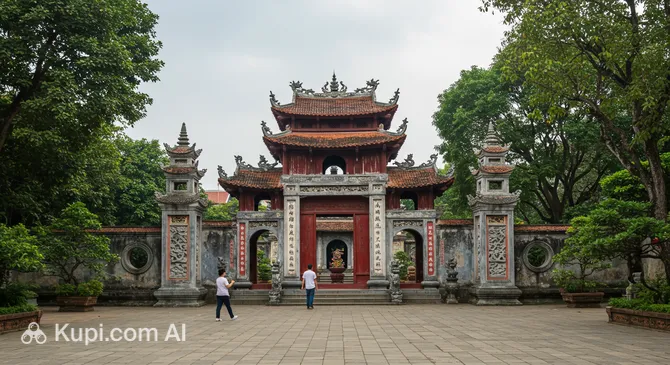
Tay Ho Temple. Illustration.
Source: Kupi.com AI

Traveler photos:

Although the exact details of its founding may be shrouded in legend, Tay Ho Temple is traditionally revered as an important place for prayer and worship. Often, such temples in Vietnam are dedicated to local deities, spirits, or historical figures who played a significant role in the region's history. Visitors can appreciate the traditional Vietnamese architecture, intricate carvings, and vibrant decorations characteristic of such shrines.

A visit to Tay Ho Temple offers a unique opportunity to touch the spiritual life of Hanoi and enjoy a moment of calm away from the city's hustle and bustle. This site is ideal for those interested in the culture, history, and religion of Vietnam, as well as for those simply looking for a beautiful and soulful place for reflection.

Contacts

Since Tay Ho Temple is a popular destination, it is best to check the latest information regarding opening hours and contact details on the official Hanoi tourism portals or directly on-site. Generally, temples in Vietnam are open to visitors during daylight hours and can be reached by public transport or taxi within the city.

How to contactContact
Address52 P. Đặng Thai Mai, Quảng An, Tây Hồ, Hà Nội, Vietnam

What to Do

Upon arriving at Tay Ho Temple, visitors immediately sense a special atmosphere of tranquility that contrasts with the busy life of Hanoi. This is a place where you can slow down and immerse yourself in contemplation. A walk through the temple grounds allows you to enjoy the silence and the beauty of traditional Vietnamese sacred architecture, feeling the spirit of antiquity and peace.

Inside and outside the temple, numerous details catch the eye: intricate wood carvings, bright ceramic roof decorations, and statues of deities and mythical creatures, each carrying its own sacred meaning. Visitors can carefully observe the altars, richly decorated with offerings such as flowers, fruits, and incense. The aroma of the incense, blending with the silence, creates a unique meditative mood.

Visitors to Tay Ho Temple can observe locals coming here to pray and perform traditional rituals. This is a unique opportunity to experience the living spiritual traditions of Vietnam and better understand the country's culture. It is important to show respect to worshippers and the shrines by remaining quiet and taking photos carefully, where permitted. Many find this a place for quiet reflection and finding inner balance.

In addition to exploring the temple complex itself, it is worth noting its picturesque location, especially its connection to West Lake (Tay Ho) mentioned in its name. A walk around the area or simply gazing at the water from the temple grounds can be a wonderful addition to your visit, allowing you to deeper feel the harmony of this place and its significance for the residents of Hanoi.

Getting There

Tay Ho Temple is located within the city of Hanoi, making it easily accessible for tourists staying in the capital of Vietnam. It is situated on a peninsula by the scenic West Lake (Ho Tay), which serves as an excellent landmark for travelers.

One of the most convenient and fastest ways to reach Tay Ho Temple is by taxi or the motorcycle taxis popular in Hanoi (known as "xe om"). A trip from central tourist areas, such as the Old Quarter or the Hoan Kiem Lake (Lake of the Restored Sword) district, usually takes 20 to 40 minutes, depending on traffic. It is recommended to use ride-hailing apps or agree on a price in advance if using street taxis.

For a more budget-friendly option, consider public transport. Hanoi has an extensive network of bus routes, and some pass near the Tay Ho area. You will need to find a bus heading in the right direction. Information on routes and bus numbers can be checked using online maps, public transport mobile apps, or by asking your hotel staff for assistance. This method may take a bit more time but will save you money.

If you are staying near West Lake or prefer active recreation, a walk or a ride on a rented bicycle to Tay Ho Temple can be a pleasant addition to your day. This provides an opportunity not only to visit the shrine itself but also to enjoy the beautiful views of one of Hanoi's largest freshwater lakes and its surroundings.

Nearest city: Hanoi

History & Facts

The history of Tay Ho Temple dates back centuries, though the exact date of its founding, as is often the case with ancient shrines, is shrouded in legend. Located on a picturesque peninsula of West Lake (Ho Tay), the temple is inextricably linked to Hanoi's largest freshwater lake. It is believed that its location is no coincidence: in Vietnamese culture, water often symbolizes life and purity, and such places have been considered sacred and energetically powerful for generations, attracting worshippers for centuries.

One of the key figures revered at Tay Ho Temple is the Mother Goddess Lieu Hanh (Mẫu Liễu Hạnh), one of the Four Immortals in the pantheon of Vietnamese deities. Legends tell of her earthly incarnations, her kind deeds, and her patronage of women and poets. The main altar of the temple is dedicated to her, and people come to offer prayers for prosperity, health, and good fortune. This makes the temple an especially important center for the Mother Goddess cult, which plays a significant role in the spiritual life of the Vietnamese people.

Tay Ho Temple is particularly lively on certain days of the lunar calendar, specifically on the first and fifteenth days of each lunar month, as well as during the Tet (Vietnamese New Year) celebrations. During these periods, thousands of pilgrims and visitors flock here to offer prayers, make offerings, and ask for blessings for the coming period. The atmosphere is filled with the scent of incense, the sounds of prayers, and a festive mood, providing a unique opportunity to observe living traditions.

Beyond its spiritual significance, Tay Ho Temple is also interesting for its architecture, which reflects traditional Vietnamese temple-building canons. Intricate wood carvings, ceramic decorations on the roofs, and its harmonious integration into the surrounding landscape create a unique ensemble. The temple is not just a place of worship, but also an important cultural site that preserves a piece of Hanoi's history and soul, attracting those who seek a deeper understanding of Vietnam's unique heritage.

Time Needed

To fully enjoy the atmosphere and explore Tay Ho Temple, most visitors usually need 1 to 2 hours. This time is generally sufficient to leisurely stroll through the temple complex, carefully examine the architectural details, look into the main shrines, and soak in the tranquility of this iconic spot in Hanoi.

If you plan a deeper immersion into the culture and spiritual life of Vietnam—for example, if you want to observe local rituals (especially if your visit coincides with lunar calendar holidays), take thoughtful photographs, or simply spend more time in the meditative setting of West Lake—you should set aside a bit more time. In such cases, a visit may take up to half a day, especially if you wish to combine it with a relaxed walk along the scenic shores of West Lake to enjoy the views.

Working Hours

The exact opening hours of Tay Ho Temple may vary, especially depending on the day of the week or the occurrence of special ceremonies and holidays based on the lunar calendar. Generally, temples in Vietnam are open to visitors throughout daylight hours, typically from early morning until evening, and are accessible year-round. However, to get the most up-to-date information on opening hours—especially if you are planning a visit on a specific day—it is recommended to check the official Hanoi tourism resources, look for information boards at the temple itself, or ask local residents.

Usually, no prior booking or registration is required to visit such temples, and entry is often free or available for a symbolic donation. Nevertheless, on major religious holidays or festivals, Tay Ho Temple can become very crowded. If you wish to avoid large crowds, it is better to choose weekdays and morning hours for your visit. It is always helpful to verify current visiting conditions shortly before your trip.

5:00 – 18:00

Nearby

A visit to Tay Ho Temple is undoubtedly a highlight, but exploring its surroundings can significantly enrich your experience of Hanoi. Often, it is the nearby sites—whether other temples, parks, or cultural centers—that help build a more complete picture of the city's life and history, revealing its many facets.

By exploring the areas around Tay Ho Temple, you will not only expand your itinerary but also gain the opportunity to dive deeper into the atmosphere of Vietnam. Short walks or quick trips to neighboring attractions will allow you to see more than just a single monument and feel the rhythm of this amazing city.

NameDistance
VNAHOMES Aparthotel1 km
VNAHOMES Serviced Apartments1 km
West Lake Water Park2 km
World Aquarium Hanoi2.4 km
Ho Chi Minh Mausoleum2.5 km
Vietnam Museum of Ethnology2.7 km
Imperial Citadel of Thang Long3.1 km

Have you reached the end of the page?

So the route has been studied inside and out