Support

Mong Cai

About

Mong Cai is a true gateway to Vietnam, located in the far northeast of the country on the border with China. The city occupies a strategically important position where the Ka Long River flows into the South China Sea. This unique location makes Mong Cai not only a vital transport and economic hub but also a dynamically developing tourist center that attracts visitors with its distinctive character.
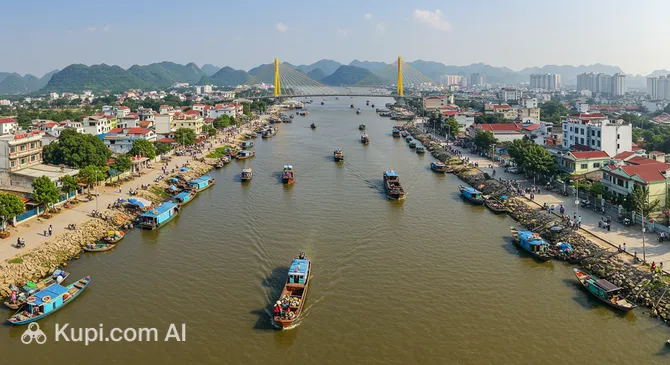
Mong Cai. Illustration.
Source: Kupi.com AI

With a population of about 125,000 people, Mong Cai wonderfully combines the coziness of a provincial town with the energy of a major administrative center. All conditions for a comfortable stay for tourists have been created here: the city has more than 200 lodging options, including hotels of various categories, from budget to luxury five-star establishments. A developed infrastructure and attention to service quality ensure guests a pleasant and safe holiday.

The atmosphere of Mong Cai is a harmonious symbiosis of tradition and modernity. During the day, the city is filled with light, the aromas of street food, and the lively noise of local markets where you can find unique goods and souvenirs. In the evening, Mong Cai is transformed, offering guests strolls along the picturesque pedestrian streets following the Ka Long and Sa Vi rivers. These embankments become a center of attraction for everyone who wants to feel the true rhythm of a Vietnamese city and enjoy the evening cool. The immediate proximity to the border also gives the city a special flavor, reflected in its culture and trade.

Mong Cai is a place where you can simultaneously enjoy the sea and picturesque beaches, get in touch with the surrounding wilderness, immerse yourself in local culture, and, of course, try the diverse flavors of Vietnam. If you are looking for an authentic experience and want to see a unique corner of the country, Mong Cai definitely deserves your attention and will be a bright discovery in your journey.

You can find more interesting facts on the page about the history of Mong Cai
Weather Overview

The weather in Mong Cai is characterized by a warm and humid climate. Summer, especially from May to September, is hot, with average temperatures ranging from 26.1°C to 28.0°C and significant rainfall. For example, in August, an average of 13 mm of precipitation falls, with about 28 rainy days. Winter, from December to February, is cooler and drier, with average temperatures around 14.4°C - 15.9°C and minimal precipitation (1-2 mm).

Overall, expect a hot and humid summer with frequent rain, especially in August, and cooler, drier winters. Spring and autumn are transitional seasons with moderate temperatures and rainfall. To find out more details about the weather in different months, you can view detailed information about the climate in Mong Cai.

Average monthly temperature

Average monthly precipitation

Interesting Facts

Beyond its bustling markets and border location, Mong Cai holds many surprising details and cultural features that make it truly unique. Here are just a few interesting facts about this city:

Bien Bac Hotel. Illustration.
Source: Kupi.com AI

Traveler photos:

  • Mong Cai is home to Sa Vi Cape (Mũi Sa Vĩ) – the northeasternmost point of mainland Vietnam. It is not just a geographical landmark, but a symbolic "beginning" of the country, marked by the "Zero Kilometer" stele, where travelers love to take photos.

  • The city offers unusual nighttime entertainment, such as the chance to ride a special tram through the illuminated streets. Additionally, pedestrian zones come alive in the evenings thanks to street musicians and performances.

  • Mong Cai is often called the "city of two cultures" because of the close intertwining of Vietnamese and Chinese traditions. This is evident in everything from the architecture and local cuisine to festivals and even the languages spoken by residents.

  • Colorful festivals dedicated to the sea, ancient fishing customs, and national holidays are regularly held in Mong Cai. These events attract guests from all over Vietnam and provide a chance to dive deeper into local folklore.

How to Get There

Getting to the city of Mong Cai, located on the border with China in Quang Ninh Province, is possible in several ways, with flying to the nearest airports being one of the most convenient options for international and long-distance travelers.

Although Mong Cai itself does not have its own airport, several air hubs are located in relative proximity. The nearest Vietnamese airport is Van Don (VDO), located in the district of the same name about 74 km from Mong Cai. This is a modern international airport serving Quang Ninh Province. A trip from Van Don airport to Mong Cai by taxi or bus takes approximately 1.5-2 hours.

Another option could be Nanning Airport (NNG), which is located in the Chinese city of Nanning, about 122 km from Mong Cai. This is a major international airport with a wide choice of flights. When traveling this route, it is necessary to account for the time needed to cross the state border. You should also consider Noi Bai International Airport (HAN) in Hanoi, the capital of Vietnam. It is located at a significant distance, about 227 km, but is the country's main aviation hub. The journey from Hanoi to Mong Cai by bus or car usually takes about 4-5 hours, depending on the chosen transport and road conditions.

For convenience, here is summary information on the main airports from which you can reach Mong Cai:

AirportPassenger trafficDistance
Van Don260 00074 km
Nanning Airport13.7 mln122 km
Beihai Fucheng Airport2.1 mln137 km
Cat Bi International Airport2.7 mln151 km
Noi Bai International Airport32.5 mln227 km

There is no direct rail link to Mong Cai, as the city lacks its own railway station. Travelers who prefer trains can reach the nearest major railway hubs and then continue their journey to Mong Cai by land transport.

One such station is Beihai Railway Station, located in the Chinese city of Beihai, about 120 km from Mong Cai. This is a fairly busy station. To travel from Beihai to Mong Cai, you will need to cross the border and take a bus or taxi.

Information on the nearest railway station:

StationPassenger trafficDistance
Beihai Railway Station4 mln120 km

In addition, Mong Cai has a well-developed bus network connecting it with major Vietnamese cities such as Hanoi and Hai Phong. The city is also an important international road border crossing between Vietnam and China, making it accessible for travelers by car or bus from both countries.

Main Attractions

Mong Cai, a dynamic border city in Vietnam, offers travelers several interesting spots for a comfortable stay and an introduction to local life. While the list of iconic landmarks here may not be as extensive as in major tourist hubs, the city has its own attractive sides.

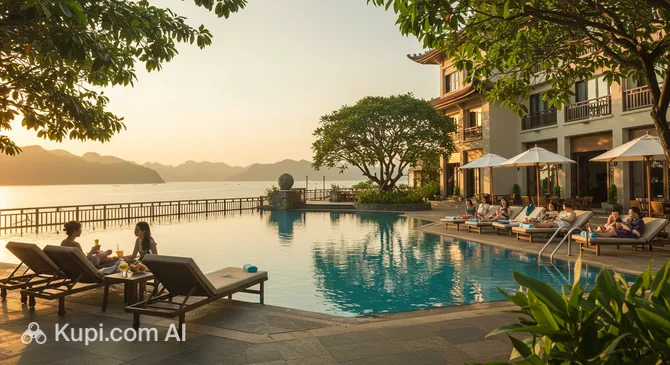
Among the establishments worth noting is the Bien Bac Hotel. As a resort hotel, it attracts guests looking for comfortable accommodation and quality service. Here, tourists can count on cozy rooms and associated amenities, making it a good starting point for exploring the city and relaxing after a busy day.

Bien Bac Hotel. Illustration.
Source: Kupi.com AI

Traveler photos:

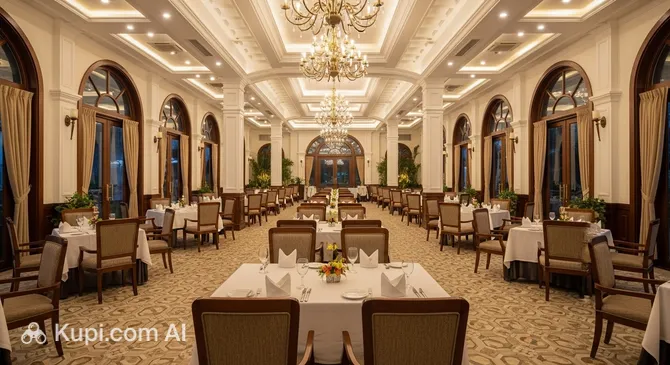
For those who value convenience and quality dining, the Grand Mong Cai Hotel Restaurant is an excellent choice. Located within the hotel, this restaurant offers visitors a variety of dishes in a pleasant atmosphere, which is particularly convenient for hotel guests and those who want a delicious meal without a long search.

Grand Mong Cai Hotel Restaurant. Illustration.
Source: Kupi.com AI

Traveler photos:

Beyond these specific places, Mong Cai attracts visitors with its overall atmosphere and broader opportunities to explore the region. Of particular interest to many tourists are the bustling local markets, where you can find a wide range of goods and immerse yourself in authentic trading activities. It is also worth mentioning the Ka Long River, which serves as a natural border and along which you can walk, observing daily life and feeling the unique flavor of a border town. Many travelers come here specifically for shopping and the chance to feel the pulse of cross-border trade.

Local Cuisine

The gastronomic world of Mong Cai is, first and foremost, a kingdom of the freshest seafood, which comes to the tables straight from the coastal waters. The culinary hallmarks of the city are dishes made from shrimp, squid, mussels, crab, and various types of fish. Particularly popular are aromatic grilled seafood or BBQ-style dishes prepared right on the beach – an unforgettable experience for any gourmet.

Street food in Mong Cai is a vibrant chapter of the culinary journey. With the arrival of evening, tourist streets turn into real gastronomic bazaars where you can try crispy pancakes with various fillings, traditional rice cakes, hearty pho and bun soups, as well as an abundance of fried marine delicacies. Don't forget the fresh tropical fruits and refreshing drinks that will complement your meal.

As for drinks in Mong Cai, it's worth trying the local beer, refreshing sugar cane juice, or traditional Vietnamese coffee. Locals and tourists often choose both lively street cafes and more respectable establishments for dinner. For example, you can stop by the Grand Mong Cai Hotel Restaurant to enjoy quality dishes in a comfortable setting. Sometimes the city hosts gastronomic festivals where you can get acquainted with the best examples of local cuisine and even participate in culinary workshops.

Grand Mong Cai Hotel Restaurant. Illustration.
Source: Kupi.com AI

Traveler photos:

Travel Tips

Planning a trip to the lively border city of Mong Cai? To ensure your journey goes smoothly and leaves only pleasant impressions, we have prepared some practical tips. They will help you better navigate on-site and enjoy every moment of your stay in this interesting corner of Vietnam.

  1. Clothing and Essentials: Mong Cai has a tropical monsoon climate, so choose light, breathable clothing made from natural fabrics. During the rainy season (usually from May to October), don't forget an umbrella or raincoat. Comfortable shoes are your best friend for walks around the city and markets. Sunscreen, a hat, and insect repellent will also come in handy. If you plan to visit temples, have clothing with you that covers your shoulders and knees.

  2. City Transport: It is convenient to get around Mong Cai by taxi or moto-taxi (xe om), which are easy to find. It is better to agree on the price of a moto-taxi ride in advance. Public buses also run, but they may be less convenient for tourists unfamiliar with the routes. Motorbike rental is possible but requires experience driving in Asian traffic conditions and the appropriate license. Walking is perfect for exploring central areas.

  3. Finances: The local currency is the Vietnamese Dong (VND). You can exchange currency at banks or official exchange offices; avoid street money changers. Credit cards are accepted in major hotels and some shops, but cash remains the primary means of payment, especially in markets and small establishments. There are ATMs in the city. Tipping is not strictly mandatory but is always welcomed for good service (5-10% of the bill).

  4. Health and Safety: There are pharmacies in Mong Cai where you can purchase over-the-counter medications. In case of serious health issues, contact a local hospital or consult with your hotel staff. It is recommended to drink bottled water. Observe general precautions: keep an eye on your belongings, especially in crowded places, and avoid walking in poorly lit areas after dark.

  5. Communication: The official language is Vietnamese. In tourist areas, hotels, and some restaurants, staff may speak English or Chinese. Learn a few basic phrases in Vietnamese, such as "xin chào" (hello) and "cảm ơn" (thank you) – this is always appreciated by locals. A local SIM card with internet access can be purchased upon arrival. Wi-Fi is available in most hotels, cafes, and restaurants.

  6. Local Etiquette: Vietnamese people are hospitable and friendly. When greeting, you can give a slight nod or smile. Avoid excessive displays of emotion in public. It is customary to remove your shoes when entering a private home or a temple. When photographing locals, always ask for permission, especially if it is a portrait shot.

  7. What to Avoid: You should not point at people or sacred objects with your feet, as feet are considered an unclean part of the body. Also, avoid touching another person's head, including children, as the head is considered sacred. Loud arguments or public criticism may be perceived negatively.

  8. Insider Tip: Mong Cai is a major trading hub on the border with China. Be sure to visit local markets, such as the Mong Cai Market (Chợ Móng Cái) or the border market, where you can find a multitude of goods, from clothing and electronics to local delicacies. This is a great opportunity to observe bustling cross-border trade and purchase unique souvenirs.

We hope these tips help you feel more confident and get the most enjoyment out of your trip to Mong Cai. We wish you unforgettable impressions and bright discoveries in this colorful Vietnamese city!

Entertainment & Nightlife

Mong Cai, a lively border city, offers its guests a variety of options for evening and nighttime relaxation. While it may not have the same abundance of mega-clubs as Hanoi or Ho Chi Minh City, the city possesses its own unique atmosphere, especially after sunset when the daytime bustle subsides.

The main evening life in Mong Cai is concentrated along central streets, such as Tran Phu Street (Trần Phú), as well as in the busy areas around the Mong Cai Central Market (Chợ Trung tâm Móng Cái) and the Ka Long River embankment. Here, you will find many local restaurants and street cafes offering authentic Vietnamese and Chinese cuisine. In the evening, these areas fill with locals and tourists, creating a lively but not rowdy atmosphere. For a more refined dinner, you can visit the Grand Mong Cai Hotel Restaurant, known for its quality cuisine and comfortable setting. Many establishments stay open until late evening.

As for bars and more dynamic entertainment, the nightlife in Mong Cai has its own specifics. The city is not famous for large Western-style nightclubs. Instead, you will find a number of small local bars and pubs scattered across the commercial districts, especially near hotels and shopping centers. Some hotels, such as the Bien Bac Hotel, may offer their own bars or lounge areas with a relaxing atmosphere. However, the dominant form of evening leisure is karaoke bars. These are extremely popular among both locals of all ages and visitors, offering a fun way to spend time in company. The crowd in such venues is usually mixed and welcoming.

When planning an evening out in Mong Cai, keep a few practical points in mind. Things become most lively after 8:00 PM, when the daytime heat fades. Prices in most establishments are quite moderate, especially compared to Vietnam's major tourist centers. For moving around after dark, a taxi is the most convenient and safe option; it is recommended to ensure the driver turns on the meter or to agree on the fare in advance. In general, Mong Cai is considered a safe city, but as with anywhere, it's best to stick to well-lit and crowded streets at night, avoiding solo walks in deserted areas.

During the day in Mong Cai, you can also find activities to suit your taste. Take a stroll through the colorful local markets, explore the Ka Long River embankment, or relax in one of the city parks. While the city may not boast an abundance of world-famous museums or theaters, its appeal lies in the authentic atmosphere of border life and the opportunity to observe the daily lifestyle of the local residents.

Parks & Museums

Mong Cai, located on the border with China and near the coast of the Gulf of Tonkin, offers travelers not only the lively atmosphere of a border city but also the opportunity to enjoy natural beauty and get acquainted with local culture. Here you can find well-kept green areas for relaxation as well as sites that preserve the history of the region.

Among the green oases and natural attractions of Mong Cai, Ka Long Park (Công viên Ka Long) stands out. This city park is a popular place for walks and relaxation for both locals and tourists, offering a pleasant atmosphere to escape the urban bustle. For those seeking a beach holiday, Tra Co Beach (Bãi biển Trà Cổ) is a must-visit. Considered one of the longest and most beautiful beaches in Vietnam, it attracts visitors with its pristine beauty, fine sand, and gentle entrance to the sea. Not far from the beach is Sa Vi Cape (Mũi Sa Vĩ), the easternmost point of mainland Vietnam, which offers breathtaking views and where you can witness impressive sunrises.

While Mong Cai may not have large museums in the classical sense, the city's cultural and historical heritage is vividly represented in its architectural monuments. One such significant site is the Tra Co Communal House (Đình Trà Cổ). This ancient structure with characteristic Vietnamese architecture is not only a venue for traditional festivals but also serves as a kind of guardian of the region's history and culture. Visiting such places allows for a deeper understanding of the traditions and daily life of the locals. You should also pay attention to the architecture of the old quarters and religious buildings, which tell the story of the city's multifaceted history.

For a more authentic experience, take a stroll along the Ka Long River embankment, which separates Vietnam and China, or visit the bustling Mong Cai Central Market. Here, you can find a variety of goods while observing the city's daily life, feeling its energy, and perhaps discovering something unique not mentioned in standard guidebooks.

Getting Around

Navigating Mong Cai is quite simple, thanks to the city's compact size and several available modes of transport. Public transport here is primarily represented by buses, but other methods of getting around are also popular.

The main form of public transport in Mong Cai is city and suburban buses. They connect different districts of the city and can also take you to nearby settlements. It's best to check routes and schedules on the spot as they can change. Fares are usually paid in cash to the conductor or driver upon boarding. The cost of travel is generally low.

Taxis are widespread. This is a convenient way to get around, especially if you are traveling with luggage or in a small group. It is recommended to use the services of official taxi companies and ensure the driver turns on the meter, or agree on the fare in advance, especially for long distances. In Mong Cai, as in many Vietnamese cities, mobile taxi-hailing apps may be available, which simplifies the process and makes the price more predictable.

Another popular and authentic way to get around is the moto-taxi (xe om). This is a fast and maneuverable option for short trips, especially in heavy traffic. The cost of a moto-taxi ride is always negotiated in advance, before boarding. Don't hesitate to bargain; it is a common practice.

Practical tips for tourists:

  • Always carry small amounts of cash for fares, as drivers may not always have change for large bills.
  • If you plan to use buses frequently, try to study the main routes passing through the areas you are interested in beforehand. Information can be obtained from locals or at your hotel.
  • Public transport operating hours usually cover the daytime and evening, but late at night, the number of trips may decrease or be unavailable.

As an alternative to public transport, you can consider renting a bicycle or a motorbike if you feel confident on the road. This will provide greater freedom of movement for exploring the city and its surroundings. Also, for short distances in the city center, it is quite comfortable to move around on foot.

Accommodation

In the city of Mong Cai, travelers will find a variety of accommodation options to suit different preferences and budgets. There are economical guesthouses and mid-range hotels, as well as more comfortable establishments offering a wide range of services. Apartment rentals are also available for those who prefer more privacy and a home-like atmosphere.

When choosing a place to stay, it's worth paying attention to areas located near the main attractions, shopping zones, or transport hubs, which will ensure ease of movement around the city. While there are no distinct tourist enclaves in Mong Cai, most hotels are concentrated in the central part of the city and along key thoroughfares.

Bien Bac Hotel. Illustration.
Source: Kupi.com AI

Traveler photos:

Among the accommodation options in the city, you can find both small family-run hotels and larger hotel complexes. For example, one of the well-known places to stay is the Bien Bac Hotel, which offers guests comfortable conditions. The choice of a specific hotel depends on your individual preferences and the goals of your trip.

When planning a trip to Mong Cai, especially during periods of high tourist activity, it is recommended to book your accommodation in advance. This will allow you to choose the most suitable option in terms of location and cost, and avoid potential issues with room availability. Prices for stays vary from budget to higher-end, depending on the hotel's level and the services provided. Most hotels can be booked through popular online platforms or by contacting them directly.

Nearby Cities

For those who want to explore the surroundings, Mong Cai serves as an excellent starting point for day trips to several interesting nearby locations:

CityPopulationDistance
Dongxing216 0532 km
Quang Ha1 000 00024 km
Fangchenggang1 046 06843 km
Van Don50 00068 km
Cam Pha156 00084 km

For instance, a trip to Hai Phong will allow you to immerse yourself in the atmosphere of a major port city with its colonial architecture, bustling markets, and the chance to visit the famous opera house or Du Hang Pagoda. Meanwhile, the nearby Quang Ha offers a quieter look at local life and the charming nature of the region, perfect for a short getaway to explore local markets and temples.

These nearby destinations provide insight into the diverse culture and landscapes of the region.

Shopping & Souvenirs

Mong Cai, located on the border with China, offers unique shopping opportunities, largely due to its status as a busy trading hub. The city is famous for its markets, where you can find a wide range of goods – from local Vietnamese products to various items from neighboring China. This is an excellent place for those looking for bargains and wanting to dive into the atmosphere of border trade.

Most commercial activity in Mong Cai is concentrated near the border crossing and around the central markets. The streets in these areas are teeming with small shops, stalls, and retail outlets offering clothing, electronics, household goods, and much more. A stroll through these lively quarters is an interesting experience in itself.

In Mong Cai, you are more likely to find large market-style shopping complexes or multi-story trading houses than modern Western-style malls. These centers bring many small sellers under one roof and offer a wide selection of goods. One such place might be the Mong Cai Plaza shopping center or similar complexes specializing in wholesale and retail trade.

Markets are the heart of commerce in Mong Cai. The Central Market (Cho Mong Cai) and the surrounding market squares are a must-visit. Here you can find fresh produce, seafood, clothing, footwear, textiles, souvenirs, and practically anything else you can imagine. Early morning is the best time to visit to catch the most active trading and the freshest goods.

From Mong Cai, it's worth bringing back traditional Vietnamese souvenirs: silk items, the famous non la conical hats, high-quality Vietnamese coffee, and tea. Local handicrafts, pearls, and dried seafood are also popular. Thanks to the proximity to the border, you can also find interesting Chinese goods, such as tea or small electronics, but it is always worth paying attention to the quality.

Most shops and markets in Mong Cai open early in the morning, around 7:00-8:00 AM, and stay open until late evening, around 6:00-8:00 PM, although some outlets may close earlier. The main currency is the Vietnamese Dong (VND), but Chinese Yuan (CNY) are also frequently accepted in border areas and markets. Card payments are possible in larger stores and hotels, but cash is preferred in markets and small shops. It is recommended to have small bills on hand for easy payments.

The Tax Free refund system exists in Vietnam, but its application for goods purchased at markets or in small shops in Mong Cai is unlikely. Usually, this service is available in large shopping centers and authorized stores in big cities for purchases above a certain amount. If you are planning major purchases, it's worth checking the possibility of a tax refund directly with the seller.

Reached the end of the page?

That means the route is fully explored