Support

Quang Ngai

About

Quang Ngai is a charming city nestled on the central coast of Vietnam, in a picturesque setting of mountains and rivers. Here, the fresh sea breeze meets the lush greenery of the tropics, creating a unique atmosphere. The city is located near the mouth of the Tra Khuc River, which gives the area a special charm: on one side, soft sandy beaches await you, and on the other, the stirring silhouettes of mountains and hills. Quang Ngai serves as a kind of gateway between the mountains and the sea, attracting travelers longing for a variety of natural landscapes.

With a population of about 260,000 people, Quang Ngai is not only the administrative center of the province of the same name but also a dynamically developing industrial and cultural hub of the region. It harmoniously combines the tranquility of the traditional Vietnamese way of life with the energy of a modern city, which is especially felt in the street bustle, colorful markets, and local cafes.
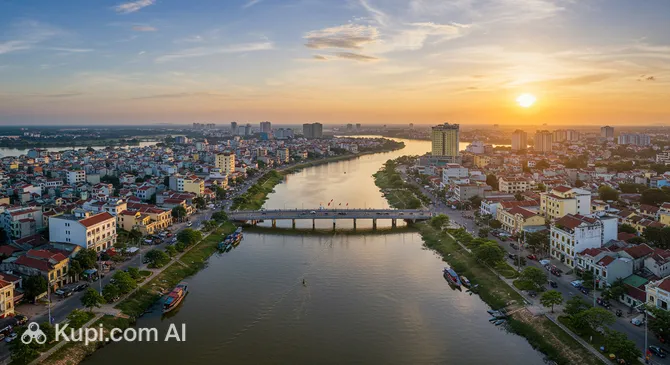
Quang Ngai. Illustration.
Source: Kupi.com AI

The city offers many interesting places to explore. Key attractions include the opportunity to visit the picturesque Ly Son Island, known for its volcanic landscapes and garlic fields. It is also worth visiting the magnificent Sa Huynh beaches, ideal for a relaxing holiday, and exploring ancient pagodas that preserve the spirit of the region's history and culture. Additionally, Quang Ngai draws attention with historical monuments related to the Sa Huynh and Champa cultures.

The atmosphere of Quang Ngai is filled with harmony and hospitality. There is no hustle and bustle of megacities here, but rather a slow pace of life and amazing natural beauty. Quang Ngai charms with its sincerity and authenticity, attracting both nature lovers and culture enthusiasts. It is an ideal place for those looking not only for a beach holiday but also for the opportunity to immerse themselves in authentic Vietnamese life. Visit Quang Ngai to discover the unique traditions of Central Vietnam and enjoy its breathtaking landscapes.

You can find more interesting facts on the Quang Ngai city history page
Weather Overview

The weather in Quang Ngai is characterized by a typical tropical monsoon climate. You can expect a hot and humid summer, especially from May to August, when the average air temperature stays around 30-31°C, and maximum values can reach 34-35°C. Winter, covering the months from December to February, is milder, with average temperatures around 22-23°C. The highest amount of precipitation occurs in the autumn months, peaking from September to November. The driest period is usually observed from February to April, although short-lived rains are possible even at this time. To better prepare for your trip, we recommend checking out the detailed climate description of Quang Ngai.

Average monthly temperature

Average monthly precipitation

Interesting Facts

In addition to its famous attractions, Quang Ngai hides many amazing stories and features that make it a truly unique place. The city and its surroundings are ready to surprise even the most seasoned traveler.

Quang Ngai Citadel. Illustration.
Source: Kupi.com AI

Traveler photos:

  • The city of Quang Ngai is proud of its natural symbols—Mount Thien An and the Tra Khuc River. Mount Thien An is not just picturesque; it is shrouded in many ancient legends about Vietnamese heroes and sages who, according to lore, achieved enlightenment here.

  • Located just off the coast of Quang Ngai is Ly Son Island, often called "Garlic Island." It is here that one of the most fragrant varieties of garlic in all of Vietnam is grown. Additionally, the island is famous for its volcanic landscapes and excellent diving opportunities.

  • In Quang Ngai province, unique traditions of pottery and weaving are still carefully preserved. In some villages, you can see artisans manually creating ceramic products and fabrics using ancient techniques passed down from generation to generation.

  • Quang Ngai and its surroundings are known for their colorful festivals dedicated to the sea, the harvest, and ancient ancestors. One of the most vibrant events is the boat festival on the Tra Khuc River, when dozens of decorated vessels take to the water, accompanied by theatrical performances and treats.

How to Get There

When planning a trip to Quang Ngai, it is important to think about your route in advance, as the city does not have its own airport. However, there is no need to worry—you can reach this cozy corner of Vietnam through several conveniently located regional and international airports, from where it is easy to get to Quang Ngai by taxi or bus.

The closest option is Chu Lai International Airport (VCL), located in the town of Tam Ky, about 33 km north of Quang Ngai. This is a modern, medium-sized airport serving both domestic and some international flights. A taxi ride from Chu Lai Airport to the center of Quang Ngai will take about 1 hour and 10 minutes. This is the fastest way to reach the city by air.

Another popular option is to fly into Da Nang International Airport (DAD). This is one of Vietnam's largest and busiest airports, receiving numerous international and domestic flights. It is located in the city of Da Nang, approximately 120 km north of Quang Ngai. The journey by car or bus from here to Quang Ngai will take about 3 hours and 20 minutes, but due to the wide range of flights, this airport often proves to be a convenient arrival point.

You can also consider Phu Cat Airport (UIH), which is located in the city of Quy Nhon, approximately 130 km south of Quang Ngai. This medium-sized airport mainly serves domestic destinations. A trip from Phu Cat Airport to Quang Ngai will take about 3 hours and 40 minutes. This could be a convenient alternative if you plan to visit the southern regions as well.

For clarity, here is a summary of the main airports that can be used for a trip to Quang Ngai:

AirportPassenger trafficDistance
Chu Lai International Airport1.7 mln33 km
Da Nang International Airport13.4 mln121 km
Phu Cat Airport1.6 mln132 km
Pleiku Airport600 000152 km
Phu Bai International Airport2.2 mln185 km

In addition to air travel, Quang Ngai can be reached by intercity buses from major Vietnamese cities such as Hanoi, Ho Chi Minh City, Da Nang, and Nha Trang. The city has good bus connections and is linked to the national highway A1, making travel by car or motorbike another viable option for those who prefer to explore the country more independently.

Main Attractions

The city of Quang Ngai offers its guests several notable places that reflect both its historical heritage and modern life. Travelers will find interesting sites here to get acquainted with the culture and daily life of this Vietnamese city.

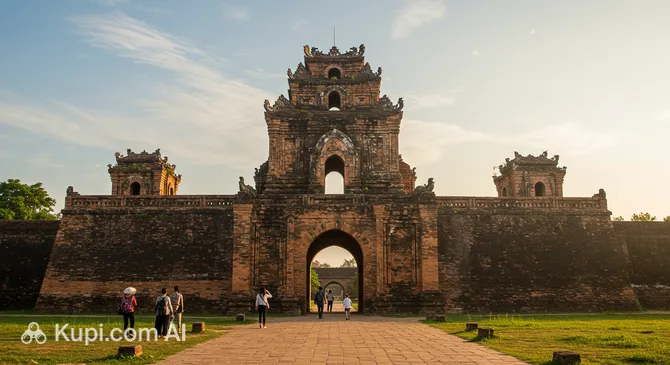
One of the main historical attractions is the Quang Ngai Citadel. This ancient fortification bears witness to the region's rich past. A visit to the citadel will be of interest to those fond of history and military architecture, as well as those who want to understand the stages of the city's development more deeply.

Quang Ngai Citadel. Illustration.
Source: Kupi.com AI

Traveler photos:

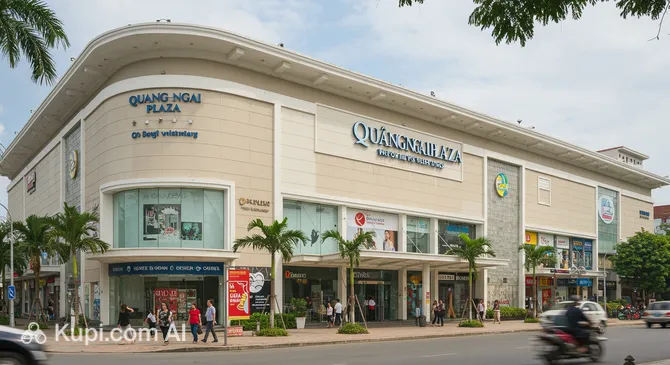
For those interested in the modern life of the city and shopping, Quang Ngai Plaza is worth a visit. This shopping complex is a popular spot among locals and tourists, offering various shops, cafes, and leisure opportunities. Here you can find souvenirs, local goods, or simply relax in a modern setting.

Quang Ngai Plaza. Illustration.
Source: Kupi.com AI

Traveler photos:

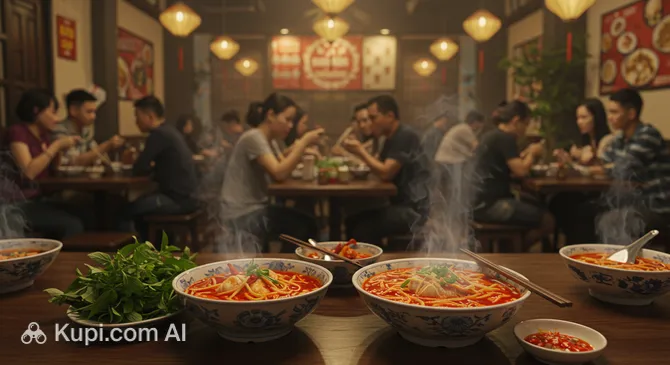
To get a taste of the local cuisine, be sure to stop by Kitachi Spicy Noodles. This establishment is known for its traditional dishes, particularly the spicy noodles, which are one of the hallmarks of local gastronomy. Visiting this restaurant will allow you to enjoy the authentic flavors of Vietnam.

Kitachi Spicy Noodle. Illustration.
Source: Kupi.com AI

Traveler photos:

Local Cuisine

The gastronomy of Quang Ngai is a vibrant reflection of the culinary traditions of central Vietnam, where the leading roles are played by the freshest seafood, an abundance of vegetables, and aromatic spices. The local cuisine is famous for its authenticity and can surprise even the most discerning gourmet. There is much to try here, but it is recommended to start your acquaintance with iconic dishes such as the crispy pancakes bánh xèo or the aromatic fish cá bống sông Trà.

Among the dishes that are a must-try in Quang Ngai, bánh xèo Quảng Ngãi stands out—deliciously crispy rice pancakes filled with shrimp, pork, and fresh herbs, served with a savory fish sauce. Another culinary symbol of the region is cá bống sông Trà, a small river fish braised in caramel and soy sauce, which pairs perfectly with hot rice. Don't miss the chance to try mì Quảng—hearty noodles with seafood, chicken, or pork, generously topped with peanuts, as well as the delicate steamed rice cakes bánh bèo topped with shrimp flakes. The famous garlic from Ly Son Island adds a special tang to many dishes.

The food culture in Quang Ngai is diverse: from bustling street stalls to cozy restaurants. Locals and tourists alike enjoy freshly prepared food at markets, where you can find the aforementioned mì Quảng noodles as well as the freshest seafood cooked right before your eyes. Street food here is a separate culinary adventure, offering treats like bánh bèo. For a more substantial dinner, you can visit local restaurants, including places like Kitachi Spicy Noodles, which offer their own interpretations of local and Asian dishes.

For drinks, be sure to try traditional Vietnamese coffee, brewed through a special filter and often served with condensed milk—the perfect start to the day or its pleasant conclusion. Locals may also offer you homemade fruit infusions or freshly squeezed juices from exotic fruits. Alcoholic beverages are typically represented by local beer and rice wine. The farmers' markets of Quang Ngai will delight you with an abundance of fresh tropical fruits, exotic spices, and homemade sweets. Occasionally, the city hosts gastronomic festivals where you can get to know the culinary traditions of the region more deeply and try rare delicacies.

Travel Tips

Planning a trip to Quang Ngai? Wonderful! To ensure your journey through this interesting Vietnamese city goes smoothly and leaves only pleasant impressions, we have prepared some practical tips.

  1. Clothing and Essentials: Quang Ngai has a tropical climate, so choose light, breathable clothing made from natural fabrics (cotton, linen). Don't forget a hat, sunglasses, and high-SPF sunscreen for protection from the sun. Comfortable shoes are a must for walking, as exploring the city on foot is a true pleasure. If you plan to visit temples or pagodas, bring clothing that covers shoulders and knees as a sign of respect for local traditions. A universal power adapter may also come in handy.
  2. City Transport: The most popular ways to get around for tourists in Quang Ngai, as in many cities in Vietnam, are taxis and motorbike taxis (known as "xe om"). It is recommended to use official taxi companies or verified ride-hailing apps to avoid overcharging. Motorbike rental is possible and offers greater freedom of movement, but requires confident driving skills in Asian traffic and a valid international driving permit of the appropriate category. Public buses run through the city, but navigating their routes without knowing Vietnamese can be challenging.
  3. Financial Matters: The official currency is the Vietnamese Dong (VND). You can exchange currency (US dollars or Euros) at banks, official exchange offices, or jewelry stores offering exchange services. Credit cards (Visa, Mastercard) are accepted in large hotels, some restaurants, and supermarkets, but cash is always preferred for daily expenses, especially in markets and small establishments. ATMs are quite common in the city center. Tipping is not strictly mandatory but is always welcomed for good service in restaurants and cafes (usually 5-10% of the bill).
  4. Health and Safety: There are pharmacies (nhà thuốc) in Quang Ngai where you can purchase basic medications. For serious medical issues, it is better to go to major hospitals or clinics; be sure to take out travel medical insurance before your trip. The city is generally considered safe for tourists, but standard precautions are never out of place: watch your belongings in crowded areas and avoid displaying expensive jewelry or large sums of money. Drink only bottled or boiled water and wash fruits thoroughly before eating.
  5. Language and Communication: The official language is Vietnamese. English is used in the tourism sector (hotels, large restaurants, some shops), but do not expect all locals to speak English fluently. Learn a few basic phrases in Vietnamese, such as "xin chào" (hello/goodbye), "cảm ơn" (thank you), "bao nhiêu tiền?" (how much is it?)—this will greatly facilitate communication and will be appreciated by the locals. You can purchase a local SIM card with internet access at the airport upon arrival or at numerous mobile shops in the city. Wi-Fi is available in most hotels, cafes, and restaurants.
  6. Local Etiquette and Interaction: The Vietnamese are a friendly, polite, and hospitable people. When communicating, it is important to stay calm, smile, and maintain a respectful tone. It is customary to greet with a slight nod of the head, especially with elders. Avoid loud talking and intense emotional outbursts in public places. When photographing locals, always ask for their permission, especially for portrait shots. Behave modestly when visiting temples.
  7. Things to Avoid: Try not to publicly criticize the local way of life, customs, or the government. You should also avoid touching the heads of strangers, especially children, as in Vietnamese culture, the head is considered a sacred part of the body. Avoid excessive familiarity, especially with representatives of the older generation.
  8. A Special Tip for Quang Ngai: Be sure to visit local markets, such as the Quang Ngai Central Market (Chợ Quảng Ngãi). This is not only a great place to buy fresh fruit, local delicacies, and souvenirs but also an opportunity to immerse yourself in the city's authentic atmosphere and observe the daily life of its residents. Don't hesitate to try street food, but choose busy spots where many locals are eating—this is usually a sign of quality and freshness.

We hope these tips help you better prepare for your trip to Quang Ngai and enjoy every moment of your stay in this authentic corner of Vietnam. We wish you unforgettable impressions, interesting discoveries, and only positive emotions!

Entertainment & Nightlife

Quang Ngai offers its guests a predominantly quiet and authentic evening atmosphere, distinct from busy tourist centers. Here, nightlife is centered around local restaurants, cafes, and street markets, where you can immerse yourself in the daily life of the Vietnamese and enjoy socializing in a relaxed setting.

An evening in Quang Ngai is best started with dinner at one of the many establishments. You can try local cuisine or international dishes. For example, the Kitachi Spicy Noodles restaurant offers interesting options for exploring the region's gastronomy. Many restaurants stay open until late evening, creating a lively atmosphere on the main streets. The vibe in such places is usually relaxed, without a strict dress code.

As for bars and clubs, the selection in Quang Ngai may not be as wide as in larger cities. However, you can find cozy local bars and cafes, especially in the central part of the city, where you can spend the evening over a drink. Some establishments in the Quang Ngai Plaza shopping center area may also offer evening entertainment or stay open late. Night markets, if they are operating during your visit, also become popular spots for evening strolls, offering street food and local goods.

For evening travel around the city, it is most convenient to use taxi or motorbike taxi services. It is recommended to check the fare in advance or use ride-hailing apps. The city's main streets are generally safe for walking in the evening, but standard precautions should always be observed. The best time to visit evening venues is after 8:00 PM, when the daytime heat subsides and the city comes alive.

During the day, Quang Ngai also offers interesting leisure options. History buffs can visit the Quang Ngai Citadel to learn more about the region's past. For those who prefer shopping or are looking for a place to relax with the family, Quang Ngai Plaza is suitable, featuring shops, cafes, and entertainment zones. The city also has parks for walking and outdoor recreation.

Parks & Museums

Quang Ngai, a city with a rich history and picturesque natural corners, offers its guests diverse opportunities for relaxation and discovery. Here you can enjoy the peace of green zones and immerse yourself in the region's cultural heritage by exploring its parks, museums, and historical landmarks.

For nature lovers and those seeking quiet relaxation, Quang Ngai has pleasant spots to offer. One of these is Ba To Park, located in the city center. It is a popular place among locals for walking, exercising, and simply escaping the city bustle. Another wonderful opportunity to enjoy nature is a walk along the embankment of the Tra Khuc River. Picturesque views and fresh air make this place ideal for relaxation, especially in the evening. Furthermore, small squares and green zones are scattered throughout the city, where you can take a break during your explorations.

To gain a deeper understanding of the history and culture of this part of Vietnam, it is worth visiting the Quang Ngai Provincial Museum. This is the main cultural institution of the city and province, where evidence of the region's rich past is collected. The museum's exhibitions cover various periods: from ancient artifacts belonging to the Sa Huynh and Champa cultures to items depicting traditional life, crafts, and significant historical events and stages of the province's development. A visit to the museum is a key opportunity for those who want to form a complete picture of the local identity and heritage.

Among the city's historical and architectural sites, the Quang Ngai Citadel stands out. This ancient citadel has witnessed many historical events and serves as a reminder of the city's strategic importance in the past. Inspecting its walls and structures allows you to touch the centuries-old history of the region.

Quang Ngai Citadel. Illustration.
Source: Kupi.com AI

Traveler photos:

Another significant cultural and spiritual center is the Thien An Pagoda. Located on the mountain of the same name, it attracts pilgrims and tourists with its peaceful atmosphere, beautiful architecture, and panoramic views of the surroundings and the Tra Khuc River. Visiting the pagoda provides an opportunity not only to see a religious site but also to enjoy natural beauty.

For a truly authentic experience of Quang Ngai, we suggest looking into the local markets. Here you can observe the daily life of the city's residents, try fresh fruits, and, of course, taste local cuisine at one of the many street cafes. It is an excellent way to feel the true spirit of the city.

Getting Around

The primary form of public transport in Quang Ngai is the bus. They connect various districts of the city and can be a convenient way to travel relatively long distances within the city limits and the nearest suburbs. The route network usually covers key points, however, to accurately understand the movement patterns and schedules, tourists may need help from locals or information at stops, if available in an understandable language.

The fare payment system in Quang Ngai buses is generally simple: tickets are purchased directly from the conductor or driver upon boarding. Payment is most often made in cash. Fares are usually low, but it is recommended to have small bills for convenience. Buses start running from early morning and end their service in the evening; exact operating hours may vary depending on the specific route.

In addition to buses, an extremely popular and flexible means of transport, especially for short distances, are motorbike taxis, known in Vietnam as "xe om." Drivers can be easily found on busy streets and at intersections. It is important to agree on the fare in advance, before getting on the motorcycle. This is a fast and maneuverable way to reach your destination, especially in heavy traffic conditions.

Traditional taxi services are also available in Quang Ngai. It is recommended to use cars from official companies equipped with meters. Before starting your trip, make sure the meter is on, or agree on a fixed price if a long trip is planned. In recent years, mobile ride-hailing apps (such as Grab) have become increasingly popular, offering convenient booking and often more transparent pricing.

For tourists who prefer independence in their travels, there is the possibility to rent a motorbike or a bicycle in Quang Ngai. This is a great way to explore the city and its surroundings at your own pace. However, keep in mind the specifics of local traffic, which can be quite chaotic, and always exercise caution. Rental points can be found in tourist areas or requested at your hotel.

A practical tip for tourists: when using a taxi or motorbike taxi, it is helpful to have your destination address written in Vietnamese or show it on a map on your smartphone. Using navigation apps will also significantly facilitate orientation. Although not all drivers may speak English, locals are usually responsive and ready to help if you have any questions.

Accommodation

In the city of Quang Ngai, travelers will find various accommodation options to suit different budgets and preferences. There are affordable guesthouses and hostels, suitable for budget-conscious tourists, as well as mid-range hotels offering a comfortable stay. You can also consider apartment rentals for longer stays or more privacy.

When choosing a place to stay in Quang Ngai, it is worth paying attention to the central districts of the city. Staying here provides easy access to key infrastructure, shops such as Quang Ngai Plaza, and transport hubs. Living in the center is also convenient for moving around the city and its surroundings, allowing you to easily reach cafes and restaurants where you can try local cuisine.

Overall, the price range for accommodation in Quang Ngai varies from budget to mid-level. While the selection of luxury resorts may not be as wide as in Vietnam's major tourist centers, finding a comfortable option at a reasonable price is quite feasible. It is recommended to book accommodation in advance, especially if your trip coincides with the peak tourist season or local holidays. The most common booking methods are popular online platforms and travel aggregators. Sometimes direct booking via hotel websites or upon arrival is possible, but the latter is less predictable and may come with limited choices.

Nearby Cities

For those who want to explore the surrounding area, Quang Ngai serves as an excellent starting point for day trips to several interesting nearby locations.

Among them, Da Nang is especially popular, attracting travelers with its magnificent beaches and the famous Marble Mountains, as is the ancient city of Hue, the former imperial capital with a rich historical heritage. Equally interesting for a trip is Quy Nhon, which enchants with its quiet bays and ancient Champa towers.

Below is a table with some of these cities where you can go for a day trip:

CityPopulationDistance
Duc Pho150 92738 km
Tam Ky200 00060 km
Hoi An121 71699 km
Da Nang1 134 380122 km
Kon Tum140 000123 km

These nearby destinations provide an insight into the diverse culture and landscapes of the region.

Shopping & Souvenirs

Shopping in Quang Ngai offers more of an immersion into local flavor than a hunt for global brands. The city is not famous for any unique goods known nationwide, but here you can find interesting local products and crafts, especially in the markets and small shops. This is a great opportunity to purchase something authentic and observe the daily life of the locals.

The main trading activity in Quang Ngai is concentrated in the central part of the city. The main shopping streets usually adjoin the central market or are located nearby. Here you will find many small shops offering clothes, shoes, household goods, and, of course, food. A walk along these streets will allow you to feel the atmosphere of a Vietnamese provincial town.

If you prefer a more modern shopping format, there are shopping centers in Quang Ngai. One such place is Quang Ngai Plaza. Here you can find clothing and electronics stores, a supermarket, as well as a food court and entertainment zones. It is a good place to hide from the daytime heat and do necessary shopping in a comfortable environment.

Quang Ngai Plaza. Illustration.
Source: Kupi.com AI

Traveler photos:

Markets are the heart of trade in any Vietnamese city, and Quang Ngai is no exception. The Central Market (Cho Quang Ngai) is the main place for buying fresh produce, fruits, vegetables, meat, and seafood. You can also find rows with clothing, fabrics, household goods, and simple souvenirs. Visiting the market is not just about shopping but also a vivid cultural experience.

As souvenirs from Quang Ngai, you can bring back local delicacies, such as dried seafood, coconut or peanut candies, local tea, or coffee. You can also find handmade items in markets and small shops, although the selection may not be as large as in the major tourist centers of Vietnam. Look out for simple cotton or silk clothing often sold at local markets.

Shops in Quang Ngai are usually open from early morning (around 8:00-9:00) and operate until evening (19:00-21:00). Some small shops and markets may close for a lunch break. The main method of payment, especially in markets and small shops, is cash (Vietnamese Dong). Shopping centers and large stores may accept bank cards, but it is always better to have enough cash on hand.

The possibility of a tax refund (Tax Free) for tourists in Quang Ngai, as in most non-tourist cities in Vietnam, will likely be limited or unavailable for most everyday purchases. This system is more common in international airports and large retail outlets in big cities for significant purchases.

Reached the end of the page?

That means the route is fully explored