Support

Museo de Ciencias Naturales y Antropológicas «Prof. Antonio Serrano»

About

If you are looking for a place where nature meets history, the Antonio Serrano Museum of Natural Science and Anthropology is the perfect discovery. Located in the picturesque city of Paraná, this provincial museum is a vital guardian of cultural and natural heritage that has been carefully curated over decades in Argentina.
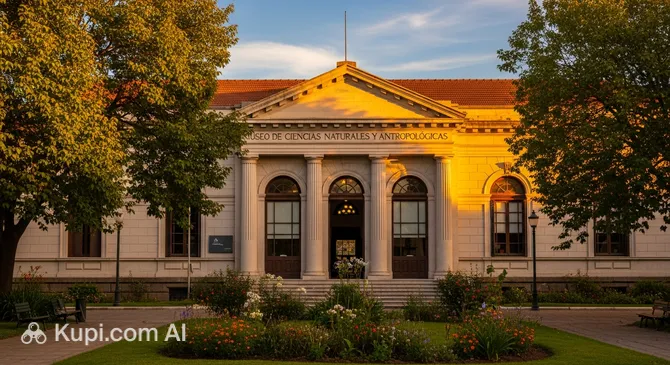
Antonio Serrano Museum of Natural Sciences and Anthropology
Antonio Serrano Museum of Natural Sciences and Anthropology. Иллюстрация. Источник: Kupi.com AI

The institution's standout feature is its integrated approach to science. It doesn't just display exhibits; it strives to make knowledge accessible to every visitor. The museum serves as a powerful center for scientific research and education, bringing halls of geology, botany, paleontology, and even its own aquarium under one roof.

Strolling through its halls, guests can see rare collections of invertebrates and vertebrates, as well as unique anthropological artifacts. It's more than just a museum; it's a living space where science becomes understandable through educational programs and the careful preservation of the history of the Entre Ríos province.

Contacts

To plan your visit or pre-book group tours, it is advisable to check the institution's contact information in advance. The museum administration is open to communication via email and social media, providing guests with all the necessary details for a smooth visit.

How to contactContact
AddressCarlos Gardel 62, E3100 Paraná, Entre Ríos, Аргентина
Phone+54 343 420-8894
Websitemuseoserrano.blogspot.com

What to Do

Inside the museum, visitors will find a fascinating journey through eight themed rooms. You can see firsthand rare paleontological finds and geological specimens that tell the story of the region's ancient past. Nature lovers should definitely visit the aquarium and the halls dedicated to botany and the diverse animal world—from insects to large vertebrates.

Special attention is given to interactive learning. The museum encourages experimentation and exploring the world through play, making it a popular spot for family outings. Educational workshops and awareness events, such as those for Environment Day, are held regularly.

For those unable to visit the exhibition in person, virtual tours are available via the official website. School groups can book special tours where guides help students delve deeper into the mysteries of anthropology and natural science using playful, engaging methods.

Getting There

The museum is conveniently located in the heart of the city at 62 Carlos Gardel Street. Thanks to its central location, it is easy to find—the building is situated in the historic district of the Entre Ríos provincial capital, near the banks of the Paraná River.

You can reach this cultural hub by public transport; numerous bus routes pass through the city center. If you prefer more comfort, you can take a taxi from the main square or your hotel—the ride takes just a few minutes. For those who enjoy walking, a stroll through the picturesque streets of the center is an excellent way to start your visit.

Ближайший город: Parana

History & Facts

The history of this institution is unique because it was founded in 1917 not by established scientists, but by a group of energetic teenagers aged 15 to 18. Students from the local Normal School and National College formed the "Association of Students in Support of the People's Museum" and began gathering the first collections through donations and actual scientific expeditions across the region.

Between 1924 and 1934, the museum operated under the auspices of the central school. During this period, it was led by Antonio Serrano, who transformed it into an important center for teaching natural sciences and studying the prehistoric past. The institution was granted official status as a Provincial Museum on December 19, 1934, by executive decree.

Following the founder's death in 1982, the museum was given its current name. Today, it continues the tradition of those first enthusiastic researchers, remaining a key guardian of the province's scientific heritage and publishing its own specialized journal to disseminate knowledge.

Time Needed

To leisurely explore the main exhibits of the museum's eight rooms, a typical visitor will need about 2–3 hours. This is enough time to get acquainted with the region's primary paleontological and anthropological discoveries.

If you intend to study the collections in depth at the specialized library or plan to take part in one of the interactive workshops, it is best to set aside at least 4–5 hours. The museum offers many educational materials that can engage curious travelers for a long period.

Working Hours

The museum's doors are open to visitors from Tuesday to Saturday. The institution operates in two shifts: in the morning from 8:00 AM to 12:00 PM and in the afternoon from 3:00 PM to 7:00 PM. On Sundays and public holidays, you can explore the exhibits from 10:00 AM to 1:00 PM.

Please note that the museum is closed on Mondays. It is recommended to check the official blog or website for the latest information before your trip, especially during national holidays.

DayWorking hours
понедельникЗакрыто
вторник08:00–12:00, 15:00–19:00
среда08:00–12:00, 15:00–19:00
четверг08:00–12:00, 15:00–19:00
пятница08:00–12:00, 15:00–19:00
суббота09:00–13:00, 15:00–19:00
воскресенье10:00–13:00

Nearby

Exploring the area around the museum will allow you to dive deeper into the atmosphere of this Argentine region. Within walking distance, you will find interesting memorial sites and park areas that perfectly complement your city tour itinerary.

NameDistance
Saint Michael the Archangel Parish0 km
Carlos María de Alvear Square0.1 km
Paraná Riverside Promenade0.2 km
Refugio Paraná0.5 km
Lapan0.5 km
Paso del Paraná Shopping Mall0.5 km
Tierra Bomba0.6 km

Reached the end of the page?

That means the route is fully explored