Support

Graz Cathedral

About

The majestic Graz Cathedral, also known as the Cathedral of St. Giles, is one of the most significant architectural monuments adorning the city of Graz. This temple, erected in the 15th century, serves as the main cathedral of the diocese and is a magnificent example of Late Gothic architecture, harmoniously complemented by a Baroque interior.
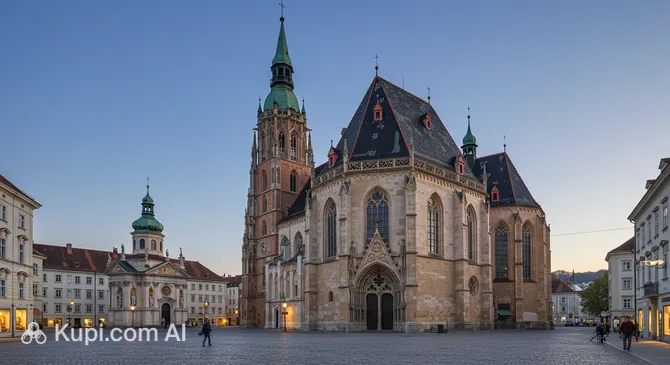
Graz Cathedral
Graz Cathedral. Иллюстрация. Источник: Kupi.com AI

The cathedral's exterior impresses with its noble restraint: a white-and-yellow facade, a high dark roof, and elegant elongated windows create the image of a true medieval sanctuary. As part of the historic city center included in the UNESCO World Heritage list, the cathedral in Austria is considered a must-visit for all lovers of history and art.

Inside, a real treasure awaits guests: from exquisite stone carvings and gilded altars to unique frescoes preserved through the centuries. Particular attention is drawn to the imperial symbols and reliquaries decorated with ivory inlays, which make the cathedral's interior truly luxurious and memorable.

Contacts

To check updated information about services or special events, you can contact the church administration directly. Graz Cathedral is open to everyone, and additional details are available on the cathedral's official web resource.

Below are the main contact details for planning your visit:

How to contactContact
AddressBürgergasse 1, 8010 Graz, Austria
Phone+43 316 821683
Websitegraz-dom.graz-seckau.at

What to Do

Once inside the cathedral, be sure to take the time to study its unique artistic decoration. The main object of attention is rightfully the "Land of God's Suffering" fresco (Gottesplagenbild) by Thomas von Villach. This rare depiction of the Holy Trinity and saints, created in the late 15th century, has miraculously survived on the exterior south wall of the cathedral, serving as a reminder of the city's times of trial.

In the interior, it is worth examining the high altar, created by Georg Kraxner, and the unique reliquaries in detail. The latter are especially valuable due to the ivory inlays based on works by Andrea Mantegna. As you walk through the cathedral, look for the famous imperial acronym AEIOU engraved in various parts of the building—it's a kind of historical quest for observant visitors.

Don't miss the opportunity to look into the Friedrich Chapel (Friedrichskapelle), which houses the Gothic Crucifixion by Conrad Laib, dating from 1457. The atmosphere of the temple invites quiet contemplation and meditation to the sounds of the organ, if you are lucky enough to catch a rehearsal or service. Many tourists also combine their visit with a walk to the neighboring Mausoleum of Ferdinand II, which forms a single architectural ensemble with the cathedral.

Getting There

Finding the cathedral is easy, as it is located in the heart of the historic center at Bürgergasse 1. If you are near the Main Square (Hauptplatz), the walk to the church will take only about 5 minutes through the charming streets of the old town.

For those who prefer public transport, the most convenient options are trams No. 1, 3, 6, or 7. You should get off at the "Hauptplatz" or "Mehlplatz" stop, from where the cathedral is just a few minutes' walk away. From the main railway station, Graz Hauptbahnhof, the tram journey takes about 10–15 minutes.

If you are traveling by car, keep in mind that the city center is a pedestrian zone with restricted traffic and limited parking spaces. Experienced travelers recommend leaving your car at P+R (Park and Ride) lots on the outskirts and continuing by convenient city transport. For active travelers, numerous bike paths lead to the cathedral.

Ближайший город: Graz

History & Facts

The history of this majestic structure began in 1438, when construction of the court church started by decree of Emperor Frederick III. The architect was Hans Niesenberger, who managed the works simultaneously with the construction of the neighboring imperial castle. The consecration of the church in honor of St. Giles took place in 1441, although the construction work was not fully completed until 1464.

On the walls and vaults of the cathedral, you can find the mysterious acronym "AEIOU", which Frederick III used as his personal motto. These letters, accompanied by dates, serve as historical milestones marking key stages in the building's development. In the 17th century, the church underwent changes: Baroque chapels, a spacious sacristy, and a crypt (which was later walled up) were added.

The building received the status of cathedral of the Diocese of Graz-Seckau in 1786. One of the most dramatic reminders of the past is the "Land of God's Suffering" fresco (Gottesplagenbild), created in 1480. It was painted in the year the city faced three calamities at once: a locust plague, pestilence, and an external threat, becoming a symbol of the citizens' collective prayer for salvation and protection.

Despite restorations—the most recent of which took place on a large scale in the 1960s under the direction of Karl Raimund Lorenz—the cathedral has preserved its unique Late Gothic appearance. Today, it is not only a religious center but also a vital monument of the Habsburg era, whose presence in this region helped turn the city into a major European cultural center.

Time Needed

To leisurely explore the cathedral's interiors, study the ancient frescoes, and soak in its solemn atmosphere, 45 to 60 minutes is usually sufficient. This time is enough to walk through the main chapels, examine the altar, and take a few memorable photos of the facade.

If you plan to combine your visit to the church with a walk up the Schlossberg hill or a visit to the Styrian Armoury, which are located very close by, you should set aside at least 3–4 hours for this part of the city. The cathedral fits perfectly into a walking tour itinerary of the old center, allowing for a short pause to contemplate art during a busy sightseeing day.

Working Hours

Usually, Graz Cathedral welcomes visitors daily: from Monday to Saturday, the doors are open from 9:00 AM to 5:00 PM, and on Sunday from 8:00 AM to 6:00 PM. Entry for tourists may be temporarily restricted or closed during church services, weddings, or festive liturgies.

Since the schedule may change depending on the religious calendar, it is highly recommended to check the current opening hours on the official website before planning your trip. This will help you avoid closed doors and fully enjoy exploring the interior decorations.

Nearby

The cathedral's location in the historic core of the city allows tourists to easily combine their visit with other iconic sites. A walk through the surrounding area will reveal the architectural diversity and cozy atmosphere of the Styrian capital.

Within walking distance are both monumental squares and symbols of the city that are essential for experiencing the local culture. Here is a list of some interesting sites nearby:

NameDistance
Mausoleum of Emperor Ferdinand II0 km
Double Spiral Staircase0.1 km
Graz Glockenspiel0.1 km
University of Graz (Old Campus)0.1 km
Graz Castle0.1 km
Main Square of Graz0.3 km
Old Town of Graz0.3 km

Reached the end of the page?

That means the route is fully explored