Support

Istrian olive oil museum

About

Imagine a place where the scents of freshly cut grass and ripe fruit meet centuries of history. The Museum of Istrian Olive Oil (Olei Histriae) is a modern multimedia space in the heart of Pula that invites guests on a fascinating journey through the world of "liquid gold."
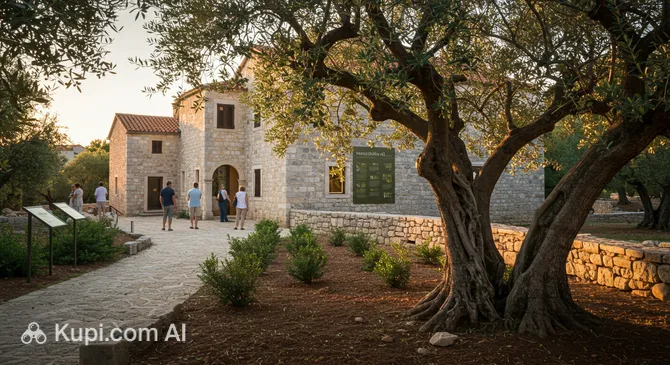
Istrian Olive Oil Museum
Istrian Olive Oil Museum. Иллюстрация. Источник: Kupi.com AI

Located in Croatia, this museum covers an area of about 500 square meters and tells the amazing story of olive cultivation in the Istria region—from ancient Roman presses to the latest technologies for producing extra virgin cold-pressed oil. This is not just an exhibition of artifacts, but an interactive platform where you can learn about the chemical composition of the oil, its health benefits, and its role in the Mediterranean diet.

The museum is renowned for its educational approach and high ratings among travelers. The tour concludes with a visit to a cozy shop featuring an extensive selection of local delicacies: from premium oils and truffles to olive-based cosmetics and olive wood products. It is a must-visit destination for all connoisseurs of high-quality gastronomy.

Contacts

To plan your visit and check the current information, it’s helpful to have the museum's main contact details at hand. This interactive space is located right in the city center, and there are several ways to get in touch with the staff.

Below is the detailed contact information for the Museum of Istrian Olive Oil:

How to contactContact
AddressIstarska ul. 30, 52100, Pula, Хорватия
Phone+385 52 661 235
Websitewww.oleumhistriae.com

What to Do

Your introduction to the museum begins with a fascinating walk through the main exhibition accompanied by a free audio guide. Within half an hour, you will learn how to distinguish real, high-quality oil from fakes, while multimedia installations vividly demonstrate how olive pressing methods have changed over the centuries.

One of the most exciting parts of the visit is the professional tasting. Under the guidance of an experienced expert, you will learn how to properly "warm" the oil in your palms, inhale its aroma, and distinguish the subtle notes of bitterness and spice characteristic of Istria's best varieties. Depending on the chosen package ("Green" or the expanded "Gold"), you can sample up to five types of premium oils.

Don't forget to stop by the museum shop, which many call a true treasure trove of souvenirs. Here, you can not only buy a bottle of oil but also taste Istrian truffles, local spirits (brandies), and purchase unique natural cosmetics. The friendly staff is always ready to offer helpful advice on choosing gifts for your loved ones.

Getting There

Getting to the museum is easy, as it is located in the heart of the historic part of the city at Istarska ul. 30. The most recognizable landmark nearby is the famous Pula Arena (Roman amphitheater), which is just a few minutes' leisurely walk from the museum entrance.

If you are already exploring the center, the museum is an easy walk from major sights like the Forum or the Arch of the Sergii. For navigation, Google Maps is very reliable and will lead you right to the doors of this gastronomic space.

For travelers arriving from Pula Airport, it is best to take a taxi or a shuttle bus — the trip takes about 20-30 minutes (the distance is approximately 15-20 km). If you are arriving by car, keep in mind that parking in the city center is paid, so many visitors prefer to leave their vehicle in a "park and ride" lot and explore on foot.

Ближайший город: Pula

History & Facts

The history of this place is inextricably linked to the thousand-year tradition of olive cultivation on the Istrian peninsula. This region has been famous for its ideal climate since ancient times, which allowed the Ancient Romans to establish extensive groves and set up large-scale oil production that was exported throughout the Empire.

The museum exhibition clearly demonstrates the evolution of technology: from primitive stone presses used thousands of years ago to high-tech modern cold-pressing systems. Visitors can see how olive processing methods changed during the Middle Ages and how Istria managed to maintain its status as a producer of some of the world's finest oils.

The museum covers an area of about 500 square meters and serves as an important cultural center promoting Croatia's gastronomic heritage. The opening of such a venue in Pula became a symbol of recognizing olive oil as a key element of Mediterranean identity, influencing the health, economy, and culture of the region.

Time Needed

To fully enjoy the exhibition and explore all the multimedia materials at your own pace, a typical visitor needs about 1 to 1.5 hours. This is enough time to walk through the halls with the audio guide, which takes about 30–45 minutes, and leave time for additional activities.

If you plan to participate in the extended tasting (the so-called "Gold Package"), it's worth setting aside about 90 minutes. This will allow you to sample different varieties of oil without rushing, chat with the experts, and choose your favorite products in the souvenir shop at the end of your visit.

Working Hours

Generally, the museum doors are open to visitors from Monday to Saturday, from 10:00 AM to 5:00 PM. The museum is closed on Sundays, so plan your visit in advance to ensure you don't miss the chance to discover the history of Istrian oil.

Please note that the opening hours may vary slightly depending on the tourist season or special events. Before your visit, it is recommended to check the current information on the museum's official website or confirm the hours by phone.

DayWorking hours
понедельник10:00–17:00
вторник10:00–17:00
среда10:00–17:00
четверг10:00–17:00
пятница10:00–17:00
суббота10:00–17:00
воскресеньеЗакрыто

Nearby

Thanks to the museum's central location in Pula, you can easily combine a look into gastronomic culture with a tour of some of the greatest monuments of antiquity. A stroll through the surrounding area will allow you to dive deeper into the atmosphere of the ancient city and see structures that have stood for centuries.

Exploring the neighboring streets will reveal many interesting spots—from Roman temples to medieval fortresses. Below is a list of the most notable sites located within walking distance or a short trip across the city:

NameDistance
Twin Gates0.1 km
Pula Arena0.2 km
Zerostrasse0.2 km
Pula Boat Tours0.2 km
Pula Fortress0.3 km
Roman Theatre of Pula0.3 km
Historical and Maritime Museum of Istria0.3 km

Reached the end of the page?

That means the route is fully explored