Support

Shaoshan

About

Shaoshan is a small but historically significant city located in Hunan Province, China. It is world-renowned as the birthplace of Mao Zedong and attracts many tourists wishing to explore the key moments of the country's 20th-century history. The city has a population of about 86,000 people, and its surroundings are famous for their picturesque landscapes.
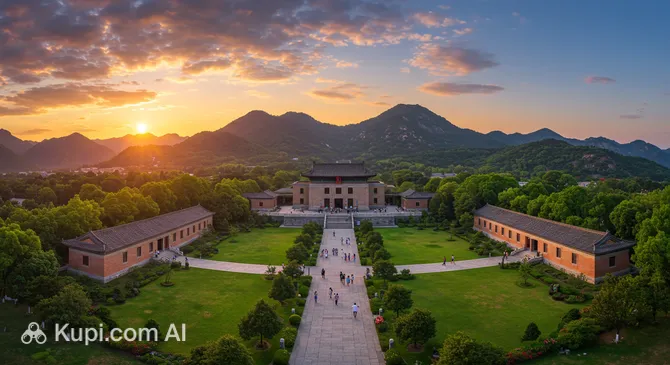
Shaoshan. Illustration.
Source: Kupi.com AI

The main points of interest for visitors are sites inextricably linked to the life of the founder of the PRC. You can visit the Former Residence of Mao Zedong, where he spent his childhood and youth, and see the environment in which his personality was formed. Equally interesting is the Mao Zedong Memorial Museum, whose extensive exhibition details his biography and activities. These sites provide a deeper understanding of the historical context and the significance of this figure.

Shaoshan is located in a subtropical monsoon climate zone, which means hot, humid summers and mild, relatively dry winters. A trip to this corner of Hunan Province will be more than just an excursion; it is a true immersion into history that leaves bright and memorable impressions. This place is truly unique for those interested in modern history and culture.

You can find more interesting facts on the Shaoshan city history page.

Weather Overview

The weather in Shaoshan is characterized by clearly defined seasons, which is important to consider when planning your trip. Summer, especially in July and August, is hot here: the average air temperature stays around 30°C, and maximum values can exceed 33°C. Winters in Shaoshan are cool, with an average January temperature of about 5.9°C; night frosts are rare, but temperatures can drop to 2-3°C. In general, expect warm summers with periodic rains, most intense in June (about 10 mm of precipitation and approximately 20 rainy days), and cool, relatively dry winters, although with a chance of overcast days, especially in February. Spring (March-May) and autumn (September-November) offer more moderate and comfortable temperatures for visiting, with gradual transitions from cool to warm and vice-versa. To get a more detailed idea of weather conditions by month, we recommend checking the information on the Shaoshan climate page.

Average monthly temperature

Average monthly precipitation

Interesting Facts

In addition to its global fame as the birthplace of Mao Zedong, Shaoshan holds other curious details that make it even more interesting for travelers. Here are a few little-known facts about this iconic place:

  • The city received its name, Shaoshan (韶山), from Mount Shao. According to legend, the mythical Emperor Shun stayed here during his journey to the south, and the ancient "Shao" music was performed in his honor, which gave the area its name.

  • To facilitate access for pilgrims and tourists to Shaoshan, a special railway line was built in 1967, connecting it to China's main transport network. This emphasized the special significance of the city even back then.

  • It was from Shaoshan that the popularity of "Mao Jia Fandian" (毛家饭店 – "Mao Family Restaurant") spread across China (and even beyond). These restaurants serve Mao Zedong's favorite dishes, especially the famous Hunan braised pork, "hongshaorou."

  • Mount Shaofeng, which gave the city its name, is a significant attraction in its own right. It is known for its "eight classic landscapes," including ancient temples and picturesque views, offering visitors both historical and natural immersion.

How to Get There

Shaoshan, as a popular tourist destination, has developed transport accessibility, although it does not have its own airport. Travelers usually arrive at major transport hubs in neighboring cities, from where they continue their journey by bus, taxi, or high-speed train. To plan your route in maximum detail, we recommend checking the information on the how to get to Shaoshan page, which lists all possible travel options.

The main air gateway for those wishing to visit Mao Zedong's birthplace is Changsha Huanghua International Airport (IATA: CSX). Please note that this airport is not in Shaoshan itself, but in the provincial capital, Changsha, at a distance of approximately 74.6 km. It is a major international aviation hub receiving flights from all over the world. The journey from the airport to Shaoshan by taxi or transfer will take about 1.5–2 hours. You can also use intercity buses or travel to Changsha Railway Station to transfer to a train.

Alternatively, you can consider arriving via Hengyang Nanyue Airport (IATA: HNY). It is located in the city of Hengyang, about 118 km from Shaoshan. This is a regional airport with less passenger traffic, which may mean faster processing of formalities, but the travel time to the destination will increase to approximately 2–2.5 hours by car.

For clarity, here is a summary of the main airports in the region:

AirportPassenger trafficDistance
Changsha Huanghua Airport27.2 mln75 km
Hengyang Nanyue Airport890 537118 km
Changde Airport1.0 mln141 km
Yichun Mingyueshan586 898176 km
Lingling Airport119 729196 km

Railway communication also plays an important role in the region's logistics. The nearest major hub is Zhuzhou Railway Station. It is located in the city of Zhuzhou, at a distance of about 54.4 km from the center of Shaoshan. This is one of the key railway hubs of southern China with high passenger traffic. From the station, you can reach Shaoshan by taxi or bus in about 1 hour.

Another convenient option is Changsha Railway Station, located in the city of Changsha (approximately 58.5 km from Shaoshan). Many trains from different parts of the country arrive here. Tourists often choose this route, combining a visit to the provincial capital with a trip to Shaoshan. The transfer time by car is just over an hour.

Below is a table with the nearest railway stations for planning transfers:

StationPassenger trafficDistance
Zhuzhou Railway Station9.9 mln54 km
Loudi Railway Station6 mln55 km
Changsha railway station957 km
Changsha Railway Station58 km
Changsha South railway station958 km

Main Attractions

Shaoshan, being a landmark site in the modern history of China, offers visitors a unique opportunity to touch the past. The city's main attractions center around the life and legacy of Mao Zedong, providing a deeper understanding of the origins of one of the 20th century's most influential political figures.

The central site for both pilgrimage and tourism is the Former Residence of Mao Zedong. This modest mud-brick house with a thatched roof is typical of peasant dwellings of that time, where Mao spent his childhood and youth. The original furnishings and household items of the Mao family have been preserved inside, allowing visitors to imagine the conditions in which his character was formed. Touring the house offers a rare glimpse into the daily life of a Chinese village at the beginning of the 20th century.

Located near the house-museum is the majestic Mao Zedong Bronze Statue Square. The monument, standing over six meters tall, depicts Mao at full height. This square is not only a popular spot for photography but also a center for various commemorative events. Tourists and locals often lay flowers at the base of the statue to pay their respects.

For a more in-depth study of Mao Zedong's biography and activities, it is worth visiting the Mao Zedong Memorial Museum. This large museum complex features an exhibition covering his entire life, starting from his youth in Shaoshan and ending with his role in the establishment of the People's Republic of China. The museum displays numerous photographs, documents, personal belongings, and wax figures illustrating key moments of his biography and the country's historical path.

Another significant site associated with Mao is Dishui Cave (Dripping Water Cave). This is a secluded villa built in the 1960s where Mao Zedong stayed for 11 days in 1966. The place is shrouded in an air of mystery and attracts those interested in the later periods of his life. In addition to its historical value, the surroundings of Dishui Cave are famous for their picturesque nature and peaceful atmosphere.

Local Cuisine

The cuisine of Shaoshan is a vivid reflection of the culinary traditions of Hunan Province, to which it belongs. Hunan cuisine (湘菜, Xiang cuisine) is famous for its spicy, aromatic, and rich flavors, and in Shaoshan, you can fully enjoy its authentic dishes. Local gastronomy is often characterized by the use of fresh ingredients, an abundance of chili peppers, garlic, and smoked meats, which give the dishes a unique character.

The main gastronomic hit that you must try in Shaoshan is the famous "Mao-style braised pork" (毛氏红烧肉, Máo shì hóngshāoròu). This dish of pork belly simmered in soy sauce with added spices was one of Mao Zedong's favorites, and it is prepared everywhere here. Also, pay attention to other Hunan specialties: for example, steamed fish head with chopped chili (剁椒鱼头, duòjiāo yútóu) or various smoked meat and poultry dishes. Local chefs often prepare simple but very tasty peasant food using seasonal vegetables and rice.

Regarding beverages in Shaoshan, as in all of China, green tea is popular; it perfectly quenches thirst and complements the meal. For alcoholic beverages, you can try local rice wine (米酒, mǐjiǔ) or stronger grain-based spirits. Of course, standard non-alcoholic drinks, including juices and soda, are also available.

The food culture in Shaoshan is centered around traditional restaurants and small local eateries. Establishments in the style of "Mao Jia Fandian" (毛家饭店 – "Mao Family Restaurant") are particularly popular, serving dishes that Mao Zedong himself is said to have loved. The atmosphere in such places is usually simple and welcoming, and the portions are generous. Although street food is not as common here as in large metropolises, you can find local delicacies and snacks. Visiting Shaoshan is an excellent opportunity to experience real Hunan cuisine in its historical context.

Travel Tips

Planning a trip to Shaoshan? Wonderful! To ensure your journey to this historically significant corner of China goes smoothly and leaves only pleasant impressions, we have prepared some practical tips. They will help you better navigate the area and avoid possible inconveniences.

  1. Clothing and Essentials:

    The climate in Shaoshan is subtropical monsoon: summers are hot and humid (June-August), and winters are mild and relatively dry (December-February). Spring and autumn offer the most comfortable weather. Bring light, breathable clothing for summer, layers for the transition seasons, and warmer clothes (sweater, jacket) for winter. Comfortable shoes are extremely important, as you will be doing a lot of walking while sightseeing. Don't forget a universal adapter for electrical appliances (types A and I sockets are used in China) and a portable power bank.

  2. City Transport:

    Shaoshan is a small city, and many key attractions, especially in its central part, can be explored on foot. There are also local bus routes that can be useful for moving longer distances within the city. Taxis are available, but ensure the driver turns on the meter or agree on a price in advance if possible. Renting a car for foreign tourists in China is usually complicated (requires a Chinese license), so this option is not recommended.

  3. Finances:

    The official currency is the Chinese Yuan (CNY). It is best to exchange currency at banks in major cities (e.g., in Changsha if you are coming from there) or at the airport upon arrival in China. In Shaoshan, exchange options may be limited. UnionPay cards are accepted quite widely, however, international cards (Visa, Mastercard) may not be accepted everywhere, especially in smaller shops and restaurants. Always have a sufficient amount of cash with you. Mobile payment systems like Alipay and WeChat Pay are very popular in China, but setting them up for tourists without a Chinese bank account can be difficult. Tipping in China is generally not expected.

  4. Health and Safety:

    Shaoshan is considered a fairly safe city for tourists. Nevertheless, standard precautions are advisable: keep an eye on your belongings in crowded places. Pharmacies (药店 - yàodiàn) are available, but pharmacists may not speak English, so carry a basic first-aid kit. For serious medical assistance, it is better to contact clinics in larger cities like Changsha. It is recommended to buy bottled drinking water.

  5. Communication:

    The primary language of communication is Mandarin Chinese; the local Hunan dialect is also used. English proficiency among the local population is generally low, even in the tourism sector. It will be very helpful to learn a few basic phrases in Chinese (e.g., “你好” Nǐ hǎo – Hello, “谢谢” Xièxie – Thank you, “多少钱” Duōshao qián? – How much?) or use a translation app. A local SIM card can be purchased at the airport or official telecommunications stores (passport required). Wi-Fi is usually available in hotels. Remember that a VPN is required to access many Western internet services and social networks in China.

  6. Local Etiquette:

    Chinese people are generally friendly and hospitable. When visiting memorial sites such as the Former Residence of Mao Zedong or his museum, show respect: do not make noise, do not take photos where prohibited, and follow the instructions of the staff. When interacting with locals, a slight nod of the head when greeting or saying goodbye is appropriate. Loud talking in public places or on transport is discouraged.

  7. What to Avoid:

    It is strongly recommended not to engage in discussions on sensitive political topics. Also, avoid taking photographs of military facilities, police, or government officials without their explicit permission.

  8. Additional Tip:

    Many attractions in Shaoshan related to the life of Mao Zedong are free to visit. However, you may be required to present your passport (or a copy) for registration to enter, especially during peak tourist seasons. Check this information in advance to avoid misunderstandings.

We hope these tips make your stay in Shaoshan more comfortable and fulfilling. We wish you an exciting journey and unforgettable impressions of this unique city!

Entertainment & Nightlife

Shaoshan, being primarily an important historical and cultural center, offers its guests a more relaxed and quiet evening leisure experience compared to the bustling nightlife of large metropolises. You won't find districts filled with booming nightclubs and fashionable bars here, but that doesn't mean there is nothing to do in the evening.

Evening entertainment in Shaoshan is mainly focused on restaurants and tea houses where you can enjoy local cuisine and a relaxing atmosphere. Many establishments, especially those specializing in famous Hunan cuisine, stay open late, allowing tourists to enjoy a leisurely dinner after a busy day of sightseeing. The atmosphere in such places is usually cozy and family-oriented. Occasionally, you may come across small local karaoke bars (KTV), popular throughout China, where you can have a fun time with a group. Specialized nightclubs with dance floors or large concert venues are not characteristic of Shaoshan. If the provided list of attractions (`{attractions_list_formatted}`) included establishments in the "bar" or "nightclub" categories with a `LandingKey`, they could be mentioned here as specific examples.

The main areas for evening walks and dining are usually concentrated along the city's main streets or near tourist hotels. The dress code in most establishments is simple and informal. Prices in restaurants and cafes are generally moderate. It is best to arrive at restaurants during standard dinner times in the evening to find fresh dishes and available tables. You can get around the city at night by taxi, which is recommended to be called through your hotel or via verified apps if available. Overall, Shaoshan is considered a safe city, but standard precautions should still be taken, especially after dark.

Regarding daytime entertainment, as mentioned, Shaoshan offers a rich immersion into history. The main focus for tourists is on museums and memorial complexes, such as the Former Residence of Mao Zedong and the Mao Zedong Memorial Museum. There are no amusement parks in the traditional sense here; the emphasis is on cultural and educational tourism. For nature lovers, the city's surroundings and Mount Shaofeng offer picturesque routes for hiking.

Parks & Museums

Shaoshan, known primarily for its historical role, also offers guests the opportunity to enjoy picturesque nature and dive deeper into cultural heritage through its memorial complexes and museums. Here, you can find peaceful green corners as well as sites that preserve the memory of key events in China.

For those seeking relaxation in nature, Shaoshan offers several interesting spots. Mount Shaofeng, which gave the city its name, is not only a natural landmark but also a cultural site. It is famous for its "eight classic landscapes," ancient temples, and scenic trails ideal for walking and contemplation. A visit to this mountain allows you to see Shaoshan from a different perspective and enjoy the fresh air and panoramic views. Also noteworthy are the picturesque surroundings of Dishui Cave (Dripping Water Cave). While the cave itself is better known for its historical role, the adjacent area offers a peaceful atmosphere and beautiful natural landscapes suitable for quiet rest and leisurely strolls.

The cultural heart of Shaoshan beats in its museums dedicated to the life and activities of Mao Zedong. A key site is the Former Residence of Mao Zedong—a modest peasant house where he spent his childhood and youth. This open-air museum allows visitors to see the authentic setting and daily life of that era, making it especially valuable for understanding the roots of Mao's personality. Another major cultural institution is the Mao Zedong Memorial Museum. Its extensive exhibitions of documents, photographs, and personal belongings detail the entire life path and political career of the PRC's founder, offering a deep immersion into the country's history.

In addition to museums, Shaoshan has other significant historical sites that function as important cultural and memorial spaces. Mao Zedong Bronze Statue Square is the city's central memorial site and a popular destination. The majestic monument attracts many tourists and locals, serving as a venue for commemorative events. Dishui Cave itself, mentioned earlier for its natural beauty, is also an important historical site—a secluded villa where Mao Zedong stayed during a pivotal moment in history. Visiting these places completes the picture of Shaoshan's historical heritage.

For a more authentic experience, try veering off the main tourist paths on Mount Shaofeng to explore less-known trails—you might discover secluded corners with beautiful views. Also, when visiting the surroundings of the Former Residence, take note of the daily life of the locals to feel the atmosphere of a traditional Chinese village, which is a living ethnographic exhibit in itself.

Getting Around

Getting around Shaoshan is quite simple, given its compact size and tourist focus. The main attractions related to the life of Mao Zedong are located relatively close to each other, making walking one of the most convenient ways to see them. However, for longer trips around the city or to sites on its outskirts, you can use public transport.

The main form of public transport in Shaoshan is city buses. They run on several routes, connecting key areas of the city, tourist sites, and potentially nearby settlements. The payment system on buses is generally very simple: the fare is paid in cash directly to the driver upon entry. The fare is usually low. Specialized tourist passes or complex electronic card systems common in large metropolises are likely non-existent or unnecessary for a short tourist visit. It is recommended to carry small bills for convenience.

An alternative to buses is the taxi. You can usually find a car at major hotels, in squares near attractions, or by calling one (for example, through your hotel reception). A taxi is a convenient option for those who value comfort, are traveling with luggage, or want to reach a specific place without transfers. As in many other cities, it is recommended to ensure the driver turns on the meter or to agree on the fare in advance, especially if you are traveling a significant distance or at night. Taxi fares are naturally higher than bus fares but remain quite affordable.

In Shaoshan, you will not find modes of transport such as the metro, trams, or trolleybuses—they are not typical for a city of this size. Options for car-sharing or a developed bike-rental network for tourists may also be limited, although cycling through the picturesque surroundings, if you manage to rent a bike, can be a pleasant addition to your trip. The main emphasis of the transport system is on bus service and taxis.

Tourists should note that information about bus routes and schedules at stops may be primarily in Chinese. Your hotel staff can provide up-to-date information on the necessary routes and approximate transport operating times. Buses usually start running early in the morning and stop in the evening. When planning your movements, allow for a small time buffer, especially if you are using public transport for the first time.

Accommodation

When planning a trip to Shaoshan, you will find a variety of accommodation options to suit different preferences and budgets. The city offers small family guesthouses providing a cozy atmosphere, as well as larger mid-range hotels with modern amenities. Budget accommodation options are also available for economical travelers.

Most hotels and guesthouses are conveniently located near Shaoshan's key attractions, such as the Former Residence of Mao Zedong and the Memorial Museum. Choosing accommodation in these areas will ensure easy access to the main tourist sites and allow you to use your sightseeing time as efficiently as possible. Some accommodation options are also located near transport hubs, which is convenient for further travel.

To guarantee the best choice, it is recommended to book your accommodation in advance, especially if your trip coincides with the peak tourist season or national holidays in China. The price range varies from very affordable options to mid-range offers. You can book your stay through popular international and local online booking platforms or, in some cases, by contacting the hotel or guesthouse management directly.

Nearby Cities

For those who want to explore the surrounding area, Shaoshan serves as an excellent starting point for day trips to several interesting nearby places.

For example, Changsha, the bustling capital of Hunan Province (only 53 km from Shaoshan), attracts visitors with its rich history, the famous Orange Isle, and Yuelu Academy. It is a great place to experience the region's urban culture and cuisine. You might also consider a trip to Zhuzhou (61 km), a major transport hub with interesting parks and the chance to see the modern side of the province. Nature lovers and those seeking a quieter getaway might enjoy a visit to Yiyang (73 km), known for its bamboo groves and picturesque landscapes.

The table below provides information about some cities in the region that may be of interest to visit:

CityPopulationDistance
Xiangxiang787 21620 km
Shitan24 66726 km
Xiangtan2 864 80042 km
Changsha4 766 29653 km
Loudi3 931 80058 km

These and other nearby destinations offer wonderful opportunities to explore the rich culture, history, and diverse landscapes of Hunan Province, complementing the experience of visiting Shaoshan.

Shopping & Souvenirs

Although Shaoshan is known primarily as a historically significant site rather than a major shopping center, you will have the opportunity to purchase unique souvenirs and goods reflecting local character and history. Shopping in Shaoshan is more about finding commemorative items than hunting for brands.

The main shopping opportunities are concentrated near the major tourist sites, such as the Former Residence of Mao Zedong and various memorial complexes. Here, you will find many souvenir stalls and small shops. There are no specialized shopping streets in Shaoshan like those found in China's large cities, but it is in these tourist zones that the widest selection of goods for travelers is presented.

You likely won't find large, modern shopping centers in Shaoshan. The city maintains a more intimate atmosphere, and local trade is primarily oriented toward tourists interested in its rich past and the culture of Hunan Province.

Instead of large organized markets, you can find small shopping rows or individual stalls in the tourist areas of Shaoshan. Here, locals may offer seasonal fruits, traditional snacks, as well as handmade crafts and souvenirs that are not always directly related to the city's main theme but reflect local craftsmanship.

The main souvenirs that tourists bring from Shaoshan are certainly items related to the life and work of Mao Zedong. These can include busts of various sizes, portraits, books, badges, keychains, and other similar memorabilia. Additionally, look for items from local craftsmen—this could be Hunan embroidery, ceramics, carvings, or the high-quality local tea for which Hunan Province is famous.

Shops in Shaoshan, especially those catering to tourists, are usually open throughout the daylight hours, approximately from 9:00-10:00 AM to 6:00-7:00 PM. During peak tourist season or national holidays, working hours may be extended. The main currency for transactions is the Chinese Yuan (CNY). Cash is accepted everywhere. Some larger shops and hotels may accept UnionPay cards, as well as mobile payment systems popular in China like Alipay and WeChat Pay. The ability to pay with international bank cards (Visa, Mastercard) is limited and less common, so it is recommended to carry a sufficient amount of cash.

Regarding the Tax-Free system, it operates in China for foreign tourists making large purchases at authorized stores, which are usually located in big cities. For typical souvenirs and small purchases made in Shaoshan, this option will likely be unavailable or irrelevant.

Reached the end of the page?

That means the route is fully explored