Support

Musée Lapidaire

About

You can find a piece of antiquity in the heart of Provence by visiting the Lapidary Museum. This unique archaeological center is located in the city of Avignon, which has served as an important cultural crossroads for centuries. France carefully preserves treasures of the past here, housing the exhibition in the majestic building of a former 17th-century Jesuit chapel.
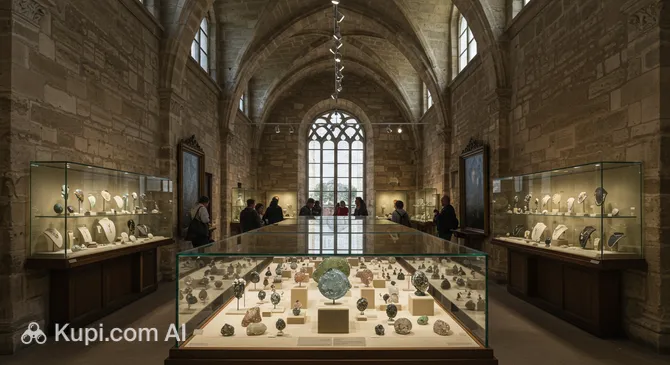
Lapidary Museum
Lapidary Museum. Иллюстрация. Источник: Kupi.com AI

The museum is a key branch of the Calvet Foundation and features an impressive collection of sculptures and artifacts from classical Greece, Etruria, Ancient Rome, and the Gallo-Roman period. Visitors are drawn not only to the richness of the collection but also to the architecture itself: the temple's Baroque vaults create a solemn and even mystical backdrop for these silent stone witnesses of history.

You won't find strict glass barriers around many of the exhibits here, allowing you to view ancient bas-reliefs and statues from arm's length. The museum is considered one of the best places in the region for those who want to experience the spirit of antiquity without straying far from the main tourist routes.

Contacts

To plan your visit to the Lapidary Museum, it’s helpful to have current contact details at hand. This will help you check information about current exhibitions or potential schedule changes before your visit.

How to contactContact
Address27 Rue de la République, 84000 Avignon, Франция
Phone+33 4 90 85 75 38
Websitewww.avignon.fr

What to Do

An exciting journey through time awaits you in the museum halls, where every exhibit tells its own story. Visitors can examine in detail the rich collection of ancient sculptures, bas-reliefs, and monumental sarcophagi. One of the main features is the ability to get as close as possible to the ancient artifacts, allowing you to appreciate the skill of ancient stone-cutters and the play of light on the marble.

Be sure to pay attention to the following objects:

  • The Masks of Vaison, striking in their expressiveness;
  • A graceful reproduction of the famous "Apollo Sauroktonos" (the Lizard Slayer) by Praxiteles;
  • Unique Etruscan funerary monuments and early Christian stelae.
For lovers of small plastic arts, the museum displays ancient lamps, vases, and ceramics found during excavations in the city's surroundings.

The atmosphere of the former Baroque chapel is perfect for quiet contemplation. You can sit on the stone plinths to view the mosaics or the details of the giant columns from the right angle. During the summer, temporary exhibitions are often held here, supplementing the main collection with modern research or rare finds from the Calvet Foundation’s vaults. It is the perfect place to swap the noisy bustle of the central streets for the cool silence of museum halls for half an hour.

Getting There

Finding the attraction is very easy—the museum is located on one of the city's main arteries, Rue de la République. If you arrive at the Avignon Centre railway station, a leisurely walk to the entrance will take no more than 10–15 minutes. The central part of the city is quite compact, so a walking route is the most pleasant and logical way to get around.

For those who prefer public transport, city buses stop near the museum. If you are arriving from outlying areas or neighboring cities by taxi, simply give the driver the name of the museum or the address—this place is well known to all locals. For visitors arriving from Marseille Airport, it is most convenient to take a train to the Avignon TGV station and then transfer to a local express or tram heading to the center.

Vehicle traffic is limited inside the old city, so if you are traveling by car, it is recommended to leave it at one of the park-and-ride lots outside the fortress walls and continue on foot or by a special shuttle. The museum is within direct sight of many popular tourist trails leading to the city's main squares.

Ближайший город: Avignon

History & Facts

The history of the building that houses the collection today is just as fascinating as the artifacts themselves. This majestic Baroque structure was originally the chapel of the Jesuit College. Construction began in 1616 under the direction of architect Étienne Martellange, and later the work was continued by François de Royers de la Valfenière, who completed the nave walls by 1620. The high architectural value of the building was officially recognized in 1928 when it was granted the status of a historic monument.

The museum settled within these walls in 1933, but it acquired its modern appearance and specialization in the 1980s. It was then that the extensive archaeological collections from the Calvet Museum were transferred here. Today, this place serves as a repository of memories regarding the succession of civilizations in Provence, presenting unique evidence of the presence of Greeks, Romans, and Gauls.

Among the most valuable exhibits is the Lauris-Puyvert stela, made of local limestone, and the famous Menodotos stela. The latter depicts a woman in traditional clothing next to a man, framed by elegant Corinthian columns. These finds allow historians to reconstruct the details of daily life and religious beliefs of ancient society piece by piece.

Special attention is deserved by the Glykon stela from the 4th century BC, which depicts the deities Hecate, Demeter, and Men. Such artifacts make the Lapidary Museum one of the most important centers for the study of epigraphy and ancient sculpture in the south of the country, highlighting the city's status as an important cultural crossroads of Europe.

Time Needed

For a thoughtful look at the main collection of the Lapidary Museum, a typical visitor will need between 30 and 60 minutes. This time will allow you to walk through the halls of the former chapel without rushing, examine the most interesting bas-reliefs, and read the explanatory plaques for the key exhibits.

If you are a passionate lover of archaeology or ancient history, plan to spend a little more than an hour here. The close proximity of objects without glass cases practically invites you to linger and study the finest details of the carvings or photograph the ancient inscriptions. In any case, it is a great option for a short and educational stop during a larger tour of the city.

Working Hours

The operating schedule of the Lapidary Museum is quite convenient for tourists, but it is worth noting the midday break traditional for the region. Generally, the museum doors are open from Tuesday to Sunday. Monday is a day off when the museum is completely closed to visitors.

The standard hours are from 10:00 AM to 1:00 PM and from 2:00 PM to 5:00 PM (until 6:00 PM in some seasons). Since the schedule may change due to holidays or special exhibitions, we strongly recommend checking the information on the official website before your visit.

DayWorking hours
понедельникЗакрыто
вторник10:00–13:00, 14:00–17:00
среда10:00–13:00, 14:00–17:00
четверг10:00–13:00, 14:00–17:00
пятница10:00–13:00, 14:00–17:00
суббота10:00–13:00, 14:00–17:00
воскресенье10:00–13:00, 14:00–17:00

Nearby

Exploring the surroundings of the Lapidary Museum can significantly enrich your trip. Its location in the heart of the city makes it easy to combine a look at the ancient stones with a visit to other iconic sites, each of which holds its own secrets and legends.

A walk from the museum to the papal residence or the famous bridge takes only a few minutes, allowing you to move smoothly from one historical era to another. The table below shows the closest interesting sites to include in your itinerary.

NameDistance
Angladon Museum0.1 km
Le Violette Restaurant & Bar0.2 km
Collection Lambert0.2 km
Calvet Museum0.2 km
Léo Léa0.4 km
Les Halles Market of Avignon0.4 km
Basilica of Saint Peter0.4 km

Reached the end of the page?

That means the route is fully explored