Support

German Hygiene Museum

About

The Deutsches Hygiene-Museum, also known informally as the "Museum of Man," is a unique and fascinating institution located in the city of Dresden, Germany. This medical museum offers visitors of all ages a chance to dive into the world of the human body, health, and science, making complex topics accessible and engaging.
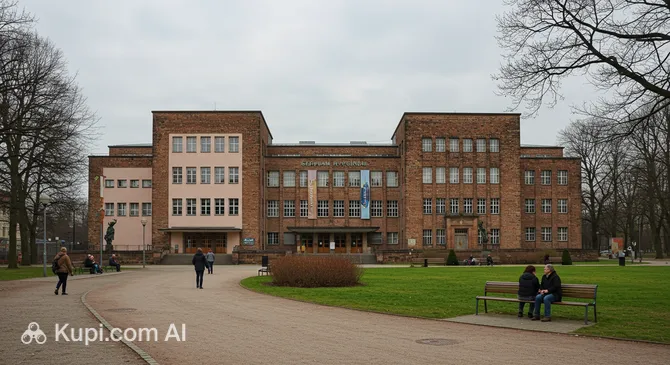
German Hygiene Museum. Illustration.
Source: Kupi.com AI

Traveler photos:

Originally founded as a public educational center for hygiene, the Deutsches Hygiene-Museum has significantly expanded its mission over time. Today, it serves as an important cultural and educational space that aims not just to inform, but to inspire a more conscious attitude toward one's own health and the world around us.

The museum's exhibitions cover a wide range of topics that go far beyond the original concept of hygiene. Here, you can explore human anatomy, learn about the principles of healthy nutrition and the importance of personal hygiene, and gain information on the prevention of various diseases. The museum also touches on aspects of human history through the prism of health and the body, as well as cultural characteristics related to these issues.

Thanks to interactive exhibits, visual models, and modern multimedia technologies, a visit to the Deutsches Hygiene-Museum turns into a real adventure. It is a place where science becomes understandable and exciting, leaving visitors with vivid impressions and practical knowledge for everyday life.

Contacts

For the most up-to-date information on opening hours, ticket prices, and special exhibitions at the Deutsches Hygiene-Museum, it is recommended to visit the museum's official website or consult local information sources in Dresden. Below are the available contact details:

How to contactContact
AddressLingnerpl. 1, 01069 Dresden, Germany
Phone number+49 351 4846400
Websitewww.dhmd.de

What to Do

Visitors to the Deutsches Hygiene-Museum can immerse themselves in a fascinating exploration of the human body and health. The exhibitions offer a detailed look at human anatomy, principles of healthy nutrition, the importance of personal hygiene, and ways to stay healthy. You can visually explore how our body is structured and get answers to many questions about its functions.

The central exhibit and the true pride of the museum is the famous "Glass Man". This unique transparent model of a human, created in 1930, was a worldwide sensation and continues to capture the imagination today. The "Glass Man" symbolizes faith in science and the quest for knowledge, allowing visitors to literally look inside the human body and examine its complex structure. Seeing this exhibit is one of the key highlights of the visit.

The museum actively uses modern approaches to presenting information, making scientific knowledge accessible and interesting for visitors of all ages. Interactive displays, visual models, and multimedia installations turn the study of complex topics into an engaging process. Here, you can do more than just look; you can interact with some of the exhibits, receiving detailed and clear explanations of various aspects of the human organism. This makes a visit to the Deutsches Hygiene-Museum a truly educational and memorable experience.

Getting There

The Deutsches Hygiene-Museum is located in Dresden, and getting there is quite simple using the city's transport system. Dresden boasts a well-developed public transport network, making travel around the city convenient for tourists.

One of the most popular ways to reach the museum is by public transport. You can likely reach it by tram or bus. It is recommended to check the current routes and numbers on the official website of the Dresden transport company (DVB) or use online maps, entering the Deutsches Hygiene-Museum as your destination. Public transport stops are usually within walking distance of the museum.

For those who prefer more comfort or are traveling on a tight schedule, a taxi is always an option. A taxi ride from the center of Dresden or the main railway station (Dresden Hauptbahnhof) to the museum will not take long and is moderately priced. You can also use popular ride-hailing services via mobile apps.

Before your trip, we advise checking the most convenient route on the official Deutsches Hygiene-Museum website, which often provides detailed information for visitors, including the nearest public transport stops and helpful landmarks.

Nearest city: Dresden

History & Facts

The history of the Deutsches Hygiene-Museum is inextricably linked with the name of Karl August Lingner, a German entrepreneur and creator of the famous Odol mouthwash. The idea for the museum was born after the First International Hygiene Exhibition held in Dresden in 1911. Inspired by the exhibition's success, Lingner founded the museum in 1912. His primary goal was to educate the general public, especially those with limited means, on matters of sanitation and hygiene. At the time, this was particularly relevant due to the urgent need to improve public health through the spread of knowledge and the opening of new educational and medical facilities.

Anatomist Werner Spalteholz made a significant contribution to the formation of the museum's initial collection. A major milestone in the museum's development was the Second International Hygiene Exhibition in 1930. For this event, the Deutsches Hygiene-Museum moved into a new, purpose-built building designed by the famous architect Wilhelm Kreis. It was then, in 1930, that the legendary exhibit — "The Glass Man" — was created. This unique transparent model of the human body instantly became the museum's main attraction and a symbol of scientific enlightenment, drawing visitors from all over the world.

Unfortunately, the tragic events of World War II did not spare the museum. In February 1945, during the heavy bombing of Dresden, a large part of the museum building and its valuable exhibits were destroyed. However, despite such serious damage, the Deutsches Hygiene-Museum was subsequently restored. It not only resumed its operations but also continued its important educational mission, eventually establishing itself as one of the key cultural and educational centers of Dresden and all of Germany.

Time Needed

When planning a visit to the Deutsches Hygiene-Museum in Dresden, you should set aside at least 2–3 hours for your tour. This is usually enough time to see the main permanent exhibitions, including the famous "Glass Man," and get a general overview of the museum's themes. The museum offers many interactive elements and detailed information, so there is no need to rush.

If you wish to dive deeper into each topic, study all the interactive displays, read most of the information panels, and perhaps visit the temporary exhibitions frequently held at the museum, then you should plan for half a day (about 4–5 hours). This is especially recommended for visitors with children or those with a deeper interest in medicine, biology, and health issues.

Overall, the Deutsches Hygiene-Museum offers enough content to keep you engaged for a long time. It is recommended to check for special programs or guided tours on the day of your visit, as these may also affect your total stay time. However, even a brief tour will leave you with a wealth of impressions and useful knowledge.

Working Hours

The Deutsches Hygiene-Museum in Dresden is generally open to visitors year-round, but opening hours may vary depending on the season, the day of the week, or special events. To get the most accurate and up-to-date information on opening times and any possible changes to the schedule, it is strongly recommended to visit the museum's official website before planning your visit. Information on ticket prices and current exhibitions is also usually posted there.

Typically, advance ticket booking is not required for individual visits to the permanent exhibition, but it may be recommended or even mandatory for group tours or popular temporary exhibitions, especially during peak tourist seasons. Checking this information on the official website will help you plan your visit effectively and avoid any potential inconvenience.

DayOpening hours
MondayClosed
Tuesday10:00 – 18:00
Wednesday10:00 – 18:00
Thursday10:00 – 18:00
Friday10:00 – 18:00
Saturday10:00 – 18:00
Sunday10:00 – 18:00

Nearby

A visit to the Deutsches Hygiene-Museum in Dresden is a fascinating adventure in itself. However, to make your trip even more fulfilling and memorable, it's worth exploring the attractions located nearby. Discovering the surrounding area will allow you to get to know this beautiful city better and uncover new interesting spots.

Near the museum, you will find other cultural sites as well as places for relaxation and leisure. This is a great opportunity to combine an educational museum visit with an exploration of other facets of Dresden, enriching your travel itinerary.

NameDistance
Georg Arnhold Bath0.3 km
Mamma Mia Restaurant0.7 km
Dresden Zoo0.8 km
Church of Our Lady Dresden0.9 km
Brühl's Terrace1 km
Las Tapas1 km
Dresden Transport Museum1 km

Have you reached the end of the page?

So the route has been studied inside and out