Support

Imperial Palace of Goslar

Nearby places of interest

About

The Imperial Palace of Goslar (Kaiserpfalz Goslar) is a majestic architectural complex located at the foot of Rammelsberg Mountain in the picturesque town of Goslar. This historical and cultural monument is one of the most significant medieval secular buildings in Germany. For centuries, it served as a temporary residence for the Holy Roman Emperors, making it a key site for understanding German history.
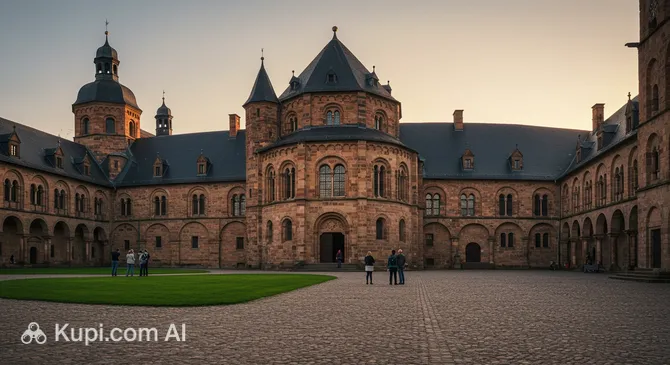
Imperial Palace of Goslar. Illustration.
Source: Kupi.com AI

Traveller photos:

The palace is striking in its scale and is considered the largest and best-preserved 11th-century palace complex in the country. The central building, known as the Kaiserhaus, is the oldest and largest surviving secular building of its era. Its mighty walls and Romanesque architecture transport visitors back to the days of knights and monarchs.

Today, the complex is open to tourists. You can wander through the palace halls adorned with monumental 19th-century murals depicting scenes from the empire's history. An integral part of the complex is St. Ulrich’s Chapel, where the heart of Emperor Henry III is kept in a special sarcophagus—a unique relic that emphasizes the monarch's special connection to this place.

Visiting the Imperial Palace is a unique opportunity to touch the medieval history of Europe. Together with the old town of Goslar and the former Rammelsberg mines, the palace is included in the UNESCO World Heritage list, confirming its exceptional cultural value.

Contacts

To get the latest information on opening hours, ticket prices, and special events at the Imperial Palace of Goslar, it is recommended to visit the official website or contact the tourist information centers in Goslar. There, you can find precise contact details to plan your visit effectively.

How to contactContact
AddressKaiserbleek 6, 38640 Goslar, Germany
Phone+49 5321 704437
Websitekaiserpfalz.goslar.de

What to Do

A visit to the Imperial Palace of Goslar is an immersion into the history of the Holy Roman Empire. The main focus for visitors is the Kaiserhaus, the primary building of the complex. Here, you can spend hours examining the luxurious interiors and the unique murals created in the 19th century by the artist Hermann Wislicenus. These large-scale paintings narrate key events in German history in detail, allowing you to literally touch the past.

The architectural details of the palace are equally impressive. Travelers can admire the elegant spiral staircase leading to the ancient chapel and appreciate the craftsmanship of medieval builders by observing fragments of the glazed gallery and massive columns that still preserve the spirit of the era. On the grounds, you can also see what remains of the once-grand Church of St. Simon and St. Jude, including elements of the original masonry and decorative sandstone railings of the imperial throne.

A walk through the palace grounds reveals other interesting objects. There is an impressive monument to Emperor Wilhelm I, created by the sculptor Walter Schott in the late 19th century. To better understand the significance of this unique site located in the city of Goslar, it is recommended to join a guided tour. Experienced guides will tell you about the palace's history, its architectural features, and the role it played in Germany's life throughout the centuries.

Getting There

The Imperial Palace is located in the picturesque southern part of the city of Goslar, right at the foot of Rammelsberg Mountain. Reaching the city is quite simple, especially by train. Goslar has convenient rail connections to major cities in Germany, such as Hanover or Braunschweig, making it an excellent destination for a day trip or part of a larger regional journey.

From Goslar railway station, you can walk to the Imperial Palace in about 15 minutes. If you are already in the historic center, the walk takes about 10–15 minutes—simply follow the signs marked "Kaiserpfalz." For those who prefer public transport, local buses stop near the palace complex. Travelers arriving by car can use parking lots located near the center and continue on foot, enjoying the atmosphere of the ancient streets.

Nearest city: Goslar

History & Facts

The Imperial Palace of Goslar, known as the Kaiserpfalz, is one of the most outstanding monuments of Romanesque architecture in Germany. Its history dates back to the 11th century: construction began between 1040 and 1050 by order of the Holy Roman Emperor Henry III. Designed by the architect Benno II, the future Bishop of Osnabrück, the palace served as one of the primary residences for the rulers of the Salian dynasty and a center of political life in medieval Europe for many years.

The palace was not just a residence, but a venue for crucial state events, including imperial diets and lavish receptions. A noteworthy detail is associated with this site: Emperor Henry III was so attached to Goslar and his palace that he requested his heart be buried here. After his death in 1056, the emperor's wish was fulfilled, and his heart found its resting place in the palace's St. Ulrich’s Chapel, making this site truly unique.

Over time, following the fall of the dynasty, the palace lost its former significance and gradually fell into disrepair. By the 19th century, the majestic building was in a deplorable, almost ruined state. The palace's revival occurred in 1879 thanks to the initiative of Emperor Wilhelm I, who ordered its full restoration. These extensive works preserved the unique historical complex for future generations.

Today, the Imperial Palace is a jewel of the region. In 1992, together with the historic center of Goslar and the ancient Rammelsberg Mine, it was added to the UNESCO World Heritage list. This status highlights the exceptional cultural and historical value of the complex, attracting tourists from all over the world who wish to experience Germany's grand past.

Time Needed

To fully enjoy a visit to the Imperial Palace of Goslar, you should plan for about 1.5–2.5 hours. This is enough time to explore both the interior exhibitions and the surrounding grounds without rushing, while soaking in the historical significance of a place that was once the heart of the Holy Roman Empire.

Most of your time will be spent exploring the Kaiserhaus itself—the main palace building with its impressive halls and monumental 19th-century murals. Don't forget to visit St. Ulrich’s Chapel, a unique structure closely tied to the history of the emperors. The remaining time can be spent on a leisurely stroll across the palace square, where you can admire the famous equestrian statues and take beautiful photos against the backdrop of this majestic edifice.

Working Hours

The Imperial Palace of Goslar is generally open to visitors throughout the year. Standard opening hours for guests are daily from 10:00 AM to 5:00 PM. This provides ample time to immerse yourself in the medieval atmosphere and view the palace's impressive exhibits without rushing.

It is important to remember that the schedule may change depending on the season or during special events. To avoid any inconvenience and plan your visit effectively, it is highly recommended to check the current opening hours and visiting conditions on the official website before your trip. Information regarding the need for advance ticket booking can also be found there.

DayOpening hours
MondayClosed
Tuesday10:00 – 17:00
Wednesday10:00 – 17:00
Thursday10:00 – 17:00
Friday10:00 – 17:00
Saturday10:00 – 17:00
Sunday10:00 – 17:00

Nearby

A visit to the magnificent Imperial Palace of Goslar is undoubtedly a highlight for any visitor to the city. However, to truly capture the spirit of this place, it is worth venturing beyond the palace walls to explore its picturesque surroundings. Goslar is a true treasure trove where history comes alive on every street, and new discoveries await you just around the corner.

Since the historic city center is very compact, most other points of interest are within a few minutes' walk from the palace. This makes it easy to combine your main visit with unique museums, ancient squares, and cozy cafes, providing a complete picture of Goslar's cultural richness.

NameDistance
Goslar Tin Figure Museum0.3 km
Vistory Museum Goslar0.3 km
Market Square0.4 km
Köpi the Market – SKY Bar0.4 km
Zwinger Castle Museum0.5 km
Kaiser Passage0.5 km
Müller's Tapas & Steak0.6 km

Reached the bottom of the page?

Looks like you know this route inside out