Support

Germanic National Museum

About

The Germanic National Museum (Germanisches Nationalmuseum) in Nuremberg, Germany, is not just a museum but a true cultural treasury, being the largest museum of art and history in the German-speaking world. If you are interested in the history, art, and culture of the Germanic peoples, this place must be on your list. The museum offers a unique immersion into the past, covering a vast period from the Stone Age to the present day.
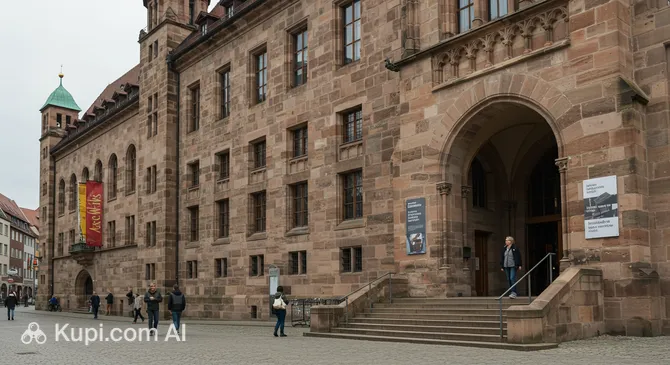
Germanic National Museum. Illustration.
Source: Kupi.com AI

Traveler photos:

The collection of the Germanic National Museum is truly impressive, featuring about 1.3 million exhibits. Here, you will find everything from masterpieces of painting and sculpture to decorative arts, from ancient historical artifacts to unique scientific instruments. Of particular interest are the collections of toys and everyday items that vividly illustrate daily life across different eras. Each hall opens a new page of history and culture, making a visit to the museum a fascinating journey through time.

The museum complex itself is also worth noting. It is housed in the buildings of a former Carthusian monastery, which gives it a special atmosphere. The historic architecture blends harmoniously with modern exhibition spaces, creating ideal conditions for exploring its rich heritage. Walking through its halls is an opportunity not only to see valuable exhibits but also to touch the history of Nuremberg itself.

Contacts

Planning a visit to the Germanic National Museum? The most accurate and up-to-date information regarding opening hours, ticket prices, and contact details is best checked on its official resources. This will help you plan your visit effectively and avoid any surprises.

How to contactContact
AddressKartäusergasse 1, 90402 Nürnberg, Germany
Phone number+49 911 13310
Websitewww.gnm.de

What to Do

Immerse yourself in the world of art and history by exploring the extensive collections of the Germanic National Museum. Here, you can see with your own eyes famous works by Albrecht Dürer and impressive sculptures by Adam Kraft. Don't miss the chance to examine unique artifacts such as Martin Behaim's first globe, Celtic figurines dating back to the 17th century BC, or the world's only historical collection of puppet theaters. Stroll through halls dedicated to different eras, styles, and movements in art and culture, discovering the diversity of Germanic heritage.

In addition to the permanent exhibition, the museum offers a rich program for visitors. Look out for temporary exhibitions, which often feature rare items or focus on specific themes. To gain a deeper understanding of the collections, you can join themed tours or use modern multimedia guides. For guests of all ages, including families with children and specialists in history and art, the museum regularly hosts educational programs, engaging workshops, and interactive events, making every visit educational and memorable.

Getting There

The Germanic National Museum is conveniently located in the heart of Nuremberg, making it easily accessible for visitors. It sits near the city's main tourist routes, so you will have no trouble finding it while strolling through the historic center. Thanks to a well-developed public transport system, getting to the museum is a breeze: there are tram and bus stops nearby, as well as a metro station, allowing you to choose the most convenient way to travel.

If you arrive in Nuremberg by train, the Germanic National Museum is just a 10-15 minute walk from the city's main railway station. It is a pleasant walk that lets you soak in the city's atmosphere before even entering the museum. This option is especially convenient for those who value their time and prefer walking routes.

For those traveling by car, there are parking zones in the vicinity of the museum. This allows you to leave your car and enjoy the exhibition peacefully without worrying about finding a spot. Additionally, the museum's excellent location makes it easy to combine your visit with other Nuremberg attractions, many of which are within walking distance.

Nearest city: Nuremberg

History & Facts

The history of the Germanic National Museum dates back to the mid-19th century. It was founded in 1852 through the initiative and passion of Baron Hans Philipp von Aufseß, who gave it its original name — the Germanic Museum (Germanisches Museum). This visionary collector and cultural researcher sought to create not just a storehouse for artifacts, but a true center for studying and preserving the rich cultural heritage of the Germanic peoples.

The core of the museum's initial collection was von Aufseß's personal collection. Since the 1830s, the Baron had been passionately collecting German paintings, and it was these works that formed the basis of the future grand exhibition. From its inception, the museum set the ambitious goal of becoming the leading institution dedicated to German culture and history, a mission that remains relevant today, attracting researchers and art lovers from around the world.

The modern appearance of the Germanic National Museum has been shaped over many decades. Notably, it incorporates the buildings of Nuremberg's former Carthusian monastery, adding a special historical depth and atmosphere to the site. A major milestone in the museum's development was a large-scale reconstruction completed in 1996. This modernized the museum spaces, creating contemporary exhibition halls and improved infrastructure for storing and displaying the vast collections, allowing visitors to fully enjoy the treasures of German culture.

Time Needed

When planning a visit to the Germanic National Museum, you should expect to spend a significant amount of time exploring it. For a general introduction to the main exhibitions and to get a sense of the scale of the collection, it is generally recommended to set aside at least 3–4 hours. This will allow you to walk through the key halls, see the most famous exhibits, and form an overall impression of the museum's wealth.

However, if you are a big fan of history or art, or simply want a deeper dive into the collections, you should plan significantly more time for your visit to the Germanic National Museum. True enthusiasts who want to see all sections in detail, including temporary exhibitions that often complement the permanent collection, may need almost an entire day. Given the enormous number of exhibits covering various eras and cultural aspects, there is no need to rush.

Working Hours

The Germanic National Museum is usually happy to welcome visitors from Tuesday to Sunday, with Monday traditionally being a closing day. It is important to keep in mind that opening hours may change depending on the season and public holidays. Therefore, to ensure your visit is as comfortable as possible, we strongly recommend checking the current schedule directly on the museum's official website before your trip.

Although the Germanic National Museum is generally open to guests year-round, specific opening hours may vary across seasons. Information on whether advance ticket booking or registration for certain tours is required is also best checked on official resources. This will help you plan your visit in advance and avoid potential inconveniences, ensuring a pleasant experience discovering the vast collections.

DayOpening hours
MondayClosed
Tuesday10:00 – 18:00
Wednesday10:00 – 20:30
Thursday10:00 – 18:00
Friday10:00 – 18:00
Saturday10:00 – 18:00
Sunday10:00 – 18:00

Nearby

A visit to the Germanic National Museum in Nuremberg will undoubtedly be one of the highlights of your trip. However, to make your experience even richer and more multifaceted, we recommend exploring its surroundings as well. This will allow you to immerse yourself deeper in the city's atmosphere and discover other equally interesting places.

Often, the most memorable moments of a trip come from spontaneous walks and unexpected finds. A stroll through the area adjacent to the Germanic National Museum can provide exactly these kinds of discoveries, complementing your cultural program with new emotions and impressions of Nuremberg. Below is a list of some attractions located nearby:

NameDistance
Brewery at the Opera House0.1 km
Escape Room Nuremberg0.2 km
New Museum Nuremberg0.3 km
Kokono Nürnberg0.3 km
Padelle d'Italia0.4 km
Travolta Nuremberg0.4 km
Nuremberg Deutsches Museum – Museum of the Future0.6 km

Have you reached the end of the page?

So the route has been studied inside and out