Support

Daman

About

Daman is a small but incredibly colorful town on the west coast, nestled right on the shores of the Arabian Sea. Administratively it is part of a union territory, but in spirit, it is a truly special place. The town lies at the mouth of the Daman Ganga River, which gives it a unique charm: the waterfronts breathe with the sea breeze, and life flows at a calm and relaxed pace.

Geographically, the town covers an area of about 74 square kilometers, with a population of approximately 124,000 people. This is a corner where India reveals an unexpected side, offering travelers a unique blend of tropical climate and European heritage. The weather here is generally warm and sunny, making walks along the coast pleasant at any time of year, except during the active monsoon season.
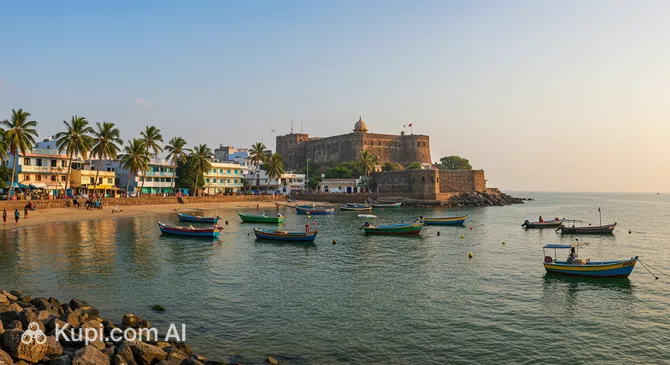
Daman. Illustration.
Source: Kupi.com AI

Daman's past gives it a special charm. Since the 16th century, Daman was a Portuguese colony, and this influence is still clearly felt today. The rich history of Daman is captured in majestic forts, old Catholic churches, and colonial buildings that seem to transport guests back to the Age of Discovery. Here, you can wander endlessly through the streets, exploring the forts of Moti Daman and Nani Daman, or enjoy the silence in shady courtyards.

Daman is an ideal destination for those tired of the hustle and bustle of megacities and seeking harmony. It is a place where you can successfully combine educational excursions to architectural monuments with serene relaxation on the beach. Come here to feel like an explorer discovering treasures of the past and simply to enjoy a moment of peace by the endless sea.
Weather Overview

Weather in Daman is mild and comfortable for most of the year, making this coastal town attractive to travelers. The climate here is tropical, with distinct seasons heavily influenced by the proximity of the Arabian Sea. Expect hot summers, a rainy season with high humidity, and pleasant, dry winters.

The best time to visit is during the winter months, from December to February. In January, the average temperature stays around 22.8°C: nights bring coolness (around 18.9°C), and during the day, the air warms up to a comfortable 26.6°C. This is the driest period, when the probability of precipitation is near zero. In spring, it gets hotter: in April and May, average temperatures reach 29–30°C, and maximum values can exceed 32°C.

With the arrival of June, the monsoon season begins and lasts until September. During this time, the climate becomes humid and windy. July and August are the rainiest months, with precipitation possible almost every day (up to 31 days with rain), although the temperature remains warm, around 27°C. By October, the rains cease, and the number of sunny days increases again, signaling the start of the high tourist season.

Average monthly temperature

Average monthly precipitation

Interesting Facts

Beyond its main attractions, Daman holds many fascinating secrets and historical features. This town can surprise travelers with its unique blend of cultures and unexpected facts that reveal themselves only to the observant eye.
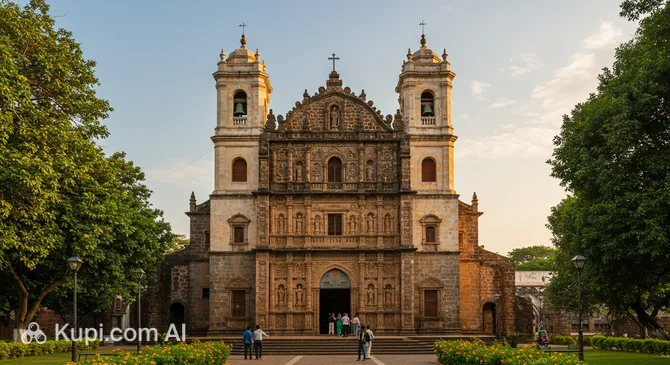
Bom Jesus Church. Illustration.
Source: Kupi.com AI

Traveler photos:

  • The Naming Paradox: Historically, the town is divided by a river into two parts—Moti Daman ("Big Daman") and Nani Daman ("Small Daman"). Interestingly, today the situation is the exact opposite: the "small" Nani Daman Fort is surrounded by a noisy, densely populated modern city with markets and hotels, while "big" Moti Daman has remained a quiet administrative center that preserves the atmosphere of an old colonial settlement.

  • An Alcohol Oasis: Daman possesses a special status that attracts many tourists from neighboring regions. Unlike the bordering state of Gujarat, where strict prohibition is in effect, the free sale of alcohol is permitted here. This makes the town a popular destination for city dwellers coming to relax on weekends.

  • Europe in India: Portuguese rule here lasted for over four centuries, until 1961. This influence is so strong that walking through the old quarters and looking at the Church of Bom Jesus, it's easy to forget you're in Asia. European roots are still visible today in the architecture, local cuisine, and even the names of residents.

  • Origin of the Name: It is believed that the town's name comes from the Daman Ganga River, at the mouth of which it is situated. For centuries, this river served as an important trade artery and a natural harbor around which the Portuguese built their impregnable fortifications to protect sea routes.

How to Get There

When planning a trip to this coastal town, it's important to keep in mind that there is no direct air service. However, the region's well-developed transport network allows you to reach it easily through nearby major cities. You can find out more about how to get to Daman by studying the main routes via the nearest airports and stations.

Since there is no airport in Daman itself, most travelers fly into Chhatrapati Shivaji Maharaj International Airport (IATA: BOM) in Mumbai. This is one of the country's largest aviation hubs, receiving flights from all over the world. It is located about 145 km from Daman. The journey by taxi or bus will take about 4 hours, depending on traffic.

A closer alternative is Surat Airport (IATA: STV), located in the city of Surat, just 80 km from your destination. This is a regional airport, convenient for domestic flights. The journey from here to Daman by car takes about 2–2.5 hours. You could also consider flying into Nashik, but it serves fewer flights.

For clarity, here is a summary of the main airports:

AirportPassenger trafficDistance
Surat Gujarat Airport1.7 mln80 km
Gandhinagar Airport341 112117 km
Chhatrapati Shivaji International Airport54.8 mln145 km
Navi Mumbai International Airport20 mln158 km
Bhavnagar Airport74 503164 km

In addition to air travel, the railway is a popular way to reach the city. Although there is no railway station in Daman itself, the major station of Vapi is only 12 km away. It is located on the main line connecting Mumbai and Ahmedabad and receives many trains daily. From Vapi station, you can easily reach central Daman by auto-rickshaw or taxi in 20–30 minutes.

Main Attractions

Daman is a true treasure trove for the curious tourist, where history is closely intertwined with natural beauty. The town offers travelers a unique opportunity to see majestic colonial fortifications and enjoy a serene holiday on the shores of the Arabian Sea in a single day. The main attractions here are located compactly, making sightseeing comfortable and untiring.

One of the region's hallmarks is Jampore Beach. This place is famous for its calm atmosphere and unusual dark-hued sand. The beach is surrounded by a dense grove of Casuarina trees, providing pleasant shade that makes it perfect for picnics and long walks. The entrance to the sea is gentle here, making it safe for swimming even with children, and outdoor enthusiasts can enjoy horse or camel rides right along the shore.

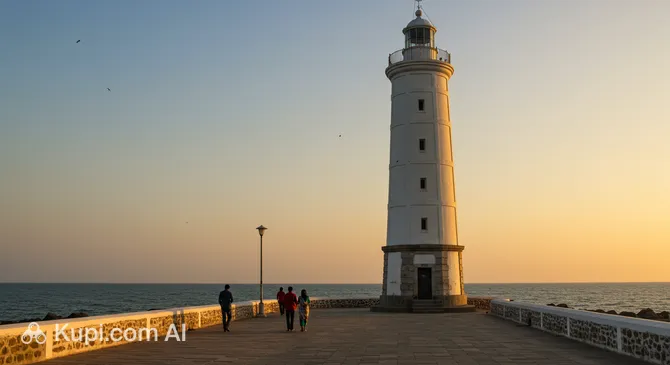
It is impossible to imagine the town's panorama without its famous guardian—the Daman Lighthouse. This majestic structure not only serves a navigational function but also acts as a popular observation deck. It offers breathtaking views of the sea and the city's fortifications, especially impressive at sunset when the sun paints the sky and water in golden tones.

Daman Lighthouse. Illustration.
Source: Kupi.com AI

Traveler photos:

History buffs should pay attention to Nani Daman Fort. This fort, built by the Portuguese, is smaller in size than its neighbor in Moti Daman but is no less charming. High stone walls, ancient cannons, and preserved architecture transport visitors to an era of naval battles and great discoveries. Inside the fort, a sense of peace prevails, contrasting with the bustling streets of the modern town outside.

Another reminder of the rich past is the Dominican Monastery. Once a majestic center of theology that attracted scholars from around the world, today only picturesque ruins remain, which nonetheless preserve a spirit of grandeur. A walk among the ancient arches and walls with remains of stucco will be a true journey through time for those who appreciate architectural aesthetics and silence.

Local Cuisine

Local cuisine in Daman is a vibrant gastronomic adventure where Indian traditions have harmoniously blended with Portuguese heritage and Gujarati flavor. Thanks to its location on the coast of the Arabian Sea, the town offers gourmets an abundance of fresh seafood dishes. The food here is characterized by rich flavors, generous use of spices, and special cooking methods passed down through generations.

The stars of any meal here are the gifts of the sea. You must try the signature fish curry, prepared with coconut milk and local spices, served with fluffy rice. Fried food lovers will enjoy fish in a spicy marinade or crispy bombil fry (Bombay duck). Equally popular are dishes made from crab, lobster, and tiger prawns, often cooked in a garlic butter sauce or grilled.

Shree Hanumant Thal. Illustration.
Source: Kupi.com AI

Traveler photos:

The sweet side of Daman's cuisine is inextricably linked to its colonial past. In local cafes and bakeries, you can find traditional Portuguese desserts such as bebinca—a layered pudding made of coconut milk, eggs, and nutmeg, or the famous pasteis de nata custard tarts. These treats pair perfectly with a cup of strong coffee or tea, creating the atmosphere of a cozy European siesta in the middle of an Indian town.

The drink culture deserves special attention. Due to its union territory status, alcohol prices here are significantly lower than in neighboring states, and the selection is impressively diverse. Tourists can sample local wines and liqueurs, which often make a pleasant addition to dinner. On the streets, the aroma of street food reigns: try the spicy fish cutlets, samosas with spicy fillings, or tapioca snacks sold in numerous stalls along the waterfronts.

Travel Tips

A trip to Daman promises to be relaxing and interesting, but a little preparation will make it perfect. Here are some tried-and-tested recommendations to help you avoid minor troubles and focus on your holiday in this colorful corner of India.

  1. Clothing and Essentials: The climate here is hot and humid, so opt for loose clothing made from natural fabrics (cotton, linen). Comfortable flat shoes are essential for walking through the massive stone forts. Don't forget sunglasses and a hat. If you plan to visit active Catholic churches, observe the dress code: shoulders and knees should be covered.
  2. Transport: There is no metro in the town, and buses run irregularly. The most convenient way to get around is by auto-rickshaw. Important: always agree on the price of the trip in advance, before getting in, as drivers rarely use meters. To cross between Nani Daman and Moti Daman, be sure to use the boats—it's cheap, fast, and scenic.
  3. Finances: The official currency is the Indian Rupee. While major hotels accept cards, Daman is a cash-driven town. Small shops, cafes, and rickshaws only work with cash. ATMs are available in the center, but they may be out of order or out of cash, so it's better to withdraw money beforehand in a major city or at the airport. Tipping (around 10%) is appreciated but not a strict obligation.
  4. Health and Safety: Drink only bottled water and check the seal when buying. Due to the proximity to water and the tropical climate, there are many mosquitoes, so repellent is a necessity, especially in the evening. Pharmacies are available in the market area, but it's better to have specific medications with you.
  5. Communication: Hotel and restaurant staff in tourist areas understand English reasonably well. Locals speak Gujarati and Hindi. Learning a few words, such as "Namaste" (hello) or "Dhanyavad" (thank you), will show respect and earn you a warmer reception. Wi-Fi is available in hotels, but mobile internet (Jio or Airtel) works more reliably.
  6. Local Etiquette: Indians are friendly but conservative. Greet people with a slight nod. Do not photograph locals, especially women, without their explicit permission. On beaches, despite the relaxed atmosphere, it is not customary to sunbathe topless or in overly revealing swimwear.
  7. What to Avoid: The most important rule—never try to take alcohol from Daman into the neighboring state of Gujarat. Strict prohibition is in effect there, and thorough police checks of vehicles are conducted at the border. Violations can lead to heavy fines and even imprisonment.
  8. Useful Tip: Daman is incredibly popular with weekend tourists from neighboring regions. If you want to enjoy the silence of the ancient streets and peace on the beaches, plan your sightseeing for weekdays. On weekends, the town becomes noisy, and accommodation prices can rise.

By following these simple tips, you can enjoy the colonial charm and coastal scenery of the town without any extra worries. We wish you bright impressions, delicious discoveries, and a safe journey!

Entertainment & Nightlife

Entertainment and Nightlife:

Nightlife in Daman has its own unique flavor, which sets the town apart from neighboring regions. Thanks to its status as a union territory, the strict restrictions on the sale of alcohol characteristic of the state of Gujarat do not apply here. This makes Daman a magnet for tourists looking to relax after sunset. The town comes alive in the evening: signs light up, waterfronts fill with strollers, and music drifts from numerous establishments.

The epicenter of evening entertainment is the Nani Daman district and the area around Devka Beach. This is where most bars, pubs, and open-air restaurants are concentrated. Life here teems until late at night, especially on weekends when guests from megacities flock to the town. The atmosphere in these venues is casual and relaxed: you'll rarely find a strict dress code, and the crowd is set for fun and boisterous recreation.

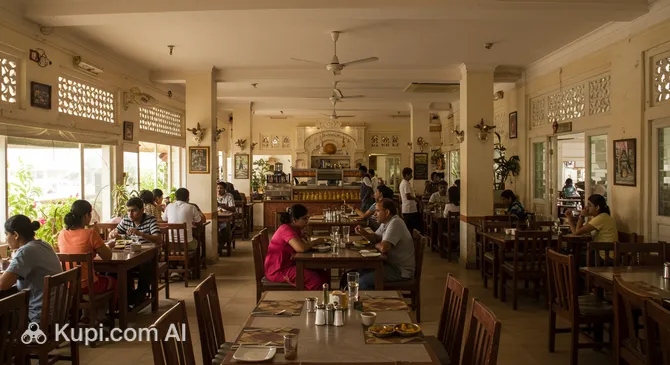
Among the popular spots, Daman Culture Bar stands out. This establishment perfectly captures the spirit of the town: here you can try a variety of drinks at very affordable prices and immerse yourself in the lively local scene. Many bars in Daman offer not only drinks but also excellent cuisine with an emphasis on seafood. For a delicious dinner in a pleasant setting, we recommend visiting Shree Hanumanth Thal, where you can enjoy local delicacies.

Daman Culture Bar. Illustration.
Source: Kupi.com AI

Traveler photos:

Prices in Daman's nightlife venues will pleasantly surprise travelers—they are significantly lower than in Mumbai or Goa. The average bill for dinner with drinks can be quite modest. Most bars stay open until midnight or slightly later. It's worth noting that some establishments are oriented exclusively towards groups of men, so families and couples are better off choosing places marked as "Family Restaurant & Bar" or restaurants at major hotels.

Safety and Transport: Central tourist areas, such as the Nani Daman waterfront, are well-lit and safe for evening strolls. However, tourists are advised not to venture far into unlit areas of the beaches at night. For moving between venues and your hotel, it's best to use auto-rickshaws. Fares may be higher at night, so it's worth agreeing on the price in advance or asking the bar staff to call an official taxi.

If you're looking for daytime entertainment, Daman offers a more relaxed pace. During the day, you can visit local parks, such as the picturesque lakeside garden, or explore historical forts that often serve as venues for cultural events. For water sports enthusiasts, jet ski and boat rentals are available on the beaches, and families with children can visit the small amusement park on the Devka waterfront.

Parks & Museums

While Daman is primarily famous for its beaches and forts, the town also offers cozy green corners where you can relax in the shade of trees, as well as places that immerse you in the region's rich cultural heritage. Here, history lives not only in museum halls but on the streets, in the architecture, and in the ancient fortifications, which are open-air exhibits in their own right.

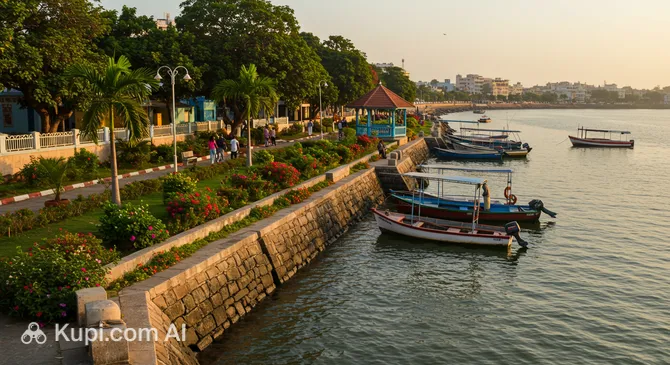
One of the most picturesque places for a stroll is the Moti Daman Jetty Garden. This elegantly designed park is located on the banks of the Daman Ganga River and offers magnificent views of the water and passing boats. It features neat lawns, fountains, and benches, making the garden an ideal spot for a quiet evening. Tourists come here to enjoy the cool river breeze and watch the sunset paint the ancient fort walls in golden hues.

Moti Daman Jetty Garden. Illustration.
Source: Kupi.com AI

Traveler photos:

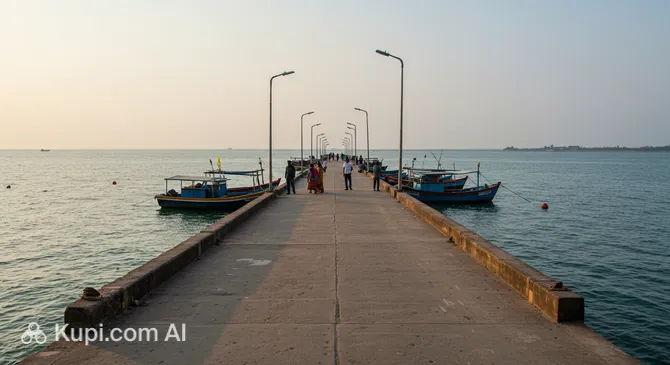
For those who prefer walking by the sea, the Nani Daman Jetty is an excellent choice. Although it's not a classic park, the landscaped waterfront of the pier serves as a popular recreation area. It offers a panorama of the Arabian Sea and the fishing harbor. This spot allows you to observe the daily life of local fishermen and feel the true rhythm of a coastal town while breathing in the fresh sea air.

Serving as the town's main historical "museum" is the majestic St. Jerome Fort. Named after one of the church fathers, this bastion is an outstanding example of colonial military architecture. Passing through the giant gates adorned with a statue of St. Jerome, visitors enter a space where time seems to have stood still. Inside the fortress walls are an old church and a cemetery with Portuguese-era tombstones that tell the town's story better than any guidebook.

The cultural picture is complemented by other natural areas, such as the popular Lake Garden in the Kadaiya area. This is an artificially created park with a lake where you can go boating and see sets often used for filming Indian movies. The garden is famous for its bridges, fountains, and lush greenery, attracting families with children and picnic lovers.

Insider Tip: If you want to take beautiful photos without the crowds, head to the Moti Daman Jetty Garden early in the morning or on a weekday before sunset. At this time, the lights come on, and the view of the river and forts becomes truly magical.

Getting Around

The public transport system in Daman differs significantly from the familiar infrastructure of large metropolises. Here you won't find a metro, trams, or trolleybuses. The town is compact, and the main means of transport providing mobility for both residents and tourists are auto-rickshaws. They come in two types: private ones operating like taxis, and shared ones (shared rickshaws) that run on fixed routes and pick up multiple passengers. Shared rickshaws are the most popular way to get from the nearest railway station, Vapi, to the city center, for example.

Bus services connect the main city districts and suburbs. Municipal buses run regularly between the two main parts—Nani Daman and Moti Daman—and also go to popular beaches and the borders of neighboring states. This is the most budget-friendly form of transport, though you should be prepared for crowded cabins during peak hours, and simple city buses lack air conditioning.

A unique feature of Daman's transport system is the water crossing over the Daman Ganga River. Small wooden boats and ferries connect the piers of Nani Daman and Moti Daman. This is not only a convenient way to shorten the trip by avoiding bridge traffic but also an opportunity to enjoy picturesque views of the ancient forts from the water. Boats run frequently throughout the day and are very cheap.

The fare payment system here is traditional: cash remains the primary and often the only way to pay. Electronic transport cards or validators are not used in the town. Bus tickets are purchased from the conductor on board, and payment for rickshaws and boats is made directly to the driver or boatman. Tourists are strongly advised to always carry a supply of small bills and coins, as change for large banknotes is not always available.

As an alternative to public transport, scooter and motorcycle rentals are very popular. Rental points can easily be found in the tourist areas of Nani Daman. This gives you freedom of movement and allows you to independently explore remote corners of the coast. Taxi-hailing apps (like Uber or Ola) may work inconsistently in Daman or have a limited number of cars, so classic taxis or car rentals with a driver through a hotel remains a more reliable option for comfortable trips.

Main tip for tourists: when getting into a private auto-rickshaw or taxi, always agree on the price in advance. Meters are rarely used, and drivers may quote inflated prices for newcomers. Bargaining is not only appropriate here but expected. Public transport usually operates from early morning until 22:00–23:00, after which finding a budget way to get around becomes harder and private hire prices increase.

Accommodation

Where to Stay:

The choice of accommodation in Daman is quite diverse and can satisfy the needs of travelers with different budgets. The town offers a wide range of options: from inexpensive guesthouses and modest lodges to comfortable mid-range hotels and luxurious beachfront resorts. While there are no massive international hotel chains, local hotels are known for their hospitality and often offer a good level of service.

Tourists usually choose one of two main areas to stay in, depending on their travel goals. If proximity to markets, the bus station, and historical sites is important to you, it's better to stay in Nani Daman. Many budget hotels and guesthouses are concentrated here. For those seeking a relaxed beach holiday and a resort atmosphere, the areas along Devka and Jampore beaches are ideal. These zones feature more spacious hotels with swimming pools and sea views.

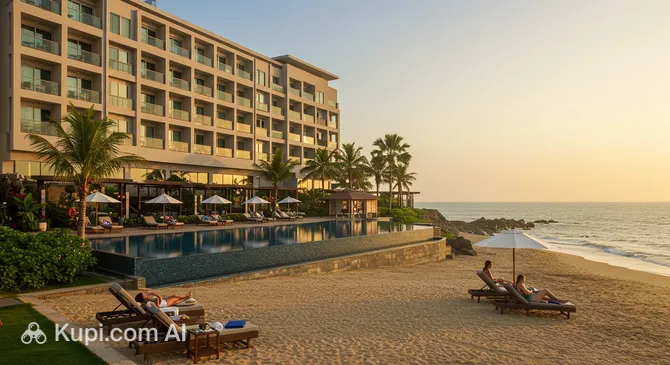
Among the popular places to stay that offer a combination of comfort and good location, Jampore Beach Resort stands out. This hotel is in demand due to its proximity to one of the region's cleanest and quietest beaches, making it an excellent choice for families. Guests can enjoy the sound of the surf and peace away from the city bustle.

Beach Resort, Jampore. Illustration.
Source: Kupi.com AI

Traveler photos:

Another interesting option is The Lighthouse Beach Resort, Daman. Situated in a picturesque location, it allows guests to not only relax in comfort but also easily reach the town's iconic attractions. Such resort hotels often offer additional services, including their own restaurants with local cuisine and organized entertainment.

Booking Tip: Daman is an extremely popular "weekend trip" destination for residents of neighboring states. On Fridays, Saturdays, and Sundays, demand for accommodation spikes, and prices can rise. It is highly recommended to book your room in advance if your trip falls on a weekend or public holiday. Finding a vacant room on weekdays is much easier and cheaper.

Prices range from very affordable economy-class options to more expensive luxury rooms in resort areas. You can book accommodation through popular international and Indian online platforms, though many small budget hotels in the city center still prefer direct booking by phone or walk-in arrivals, especially during the low season.

Nearby Cities

For those looking to explore the surroundings, Daman serves as an excellent starting point for day trips to several interesting nearby locations:

Just 86 km away is Surat—a dynamic metropolis known as the "diamond capital" of the world and a textile industry hub. It's a great choice for shopping enthusiasts and foodies, as the local street food is famous throughout the region. A bit further away is Nashik, which attracts travelers with its ancient temples and burgeoning wine industry—here you can visit vineyards and taste Indian wines.

History buffs will also find Vasai interesting. It is home to the majestic Portuguese Bassein Fort, whose ruins resemble the architecture of Daman itself and serve as a beautiful backdrop for photographs.

CityPopulationDistance
Vapi163 6308 km
Pardi28 49518 km
Silvassa98 26623 km
Valsad170 06025 km
Umargam27 85726 km

These nearby destinations provide a glimpse into the diverse culture and landscapes of the region.

Shopping & Souvenirs

General Overview: Shopping in Daman is not your usual trip through glossy boutiques and massive malls, but rather a fascinating exploration of colorful local shops and bazaars. The town is famous for its status as a free trade zone for certain goods, making it an attractive place to buy imported products, electronics, and perfumes at competitive prices. Additionally, you can find unique items from local artisans that reflect the region's coastal character.

Main Shopping Areas/Streets: The epicenter of commercial life is the Nani Daman district. The narrow streets around the bus station and main road are filled with shops offering everything from clothing and shoes to household appliances. A walk through these blocks, located near attractions like Nani Daman Fort, will allow you to soak up the real atmosphere of an Indian trading town, where life teems from morning until late evening.

Shopping Centers: There are no giant international-level shopping malls in Daman. Instead, there are small shopping complexes and arcades like Maharaja Supermarket or Ace Shopping Mall. These are places of local importance where you can buy daily necessities, local clothing brands, and groceries, but for a real experience, it's better to head to the street markets.

Nani Daman Jetty. Illustration.
Source: Kupi.com AI

Traveler photos:

Markets: The most famous shopping destination is the so-called "Foreign Market" in Nani Daman. Tourists and locals flock here in search of imported goods: electronics, toys, cosmetics, chocolate, and perfumes, which are often sold here cheaper than in other parts of the country. If you want to experience the local flavor, check out the fish market near the Nani Daman Jetty—even if you don't buy anything, the sight alone is worth seeing.

Souvenirs: From Daman, it's worth bringing back items that remind you of the sea. Local craftsmen create beautiful jewelry, decorative items, and chandeliers from shells and oysters. Bamboo products are also popular: woven baskets and mats made in nearby villages. Tourists often buy high-quality leather shoes and accessories here. And, of course, many pick up imported sweets and gadgets at the "Foreign Market."

Opening Hours and Payment: Most shops open around 10:00 and stay open until 21:00–22:00. In markets and small shops, it is customary to pay in cash (Indian Rupees); card terminals are not available everywhere. Large supermarkets and hotel souvenir shops are more likely to accept cards. Bargaining is appropriate almost everywhere except in shops with fixed prices (MRP).

Important Note: Daman is known for low taxes on alcohol, and the selection here is huge. However, tourists should remember that taking alcohol outside the union territory (especially into the neighboring state of Gujarat, where prohibition is in effect) is strictly prohibited and punishable by law. Police checks are frequently conducted at the city exits.

Reached the end of the page?

That means the route is fully explored