Support

Archaeological Museum of Olbia

About

The Olbia Archaeological Museum (Museo Archeologico di Olbia) is a landmark cultural institution located in Olbia, on the picturesque northeast coast of Sardinia, Italy. The museum occupies a unique position on the small island of Peddona, directly opposite the city's old port. The museum building itself draws attention with its unusual architecture: its silhouette resembles a ship, symbolically highlighting Olbia's rich maritime history and its role as an important port center over the centuries.
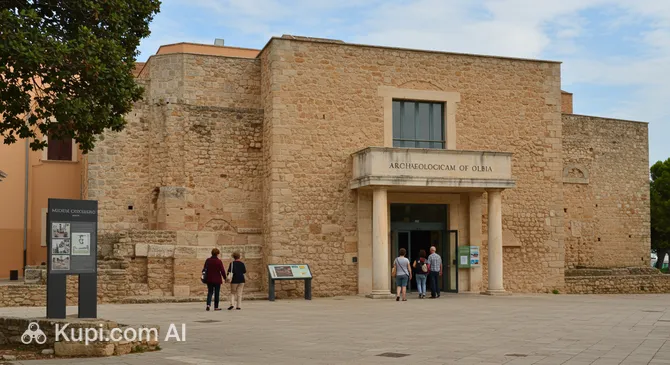
Archaeological Museum of Olbia. Illustration.
Source: Kupi.com AI

Traveler photos:

Inside the museum, visitors will find an impressive collection of archaeological finds that tell the region's historical heritage like pages of an ancient book. The exhibition covers significant periods in the history of the Olbia province, featuring artifacts from the Phoenician, Greek, Punic, and Roman eras. These finds allow us to trace the development of the civilizations that left their mark on this land, making the museum a key site for understanding the layered historical mosaic of northeastern Sardinia.

Visiting the Olbia Archaeological Museum is not just about viewing exhibits; it is a true immersion into the past. Here, you can see everyday objects, weapons, jewelry, and the remains of ancient ships that testify to the flourishing trade and cultural ties of ancient Olbia. This place is sure to interest anyone who is passionate about history and archaeology and wants to gain a deeper understanding of the rich past of this corner of Italy.

Contacts

When planning your visit to the Olbia Archaeological Museum, you may want to check the opening hours, ticket prices, or tour availability. The most up-to-date contact information, such as phone numbers or email addresses, can usually be found on the museum's official website. Tourist information centers in Olbia can also provide useful details.

How to contactContact
AddressVia Isola Peddone, 07026 Olbia SS, Italy
Phone number+39 0789 28290
Websitewww.helloolbia.com

What to Do

By visiting the Olbia Archaeological Museum, you will immerse yourself in the centuries-old history of this ancient region of Italy. Its halls house a rich collection of artifacts that, like pages of a fascinating book, tell the story of Olbia and its surroundings. The museum's exhibition allows visitors to trace the development of the city and adjacent territories, starting from the Phoenician and Greek eras, through the Punic period, and ending with the times of powerful Roman rule. You can see everyday items, tools, jewelry, and other material evidence of vanished civilizations that help you better understand the lives of people in those distant times.

A special charm is added to the museum visit by the warm welcome from the staff, who are always ready to help and answer your questions, making the experience even more pleasant and informative. The museum is conveniently located right at the water's edge, opposite the city's main artery, Corso Umberto I. This location makes it an ideal starting point or a wonderful addition to a walk through Olbia’s historic center.

After discovering the ancient treasures kept in the museum, it is highly recommended to take a leisurely stroll through the picturesque streets of Olbia. They are bathed in vibrant Mediterranean colors and still preserve a unique medieval atmosphere that harmoniously intertwines with the tangible legacy of the Roman Empire. Such a walk will allow you to feel more deeply the spirit of the city and its rich, multi-layered history.

Getting There

Finding the Olbia Archaeological Museum is quite simple, as it boasts a striking waterfront location. The museum is situated opposite Olbia’s main street, Corso Umberto I, making it easily accessible for visitors strolling through the city center. Its prominent position by the harbor allows for quick orientation and a short walk from many parts of the city.

The uniqueness of the museum's location lies in the fact that it is situated on its own small island called Peddona, right in the waters of the Olbia port. This creates a special atmosphere and makes the visit even more memorable. The island is typically reached via a specially equipped walkway or bridge from the promenade.

Reaching Olbia itself is also straightforward, as the city is a major transport hub for Sardinia and Italy as a whole. It is home to the Olbia Costa Smeralda International Airport, which serves flights from many European cities, as well as a large sea port where ferries regularly arrive from mainland Italy and other Mediterranean destinations.

From the airport or sea port to the center of Olbia and, consequently, the museum, you can take public transport, such as city buses, or use a taxi. Olbia is also conveniently located in the heart of the famous "Emerald Coast" (Costa Smeralda), making it easily accessible by car from nearby exclusive resorts like Porto Cervo and Porto Rotondo.

Nearest city: Olbia

History & Facts

The Olbia Archaeological Museum is more than just a repository of antiquities; it is a true key to understanding the rich, centuries-old history of Olbia. The city's name itself, derived from the Ancient Greek word "Olbiòs" meaning "Happy," hints at the ancient roots of this settlement in modern-day Italy. The museum is designed to tell visitors the fascinating story of this corner of Sardinia, starting from the earliest eras.

The history of Olbia is a kaleidoscope of cultures and civilizations. Over the centuries, the Phoenicians, Greeks, Carthaginians (or Punics), and, of course, the Romans have all left their mark here. Each of these civilizations contributed to the unique character of the region, and the exhibits at the Olbia Archaeological Museum meticulously collect and display these priceless witnesses to the past, allowing you to trace the city's development through the ages.

One of the museum's notable features is its location. It is situated on the small island of Pedoneddu (Isola Peddone) right in the Olbia harbor. This choice was no accident: it symbolically highlights the immense role the city has played as an important maritime port for many centuries. This site literally breathes the history of seafaring and trade that connected Olbia with the rest of the Mediterranean world.

Today, Olbia has lost none of its importance, serving as the capital of the province and one of the largest cities in Sardinia. The city acts as a vital transport hub—the "sea and air gateway to Sardinia"—which is a modern continuation of its ancient role as a bustling port center. A visit to the Olbia Archaeological Museum allows for a deeper understanding of how this rich historical heritage shaped the modern appearance and character of the city.

Time Needed

A typical visitor should set aside approximately 2-3 hours to explore the Olbia Archaeological Museum. This is generally enough time to leisurely view the main exhibitions, get to know the most significant artifacts, and gain an insight into the rich history of Olbia and its surroundings.

Of course, the exact time depends on your interest in details. If you are passionate about archaeology and ancient history, you might need more time to carefully study every exhibit and its accompanying materials. The museum covers various eras, from prehistoric times to the Middle Ages, showcasing Phoenician, Greek, Roman, and later finds, making it especially interesting for fans of Italy's history.

On the other hand, if you only plan a general overview or are short on time, you can manage in 1.5 hours by focusing on the key halls and most famous artifacts. In any case, a visit to the museum will be an educational addition to your trip.

Working Hours

The Olbia Archaeological Museum is pleased to welcome visitors from Wednesday to Sunday. The museum's morning hours are from 10:00 to 13:00, and evening hours are from 17:00 to 20:00. Monday and Tuesday are closing days.

To get the most up-to-date information on possible schedule changes, the need for advance ticket booking, or seasonal opening details, it is recommended to visit the official museum website or contact local tourist information centers before planning your visit to Olbia.

Nearby

A visit to the Olbia Archaeological Museum is undoubtedly a fascinating dive into history, but your exploration of Olbia will be incomplete without paying attention to other interesting sites located nearby. Exploring the surroundings will allow you to feel the city's atmosphere more deeply, discover its hidden gems, and get a more complete picture of its culture and modern life.

Several notable attractions are located near the Olbia Archaeological Museum, which can complement your cultural program or simply serve as a pleasant place to relax. Below is a list of some of these sites with approximate distances.

NameDistance
Ferris Wheel0.1 km
My Soul Irish Pub0.3 km
Ristorante Piperita0.4 km
Parish Church of Saint Paul the Apostle0.5 km
Mere Restaurant Olbia0.7 km
Tierra La Rue Gourmet Restaurant & Pizzeria0.7 km
Pinuccio Scintu Sardinian Specialties Bar1 km

Have you reached the end of the page?

So the route has been studied inside and out