Support

Patan Museum

About

The Patan Museum is an outstanding cultural institution located in the city of Kathmandu, Nepal. It occupies the halls of the former royal palace on the historic Durbar Square in Patan, also known as Lalitpur. Opened in 1997, this museum became the first private museum in the country and is rightfully considered one of the best museums in Nepal, offering visitors a unique immersion into the art and history of the region.
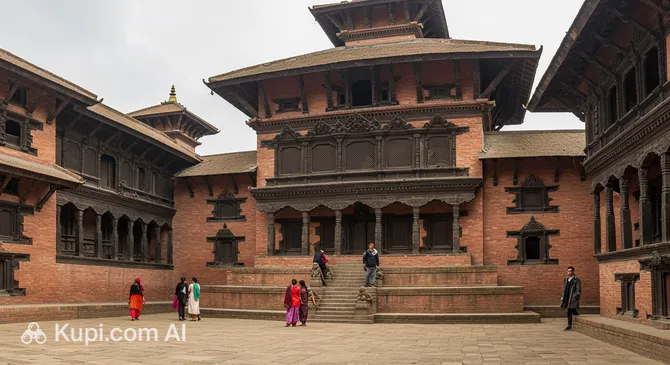
Patan Museum. Illustration.
Source: Kupi.com AI

Traveler photos:

Patan itself, where the museum is located, is one of the oldest cities in the Kathmandu Valley. It was once a thriving independent city-state with its own palace and temples. Today, while essentially part of metropolitan Kathmandu, Patan has managed to preserve its unique identity, rich cultural heritage, and magnificent Newar architecture, making a visit to the museum also a journey into the heart of this ancient city.

The Patan Museum's collection is primarily dedicated to the traditional sacred art of Nepal. Visitors can see exquisite collections of bronze sculptures, wood carvings, and other artifacts demonstrating the high skill of local artisans. The beautifully restored galleries of the palace create a special atmosphere, allowing for a deeper appreciation of the rich cultural mosaic of this amazing country.

Contacts

To find the latest information on opening hours, entrance fees, and available tours at the Patan Museum, we recommend visiting its official website. Additionally, up-to-date contact details and visitor information can often be found on Kathmandu tourism portals or obtained from local information centers upon arrival in Nepal.

How to contactContact
AddressM8FG+944, भिन्द्यो क्व - सौग: लँ, Lalitpur 44700, Nepal
Phone number+977 1-5521492
Websitewww.patanmuseum.gov.np

What to Do

Visiting the Patan Museum in Kathmandu is a unique opportunity to touch the rich cultural and historical heritage of Nepal. Inside the museum, an extensive collection of artifacts awaits you, each telling its own story. You will be able to carefully examine the exhibitions dedicated to Buddhist and Hindu art, which vividly demonstrate the country's religious diversity. These halls house ancient sculptures, thangkas (traditional Buddhist icons), ritual objects, and exquisite items made of metal and wood, allowing for a deeper understanding of the region's art and spirituality.

The experience of visiting the Patan Museum is not limited to its internal galleries. The museum is part of the famous Patan Durbar Square, which is of great interest in its own right. Walking through the square, you will see magnificent Hindu temples dedicated to various deities such as Krishna, Shiva, Bhimasena, and Ganesha. Of particular note is the Taleju Temple, the patron goddess of the Malla royal dynasty. Also on the square, you can see the historic Taleju Bell, which, according to legend, subjects could ring to bring the king's attention to their problems, and the impressive statue of King Yoganarendra Malla on a stone pillar.

Getting There

Patan Museum is located in the city of Patan, also known as Lalitpur, which is one of the ancient cities of the Kathmandu Valley and essentially its southern suburb. There are several ways to reach the museum from central Kathmandu. The most convenient and fastest option, especially if you value comfort, is taking a taxi. This will allow you to reach your destination directly without any transfers.

For a more budget-friendly journey, you can use local buses running between Kathmandu and Patan. Buses depart regularly, but be prepared for them to be crowded, and the trip will take a bit longer. Another authentic way to get around is by rickshaw, which will take you to Patan while allowing you to enjoy the views and atmosphere along the way, although it is a slower option compared to a taxi.

The museum itself is located in the heart of Patan – at its famous Patan Durbar Square. This square is one of the city's main attractions and a UNESCO World Heritage site, making it easy to find. Look for the numerous temples and historical buildings on the square; the Patan Museum is an integral part of this impressive architectural ensemble and is housed in one of the former royal palaces.

Nearest city: Kathmandu

History & Facts

The Patan Museum is located in a city whose history dates back to ancient times, specifically the era of the spread of Buddhism. Kathmandu itself, or more precisely its historical part Patan (also known as Lalitpur), is marked by four stupas at its corners. It is believed that these were erected as far back as 250 BC by the great Emperor Ashoka, who was deeply inspired by the teachings of the Buddha. Legends say that Gautama Buddha himself visited these places with his disciples, giving this land special spiritual significance.

There is another beautiful legend associated with the name Lalitpur. According to it, a farmer named Lalit played a key role in saving the Kathmandu Valley from a devastating drought. He managed to bring the rain god Rato Machhindranath (considered an incarnation of Shiva) from India, and in gratitude for this deed, the city was named in his honor — Lalitpur, the "city of beauty" or "city of fine arts." This legend emphasizes the deep connection of local residents with nature and ancient deities.

Historical evidence indicates that the city was founded by the Kirat people, possibly even before the 3rd century AD. At one point, Patan even served as the capital of their state in the Kathmandu Valley. However, the city's true peak occurred between the 15th and 18th centuries, when Patan became the capital of one of the three powerful kingdoms of the valley, along with Kantipur (modern Kathmandu) and Bhaktapur. During this time, under the Malla dynasty, Patan experienced a real construction boom, leaving behind magnificent examples of Newar architecture, many of which can still be seen today.

In the mid-18th century, after Prithvi Narayan Shah unified the three kingdoms, Kathmandu became the capital of a unified Nepal. Patan lost its former political significance but managed to preserve its unique identity, cultural heritage, and thriving traditional crafts. It is this rich past and artistic legacy that is carefully preserved and displayed today in the Patan Museum, which is itself part of this historical splendor, located in the former royal palace on Durbar Square.

Time Needed

It usually takes from 1.5 to 3 hours to explore the Patan Museum, one of the cultural treasures of Kathmandu. This time is generally sufficient to get acquainted with the main halls and exhibitions, slowly immersing yourself in the world of Nepalese art and history.

The duration of your visit will depend on the depth of your interest. If you are passionate about Buddhist and Hindu art, the history of the region, or simply enjoy studying each exhibit in detail, you could easily spend more time in the museum. The museum itself is located in a restored part of the old royal palace, which adds to the experience of its architecture. For those who prefer a more general overview, an hour and a half may be enough to get a sense of the collection.

In any case, to fully appreciate the uniqueness of the exhibits and the atmosphere of this significant site, it is recommended to allocate at least a couple of hours for a visit to the Patan Museum. This will allow you to enjoy the collection without rushing and perhaps take a short rest in the museum's cozy courtyard.

Working Hours

The Patan Museum, located in the historical heart of Kathmandu, is one of Nepal's key cultural attractions. The exact opening hours of the museum may vary depending on the season and ongoing events. Typically, museums of this level are open to visitors daily, but it is recommended to check the current schedule on the official Patan Museum website or via contact numbers directly before your visit.

Regarding ticket purchases, for popular museums, especially during the tourist season, it may be advisable to inquire about the possibility of pre-booking online to avoid queues. Although the Patan Museum is generally open year-round, it is always useful to check for information on potential closures or public holidays when the operating hours might change. This will help you plan your visit in the best way possible and ensure that you can enjoy its exhibits.

8:00 – 18:30

Nearby

A visit to the Patan Museum in Kathmandu is a fascinating immersion into the history and culture of Nepal in its own right. However, to make your trip even more fulfilling and complete, it is worth paying attention to the attractions located in the immediate vicinity. Exploring the surroundings will allow you to better understand the context of this unique place and see more facets of the multifaceted Kathmandu.

A walk through the nearby streets and squares after visiting the museum can reveal unexpected architectural gems, authentic shops, or cozy cafes where you can take a break and share your impressions. Near the Patan Museum, there are several interesting sites that also deserve your attention. For your convenience, we have prepared a list of some of them, indicating the distance:

NameDistance
Krishna Temple0 km
Patan Durbar Square0.1 km
Labim Mall0.9 km
Central Zoo1.3 km
Eyeplex Mall2.4 km
Singha Durbar2.7 km
Kathmandu Fun Park3.1 km

Have you reached the end of the page?

So the route has been studied inside and out