Support

Krishna Temple

About

The Krishna Temple, located in the heart of Kathmandu, the capital of Nepal, is one of the prominent Hindu shrines and an important cultural attraction. This temple is entirely dedicated to Lord Krishna, one of the most revered deities in the Hindu pantheon, and serves as a striking example of the unique temple architecture of the Kathmandu Valley.
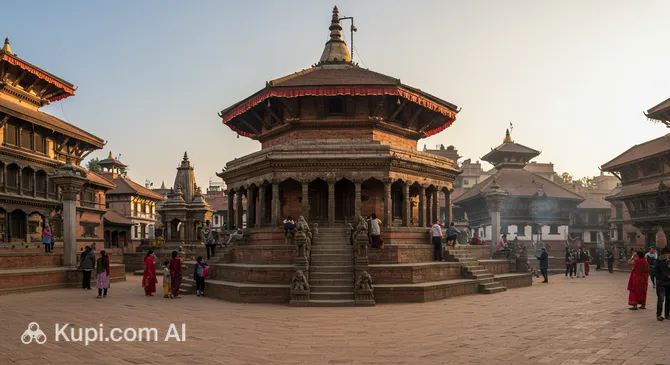
Krishna Temple. Illustration.
Source: Kupi.com AI

Traveler photos:

Its unusual architecture is particularly striking—the temple has a unique octagonal shape, which sets it apart from other religious buildings. The rich decoration of the facades and interiors, characteristic of Newari architecture, harmoniously combines local artistic traditions with elements of North Indian temple architecture. Every detail of the temple reflects deep religious significance and the high craftsmanship of ancient artisans.

The Krishna Temple in Kathmandu is not only a pilgrimage site for believers but also a focal point for tourists seeking to explore the rich cultural and spiritual heritage of Nepal. It is often compared to the more famous Krishna temple in Patan, which only emphasizes its importance in the religious and cultural life of the region. A visit to this temple leaves an unforgettable impression and allows for a deeper understanding of Hindu traditions.

Contacts

Since the Krishna Temple is an important religious and cultural site, it is best to check for accurate and up-to-date information regarding visiting hours or specific rules on official Kathmandu tourism portals or directly at local information centers upon arrival. The temple is located in Kathmandu and is a well-known landmark, so it can be reached by public transport or taxi by following signs or city maps.

How to contactContact
AddressM8FF+CXG, Lalitpur 44700, Nepal

What to Do

A visit to the Krishna Temple offers guests the opportunity to touch upon the rich history and unique architecture of Nepal. Inside the sanctuary, you can see intricately crafted images of Krishna and two goddesses. According to an ancient Sanskrit inscription, these images were modeled after one of the rulers and his two wives, adding historical depth to your visit. Furthermore, the temple is active, and visitors can often witness the colorful religious rituals regularly held here.

For those seeking a deeper immersion, the Krishna Temple offers the opportunity not just to observe but also, with appropriate permission and timing, to take part in traditional Hindu ceremonies. This is a unique chance to experience the special spiritual atmosphere of this holy place, enjoying a moment of solitude and reflection. The atmosphere here is permeated with peace and reverence, making the visit particularly memorable for pilgrims and tourists alike.

The temple's location in the historic center of Kathmandu is also a major advantage. After exploring the Krishna Temple, you can easily continue your journey through the city by visiting other significant architectural and cultural monuments nearby. This allows you to optimize your day and get the most out of your stay in the capital of Nepal.

Getting There

The Krishna Temple is conveniently located in the central part of Kathmandu, making it easily accessible for most travelers. If you are staying in the historic center, you can take a pleasant walk to the temple, as it is situated near major tourist routes. This is a great opportunity to explore the colorful streets of the capital of Nepal along the way.

For those arriving from more distant areas of Kathmandu, several transport options are available. You can always use taxi services or the more exotic rickshaws. Additionally, the city has a public transport system that can also bring you closer to the temple. It is recommended to check routes in advance or ask locals for advice.

If you arrive in Kathmandu via Tribhuvan International Airport, the easiest way to reach the city center is by taxi. The trip takes approximately 20-30 minutes, depending on traffic conditions. From there, the Krishna Temple is easily accessible on foot. Since the temple is located in a bustling area with many other attractions, feel free to use maps or ask locals for help with directions.

Nearest city: Kathmandu

History & Facts

The Krishna Temple in Kathmandu was erected in 1648 by order of King Pratap Malla. Interestingly, its construction was a response of sorts to the grandeur of another Krishna temple located in Patan, built by the ruler of Patan, King Siddhinarasingh Malla. This rivalry between the cities and ruling dynasties of the Kathmandu Valley, surprisingly, led to the creation of many unique architectural masterpieces, each striving to surpass the other in beauty and majesty.

Inside the temple are statues of Lord Krishna and two goddesses. This composition carries deep symbolism, emphasizing not only religious significance but also a connection to dynastic history. It is believed that the images of the goddesses were modeled after the king's wives, a common practice at the time when rulers sought to immortalize themselves and their families in religious structures.

The architectural design of the temple in Kathmandu vividly reflects the 17th-century building trends characteristic of the region. Its appearance harmoniously combines elements of Shikhara-style temples (a tall tower tapering upwards) and pagodas, which were widespread in the Newari architecture of the Kathmandu Valley. This blend of styles gives the temple its distinctive, recognizable look and makes it an important monument of not only religious but also cultural and historical heritage of Nepal.

Time Needed

When planning a visit to the Krishna Temple in Kathmandu, it is worth considering how much time you are willing to dedicate to this remarkable place. For a general introduction to the temple, viewing its unique architecture and interior, 30 minutes to one hour is usually sufficient. This time is enough to appreciate the craftsmanship of Newari architects and feel the atmosphere of the shrine.

If you want to do more than just quickly see the Krishna Temple—perhaps to immerse yourself deeper in its atmosphere, catch one of the religious ceremonies, or take beautiful commemorative photos—it's better to set aside a bit more time. In this case, it is recommended to allow up to an hour and a half. This will let you enjoy the details without rushing, observe the rituals, and fully experience the spiritual significance of this place in Kathmandu.

Working Hours

The Krishna Temple in Kathmandu is generally open to visitors year-round, as it is an active religious site. However, exact opening hours can vary, especially during special rituals or festivals. Typically, Hindu temples are open from early morning until evening, though there may be breaks during the day.

For the most up-to-date information on visiting hours and potential restrictions, it is recommended to check official Kathmandu tourism portals, websites dedicated to Nepal's cultural heritage, or inquire locally upon arrival. Advance booking for a regular visit is usually not required, but if you plan to visit during a major festival or special event, it is worth checking potential entry conditions in advance.

4:00 – 21:00

Nearby

Visiting the Krishna Temple is undoubtedly a highlight, but exploring its surroundings can significantly enrich your experience in Kathmandu. Often, near such significant sites as the Krishna Temple, you can find other cultural treasures, historical monuments, or simply colorful spots that help you better understand the city's character.

A short walk or a quick ride from the Krishna Temple can lead you to new discoveries and show you even more of what Kathmandu has to offer. This is an excellent opportunity to combine your visit to the temple with an exploration of other nearby attractions, making your day even more rewarding and full of impressions. Below is a list of some interesting places located nearby.

NameDistance
Patan Museum0 km
Patan Durbar Square0.1 km
Labim Mall0.9 km
Central Zoo1.3 km
Eyeplex Mall2.4 km
Singha Durbar2.7 km
Kathmandu Fun Park3.1 km

Have you reached the end of the page?

So the route has been studied inside and out