Support

National Museum of Nepal

About

The National Museum of Nepal, located in the country's capital, Kathmandu, is the primary state museum of Nepal. It is not just a repository of artifacts, but one of the most significant cultural and historical landmarks, attracting researchers, locals, and curious tourists from around the world.
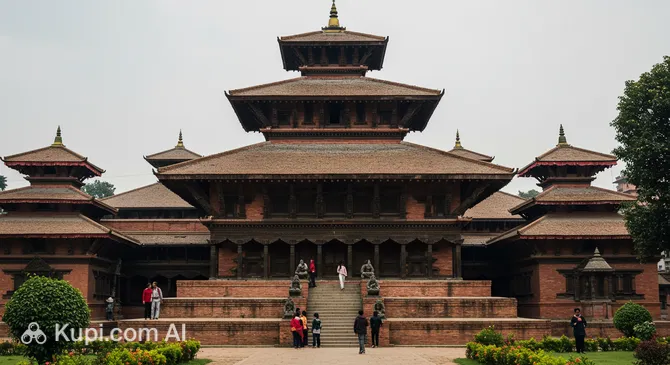
National Museum of Nepal. Illustration.
Source: Kupi.com AI

Traveler photos:

The museum serves as a vital center for preserving, studying, and promoting the rich cultural heritage and centuries-old history of Nepal. Its extensive exhibitions cover an incredibly wide range of themes: from ancient archaeological finds telling of the dawn of civilization in the region and everyday objects reflecting the daily life of the Nepalese, to impressive military artifacts, weapons, unique works of art, exquisite sculptures, and rare numismatic collections.

A visit to the National Museum of Nepal is considered almost essential for anyone seeking a deeper understanding of the unique traditions, religious beliefs, and fascinating history of this incredible Himalayan country. Here, every exhibit is a key to unlocking the soul of Nepal, its past and present.

Contacts

To find the most up-to-date contact information for the National Museum of Nepal, including its phone number and address, it is recommended to visit the official museum website or contact tourist information centers in Kathmandu. There, you can find accurate details and opening hours.

How to contactContact
AddressMuseum Marg, Kathmandu 44600, Nepal
Phone number+977 1-5371478
Websitewww.nationalmuseum.gov.np

What to Do

Visiting the National Museum of Nepal in Kathmandu is a unique opportunity to dive into Nepal's rich history and culture. Here, you can examine impressive archaeological finds from various historical eras. The museum's halls feature everyday items that tell the story of the Nepalese people's daily lives over the centuries, as well as extensive collections of ancient coins that trace the region's economic development.

The exhibitions dedicated to the country's military history are particularly captivating. Visitors can see ancient weapons and various military artifacts that testify to rich martial traditions. Additionally, the museum is proud of its art collection, which reflects the artistic heritage of Nepal. The exhibits also reveal the diversity of cultures and religions that have peacefully coexisted and developed in this land, providing insight into the spiritual world of the Nepalese.

In addition to the permanent exhibitions, the National Museum of Nepal regularly hosts temporary exhibits. These are dedicated to various aspects of Nepalese life and culture, offering a fresh perspective on well-known themes or introducing less-studied pages of history. This makes every visit to the museum interesting and educational in its own way, allowing for a deeper understanding of how modern Nepalese identity was formed and how life has evolved in this unique corner of the world over the centuries.

Getting There

The National Museum of Nepal is conveniently located in the western part of Kathmandu, about two kilometers from the city's tourist center. It can be reached in several ways, making it accessible to most travelers. A good landmark to look for is the Chhauni district, where the museum complex is situated.

One of the most common ways to reach the museum from central Kathmandu is by taxi. The trip takes little time and is relatively inexpensive. Taxis are easy to find anywhere in the city. You can also use public transport – buses run on various routes, and some pass near the Chhauni area. If you are staying nearby, a walk to the museum can be a pleasant addition to your day.

Many tourists also visit the National Museum of Nepal as part of organized tours of the main attractions in the Kathmandu Valley. This is a convenient option, as it often includes transfers and visits to several interesting sites in one trip. Before using public transport, it is recommended to check the route number and the stop closest to the museum with locals or at your hotel.

Nearest city: Kathmandu

History & Facts

The National Museum of Nepal, located in Kathmandu, has a rich history dating back to the early 20th century. It was founded in 1928 and was originally named the Arsenal Museum (Chhauni Silkhana). At first, its doors were closed to the general public, as it served as a repository for an impressive collection of weapons and military artifacts reflecting the country's military history.

Over time, the museum's concept changed. A decision was made to make its treasures accessible to everyone, and it became the first public museum in Nepal. This step marked an important milestone in the country's cultural life, providing both locals and international visitors with the opportunity to experience the rich heritage of the Himalayan kingdom.

The collection of the National Museum of Nepal has expanded significantly over the years. Today, it includes not only military relics but also extensive collections of archaeological finds, ethnographic items, and artworks. The exhibits span various eras and aspects of Nepalese culture, from ancient sculptures and ritual objects to traditional costumes and everyday items, telling the multifaceted story of the people inhabiting this amazing country.

Thanks to its diverse and unique collection, the National Museum of Nepal is rightfully considered a vital repository of national memory. Its exhibitions clearly illustrate the historical path, religious beliefs, and daily life of the Nepalese people, allowing visitors to gain a deeper understanding of the culture and traditions of this distinctive country. A visit to the museum is a fascinating journey through the centuries, revealing the mysteries and beauty of Nepal.

Time Needed

When planning a visit to the National Museum of Nepal in Kathmandu, it's worth setting aside enough time to explore its rich collections. On average, it takes from 1.5 to 3 hours to see the main exhibits. This time is usually sufficient to get a general overview of Nepal's cultural and historical heritage presented in the museum.

Of course, the duration of your visit will depend on the depth of your interest in specific sections. If you are passionate about history, art, or archaeology, you might spend more time here, carefully studying each exhibit. The museum consists of several buildings, including the Historical Gallery, the Buddhist Art Gallery, and the Folk Art Gallery, each of which is worth seeing.

Therefore, an hour and a half will be enough for a cursory look, but for a more thoughtful immersion into the exhibits, it's better to plan for about three hours. This will allow you to enjoy the unique artifacts at a leisurely pace and better understand the culture of this amazing country.

Working Hours

The National Museum of Nepal in Kathmandu is usually open to visitors daily, except for Tuesdays. The standard opening hours are from 10:00 AM to 4:00 PM. It is important to remember that the schedule may change on public holidays or during special events. Therefore, it is highly recommended to check the current opening hours on the museum's official website or from other reliable local sources before your visit.

Although the museum is generally open year-round, it is always a good idea to check if advance ticket booking is required, especially if you plan to visit during the peak tourist season or as part of a large group. This will help avoid potential inconveniences and allow you to plan your visit in the best way possible to fully enjoy the rich collection of this iconic cultural institution of Nepal.

DayOpening hours
MondayClosed
TuesdayClosed
Wednesday10:30 – 16:30
Thursday10:30 – 16:30
Friday10:30 – 16:30
Saturday10:30 – 16:30
Sunday10:30 – 16:30

Nearby

A visit to the National Museum of Nepal in Kathmandu is a wonderful opportunity to immerse yourself in the country's rich history and culture. However, to make your trip even more fulfilling and memorable, it's worth paying attention to the museum's surroundings. Often, it is the nearby sites—whether other cultural centers, parks, or authentic corners of the city—that help create a more complete picture and leave lasting impressions.

Exploring what lies near the main point of your itinerary allows you to discover unexpected places, broaden your horizons, and better understand the atmosphere of Kathmandu. Below is a list of some attractions located near the National Museum of Nepal that might interest you.

NameDistance
Soaltee Kathmandu0.6 km
Bhagawan Pau1 km
Swayambhunath Stupa1 km
Kathmandu Durbar Square1.8 km
Sicily by Ts2.2 km
Carpe Diem Lounge & Bakery2.2 km
Dharahara2.3 km

Have you reached the end of the page?

So the route has been studied inside and out