Support

Narvik

About

Norway is renowned for its scenic landscapes, and Narvik is one of its most striking examples. Looking like something out of a northern fairy tale, the city is nestled on the shores of the Ofotfjord, where the mountains meet the sea. Located far beyond the Arctic Circle in Nordland County, Narvik serves as a true gateway to the Arctic, offering travelers a path to snow-capped peaks and unique natural wonders.

Despite its status as an important transportation hub and administrative center, the city maintains an intimate atmosphere, with a population of just over 14,000. Narvik's history is inextricably linked to the sea and the railway; it was the ice-free port that determined the fate and development of this location. Today, it is a modern city where industrial heritage blends harmoniously with the incredible beauty of the surrounding nature.
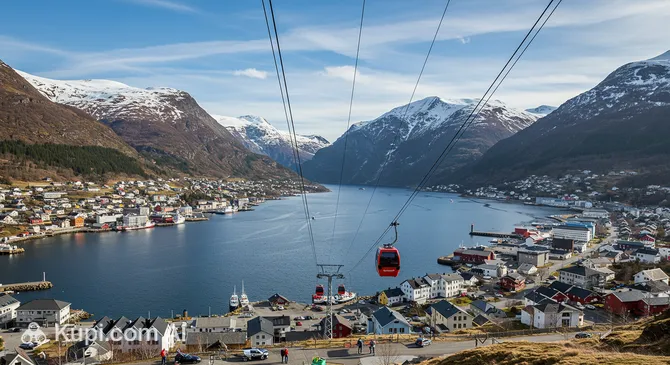
Narvik. Illustration.
Source: Kupi.com AI

The main feature of Narvik is the ability to combine urban comfort with extreme adventure. The city is known as a world-class ski resort, where the trails offer a unique experience: descending from a mountaintop with breathtaking views directly over the blue waters of the fjord. Furthermore, thanks to its geographical position, Narvik is an ideal spot for viewing the Northern Lights in winter and enjoying the endless light of the Midnight Sun in summer.

It is worth visiting for the crisp Arctic air and the atmosphere of genuine discovery. Whether it's a cable car ride up Mount Narvikfjellet or a leisurely stroll through cozy streets, Narvik will provide you with vivid impressions and a warm welcome in the heart of the rugged North.
Weather Overview

Narvik's climate is shaped by its location beyond the Arctic Circle and its proximity to the sea, making the weather harsh but not extremely cold due to the influence of warm currents. When planning a trip, always check the forecast, as conditions can change quite rapidly. The current weather in Narvik will tell you the best time to plan outdoor walks.

Winters in the city are long and snowy. The coldest month is usually January, with an average temperature around -8.2°C, while nighttime lows can reach -10.6°C. Precipitation is frequent: winter months see between 15 and 17 days of snow or rain, so warm clothes and reliable footwear are essential.

Summer brings long-awaited warming, but don't expect heat. July is the warmest month, with air warming up to an average of +12.5°C, and maximum values reaching +15.6°C. This is the best time for hiking, though an umbrella or raincoat will still be useful: even in August, there can be up to 21 rainy days.

Expect a cool summer with frequent cloud cover and precipitation, and moderately frosty winters with many snowy days. Spring and autumn serve as short transition periods when temperatures fluctuate from slightly below freezing to +7°C, requiring travelers to be ready for any weather.

Average monthly temperature

Average monthly precipitation

Interesting Facts

In addition to its main attractions, Narvik holds many fascinating secrets and amazing stories. This city, located at the edge of the world, combines industrial power with incredible natural magic that not all tourists know about.
  • Narvik owes its existence to a unique geographical paradox. Although the city is far beyond the Arctic Circle, its port never freezes thanks to warm ocean currents. This made it the perfect point for transporting iron ore from Sweden, which led to the construction of one of the northernmost railways in the world.

  • The city is famous for its unusual sculptures, each with its own legend. For example, you can find a statue of Svarta Bjørn (Black Bear)—the legendary cook from the railway construction era who became a local symbol of resilience. The streets are also decorated with philosophical compositions such as "The Passenger" and monuments dedicated to friendship between nations.

  • Here, nature puts on light shows right over the rooftops. Narvik is one of the few places where the Northern Lights are often visible within the city limits. In summer, the sun does not set for weeks, creating an endless Midnight Sun. To enjoy these phenomena from the best perspective, the Narvik Cable Car, towering over the fjord, is the perfect choice.

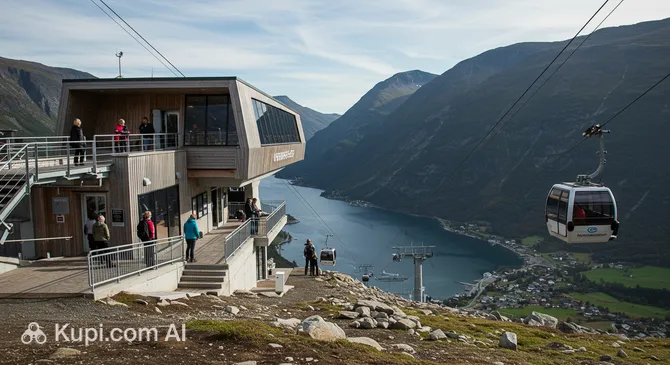
Narvik Cable Car Station. Illustration.
Source: Kupi.com AI

Traveler photos:

How to Get There

Narvik is a major transport hub in Northern Norway, accessible via various routes while enjoying rugged Arctic landscapes along the way. To plan the best route and consider all logistics, we recommend reading more about how to get to Narvik, where detailed information on all types of transport is collected.

Since Narvik itself does not have its own airport, travelers usually use the air hubs of neighboring municipalities. The main gateway to the region is Harstad/Narvik Airport, Evenes (IATA: EVE). It is located near the town of Harstad, approximately 31 km from Narvik. It is a large international transport hub receiving regular flights from Oslo and other cities. The journey from the airport to Narvik city center by bus or taxi takes about 50–60 minutes, offering picturesque views of the fjords along the way.

Another option is Bardufoss Airport (IATA: BDU), located in the town of Bardufoss. It is further away, approximately 82 km from Narvik. Domestic flights also arrive here, and this airport can be a convenient alternative if tickets to Evenes are sold out. Travel time by car is about one and a half to two hours.

For convenience, here is a summary of the main airports in the region:

AirportPassenger trafficDistance
Harstad/Narvik Airport, Evenes762 74731 km
Bardufoss Airport179 66182 km
Stokmarknes Skagen Airport111 177100 km
Andenes Airport49 000108 km
Helle Airport80 000116 km

In addition to air travel, Narvik is known for its unique railway. The Ofoten Line connects the city not with southern Norway, but with Kiruna in Sweden and further to Stockholm. It is one of the most beautiful train routes in Europe, passing through mountain passes. The city can also be reached by car via the E6 highway, which runs through the entire country from south to north.

Main Attractions

Narvik is a place where history intertwines with majestic nature, offering tourists a unique array of experiences. The city's main attractions allow visitors to learn about its heroic past, enjoy breathtaking panoramas, and feel the cozy atmosphere of northern life.

One of the most important cultural points on the city map is the Narvik War Museum. This modern and interactive exhibition is dedicated to the events of World War II, specifically the Battle of Narvik in 1940. Tourists should visit this site to understand the strategic importance of the city and see rare artifacts that tell stories of courage and the dramatic pages of Northern history. The museum is known for its impartial approach and deep emotional impact.

For those dreaming of seeing the fjords from a bird's-eye view, the Narvik Cable Car is a must-visit. The lift takes you to Mount Narvikfjellet, which offers perhaps the best views in the region. This spot is interesting year-round: in winter, you can hunt for the Northern Lights directly above the city lights, and in summer, you can enjoy the endless light of the Midnight Sun while admiring the panorama of mountains and sea.

Narvik Cable Car Station. Illustration.
Source: Kupi.com AI

Traveler photos:

If you want to take a break from active adventures and immerse yourself in the daily life of the locals, stop by the Malmporten Shopping Center. This is the city's main shopping complex, where you can not only make necessary purchases but also buy Norwegian souvenirs or simply warm up with a cup of coffee. For tourists, it is a convenient location to find everything they need in one place and feel the rhythm of modern life in Narvik.

Local Cuisine

Narvik's cuisine is a true feast for lovers of northern delicacies, where seafood plays the leading role. Thanks to its location by the fjord, local establishments always offer the freshest salmon, cod, and halibut. A special place on the menu is reserved for Arctic shrimp and mussels, which are prepared here according to old recipes, striving to preserve their natural flavor as much as possible.

Gastronomic adventurers should try rakfisk—fermented fish traditionally served with potato bread, onions, and sour cream. This dish has a specific but bold taste and is an important part of the Norwegian cultural code. Another local hit, more familiar to tourists, is fiskeboller. These delicate fish balls are usually served with a thick white sauce and mashed potatoes, creating a hearty and warming combination.

The food culture in the city is infused with coziness and a love for nature. Locals often have picnics right on the shore of the fjord, grilling fish over an open fire. In the city itself, the cult of "hygge" reigns: in coffee shops, you will definitely be offered aromatic coffee and freshly baked cinnamon buns, which are especially good in cool weather. Popular drinks include local herbal tinctures, which can be found at farmers' markets along with homemade cheeses and northern berries.

To buy local products or just have a snack, you can stop by the Malmporten Shopping Center, which features a wide selection of goods. And for those who want to combine dinner with spectacular views, the perfect option is to head into the mountains: the Narvik Cable Car will take you to a restaurant at the top, where the taste of the dishes is complemented by an incredible panorama of the Midnight Sun or the Northern Lights.

Travel Tips

Preparing for a trip to Narvik requires special attention, as this city is located beyond the Arctic Circle, where nature dictates its own rules. To ensure your Arctic adventure is as comfortable as possible and without surprises, we have compiled a list of the most important practical recommendations.

  1. Clothing and Gear: The main principle of a northern wardrobe is layering. Even in summer, the weather can change abruptly, so a windproof jacket and a fleece sweater are essential. In winter, thermal underwear (preferably merino wool) and warm, waterproof boots with thick soles are vital. Important tip: sidewalks in Narvik often become icy, so we strongly recommend buying or bringing "ice spikes" (removable shoe grips)—they will save you from falls.
  2. Getting Around: Narvik's center is quite compact, and the main attractions are within walking distance, but keep the hilly terrain in mind. Public transport consists of buses; to plan routes and buy tickets, download the Reis app (Reis Nordland)—it's cheaper than paying the driver. Taxis are expensive, and apps like Uber may not be available or have few cars, so it's better to rely on local taxi services or walk.
  3. Finances and Payment: Norway is a country that has almost completely abandoned cash. Bank cards are accepted everywhere: on buses, in museums, and even at small kiosks. You likely won't need cash krones at all. Price levels are high, so plan your budget with a margin. Tips are usually included in the bill, but rounding up the amount or a small gesture (5-10%) for excellent service is appreciated.
  4. Health and Safety: Narvik is a very safe city with a low crime rate. You can walk peacefully at any time of day. Pharmacies are called Apotek and follow shopping center hours (usually until 17:00–20:00); there may not be 24-hour pharmacies, so it's better to have a basic kit of medicine with you. Tap water is perfectly safe to drink—it's pure and delicious.
  5. Communication and Language: There is practically no language barrier in Narvik: almost all locals, from schoolchildren to seniors, speak English fluently. Wi-Fi is available in most cafes, hotels, and public places. If you need mobile internet, a prepaid SIM card (e.g., Telia or Telenor) can be bought at 7-Eleven or Narvesen stores, but a passport is required for registration.
  6. Local Etiquette: Norwegians are reserved but friendly. Greetings are usually simple: a handshake and a quick "Hei." Personal space is highly valued, so avoid standing too close to others in lines or at bus stops. On public transport, it is not customary to sit next to a stranger if there are free double seats.
  7. What to Avoid: Never try to haggle in shops or markets—prices are fixed, and bargaining is considered rude. It is also strictly discouraged to walk on bike lanes—cyclists ride fast even in winter (on studded tires), and it can be dangerous.
  8. Store Hours: Remember "quiet Sundays." On this day, almost all shops are closed, including large supermarkets. Only small kiosks and gas station shops with limited stock and higher prices remain open. If you plan to buy alcohol stronger than 4.7%, go to the specialized state store Vinmonopolet strictly on weekdays before 18:00 or on Saturdays before 15:00–16:00.

By following these simple rules, you'll quickly feel at home in Narvik. Don't let the harsh climate scare you, as behind it lies incredible hospitality and the coziness of the true North!

Entertainment & Nightlife

Entertainment and Nightlife:

Nightlife in Narvik is characterized by a calm and cozy nature, typical for small northern towns. Here, you won't find loud mega-clubs operating until dawn, but you can immerse yourself in the warm atmosphere of après-ski and friendly gatherings. Most activity is concentrated in the city center, along the main street Kongens gate and in the lobbies of major hotels. In the evening, both locals and tourists gather here to discuss the day's adventures over a drink.

Among the popular spots is Rallar'n Pub, decorated in a historical style reminiscent of the railway construction era. This establishment has a soulful atmosphere and often features live music. For those who prefer a more sophisticated setting and panoramic views, Tøtta Bar, located on the top floor of the Scandic Hotel, is an excellent choice. It offers a magnificent view of the city at night and the fjord, making it the perfect spot for a romantic evening.

A unique feature of entertainment in Narvik is that the best "nightclub" here is often nature itself. During the winter, the main evening attraction is hunting for the Northern Lights. The Narvik Cable Car is ideal for this. By ascending the mountain after dark, you find yourself away from the city lights, in the front row of a natural amphitheater where colorful lights dance in the sky.

Narvik Cable Car Station. Illustration.
Source: Kupi.com AI

Traveler photos:

During the day, the city's cultural program is just as rich. History buffs should definitely visit the Narvik War Museum, which offers a deep dive into the events of World War II. If you just want to relax, have a snack, or go shopping, stop by the Malmporten Shopping Center—it's a hub for quiet leisure.

Practical Tips:
Alcohol in Norway is expensive, so be prepared for high prices in bars. The dress code in most establishments is relaxed: casual style or even neat sportswear is quite appropriate here. Narvik is a very safe city, and night walks pose no threat, though you should be careful in winter due to icy conditions. If you need a taxi at night, it's best to book it in advance via an app or ask the bar staff to call one for you.

Parks & Museums

The cultural and natural landscape of Narvik is inextricably linked to its geographical location and rich history. In this city, the boundaries between the urban environment and the wild Arctic nature are almost blurred, and museums tell gripping stories of courage, engineering feats, and life at the edge of the world.

Speaking of green spaces, it is worth noting that Narvik's main "park" is the majestic mountains surrounding the city. The most accessible and impressive natural area is Mount Narvikfjellet. The Narvik Cable Car will help you get here. This location serves as the starting point for numerous hiking trails in summer and ski slopes in winter. Here, at an altitude of over 650 meters, a panorama opens up that replaces any landscape design: a view of the deep Ofotfjord and sharp peaks stretching to the horizon.

In the very center of the city, travelers can relax in the cozy Kirkeparken (Church Park), located next to the city church. This is a quiet green oasis where it is pleasant to stroll among trees and monuments, enjoying the peace away from the harbor bustle. Also popular is the promenade along the waterfront, where the sea breeze and the cries of seagulls create a special atmosphere of a northern seaside town.

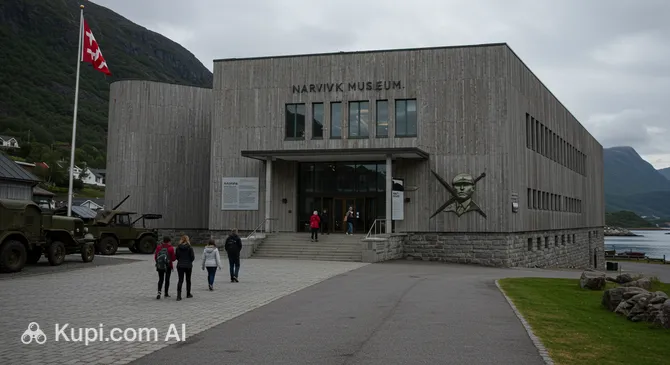
Narvik War Museum. Illustration.
Source: Kupi.com AI

Traveler photos:

Among cultural institutions, the Narvik War Museum is the undisputed leader. Located in the modern Narvik Center building, it is dedicated to the events of 1940, when the city became an arena for fierce battles between Nazi Germany and Allied forces. The museum's exhibition goes beyond simple war chronology, raising questions about human rights and the ethics of conflict. Thanks to interactive elements and rare artifacts, a visit to the museum leaves a strong emotional impression.

Another important place for learning about the region's history is Museum Nord (Narvik Museum), located in the old railway administration building. Here, the focus shifts to peacetime and industrial development. You will learn about the construction of the legendary Ofoten Line, the lives of the "rallars" (itinerant construction workers), and how the transportation of iron ore transformed a small settlement into an important international port. The museum garden offers an excellent view of the harbor, where huge bulk carriers are still loaded today.

Fans of art and unusual experiences should pay attention to the street sculptures scattered throughout the city. Narvik can be called an open-air gallery: from the "Svarta Bjørn" (Black Bear) monument, dedicated to the legendary female cook from the railway construction era, to the "Peace" monument in Hiroshima Park. A walk through these places will allow you to see the city from an unexpected, more lyrical side.

Getting Around

Narvik's transport system is compact and convenient, making it easy for tourists to navigate even without detailed knowledge of the city. Since the center is quite small, most key locations can be reached on foot, enjoying the fresh air and views. However, for trips to more distant areas or the start of hiking trails, you will need to use local transport.

The main means of transport in the city are buses. The route network connects the center with residential areas and the outskirts. The buses are modern and comfortable, running on a fairly strictly observed schedule. It's important to remember that on weekends and in the evenings, there are fewer services, so it's better to plan your trips in advance.

Narvik has no metro or trams, but the city plays an important role as a railway hub. The Ofoten Line connects the city with Sweden. While it is more of an intercity service, a short train ride can be an adventure in itself thanks to the picturesque landscapes outside the window. The railway station is located within walking distance of the central part of the city.

The fare payment system here is modern and oriented toward cashless payments, as is all of Norway. The simplest and most cost-effective way to pay is using the Reis mobile app (Reis Nordland). You can use it to buy single tickets or day passes and longer-term tickets. You can also buy a ticket from the driver upon boarding, but this is generally more expensive, and they may only accept cards or exact cash.

If you need more flexibility, you can use taxi services. Cars usually wait for passengers at special stands or can be called by phone and via apps. Keep in mind that taxi rides here are not cheap. For independent exploration of the region, car rental is a great option, allowing you to reach the most hidden corners of the fjords at your own pace.

A special "transport" for tourists is the cable car to Mount Narvikfjellet. Formally, it is an attraction and a ski lift, but practically, it's the fastest and most scenic way to rise above the city to see it from a bird's-eye view.

Accommodation

Where to stay:

Despite its relatively small size, tourists in Narvik will find a decent selection of accommodation options that will satisfy both comfort seekers and backpackers. The city's hotel stock includes modern chain hotels, cozy guesthouses, apartments for independent living, and campsites located closer to nature. The service level here is traditionally high, meeting Scandinavian standards.

The most popular and convenient area to stay is the city center (Sentrum). By staying here, you will be within walking distance of the train station and bus station, which is particularly important for those traveling without a car. Living in the center allows you to be in the thick of things: shops, restaurants, and main cultural sites are nearby. For example, from most central hotels, you can walk in 10–15 minutes to iconic spots like the Narvik War Museum or the lower station of the mountain lift.

For those visiting for skiing or to hunt for the Northern Lights, staying at the foot of Mount Narvikfjellet is an excellent option. Here, in close proximity to the Narvik Cable Car, you can find accommodation with breathtaking panoramic views of the fjord and city lights. This is an ideal location to start your day with an active descent down the slopes or an evening trip to the summit.

Booking Tip: Narvik is a popular destination both in winter (for skiing and the aurora) and in summer (for the Midnight Sun and hiking). Therefore, it is strongly recommended to book your accommodation in advance, especially if your trip falls during peak seasons (February–March and July). During major events or festivals, finding a room at the last minute can be difficult.

The price range varies from mid-range to high, which is typical for Norway.

  • Budget options: Campsites and hostels, which are more often located on the outskirts.
  • Mid-range and above: City hotels offering breakfast and good Wi-Fi.
Booking is most convenient through major international online platforms or directly on hotel websites. If you prefer to cook for yourself, look into renting private apartments—groceries can be bought nearby, for example, by visiting the Malmporten Shopping Center.

Nearby Cities

For those who want to explore the surrounding area, Narvik serves as an excellent starting point for day trips to several interesting nearby locations. Located in the heart of Northern Norway, it is surrounded by fjords and mountains, and neighboring cities offer unique experiences.

Nearby, just 54 km away, lies Harstad. Located on Norway's largest island, Hinnøya, this city attracts visitors with its cozy atmosphere, rich cultural life, and picturesque harbor. It is an ideal place for a leisurely stroll and a glimpse into the region's coastal life.

A bit further, but definitely worth the trip, is Tromsø—the largest city in Northern Norway, often called the "Gateway to the Arctic." It is famous for its lively center, the iconic Arctic Cathedral, and the opportunity to observe the Northern Lights during the winter season. A trip here is a chance to immerse yourself in the dynamic life of an Arctic metropolis.

CityPopulationDistance
Harstad50 00054 km
Bardufoss2 50081 km
Sortland10 51487 km
Finnsnes4 65891 km
Stokmarknes3 400104 km

These nearby destinations provide a deeper insight into the diverse culture and breathtaking landscapes of this amazing northern region.

Shopping & Souvenirs

Shopping:

Shopping in Narvik is a calm and pleasant activity, devoid of the bustle of big cities. The city does not claim to be a fashion capital, but you can find everything necessary for a comfortable life and travel beyond the Arctic Circle. Special attention should be paid to stores with sporting gear and warm clothing: local retailers offer high-quality goods tested by the harsh northern climate. The city is also interesting for its Scandinavian design and interior decor shops.

The heart of Narvik's shopping life is the main street — Kongens gate (Royal Street). Walking along it, tourists will find many small boutiques, cozy cafes, and souvenir shops. It is an ideal place to combine shopping with viewing the city's architecture. Here you'll find clothing stores, opticians, bookstores, and jewelry salons offering items with local flair.

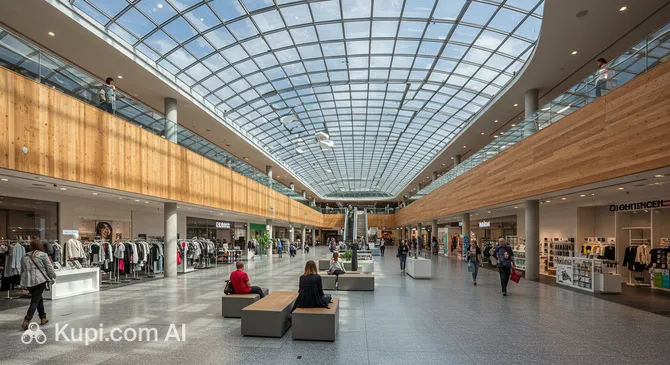
For those who prefer one-stop shopping, modern commercial complexes operate in the city. One of the most popular places for residents and guests is the Malmporten Shopping Center. Under its roof are clothing stores of famous brands, home goods, a pharmacy, and a grocery supermarket. This is an excellent location to buy everything you need or just warm up between excursions.

Malmporten Shopping Center. Illustration.
Source: Kupi.com AI

Traveler photos:

Classic open-air markets operating daily are rare in Narvik, as the climate makes its own adjustments. However, it's worth noting the fish stalls selling the freshest seafood caught in local fjords. Ahead of Christmas and major holidays, fairs often open in the central square, where local artisans sell knitted items, home-baked goods, and handmade jewelry.

When choosing souvenirs from Narvik, look for traditional Norwegian products. The most coveted gift is a genuine wool sweater with the classic "Marius" pattern—it's not only beautiful but incredibly warm. Troll figurines, pewter, and silver items are also popular. For gastronomic souvenirs, be sure to bring back brunost (brown cheese), smoked salmon, or cloudberry jam, which is known here as "the gold of the bogs."

When planning your shopping, consider store hours. Most shops are open from 10:00 to 17:00 or 18:00 on weekdays. Shopping centers may stay open until 20:00. It's important to remember that on Saturdays, the working day is often shorter (usually until 15:00 or 16:00), and Sunday in Norway is a traditional day off when almost all shops are closed, including grocery stores. Payments are mostly made by bank cards; cash is accepted but rarely used.

Tourists living outside Scandinavia (Sweden, Denmark, Finland) can use the Tax Free system. If you make a purchase in a store marked with the Global Blue logo (usually over 315 NOK), ask for a tax refund form. You can get part of the spent funds (VAT) back when leaving the country at the airport or border by presenting your passport, receipt, and sealed purchases.

Reached the end of the page?

That means the route is fully explored