Support

Oratorio de la Santa Cueva

About

The Oratory of the Holy Cave (Oratorio de la Santa Cueva) is a hidden gem of neoclassical architecture located in the historic heart of Cadiz. This unique spiritual and cultural complex in Spain consists of two chapels stacked one above the other, each with its own purpose and distinct character.
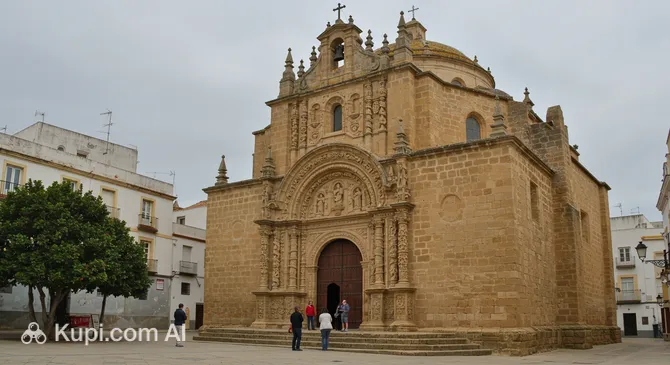
Oratory of the Holy Cave
Oratory of the Holy Cave. Иллюстрация. Источник: Kupi.com AI

The lower chapel, known for its austerity and deep atmosphere of penance, was the place for which the great composer Joseph Haydn wrote his famous work "The Seven Last Words of Our Saviour on the Cross." In contrast, the upper chapel strikes visitors with its magnificent decor and houses three priceless masterpieces by Francisco de Goya, restored at the Prado Museum.

Consecrated in 1796, the oratory is the result of the work of outstanding architects Torcuato Cayón and Torquato Benjumeda. Since 1981, the building has held the status of a historical-artistic monument of national importance, annually attracting art and music lovers from all over the world with its amazing history and harmony.

Contacts

If you are planning to visit this unique architectural ensemble, we recommend checking its contact details in advance. This will help you easily navigate the historic labyrinth of the old city's streets.

How to contactContact
AddressC. Rosario, 10, 11004 Cádiz, Испания
Phone+34 956 22 22 62
Websitewww.andalucia.org

What to Do

The main highlight of visiting the oratory is the opportunity to see three authentic canvases by Francisco de Goya in the upper chapel. These works, dedicated to biblical themes, are striking in their craftsmanship and depth. By viewing them in the original setting for which they were created, you can better understand the great artist's vision.

Be sure to notice the contrast between the levels of the building. In the lower chapel, it is worth simply standing in silence to appreciate its unique acoustics. It was this space that inspired Joseph Haydn to create his monumental work. Sometimes, chamber music evenings are held here, allowing you to hear classical pieces in an authentic setting.

In addition to the paintings, it will be interesting to study the interior decorations created by the artist Zacarías González Velázquez. The tranquil atmosphere of the oratory encourages reflection and offers a respite from the bustle of the noisy streets. For those who want to learn more, we recommend taking a tour or using an audio guide to uncover all the architectural secrets of this neoclassical masterpiece.

Getting There

Finding the Oratory of the Holy Cave is quite easy, as it is located in the heart of the historic center at C. Rosario, 10. The best way to get here is a walk through the picturesque streets. The attraction is just a 10–15 minute walk from major tourist magnets like the Cathedral or the Tavira Tower.

If you are in more distant areas, you can use public transport. The nearest bus stops are located near Plaza de San Antonio. For those arriving in the city by train or ferry, the journey from the station or port will take about 20–30 minutes of pleasant walking through pedestrian quarters.

Taking a taxi can also be considered a convenient option; however, remember that the driver will drop you off as close to the site as possible, but the final meters will have to be covered on foot due to the narrowness of the old streets. Personal car owners are recommended to leave their vehicles in parking lots outside the old city, as finding a parking space in the center is extremely difficult.

Ближайший город: Cadiz

History & Facts

The history of this site is inextricably linked to Don José Sáenz de Santa María, a priest from Veracruz, who in the late 18th century undertook the restoration of the oratory. A lover of beauty, he transformed an ordinary religious space into a true temple of art, inviting the best masters of his time to design the interiors.

The architectural appearance of the building was created by the outstanding master Torcuato Cayón and his disciple Torquato Benjumeda. Construction was completed in 1796, when the oratory was solemnly consecrated. This site became one of the brightest examples of neoclassicism in Andalusia, harmoniously combining the austerity of external lines with the richness of its internal decoration.

One of the most significant historical facts is the oratory's connection with the great composer Joseph Haydn. It was commissioned by José Sáenz de Santa María that Haydn wrote the famous oratorio "The Seven Last Words of Our Saviour on the Cross," intended specifically for performance in the lower chapel. Furthermore, the upper chapel was adorned with three canvases by Francisco de Goya, which underwent meticulous restoration at the Prado Museum in 2000.

In 1981, the Ministry of Culture officially recognized the Oratory of the Holy Cave as a historical and artistic monument of national importance. This decision highlighted the exceptional value of the site as a place where architecture, painting, and music merged into a single whole.

Time Needed

For a full introduction to the oratory, most visitors need about 45–60 minutes. This time is quite sufficient to leisurely explore both chapels, study Goya's paintings in the upper hall in detail, and appreciate the solemn atmosphere of the lower level.

If you plan to use an audio guide or are a deep admirer of neoclassical architecture, it is worth allowing slightly more than an hour for your visit. The relatively small number of tourists compared to the main cathedrals allows you to spend this time in a calm and thoughtful environment.

Working Hours

You can visit the oratory on weekdays and Saturdays. From Monday to Friday, the site is open to guests from 10:30 to 16:00. On Saturday, the schedule is shortened — visits are possible from 10:30 to 14:00.

Please note that the attraction is closed to visitors on Sunday. As the schedule may change depending on religious holidays or special events, visitors are advised to check the current opening times on the official website or at the entrance before planning a visit.

DayWorking hours
понедельник10:30–16:00
вторник10:30–16:00
среда10:30–16:00
четверг10:30–16:00
пятница10:30–16:00
суббота10:30–14:00
воскресеньеЗакрыто

Nearby

Exploring the surroundings of the Oratory of the Holy Cave will allow you to fully experience the atmosphere of the ancient city. Key historical monuments and viewpoints that are definitely worth including in your itinerary are within walking distance.

NameDistance
Cadiz Museum0.2 km
Tavira Tower0.3 km
Gadir Archaeological Site0.3 km
Monument to the Constitution of 18120.3 km
Museum of the Cádiz Cortes0.4 km
Roman Theatre of Cádiz0.5 km
Bar El Teniente Seblon0.5 km

Reached the end of the page?

That means the route is fully explored