Support

San Bartolome de Tirajana

About

San Bartolomé de Tirajana is not just a city, but an expansive and surprisingly diverse municipality on the island of Gran Canaria, offering travelers a true kaleidoscope of experiences. It is famous for its contrasts: from world-renowned beach resorts to tranquil mountain landscapes and traditional villages.
San Bartolomé de Tirajana. Illustration.
Source: Kupi.com AI

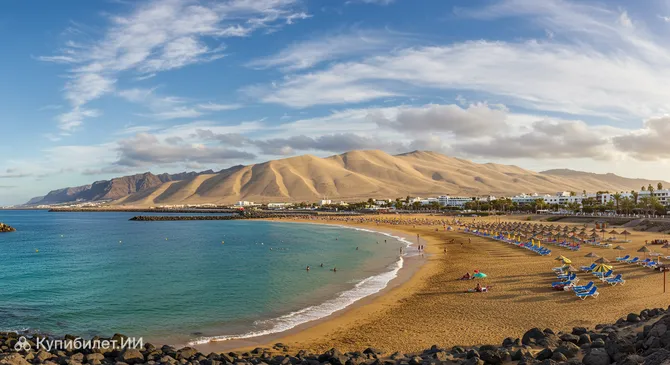
Located in the southern part of Gran Canaria, part of Spain, San Bartolomé de Tirajana is one of the largest municipalities in the Canary Islands both by land area and population, which stands at approximately 53,000 people. Thanks to its unique geographical position, covering a significant portion of the island from the coast to the mountain peaks, the climate here varies from warm and sunny on the southern beaches—ideal for year-round holidays—to cooler and fresher in the mountainous areas.
San Bartolomé de Tirajana

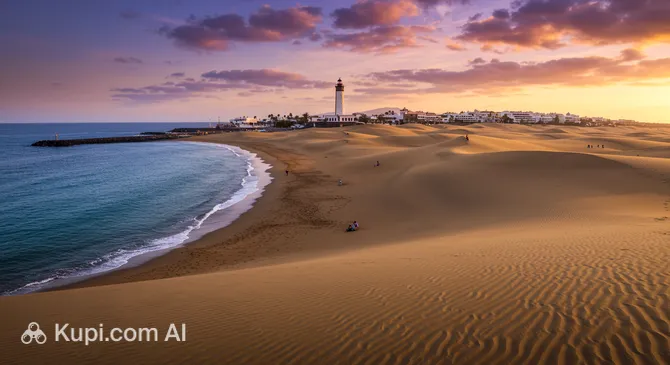
This region attracts tourists with a wealth of unique spots and activities. Among the most famous attractions are the impressive Maspalomas Dunes, a protected nature reserve with golden sand hills stretching all the way to the ocean. Equally popular is Palmitos Park, a wonderful subtropical oasis where you can discover a rich collection of exotic birds, plants, and animals. Additionally, the municipality is home to well-known resorts such as Playa del Inglés and Meloneras, offering a well-developed tourist infrastructure.

San Bartolomé de Tirajana is the perfect destination for those seeking variety in their journey. Here, everyone will find something to their liking: whether it's relaxing on magnificent beaches, enjoying active recreation and hiking in the mountains, exploring rich nature, or immersing oneself in the lively atmosphere of the resort centers. Come and discover every facet of this amazing corner of Gran Canaria!

You can find more interesting facts on the history of San Bartolomé de Tirajana page.
Weather Overview

San Bartolomé de Tirajana welcomes guests with comfortable weather throughout the year. Summers, especially from June to August, are very warm and sunny, with average temperatures rising from 20.2°C in June to 22.8°C in August. Rainfall is virtually non-existent during the summer months. Winters are mild, with average temperatures in January around 16.3°C and 17.5°C in December. Slight precipitation is possible in the winter months and early spring, but the number of rainy days is small.

Overall, expect a very warm and predominantly dry summer, along with a mild winter with little rainfall. For more detailed information on weather conditions by month, you can visit the Climate in San Bartolomé de Tirajana page.
Average monthly temperature

Average monthly precipitation

Interesting Facts

Beyond its famous beaches and bustling resorts, San Bartolomé de Tirajana hides many surprising stories and little-known details that make it even more attractive to curious travelers.

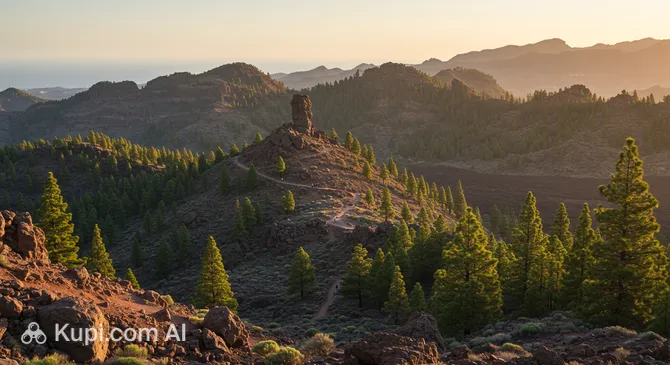
Roque Nublo. Illustration.
Source: Kupi.com AI

Traveler photos:

  • Contrast Between Capital and Coast: The administrative center of this vast municipality, the village of San Bartolomé de Tirajana itself, is a quiet mountain settlement that contrasts sharply with the noisy and world-famous tourist zones like Maspalomas and Playa del Inglés, which are also part of the municipality but located on the coast.

  • Last Stronghold of the Guanches: The municipality's territory preserves the memory of the island's ancient inhabitants. According to historical chronicles, it was here that one of the last pockets of indigenous Guanche resistance against Spanish conquerors existed in the 15th century. A landmark site from this period is Fortaleza de Ansite.

  • A Window to the Universe: The high-altitude areas of San Bartolomé de Tirajana, especially near the symbol of Gran Canaria—the Roque Nublo rock—are famous for exceptionally clear skies. This makes them ideal for astronomical observations, attracting both amateurs and professionals.

  • Diversity in a Bottle: Although San Bartolomé de Tirajana is primarily associated with beach holidays, small wineries exist in its mountain regions. They produce unique wines known as "vinos de cumbre" (wines from the peaks), which reflect the special terroir of the highlands.

How to Get There

San Bartolomé de Tirajana, located on the sunny island of Gran Canaria within Spain, attracts tourists year-round. The primary way to get here is by air, as the island's location makes air travel the most convenient and fastest option for most travelers.

The main air gateway for a trip to San Bartolomé de Tirajana is Gran Canaria Airport (IATA: LPA). This major international airport is located in the city of Las Palmas, approximately 18.4 km from the main resort areas of the San Bartolomé de Tirajana municipality. A taxi ride from the airport to popular spots like Maspalomas or Playa del Inglés typically takes about 30-40 minutes, depending on traffic and the final destination. Buses also depart regularly from the airport, connecting it to the key tourist centers of San Bartolomé de Tirajana.

While the Canary archipelago is served by other airports, such as Tenerife South Airport (IATA: TFS) and Tenerife North Airport (IATA: TFN), located on the neighboring island of Tenerife, they are less convenient for direct travel to San Bartolomé de Tirajana. Arriving in Tenerife would require an additional ferry crossing or an inter-island flight to Gran Canaria, increasing total travel time and potentially costs. Therefore, for most tourists whose primary destination is San Bartolomé de Tirajana, Gran Canaria Airport is the most optimal choice.

For clarity, here is a summary of the main airports used to reach the region:

AirportPassenger trafficDistance
Gran Canaria Airport14.0 mln18 km
Tenerife North Airport6.1 mln98 km
Tenerife South Airport12.3 mln99 km
La Gomera Airport113 000162 km
Fuerteventura Airport6.4 mln178 km

Main Attractions

San Bartolomé de Tirajana is more than just famous beaches; it is a treasure trove of unique places, each telling its own story. When embarking on a journey through this amazing municipality in Spain, be sure to include the following attractions in your itinerary:

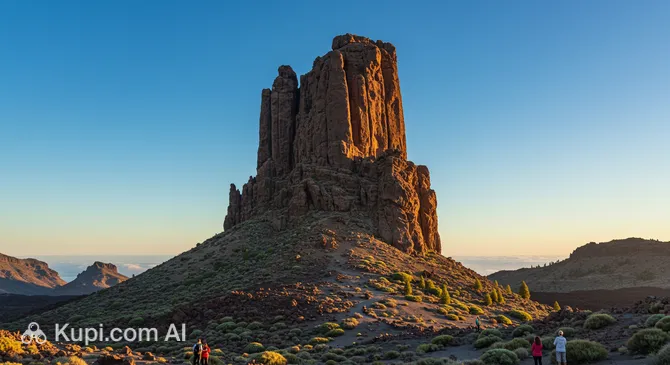
A symbol of Gran Canaria and a must-visit site is the majestic rock Roque Nublo. This volcanic monolith, rising 80 meters above its base (1,813 meters above sea level), was a sacred site for the ancient Guanches. Today, it attracts tourists with breathtaking panoramic views of the island and the opportunity to take an unforgettable hike to its foot.

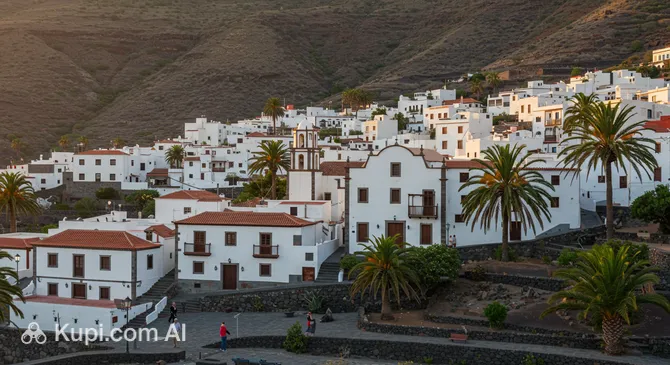
Immerse yourself in the atmosphere of the past by visiting the charming Fataga, a Canarian village. This picturesque settlement with narrow streets, traditional whitewashed houses adorned with flowers, and stunning views of the "Valley of a Thousand Palms" is a cultural heritage site. Here, you can take a leisurely stroll, enjoy the silence, and get acquainted with local crafts.

Fataga, Canarian Village. Illustration.
Source: Kupi.com AI

Traveler photos:

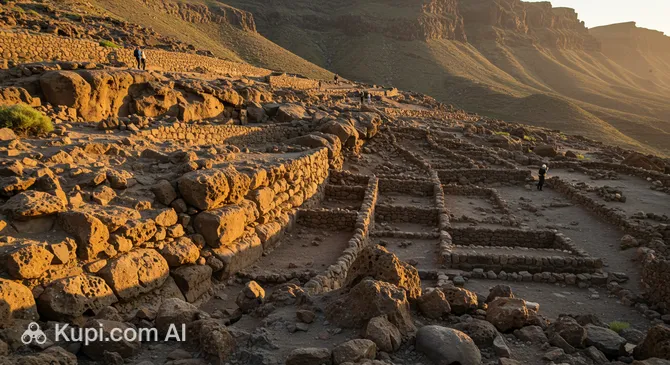
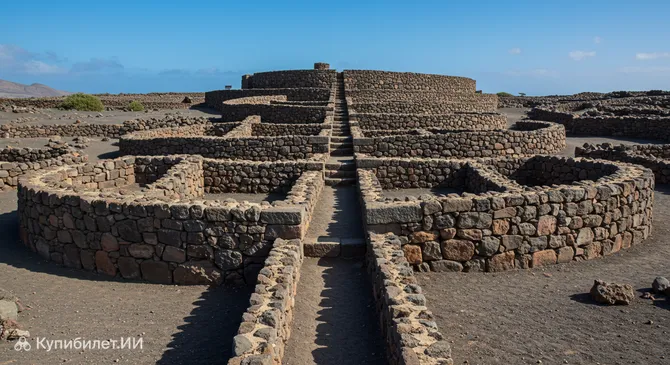
For those interested in history and archaeology, Fortaleza de Ansite is a essential stop. This impressive rock complex, consisting of several natural caves and fortifications, was one of the last strongholds of resistance by the island's indigenous inhabitants—the Guanches—against the Spanish conquerors. Today, it is an important archaeological site that allows you to touch the ancient history of the Canary Islands.

Fortaleza de Ansite. Illustration.
Source: Kupi.com AI

Traveler photos:

To complement your visit to the ancient site, stop by the La Fortaleza Interpretation Center. Located nearby, this modern museum offers fascinating exhibits detailing the history, culture, and daily life of the Guanches who inhabited these lands. Interactive displays and archaeological finds make the visit educational for visitors of all ages.

La Fortaleza Interpretation Center

Nature lovers and outdoor enthusiasts should head to the Pilancones Natural Park. This vast park, located in the central part of the island, impresses with its variety of landscapes: from pine forests to deep ravines and rocky peaks. Numerous hiking trails of various difficulty levels are laid out here, allowing you to enjoy the beauty of Gran Canaria's wild nature and see endemic species of plants and animals.

Pilancones Natural Park. Illustration.
Source: Kupi.com AI

Traveler photos:

Local Cuisine

The gastronomy of San Bartolomé de Tirajana is a fascinating journey through the flavors of the Canary Islands, where tradition meets modernity and the freshness of local products takes center stage. The cuisine here is simple yet hearty, based on the bounty of the Atlantic Ocean and fertile volcanic soils. In the coastal tourist centers, you will find many restaurants offering both international dishes and local delicacies, while in the mountain villages, you can immerse yourself in the atmosphere of authentic Canarian "tascas" and family-run establishments.

Be sure to try "papas arrugadas"—small potatoes boiled in their skins in very salty water, served with spicy "mojo" sauces (red and green). Another iconic dish is "gofio", flour made from toasted grains (usually wheat or corn), used to prepare soups, desserts, or simply eaten with milk. Seafood lovers will find themselves in paradise: the freshest grilled fish or a traditional "sancocho canario" (a thick stew of salted fish, potatoes, and sweet potatoes) are not to be missed. It is also worth trying local cheeses, especially goat cheeses, and meat dishes like "ropa vieja" (shredded meat stew with chickpeas and vegetables).

Among the drinks, local Canarian wines stand out, including the unique "vinos de cumbre" (wines from the peaks) produced in the municipality's highland areas. "Ron miel"—a sweet honey rum often served as a digestif—is also very popular. For non-alcoholic options, try fresh juices made from tropical fruits that grow in abundance on the island.

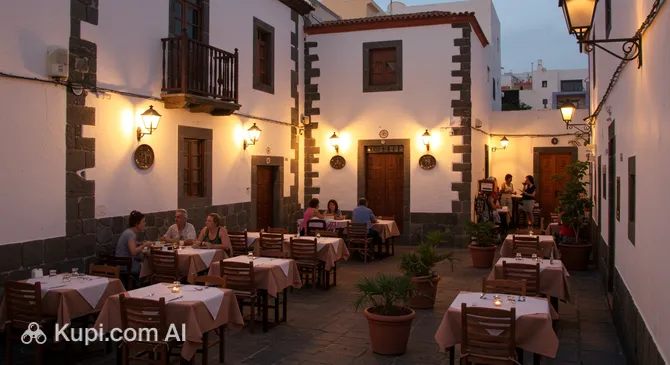
The dining culture in San Bartolomé de Tirajana is diverse. Along the coast, in areas like Maspalomas and Playa del Inglés, there are many restaurants for every taste and budget. For a more authentic experience, head inland to smaller settlements where you can find traditional spots like, for example, Bar-Restaurante Arraigo or Viejo Rincón, which serve home-cooked Canarian food. Local markets are also excellent places to discover the region's produce and perhaps buy something delicious to taste.

Arraigo Bar-Restaurant. Illustration.
Source: Kupi.com AI

Traveler photos:

The culinary scene of San Bartolomé de Tirajana attracts tourists with its combination of simplicity, freshness, and unique flavors. The opportunity to taste dishes prepared according to old recipes using local ingredients—from freshly caught fish to fragrant potatoes with mojo sauces and hearty gofio—makes the culinary experience an integral part of a journey through this amazing corner of Spain.

Travel Tips

Planning a trip to the amazing San Bartolomé de Tirajana? Wonderful! To make your journey through this diverse corner of Spain as comfortable and fulfilling as possible, we have prepared some practical tips.

  1. Clothing and Essentials: Given the variety of landscapes in San Bartolomé de Tirajana, from sunny beaches to cool mountains, layering is the key to success. For the coast, bring light clothing, swimwear, a hat, sunglasses, and high-SPF sunscreen. For mountain trips or evening strolls, a light jacket or sweater will come in handy. Comfortable shoes are an absolute necessity, especially if you plan to explore nature trails or colorful villages. Don't forget a European adapter (Type F) for your electronics and a reusable water bottle.

  2. Transport within the Municipality: To move between resorts like Maspalomas and Playa del Inglés, as well as for trips to the island's capital, Las Palmas, the well-developed "guaguas" bus network by Global is economical and convenient. Taxis are easy to find in tourist zones. However, if you want to explore the mountain regions and less accessible corners of San Bartolomé de Tirajana at your own pace, renting a car is the best choice. Remember that mountain roads can be winding.

  3. Financial Matters: The official currency is the Euro (EUR). You can exchange money at banks or exchange offices ("cambios"), avoiding airport kiosks with less favorable rates. Credit and debit cards (Visa, Mastercard) are accepted everywhere in hotels, restaurants, and major shops. Nevertheless, a small amount of cash is useful for minor purchases, at markets, or for paying bus fares. ATMs are widely available. Tipping is not mandatory but appreciated for good service (5-10% in restaurants or rounding up the bill).

  4. Health and Safety: Pharmacies ("Farmacias") are easily identified by a green cross; many are located in tourist areas, and some are open 24/7 ("farmacia de guardia"). EU citizens are advised to carry a European Health Insurance Card (EHIC); for everyone else, travel insurance is mandatory. In emergencies, call 112. San Bartolomé de Tirajana is generally a safe place, but standard precautions against pickpockets in crowded areas are advisable. Be careful on mountain roads if you rent a car.

  5. Communication: The official language is Spanish. In tourist zones, hotel, restaurant, and shop staff often speak English and sometimes German. Learning a few basic Spanish phrases ("Hola" – hello, "Gracias" – thank you, "Por favor" – please) will be very helpful and appreciated by locals. A SIM card with internet access can be purchased at mobile phone shops. Wi-Fi is available in most hotels and many cafes.

  6. Local Etiquette and Interaction: Canarians are open and friendly people. A simple "Hola" when entering a shop or café will be appreciated. It is customary to greet with a handshake, and between people who know each other well, with two kisses on the cheeks. A slower pace is part of the local lifestyle, especially away from the busy resorts, so be patient. Spaniards are quite expressive in communication, and loud conversation is normal.

  7. What to Avoid: Firstly, do not underestimate the power of the sun. Even on cloudy days, UV radiation in the Canary Islands is very active, so always use sunscreen, wear a hat, and drink enough water. Secondly, avoid photographing locals, especially elderly people in traditional villages, without their prior permission—this is considered impolite.

  8. Special Tip for San Bartolomé de Tirajana: Don't limit yourself to just the famous beaches! This municipality offers amazing contrasts. Be sure to set aside a day to explore its inland, mountainous regions. Visit picturesque villages like Fataga, enjoy the breathtaking views from observation points, and discover a completely different, peaceful side of Gran Canaria.

We hope these tips help you plan an unforgettable trip to San Bartolomé de Tirajana. Enjoy the sun, nature, and hospitality of this beautiful corner of the Canary Islands!

Entertainment & Nightlife

San Bartolomé de Tirajana offers its guests a vibrant and diverse nightlife, primarily concentrated in its lively coastal resort areas such as Playa del Inglés and Maspalomas. It is here that, as darkness falls, the streets and promenades are transformed, filling with music, laughter, and a festive atmosphere, offering entertainment for every taste and budget.

The main hubs of nightly activity are popular complexes like Yumbo Centrum (especially famous for its vibrant LGBTQ+ scene and numerous shows) and Kasbah in Playa del Inglés, as well as the area around the Maspalomas lighthouse with its stylish lounge bars. The atmosphere here is international, relaxed, and very friendly. The choice of venues is vast: from traditional pubs with live music and karaoke bars to trendy cocktail bars with panoramic terraces and, of course, energetic nightclubs where you can dance until dawn to sets by local and guest DJs. Most bars stay open until 1-2 AM, while clubs usually don't close until 5-6 AM. The dress code is mostly casual, though some more exclusive clubs may require a dressier look.

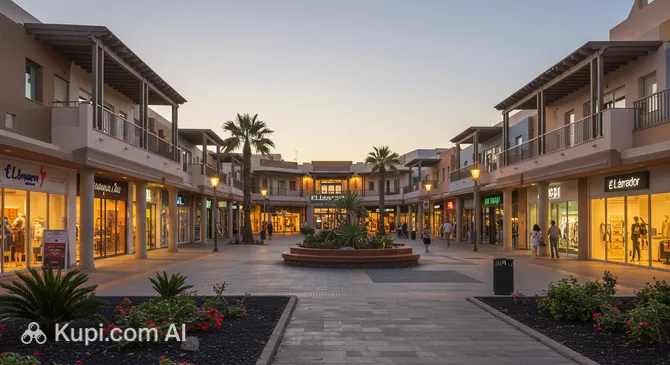
If you're in the mood for high-energy dancing and fun until morning, look for venues like the El Labrador nightclub, known for its dynamic atmosphere. For a quieter evening with drinks in good company, Bar Ca Fermín is an excellent choice. You might also consider visiting Restaurante-Grill El Puente, where you can combine dinner with a relaxed time at the bar afterward.

El Labrador. Illustration.
Source: Kupi.com AI

Traveler photos:

When planning your nightly leisure, keep in mind that clubs usually come to life closer to midnight or even later. Average drink prices in bars and clubs are comparable to other popular European resorts. For moving between areas at night, taxis are the most convenient and safe option. Taxi stands are easy to find near major hotels and entertainment centers, or you can call one by phone or via an app. The main tourist zones of San Bartolomé de Tirajana are considered quite safe for night walks; however, basic precautions should not be forgotten: keep an eye on your personal belongings and avoid poorly lit or deserted alleys.

However, San Bartolomé de Tirajana is not just about the night lights. During the day, the municipality offers plenty of opportunities for interesting pastimes. You can visit informative museums that tell the history and culture of the Canary Islands, stroll through picturesque natural parks like Palmitos Park, or, of course, enjoy the sun and ocean on the famous Maspalomas beaches. Thus, everyone will find something to do here at any time of day.

Parks & Museums

San Bartolomé de Tirajana is not only about famous beaches and bustling resorts, but also a land of amazing natural parks and sites that preserve a rich cultural heritage. Here, every traveler will find opportunities for educational leisure, whether it's walking along picturesque trails or immersing themselves in the island's history.

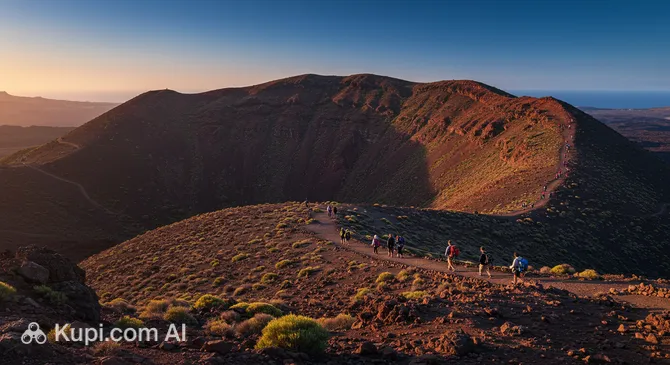
One of the municipality's jewels is the Pilancones Natural Park, offering vast areas for hiking among Canarian pines and impressive ravines. It is a great place to enjoy the silence and observe the local flora and fauna. For fans of unique geological formations, the Caldera de Los Marteles will be of interest—an impressive volcanic crater, a witness to the island's turbulent past. Its unusual landscapes and surrounding nature attract photographers and connoisseurs of untouched corners.

Caldera de Los Marteles. Illustration.
Source: Kupi.com AI

Traveler photos:

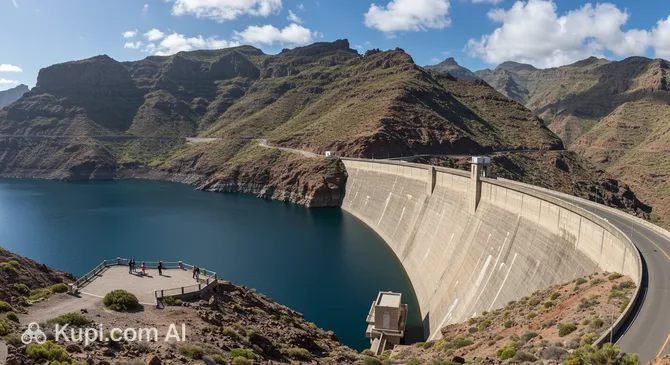
Another wonderful place for outdoor relaxation is the Presa de las Niñas reservoir. This popular spot for picnics, camping, and peaceful walks by the water is surrounded by pine forest. Here, you can escape the hustle and bustle of the coast and enjoy the cool mountain air. Not to mention the famous Palmitos Park—a large botanical garden and zoo where you can see exotic birds, dolphins, and many plant species from around the world, making it a wonderful place for family outings.

Presa de las Niñas. Illustration.
Source: Kupi.com AI

Traveler photos:

To gain a deeper understanding of the history and culture of Gran Canaria's indigenous people, the Guanches, it is worth visiting the La Fortaleza Interpretation Center. This museum, located next to the archaeological complex of the same name, Fortaleza de Ansite, offers fascinating exhibits on the life, beliefs, and final days of resistance of the ancient islanders. The Fortaleza de Ansite complex itself, with its caves and ancient structures, is an important open-air historical monument.

Continuing your cultural exploration, stop by the charming Canarian village of Fataga. Its narrow streets, whitewashed houses with tiled roofs, and flowering balconies will transport you to the atmosphere of traditional Canarian life. This place is ideal for leisurely strolls and discovering local crafts. A curious addition to the cultural program could be a visit to the Fataga Aloe Vera Plantation, where you can learn about the cultivation of this beneficial plant and its uses.

For those seeking less trodden paths, we suggest exploring the inland areas of the municipality. A journey along mountain roads, for example, along the "Ruta de las Presas" (Reservoir Route), will reveal stunning panoramic views and allow you to see a different, quieter, and more authentic side of San Bartolomé de Tirajana.

Getting Around

Getting around the vast territory of the San Bartolomé de Tirajana municipality is convenient and affordable thanks to a well-developed public transport system, where buses play the leading role. There are no subways, trams, or trolleybuses here, but the bus network effectively connects popular coastal resorts as well as more remote mountain settlements.

The main bus operator on Gran Canaria, including San Bartolomé de Tirajana, is the company Global. Their buses, which locals call "guaguas" (pronounced wa-was), are easily recognizable by their blue and green livery. Routes cover key tourist areas such as Maspalomas, Playa del Inglés, and San Agustín, and also connect them to the municipality's administrative center, the town of San Bartolomé de Tirajana, and other mountain settlements. Buses also run to the island's capital, Las Palmas de Gran Canaria, and the airport.

The fare system is quite simple. Single tickets can be purchased directly from the driver upon boarding; it is advisable to have small change. For those who plan to use the bus frequently, it is more economical to purchase transport cards (such as Bono Fácil, Tarjeta Insular, Bono Guagua, or other Global travel cards), which provide discounts on trips. These cards can be bought and topped up at major bus stations (for example, the Faro de Maspalomas station) or at authorized points of sale. Bus schedules can be found at stops, on the official Global website, or in their mobile app. The frequency of service depends on the route and time of day: on popular routes, buses run quite often, while in more remote areas, they are less frequent, especially in the evening and on weekends.

In addition to buses, other modes of transport are available in San Bartolomé de Tirajana. Taxis are easy to find in tourist zones, at hotels, and at designated taxi stands; it is a convenient, though more expensive, option, especially for short trips or at night. To independently explore the municipality's diverse landscapes, from the coast to the mountain peaks, many tourists prefer renting a car. Rental offices are widely available, especially in resort centers. In coastal areas like Maspalomas and Playa del Inglés, bicycle and scooter rentals are also popular, perfect for leisurely rides along the promenades and through the surrounding areas.

Practical tip for tourists: always check the current bus schedules, especially if you plan to travel to less popular or remote areas. Some bus routes leading deep into the island pass through very scenic roads, so a "guagua" ride can become a small adventure in itself and a chance to enjoy breathtaking island views. Ticket validation happens upon entry: you either buy it from the driver or tap your transport card against a special device.

Accommodation

In San Bartolomé de Tirajana, travelers can expect a wide selection of accommodation options to suit a variety of preferences and budgets. Due to its size and diversity—from bustling coastal resorts to secluded mountain villages—the municipality offers everything from budget hostels and self-catering apartments to comfortable mid-range hotels and luxury resort complexes with a full range of services. Whether you are looking for a private villa escape or a room in the center of the action, you will find a suitable option here.

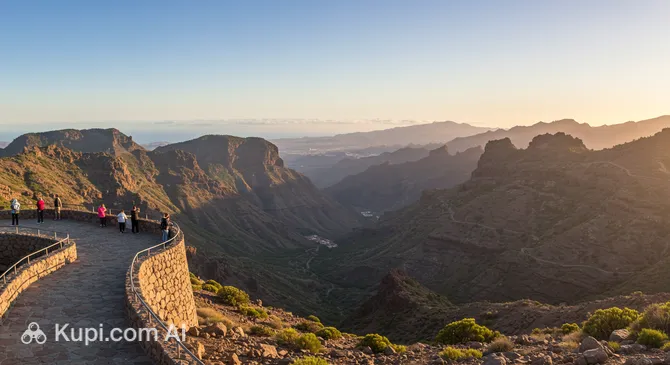
The highest concentration of tourist accommodation is undoubtedly in the popular coastal zones. Resorts such as Playa del Inglés, Maspalomas, and Meloneras are famous for their hotels, apart-hotels, and bungalow complexes located in close proximity to beaches, shopping centers, and entertainment venues. These areas are particularly convenient for those who value developed infrastructure and easy access to major tourist activities. At the same time, in the quieter inland areas of the municipality, for example, near picturesque villages like Fataga, you can find charming rural houses (casas rurales) and small guesthouses offering a more authentic experience and privacy.

Pico de los Pozos Viewpoint. Illustration.
Source: Kupi.com AI

Traveler photos:

While specific hotel examples by category are not provided in the data, it is worth noting that San Bartolomé de Tirajana features a massive selection of lodging. You will find large chain hotels and resorts offering extensive grounds, multiple pools, and entertainment programs, as well as small boutique hotels with a personal touch and unique design. Many hotels are geared towards family holidays, offering kids' clubs and animation, while others are perfect for a romantic getaway or quiet relaxation.

When planning a trip, especially during peak tourist seasons (summer months, Christmas, and Easter holidays), it is recommended to book accommodation well in advance. This not only guarantees availability in your preferred hotel or apartment but often allows you to secure better prices. Popular resorts and high-rated hotels can be fully booked several months ahead.

The price range for accommodation in San Bartolomé de Tirajana varies from budget to luxury, allowing every traveler to find an option within their means. You can book accommodation in various ways: through popular international online booking platforms, directly on hotel websites (which sometimes offers additional benefits), or via travel agencies. Comparing offers on multiple resources will help you choose the best value for money.

Nearby Cities

For those wishing to explore the surrounding areas, San Bartolomé de Tirajana serves as an excellent starting point for day trips to several interesting nearby locations:

Among them, Las Palmas, the capital of Gran Canaria, stands out with its historic Vegueta district, the magnificent Las Canteras beach, and its lively cultural life. Also worth noting is Telde, one of the oldest cities in the Canary Islands, where you can stroll through the charming old town, visit the Church of San Juan Bautista, and enjoy its coastal areas.

CityPopulationDistance
Ingenio31 93214 km
Teror12 66715 km
Telde102 76917 km
Arucas38 53522 km
Las Palmas378 79726 km

These nearby destinations provide a glimpse into the region's diverse culture and landscapes.

Shopping & Souvenirs

Shopping in San Bartolomé de Tirajana is a pleasant addition to beach holidays and exploring natural beauties. The municipality, especially its popular resort zones like Playa del Inglés, Maspalomas, and Meloneras, offers a variety of shopping opportunities. You can find everything here: from beach gear and everyday clothing to designer boutiques, jewelry, electronics, and, of course, unique Canarian souvenirs. Products made from aloe vera, local delicacies, and handcrafted goods are particularly popular.

The main shopping arteries are the lively streets and promenades in Playa del Inglés and Maspalomas. Numerous shops offering goods for every taste and budget are concentrated here. For a more sophisticated shopping experience, head to the Boulevard Faro in Meloneras, home to boutiques of well-known brands and elegant shops. A stroll through these areas is a pleasure in itself, allowing you to combine shopping with enjoying the resort atmosphere.

In San Bartolomé de Tirajana, there are several shopping centers that offer a wide range of goods under one roof. The most famous of these are in Playa del Inglés, such as Yumbo Centrum (which is also a nightlife hub but has many shops) and Cita Shopping Center. Here you can find clothes, shoes, perfumes, souvenirs, electronics, and much more. These centers often become places not just for shopping, but also for relaxing in numerous cafes and restaurants.

While large traditional markets may be few in the heart of the resort zones, local markets are periodically organized in the surrounding areas and in the town of San Fernando (administratively part of San Bartolomé de Tirajana). At these markets, you can purchase fresh fruits, vegetables, local cheeses, as well as handmade items and souvenirs. This is a great opportunity to immerse yourself in the local flavor and find something authentic. Also, look out for small shops in mountain villages where you can buy unique craft items.

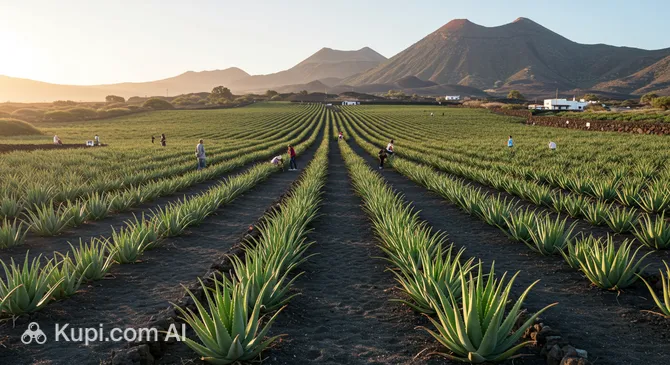
As souvenirs from San Bartolomé de Tirajana, it is worth bringing back aloe vera products—creams, gels, and juices—since this plant grows in abundance in the Canary Islands. An excellent place to buy such products is the Fataga Aloe Vera Plantation. Local gastronomic specialties are also popular: ron miel (honey rum), palm honey, Canarian cheeses, mojo sauces, and gofio flour. Don't forget items made from olivine volcanic stone, ceramics, and traditional Canarian embroidery.

Aloe Vera Farm Fataga. Illustration.
Source: Kupi.com AI

Traveler photos:

Shops in the tourist areas of San Bartolomé de Tirajana usually operate from 10:00 to 20:00 or 22:00, and many are open without a siesta break, especially in high season. Large shopping centers may even open on Sundays. Small shops, particularly away from the coast, may observe the traditional siesta (a lunch break from approximately 1:00-2:00 PM to 4:00-5:00 PM). Both cash (Euros) and bank cards (Visa, Mastercard) are accepted in most shops, restaurants, and hotels.

For tourists from non-European Union countries, Spain has a Value Added Tax (VAT, or IVA in Spanish) refund system known as Tax Free. To take advantage of this opportunity, you must make a purchase of a certain minimum amount in a single store participating in the system (look for the Tax Free logo). When purchasing, you must ask the salesperson to issue a special check (DIVA form). The tax refund can be obtained at the airport before departure by presenting the checks, purchases, and passport.

Reached the end of the page?

That means the route is fully explored