Support

Arona

About

Arona is a true oasis in the south of Tenerife, a jewel of the Canary Islands, Spain, where the Atlantic Ocean meets the green slopes of Montaña de Guaza. The town is nestled at an altitude of about 630 meters above sea level, offering guests breathtaking panoramas and a mild year-round climate: temperatures here rarely drop below 20°C, and the sun generously provides warmth almost every day.

Arona. Illustration.
Source: Kupi.com AI

With a population of approximately 83,000, Arona is one of the largest municipalities in the Canary Islands and the third most populous in Tenerife. It is a well-developed, independent municipality with excellent infrastructure, offering a wealth of hotels, restaurants, and entertainment for the whole family. Its convenient location, just 20 kilometers from Tenerife South Airport (Reina Sofia), makes the journey to the resort quick and comfortable, taking no more than half an hour.

Arona's greatest asset is its magnificent coastline, stretching for about 15 kilometers. Here, you will find famous beaches with golden and unique volcanic sand, as well as picturesque coves with crystal-clear water, perfect for swimming and water sports. Arona charms visitors with its unique blend of cozy old Spanish streets, modern tourist complexes, and vibrant surrounding nature. The town boasts an atmosphere of eternal celebration and carefree relaxation, attracting travelers from all over the world year-round, who are welcomed by locals with genuine smiles and hospitality.

Arona is the ideal destination for those dreaming of unforgettable beach relaxation, seeking active adventures, or wishing to experience the authentic culture of the Canary Islands. This town hospitably welcomes everyone and promises to deliver many bright and unforgettable memories.

You can find more interesting facts on the Arona city history page.
Weather Overview

The weather in Arona is characterized by a mild and pleasant climate year-round. Summers are warm and predominantly dry, especially in July and August, when average temperatures range from 21.5-22.5°C, with highs reaching 24.7-25.6°C. Winters are very mild, with average temperatures around 14.4-15.6°C in January and December. Expect a warm, sunny summer with minimal precipitation and a very mild winter, also with low rainfall.

Precipitation levels in Arona are quite low. The highest number of rainy days (about 5-7) occurs between October and March, but even then, total rainfall rarely exceeds 1 mm. Summer months, particularly July and August, are generally rain-free. For more detailed information, you can explore the climate of Arona and plan your trip in the best possible way.

Average monthly temperature

Average monthly precipitation

Interesting Facts

Beyond its famous beaches and lively atmosphere, Arona hides many curious details and stories that make this town even more attractive to travelers. Here are some interesting facts that will help you see Arona from a new perspective:

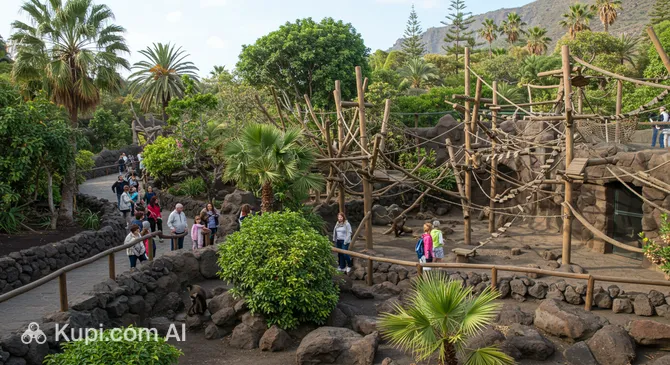
Monkey Park Tenerife. Illustration.
Source: Kupi.com AI

Traveler photos:

  • Founded on March 13, 1798, Arona has evolved over two centuries from a tiny village into one of Tenerife's most popular resort centers. At the same time, the town carefully preserves its past: in the old center, you can still see unique examples of traditional Canarian architecture with characteristic wooden balconies and carved facades.

  • Part of the Arona coastline is officially recognized as a special zone for whale and dolphin watching. This means conditions are perfect for tourists to embark on sea excursions and see these amazing marine mammals in their natural habitat.

  • Unique theme parks are located in the vicinity of Arona. For example, at Tenerife Monkey Park, you can not only observe but also interact with various species of monkeys and lemurs. Meanwhile, Camel Park offers visitors an unusual experience—camel riding and learning about the traditions of Canarian camel drivers.

  • The New Year's Eve fireworks at Los Cristianos beach in Arona have become a true hallmark of the town. This grandiose spectacle annually attracts thousands of spectators from Arona and across the island, all wishing to welcome the New Year under the impressive display of fireworks over the ocean.

How to Get There

The resort town of Arona, located in the south of Tenerife, is most conveniently reached by air. The island is served by two international airports, from which you can easily get to Arona by bus, taxi, or rental car.

The primary and closest airport to Arona is Tenerife South Airport (TFS), also known as Reina Sofia Airport. This is a major international hub that handles the majority of tourist flights. It is located in Santa Cruz de Tenerife, just 12.2 km from the center of Arona. A taxi ride from here to your hotel in Arona will take approximately 35-45 minutes.

The island's second airport is Tenerife North Airport (TFN), formerly known as Los Rodeos. It is also a significant transport hub serving many flights, including many inter-island and domestic routes. The airport is located in Santa Cruz de Tenerife, about 53.9 km from Arona. The journey by taxi or car from here to Arona will take approximately 1 hour 40 minutes – 2 hours.

While there is no direct rail connection to Arona, as Tenerife lacks a railway network, the island's transport system is well-developed. If you are arriving in Tenerife from other Canary Islands, you can also consider traveling by ferry to the port of Los Cristianos (which is within the Arona municipality) or Santa Cruz de Tenerife, and then reach Arona by ground transport.

For clarity, here is a summary of the main airports used to reach Arona:

AirportPassenger trafficDistance
Tenerife South Airport12.3 mln12 km
La Gomera Airport113 00053 km
Tenerife North Airport6.1 mln54 km
La Palma Airport1.4 mln121 km
Hierro Airport322 110123 km

Upon arrival at any of Tenerife's airports, you can easily find taxi stands, public bus stops (TITSA company), and car rental offices to comfortably reach your destination in Arona.

Main Attractions

Arona, located on the sunny island of Tenerife, offers tourists a wealth of fascinating places to visit. From thrilling water parks to unique nature reserves and beautiful beaches, everyone will find something to enjoy here. Let's get to know some of the most vibrant attractions of this resort town.

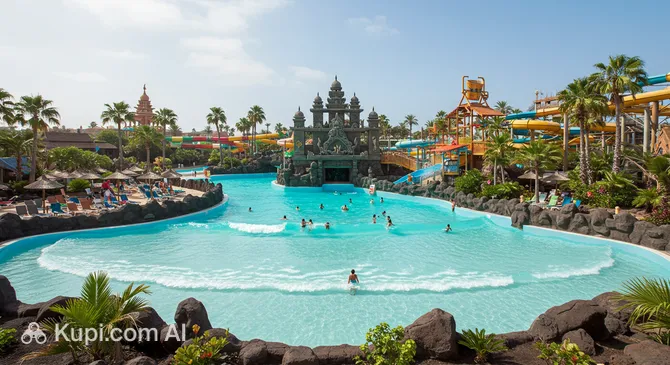
Siam Park. Illustration.
Source: Kupi.com AI

Traveler photos:

One of Arona's crown jewels is undoubtedly Siam Park. This Thai-themed water park has been repeatedly recognized as one of the best in the world. Visitors can expect dizzying slides, a massive wave pool, a lazy river, and numerous other water attractions for all ages. It is an ideal place for family vacations and thrill-seekers alike.

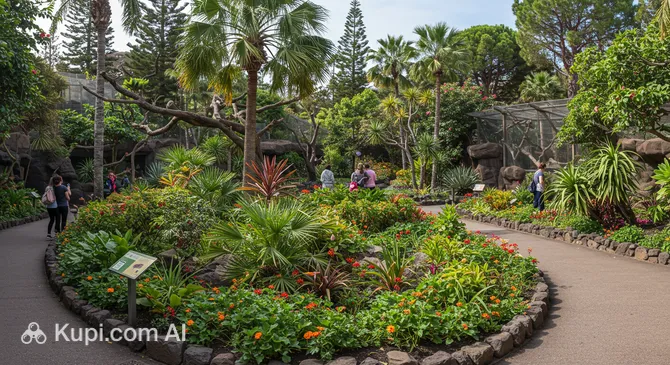
Jungle Park. Illustration.
Source: Kupi.com AI

Traveler photos:

If you prefer exploring the world of animals and exotic nature, be sure to visit Jungle Park. This zoological and botanical garden offers an immersion into a real jungle. Here, you can see various birds of prey, exotic animals including big cats, and enjoy impressive shows. A walk through the park is sure to be an unforgettable adventure.

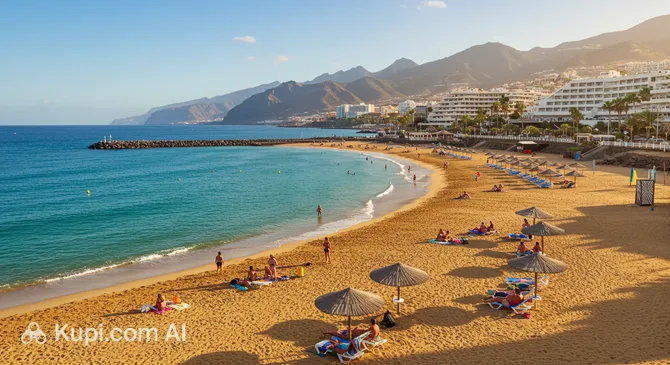
Fañabé Beach. Illustration.
Source: Kupi.com AI

Traveler photos:

For beach lovers, Arona offers magnificent sandy coastlines. One of the most popular is Fañabé Beach. This beach, with its golden sand and calm waters, is perfect for swimming, sunbathing, and water sports. The well-developed infrastructure, featuring numerous cafes and restaurants, makes a stay here exceptionally comfortable.

Monkey Park Tenerife. Illustration.
Source: Kupi.com AI

Traveler photos:

Another interesting spot for families with children and animal lovers is Tenerife Monkey Park. Unlike traditional zoos, here you can not only observe the monkeys but also feed them, which is particularly popular with young visitors. The park specializes in primates and offers a close-up encounter with these amazing creatures in a friendly atmosphere.

Local Cuisine

The cuisine of Arona is a delightful fusion of Canarian traditions, Spanish flavors, and the freshness of the Atlantic Ocean. The town's gastronomic scene will please both connoisseurs of authentic dishes and those seeking new taste experiences. The focus here is on the freshest local products, turning every meal into a small discovery.

Be sure to try papas arrugadas—small potatoes boiled in seawater until a salt crust forms, served with spicy mojo sauces (red and green). This dish is a true gastronomic symbol of the Canary Islands. Equally deserving of attention is the fresh seafood: the grilled fish of the day, squid, octopus, and mussels, all freshly caught from the ocean. The menu also frequently features aromatic goat cheese, traditional rabbit or goat stews, and spicy chorizo sausage.

Regarding drinks, look out for local wines produced on the volcanic slopes of Tenerife from indigenous grape varieties. Refresh yourself with freshly squeezed juices from exotic fruits like papaya or mango. For a digestif, try the sweet and aromatic Canarian banana liqueur. Those with a sweet tooth will appreciate honey-based desserts and almond cakes.

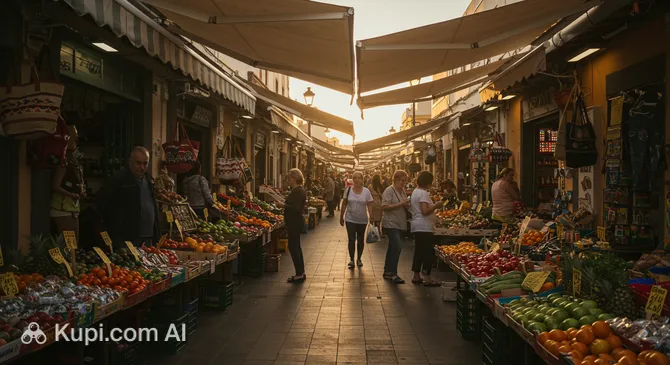
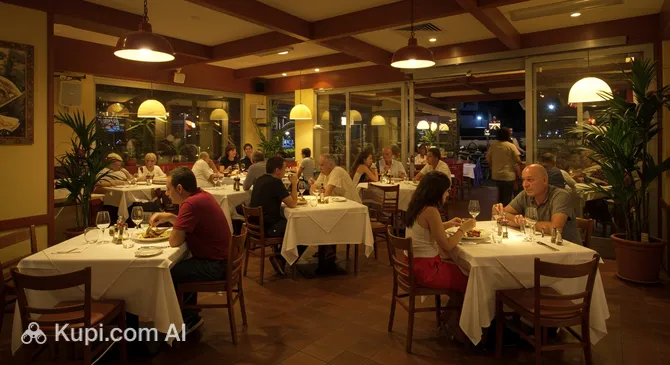
Dining culture in Arona is diverse. Locals and tourists love dining in restaurants that offer both traditional Canarian and international cuisine. For a more informal setting and a taste of local color, head to tapas bars, where you can sample small snacks with tuna, olives, and spicy sauces. To experience the authentic atmosphere and buy fresh products, visit La Pepa Market, which is always abundant with seasonal fruits, vegetables, homemade cheeses, and sausages. Traditional establishments called guachinches, such as Bodegón Guachinche Cas Toñito, offer homemade Canarian cuisine in a simple and cozy setting. Additionally, gastronomic festivals are often held in Arona, allowing guests to discover the full diversity of local culinary traditions.

La Pepa Market. Illustration.
Source: Kupi.com AI

Traveler photos:

The gastronomy of Arona is not just about food; it is a true adventure for your taste buds. The combination of fresh ingredients, traditional recipes, and local hospitality makes every dinner unforgettable. Discover the richness of Canarian cuisine and take home bright gastronomic impressions!

Travel Tips

Welcome to sunny Arona! To ensure your trip to this beautiful corner of Spain is as comfortable and pleasant as possible, we have prepared some practical tips. They will help you find your way and avoid potential inconveniences.

  1. Clothing and Essentials: Thanks to its location in Tenerife, Arona enjoys pleasant weather almost year-round. Bring light and breathable clothing: T-shirts, shorts, and sundresses. A light jacket or cardigan may be useful in the evening, especially during winter months. Don't forget your swimsuit, sunscreen with high SPF, sunglasses, and a hat. Comfortable shoes are essential for walking along the promenades and for excursions. If you plan to visit churches, choose clothing that covers shoulders and knees. You will also need a European-type power adapter (Type F).
  2. Transport: Within Arona and its resort zones, such as Playa de las Américas or Los Cristianos (partly within the municipality), it is convenient to get around on foot. For longer trips across Tenerife, you can use local buses, known here as "guaguas". Taxis are also available and can be called via apps. If you plan to explore the island extensively, renting a car is a good option, providing freedom of movement.
  3. Finance: The official currency in Spain is the Euro (EUR). You can exchange money at banks or currency exchange offices (casas de cambio), though airport rates are usually less favorable. Credit and debit cards (Visa, Mastercard) are widely accepted in most shops, restaurants, and hotels. ATMs are easy to find. An approximate daily budget depends on your plans, but you can estimate 50-100 euros per person excluding accommodation. Tipping in restaurants is welcomed (usually 5-10% of the bill for good service), or you can simply round up the amount.
  4. Health and Safety: Pharmacies (farmacias) are marked with a green cross; some operate 24/7 on a duty schedule (farmacia de guardia). EU citizens are advised to carry a European Health Insurance Card (EHIC). For other tourists, travel insurance is essential. Arona is considered a safe resort. Nevertheless, follow standard precautions: watch your belongings in crowded places and do not leave valuables unattended on the beach. Drink plenty of water, especially on hot days.
  5. Communication: The official language is Spanish. In Arona's tourist zones, staff in hotels, restaurants, and shops often speak English and sometimes other European languages. Learning a few basic phrases in Spanish (e.g., "Hola" – hello, "Gracias" – thank you, "Por favor" – please) will be useful and appreciated by locals. A SIM card with internet access can be purchased at mobile phone stores. Wi-Fi is available in most hotels, cafes, and restaurants.
  6. Local Etiquette: Spaniards are open and friendly people. The standard greeting is "Hola". In informal settings, acquaintances may exchange two kisses on the cheeks (starting with the left). Politeness is valued in public places. Dinner in Spain is typically late—restaurants start filling up after 8–9 PM.
  7. What to Avoid: Try not to discuss sensitive political topics unless you are sure of your interlocutor's stance. It is also best not to compare the local culture with other regions of Spain in a critical way. Avoid excessive alcohol consumption in public places to avoid inconveniencing others.
  8. Additional Tip – Siesta and Sun: While many shops in Arona's major tourist centers stay open all day, some smaller shops may close for siesta (roughly from 2:00 PM to 5:00 PM). The sun in the Canaries is very strong, even if the sky seems cloudy. Always use sunscreen, wear a hat, and drink plenty of water to avoid sunburn and heatstroke.

We hope these tips make your stay in Arona even more enjoyable and carefree. Enjoy the sun, the ocean, and the hospitality of this wonderful Canarian resort!

Entertainment & Nightlife

As evening falls, Arona transforms, offering tourists a multitude of options for an exciting time. The nightlife is particularly vibrant in popular resort areas like Playa de las Américas and Los Cristianos, famous for their numerous bars, clubs, and restaurants that stay open until late at night.

The atmosphere here is incredibly diverse: from relaxed chill-out bars on the promenade, where you can enjoy a cocktail to the sound of the surf, to energetic nightclubs with infectious music and dancing until dawn. Many venues offer live music or DJ sets. The crowd is predominantly tourist and international. The dress code in most places is quite casual, though some more prestigious clubs may require a more dressed-up look. Nightlife usually kicks off late, closer to midnight, and continues until 4–6 AM.

Fiamma. Illustration.
Source: Kupi.com AI

Traveler photos:

Among the popular spots for evening relaxation, Fiamma club stands out, known for its parties and contemporary music. If you prefer a quieter setting with quality drinks, check out El Tejado bar. Many tourists also enjoy spending their evenings at CHAR Fuego y Brasas Steakhouse, where you can have a delicious dinner before heading out for nightly adventures.

Practical Tips: The best time to visit clubs is after midnight on weekends, though many venues are open on weekdays as well. Average drink prices vary but are generally comparable to other popular European resorts. Getting around at night is most convenient by taxi, which are easy to find in tourist areas or can be called by phone. Arona's main tourist districts are considered quite safe for night walks, but standard precautions should always be taken.

During the day, Arona also offers plenty to do. Fans of active recreation can visit the famous Siam Park or Aqualand Costa Adeje. For family leisure, Jungle Park or Tenerife Monkey Park are excellent choices. If you're interested in a cultural program, you can stop by El Molino Blanco, which offers a unique experience, or visit the Los Cristianos Cultural Center.

Parks & Museums

Arona is not only a popular destination for beach holidays in Spain but also a town offering its guests various opportunities to connect with nature and culture. Here you will find picturesque parks for walking and interesting spaces that tell the story of the region's history and traditions.

For nature and outdoor enthusiasts, Arona offers several wonderful spots. One of the most famous is Jungle Park, a true tropical oasis where you can see exotic animals and birds and enjoy exciting shows. It is a great place for a family visit, full of adventure and discovery.

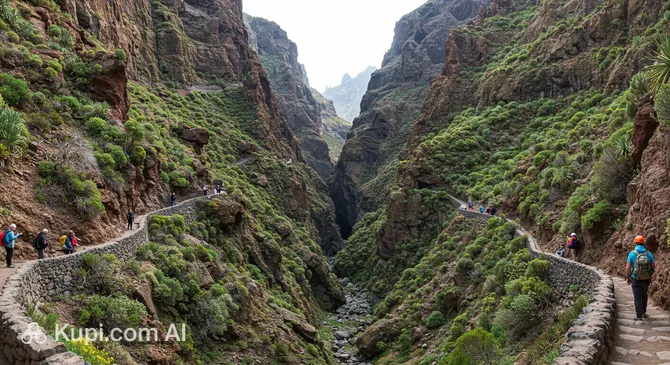
Another natural gem is the Barranco del Infierno ravine. This nature reserve attracts hikers with its scenic trails, rare plant species, and, with luck, small waterfalls. A hike through the ravine is an opportunity to enjoy the peace and beauty of Canarian nature. Note that advance booking may be required for visits due to limited access to preserve the ecosystem.

Barranco del Infierno. Illustration.
Source: Kupi.com AI

Traveler photos:

If you are traveling with children or simply want an unusual experience, stop by Tenerife Monkey Park. This is not quite a traditional park, but rather a contact zoo where you can get up close with various species of primates and other small animals, and even feed some of them.

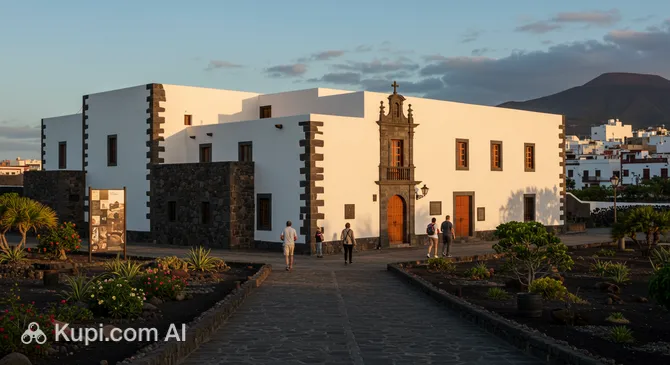
Arona's cultural life also offers interesting places to visit. While the town is better known for its natural beauty and beaches, there are sites that allow for a deeper understanding of the local identity. For example, El Molino Blanco, listed as a museum, can offer guests a unique experience combining gastronomy and a traditional Canarian atmosphere, as it is a famous restaurant located in a building styled after an old mill.

El Molino Blanco. Illustration.
Source: Kupi.com AI

Traveler photos:

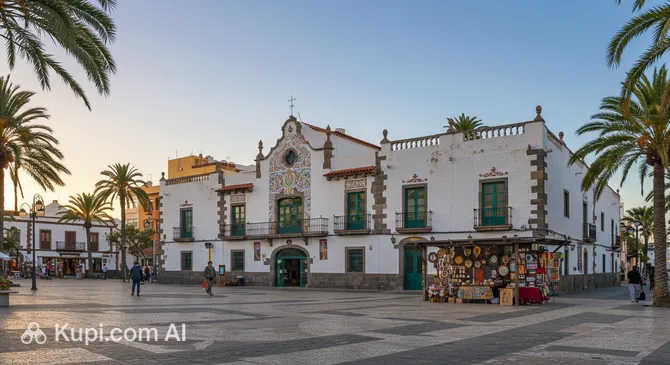
An important cultural hub is the Los Cristianos Cultural Center. It frequently hosts exhibitions by local artists, theatrical performances, concerts, and other events that introduce visitors to contemporary art and the cultural traditions of the Canary Islands. It is an excellent place to feel the town's creative energy and learn about its cultural life.

Los Cristianos Cultural Centre. Illustration.
Source: Kupi.com AI

Traveler photos:

Strolling through the old quarters of Los Cristianos, part of the Arona municipality, you can discover charming corners with traditional Canarian architecture, which are living witnesses to history in their own right. And although Arona does not have a large number of classical museums, its culture is revealed through festivals, local cuisine, and art.

For authentic experiences beyond the popular tourist routes, try exploring the lesser-known hiking trails around Arona or visit one of the local markets in the morning hours to observe the daily life of residents and find unique souvenirs, for example, at La Pepa Market, where you can taste local delicacies and buy fresh produce.

Getting Around

Navigating Arona and its surroundings is made easy for tourists by a well-developed public transport system, primarily consisting of buses. While there is no metro or tram in the city, the bus network allows for comfortable travel between main tourist zones, beaches, and the municipality's various settlements.

The main bus operator in Tenerife, including Arona, is the company TITSA. Its green buses (locals call them "guaguas") run on numerous routes, connecting Arona with other parts of the island and providing transportation within the municipality itself, such as between popular resorts like Los Cristianos and Playa de las Américas, and the administrative center of Arona-Casco.

To pay for travel on TITSA buses, it is most convenient to use the rechargeable Ten+ (tenmás) card. It can be purchased at airports, bus stations, and some shops. The card offers significant savings compared to buying single tickets from the driver. Various types of Ten+ cards exist, including tourist options. The cost of a trip depends on the distance, but overall fares are quite affordable. Single tickets are also available but cost more and vary depending on the route.

You can purchase or top up a Ten+ card at bus stations (estaciones de guaguas) or at authorized sales points such as tobacco shops (estancos) and newsstands. A single ticket can be bought directly from the driver when boarding the bus, ideally with small change. The Ten+ card must be validated when entering the bus, and upon exiting, it must be tapped against the validator again so the system can correctly calculate the fare based on the actual distance. Buses generally run regularly from early morning until late evening, but schedules can change depending on the day of the week and the season. It is recommended to check the current schedule at stops, on the official TITSA website, or in their mobile app.

In addition to buses, taxi services are widespread in Arona. Official taxis are easily recognizable by their white color and the "SP" (Servicio Público) sign on the side. Taxi stands are located in all tourist centers, near major hotels, and attractions. Car rental is also very popular, providing greater freedom to explore the island of Tenerife at your own pace. In Arona's resort zones, such as Playa de las Américas and Los Cristianos, you can find rental points for bicycles and electric scooters, which are perfect for short trips along the promenade.

Accommodation

In Arona, travelers will find a wide range of accommodation options to suit various needs and budgets. The town offers everything from budget-friendly hostels and guesthouses for those seeking economical stays to comfortable mid-range hotels and luxury resort complexes with a full range of services. Renting apartments and villas is also popular, which is particularly convenient for families or long-term stays.

The most popular areas for tourists are those located in close proximity to the beaches and main tourist centers, such as Los Cristianos and Playa de las Américas (part of which belongs to Arona). These zones offer a well-developed infrastructure with many restaurants, shops, and entertainment venues, as well as easy access to transport hubs and attractions.

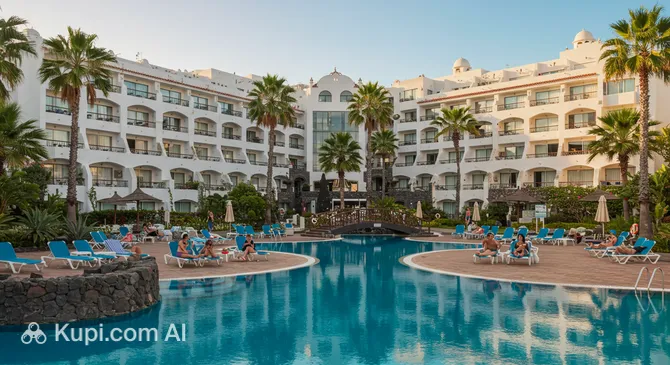
Among the hotels that have earned guest recognition are options such as Selection Anthelia and Gran Tacande Wellness & Relax. These resort hotels offer a high level of service, diverse amenities, and often feature their own swimming pools and spa centers.

Selection Anthelia. Illustration.
Source: Kupi.com AI

Traveler photos:

When planning a trip to Arona, especially during high tourist seasons (summer months and Christmas holidays), it is recommended to book accommodation in advance to ensure the best choice and prices. The price range varies from budget options to luxury offers. You can book your stay through popular international online platforms, travel agencies, or directly on official hotel websites.

Nearby Cities

For those looking to explore the surroundings, Arona serves as an excellent starting point for day trips to several interesting nearby locations:

Among them, Adeje, located just 6 km from Arona, is particularly noteworthy. This popular resort town is known for its magnificent beaches, such as Playa del Duque, luxury hotels, and extensive opportunities for active recreation, including golf and various water sports. Also worth visiting is the city of La Laguna (officially San Cristóbal de la Laguna), located about 56 km away. This historic city, a UNESCO World Heritage site, will charm you with its beautifully preserved colonial architecture, ancient churches, cozy squares, and the unique atmosphere of a university town.

CityPopulationDistance
Adeje49 2706 km
Granadilla de Abona52 44710 km
Guía de Isora21 82716 km
Arico el Nuevo8 75422 km
Santiago del Teide11 16226 km

These nearby destinations provide a more complete picture of Tenerife's diverse culture, history, and natural landscapes, enriching your experience during your stay in Arona.

Shopping & Souvenirs

Arona offers a variety of shopping opportunities capable of satisfying both fans of well-known brands and connoisseurs of authentic local goods. The town and its resort areas are famous not only for beach holidays but also for modern shopping centers, cozy boutiques, and colorful markets. Here you can find everything from fashionable clothing and accessories to unique souvenirs and Canary Island delicacies.

The main shopping areas in Arona are concentrated in popular tourist districts such as Playa de las Américas and Los Cristianos. The promenades and adjacent streets are teeming with shops selling clothing, footwear, perfumes, jewelry, and electronics. You can find both international chain stores and small shops with local goods.

For those who prefer shopping in large complexes, Arona offers several excellent options. One of the most popular is Siam Mall, which impresses with its variety of shops, restaurants, and entertainment zones. It offers a wide range of products from leading Spanish and international brands.

Siam Mall. Illustration.
Source: Kupi.com AI

Traveler photos:

Another shopping center worth mentioning is Parque Santiago 6 Shopping Center. Here, visitors will find many clothing and accessory stores, household goods, and a large supermarket, making it a convenient spot for comprehensive shopping.

Fans of market atmospheres and fresh produce should visit the local markets. For example, La Pepa Market offers a good selection of fresh fruits, vegetables, local cheeses, as well as souvenirs and handmade crafts. It is a great place to feel the local flavor and buy something special as a reminder of your trip to Arona.

La Pepa Market. Illustration.
Source: Kupi.com AI

Traveler photos:

Popular souvenirs from Arona include items made from olivine volcanic stone, aloe vera-based cosmetics grown in the Canary Islands, local mojo sauces, rum or liqueurs, as well as traditional Canarian ceramics and embroidery. Locally produced cigars are also popular.

Most shops in Arona are open from Monday to Saturday, typically from 10:00 AM to 9:00 PM or 10:00 PM. Large shopping centers may operate without a lunch break (siesta) and even on Sundays, especially during the high tourist season. Smaller shops may close for siesta in the middle of the day (roughly from 2:00 PM to 5:00 PM). Bank cards are accepted almost everywhere, but it is better to have cash for purchases at markets or in small shops.

Tourists from non-EU countries can take advantage of the Tax Free system and claim back a portion of the VAT (IGIC in the Canary Islands) on purchases above a certain minimum. To do this, you must request a special Tax Free check at the store and present it along with the goods at customs at the airport before your flight.

Reached the end of the page?

That means the route is fully explored