Support

La Orotava

About

La Orotava is a true gem of northern Tenerife, picturesquely spread across the valley of the same name. This charming town, part of the province of Santa Cruz de Tenerife in Spain, is nestled at the foot of the majestic Mount Teide, surrounded by banana plantations and offering breathtaking views of the Atlantic Ocean.

La Orotava. Illustration.
Source: Kupi.com AI

With a population of approximately 42,434 people, La Orotava preserves the unique atmosphere of an ancient Canarian town. Its historic center is beautifully preserved and recognized as a site of historical and artistic value. Walking along the cobblestone streets, you will be enchanted by old mansions with traditional carved wooden balconies, cozy squares, and ancient churches that create a unique character.

La Orotava attracts travelers not only with its architecture. The town is famous for its magnificent gardens, such as the Victoria Gardens (Jardines Victoria) or the Hijuela del Botánico botanical garden, where you can enjoy a variety of local and exotic flora. For nature and outdoor enthusiasts, there are numerous hiking trails nearby leading into the mountains and to the famous Teide National Park, a UNESCO World Heritage site.

If you want to immerse yourself in the authentic atmosphere of the Canary Islands, enjoy natural beauty, and discover a rich culture, La Orotava will be a true discovery for you. This town offers the perfect combination of history, natural beauty, and a relaxed pace of life, leaving unforgettable impressions on every guest.

You can find more interesting facts on the La Orotava city history page.

Weather Overview

The climate in La Orotava is characterized by its mildness throughout the year, making the town attractive to visit at any time. The warmest months are July and August, when the average air temperature stays around 21-22°C, and the maximum can reach 23-24°C. January and February are considered the coolest but still comfortable, with an average temperature of about 15°C. Precipitation is infrequent, especially in the summer months (May-August), when there is practically none. In other months, about 1 mm of precipitation falls, and the number of rainy days varies from 1 to 7 per month.

Overall, in La Orotava, you can expect a warm and very dry summer, as well as mild winters with a small amount of precipitation. To plan your trip in the best way, we recommend reviewing detailed information about the La Orotava climate.

Average monthly temperature

Average monthly precipitation

Interesting Facts

In addition to its picturesque streets and famous landmarks, La Orotava hides many amazing stories and little-known details that make this town truly special. Here are just a few interesting facts that will help you look at it from a new angle:

  • Tenerife's Oldest Town: La Orotava proudly bears the title of the oldest town on the island of Tenerife. Its history dates back to the 15th century when, after the Castilian conquest, the most noble families began to settle here, turning it into a thriving center of crafts and art.

  • \"Talking\" Balconies of Canarian Pine: One of the most recognizable and charming features of La Orotava is its magnificent carved wooden balconies. These skillful creations made of Canarian pine are not just an architectural element. During festivals, they seem to "come alive," decorated with bright flowers, flags, and traditional fabrics, becoming a symbol of island hospitality and comfort.

  • Ephemeral Art Underfoot: Every year during the festival of Corpus Christi, the streets of La Orotava are transformed by a unique and spectacular festival. Locals with incredible skill create huge, detailed carpets made of colorful volcanic sand and fresh flower petals directly on the pavements and squares. These works of art exist for only a few hours, turning the town into a real open-air gallery.

  • Guanche Heritage and the Fertile Valley: According to legends, the Orotava Valley, always famous for its exceptional fertility, remained an independent territory of the indigenous inhabitants of the Canary Islands – the Guanches – for a long time. It was only later annexed to the Kingdom of Castile, while retaining its special atmosphere.

How to Get There

The most convenient way to reach the charming town of La Orotava, located on the island of Tenerife in Spain, is by air. Two international airports operate on the island, receiving flights from many countries and other Canary Islands.

The closest airport to La Orotava is Tenerife North Airport (TFN), also known as Los Rodeos. It is located approximately 20.7 km from the center of La Orotava. This major airport primarily serves flights between the Canary Islands and mainland Spain, as well as some European destinations. A trip by car or taxi to La Orotava from here will take about 25-35 minutes. Regular bus routes are also available to take you to the town.

The main international hub of the island is Tenerife South Airport (TFS), or Reina Sofia. It is situated in the south of Tenerife, about 38.5 km from La Orotava. This very large airport handles most international charter and scheduled flights from across Europe. The journey to La Orotava from here by car takes approximately 40-60 minutes. There are bus routes connecting the airport to the northern part of the island, from where you can reach La Orotava, possibly with a transfer.

Although there are airports on other Canary Islands, such as Gran Canaria Airport (LPA) in Las Palmas or La Palma Airport (SPC), they are less convenient for traveling directly to La Orotava as they would require an additional flight or a ferry crossing to Tenerife.

For clarity, here is summary information on the main airports that can be considered for travel to La Orotava:

AirportPassenger trafficDistance
Tenerife North Airport6.1 mln21 km
Tenerife South Airport12.3 mln38 km
La Gomera Airport113 00079 km
Gran Canaria Airport14.0 mln123 km
La Palma Airport1.4 mln123 km

Main Attractions

La Orotava, the pearl of northern Tenerife, captivates travelers not only with its magnificent landscapes but also with its rich cultural heritage. The town offers many interesting places, from historic quarters to cozy establishments where you can feel the authentic Canarian spirit and enjoy a unique atmosphere.

The heart of the town is undoubtedly its Historic Center (Casco Histórico). A stroll through its cobblestone streets is a true immersion into the past, where every house with traditional carved wooden balconies and cozy courtyards tells its own centuries-old story. Magnificent examples of 17th-18th century Canarian architecture are concentrated here, including iconic structures like the House of the Balconies (Casa de los Balcones) and the majestic Church of the Immaculate Conception (Iglesia de la Concepción). Visiting the historic center is a must for anyone who wants to get to know the soul of La Orotava.

Another iconic attraction that should not be missed is the Victoria Gardens (Jardines Victoria), also known as the Gardens of the Marquises of Quinta Roja. These multi-tiered gardens, created in the 19th century in a Masonic style, delight with their thoughtful layout, exotic plants, and peaceful atmosphere. The upper terraces offer breathtaking panoramic views of the town, the Orotava Valley, and the Atlantic Ocean. In the center of the garden stands an elegant mausoleum made of Carrara marble. It is a wonderful place for leisurely strolls, contemplation, and enjoying the silence away from the city bustle.

For those who want to dive into the everyday life of the town and feel its authentic atmosphere, Bar Parada is worth a visit. This popular spot among locals and tourists offers a great opportunity to drink a cup of aromatic Canarian coffee or a glass of local wine while observing the relaxed rhythm of La Orotava. Here you can take a break after walking the historic streets and feel like part of the local community, enjoying the simple joys of life.

Parada Brewery Bar. Illustration.
Source: Kupi.com AI

Traveler photos:

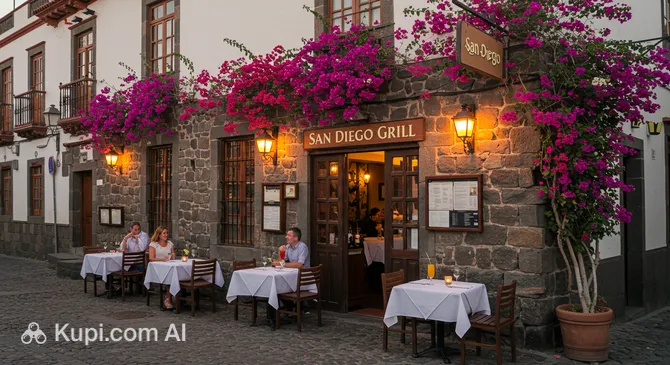
If you prefer a hearty lunch or dinner with grilled dishes, the San Diego Grill restaurant is an excellent choice. This establishment specializes in masterfully prepared meat and fish dishes over an open fire, which gives them a special aroma and flavor. Quality local ingredients and traditional recipes ensure a rich gastronomic experience, making this place popular with both tourists and locals looking for delicious and satisfying food.

San Diego Grill. Illustration.
Source: Kupi.com AI

Traveler photos:

Local Cuisine

The cuisine of La Orotava is a true immersion into authentic Canarian flavors, where simple ingredients are combined with vibrant aromas. The hallmark of the local gastronomy is undoubtedly "papas arrugadas" – small potatoes boiled in their skins in very salty water until the skin wrinkles. They are traditionally served with piquant "mojo" sauces – red (mojo picón, which is spicier) and green (mojo verde, based on coriander or parsley). This dish is a must-try to experience the true taste of the Canary Islands.

In addition to the famous potatoes, the gastronomic scene of La Orotava delights with the freshest seafood, delivered in abundance from the coast. Meat lovers should try the stewed goat (carne de cabra), which melts in your mouth, or the hearty and aromatic "rancho canario" stew, made from several types of meat, chickpeas, potatoes, and noodles. Don't miss the opportunity to taste local goat cheeses, known for their variety of flavors, and for dessert – almond and honey-based sweets.

A special pride of La Orotava is its winemaking. The local vineyards, located on the unique volcanic soils of the valley, produce remarkable wines. Be sure to try the local white wines, often light and aromatic, as well as the full-bodied reds, which pair perfectly with Canarian meat dishes. Among non-alcoholic drinks, fresh tropical fruit juices are popular, especially those made from the famous Canarian bananas grown here in abundance.

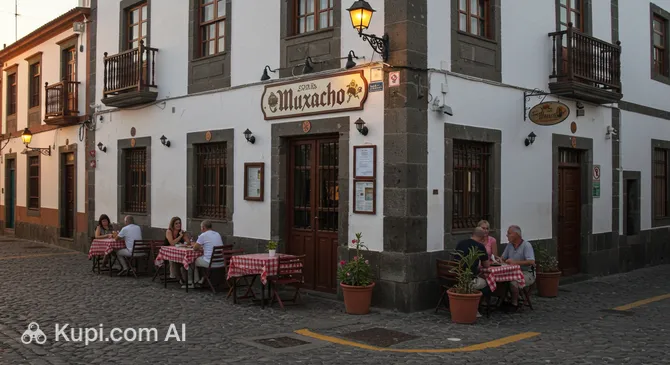
You can get acquainted with the local cuisine in numerous restaurants and traditional taverns (bodegones), where a cozy and authentic atmosphere prevails. For example, to appreciate local specialties, you can stop by the restaurant Muchacho. Tapas bars are also popular, especially in the historic center, where you can enjoy a variety of small snacks – from classic croquettes to original Canarian treats. Farmer's markets offer not only the freshest products but also the chance to soak up the local atmosphere and purchase regional delicacies.

Muxacho. Illustration.
Source: Kupi.com AI

Traveler photos:

Travel Tips

Planning a trip to the charming town of La Orotava? To ensure your journey goes smoothly and leaves only pleasant impressions, we have prepared some practical tips to help you find your way around.

  1. Clothing and Essentials:

    The climate in Tenerife, where La Orotava is located, is mild year-round. In summer, bring light clothing, shorts, and T-shirts. During the shoulder seasons and winter (October-May), jeans, sweaters, and a light jacket will be useful, as it can be cooler in the evenings and in the mountainous part of the town. Be sure to bring comfortable shoes for walking along the cobblestone streets of the historic center. Don't forget sunscreen, a hat, and sunglasses. You will need an adapter for electrical appliances (Type F sockets are used in Spain). When visiting churches, such as the famous Iglesia de la Concepción, clothing that covers the shoulders and knees is recommended.

  2. Transport in the Town and Surroundings:

    The best way to get around the historic center of La Orotava is on foot – this way you can fully enjoy its beauty. For trips to other parts of Tenerife or to the coast, it is convenient to use local buses (guaguas) operated by TITSA; the bus station is near the center. Taxis are available but can be more expensive. Renting a car is a good option for exploring the island, but keep in mind that parking in the center of La Orotava can be difficult, and mountain roads can be winding.

  3. Finances: Currency, Cards, and Tipping:

    The local currency in Spain is the Euro (EUR). You can exchange money at banks or exchange offices. Bank cards (Visa, Mastercard) are accepted in most shops, restaurants, and hotels. However, for small purchases at markets or in small cafes, it's better to have some cash on hand. ATMs (cajeros automáticos) are widespread. An approximate daily budget (excluding accommodation) is 50-80 Euros per person. Tipping in restaurants is usually 5-10% of the bill if you enjoyed the service and it isn't included in the bill. In bars, you can round up the amount.

  4. Health and Safety:

    Pharmacies (farmacias) are easy to find by their green cross; there are always duty pharmacies open 24/7 (farmacia de guardia). Tourists are advised to have travel medical insurance. La Orotava is generally a safe town. Observe standard precautions: watch your belongings, especially in crowded places, and don't leave valuables in plain sight in a car. Avoid poorly lit and deserted streets after dark.

  5. Communication and Language:

    The official language is Spanish. In tourist areas, many people speak English, especially hotel and restaurant staff. However, knowing a few basic phrases in Spanish will be very helpful and warmly received by locals: Hola (Hello), Gracias (Thank you), Por favor (Please), Adiós (Goodbye). An internet SIM card can be purchased at mobile operator shops. Wi-Fi is available in most hotels, cafes, and restaurants.

  6. Local Etiquette and Customs:

    It is customary to say hello when entering small shops or cafes (Hola or Buenos días/tardes). Spaniards are sociable and expressive. Respect the local tradition of siesta (approximately from 2:00 PM to 5:00 PM), when some small shops may be closed, especially away from tourist centers. Be polite and patient in communication.

  7. What to Avoid:

    It's best not to criticize local customs or compare the Canary Islands to mainland Spain in a derogatory way; Canarians are proud of their unique culture. Also, avoid photographing people without their explicit permission.

  8. Special Tip for La Orotava:

    If your trip falls during the celebration of Corpus Christi (usually in June), definitely try to see the famous flower carpets and volcanic sand carpets. The streets of La Orotava turn into true works of art. This is a unique sight that attracts many visitors. The dates of the festival vary, so check them in advance.

We hope these tips help you better prepare for your trip and fully enjoy every moment of your stay in beautiful La Orotava. This historic town, with its magnificent architecture and hospitable residents, is sure to charm you!

Entertainment & Nightlife

La Orotava, a charming town in Tenerife, offers its guests a more peaceful and authentic evening atmosphere rather than the vibrant club life of major metropolises. Here you will find cozy bars and restaurants where you can spend a pleasant time enjoying local drinks and dishes in the company of friends or locals.

Nightlife in La Orotava is mainly concentrated around the historic center. Here, while walking through the ancient streets, you will find many small tapas bars and traditional Canarian establishments. The atmosphere in them is generally very friendly and relaxed. The crowd is mixed – from locals of all ages to tourists looking for an authentic experience. Most establishments stay open until late evening, especially on weekends, but don't expect 24-hour discos here. The dress code is usually casual.

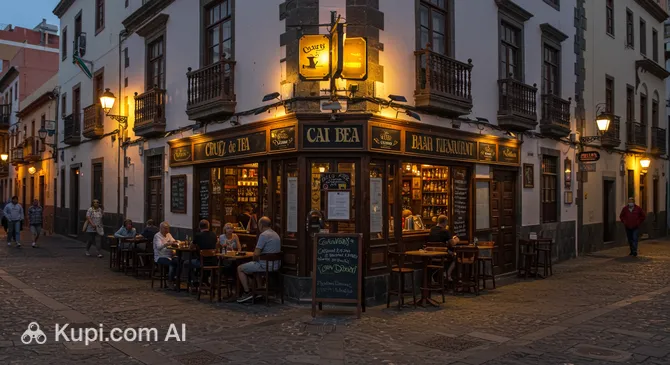
Among the places where you can spend a pleasant evening, Bar Parada is worth noting, known for its informal setting. Another popular spot is Bar-Restaurant Cruz de Tea, where you can not only have a drink but also enjoy a delicious dinner. Although these are not nightclubs in the traditional sense, these venues offer a great opportunity to immerse yourself in local culture and socialize.

Parada Brewery Bar. Illustration.
Source: Kupi.com AI

Traveler photos:

The best time for evening outings is after 9:00 PM, when locals finish dinner and head out for a walk or to sit in a bar. Prices in the bars of La Orotava are quite moderate. You can reach the town center in the evening on foot if you are staying nearby, or by taxi. The town is generally considered safe for evening walks, however, you should always take standard precautions. If you need a taxi late at night, you can call one by phone or find them at stands in the center.

Cruz de Tea Bar Restaurant. Illustration.
Source: Kupi.com AI

Traveler photos:

During the day, La Orotava also offers many interesting activities. You can explore its magnificent historic center with its famous carved balconies, visit museums such as the Museum of Ibero-American Handicrafts, or stroll through picturesque gardens like the Hijuela del Botánico. Although the town does not have large amusement parks, its cultural heritage and natural beauty more than compensate for it.

Parks & Museums

La Orotava is a town where picturesque green corners and rich cultural heritage harmonize. Visitors can expect both well-tended gardens and interesting museums that reveal the history and traditions of this charming Canarian town.

Among the green gems of La Orotava, the Gardens of the Marquis de la Quinta Roja, better known as the Victoria Gardens (Jardines Victoria), stand out. This is a multi-level garden with an impressive mausoleum, offering beautiful views of the town and valley. Another notable place is Hijuela del Botánico, a small but charming botanical garden that is a branch of the Puerto de la Cruz Botanical Garden, where you can see many exotic plants from around the world. The town's surroundings also offer excellent opportunities for nature lovers, as La Orotava serves as a gateway to the Orotava Valley and is located near the borders of the majestic Teide National Park.

The cultural life of La Orotava is concentrated in its museums, each unique in its own way. One of the most iconic is the "Casa de los Balcones" House-Museum. This is a magnificent example of 17th-century Canarian architecture, where you can not only admire the skillful carved wooden balconies but also learn about traditional crafts such as embroidery and lace-making, as well as the lifestyle of past eras. Equally interesting is the Museum of Ibero-American Handicrafts (Museo de Artesanía Iberoamericana, MAIT), located in the former monastery of San Benito Abad. It houses a rich collection of folk art and crafts from Latin American countries and Spain, demonstrating the cultural ties of the Canary Islands with the New World. For those interested in religious art, it is worth visiting the Sacred Art Museum "Treasure of the Conception" (Museo Sacro "El Tesoro de la Concepción"), located at the church of the same name and presenting a valuable collection of liturgical objects.

The historic center of La Orotava itself is recognized as a cultural heritage site and is a true open-air museum. Strolling through its cobblestone streets, you will admire old mansions with their famous carved balconies, elegant facades, and cozy inner courtyards (patios). The central place in the town's architectural ensemble is occupied by the majestic Church of the Immaculate Conception (Iglesia de Nuestra Señora de la Concepción) – a striking example of Canarian Baroque with Neoclassical elements, impressive for its dome and rich interior decoration.

To feel the atmosphere of La Orotava more deeply, do not limit yourself to the main tourist routes – peer into quiet alleys and discover hidden patios full of flowers and peaceful charm. Also pay attention to local craft workshops and shops where you can purchase unique handmade souvenirs reflecting Canarian traditions, such as ceramics or traditional "calado" embroidery.

Getting Around

Getting around La Orotava and its surroundings is quite convenient thanks to a developed public transport system. The main form of transport here is buses, known in the Canary Islands as "guaguas." They are operated by the TITSA company and connect La Orotava not only with nearby towns like Puerto de la Cruz but also with more distant points on the island of Tenerife.

To pay for bus travel, you can use single tickets purchased directly from the driver (it's advisable to have small change) or the Ten+ (Tenmas) transport card. The Ten+ card is rechargeable and offers more favorable fares compared to a single ticket purchase. You can buy and top up the card at tobacco kiosks (estancos), at some bus stations, and other authorized points of sale. Various types of Ten+ cards exist, including personalized and non-personalized ones.

Tourists are recommended to check bus schedules in advance, which can be found on the official TITSA website or at bus stops. Stops are usually clearly marked. To make the bus stop, you must signal to the driver with your hand. When entering the bus with a Ten+ card, you must tap it against the validator. Buses usually run from early morning until late evening, but frequency can vary depending on the route and time of day.

In addition to buses, other ways to get around are available in La Orotava. Taxis can be found at designated stands or called by phone. This is a more expensive but also more comfortable option, especially for trips with luggage or at night. For those who prefer more freedom of movement and plan to explore the island, car rental is a popular choice. Within the town itself, especially in its historic center, many attractions are within walking distance, making walking a pleasant way to get to know La Orotava.

Accommodation

When planning a trip to La Orotava, you will find a variety of accommodation options to suit different preferences and budgets. The town offers everything from cozy guesthouses and apartments to mid-range hotels, especially in the historic part and its surroundings.

In La Orotava, tourists can choose from several types of housing. Traditional Canarian houses converted into small hotels or apartments are available, allowing for a deeper immersion into the local atmosphere. More modern options are also available. While there are fewer luxury resorts here than in Tenerife's coastal tourist centers, the main focus is on authenticity and comfort.

The most popular areas for staying are those adjacent to the town's historic center. This allows you to be within walking distance of the main attractions, such as ancient churches, mansions, and the famous gardens. Some accommodation options offer beautiful views of the Orotava Valley or the ocean.

Regarding the price range, you can find both budget options and mid-range housing in La Orotava. Luxury offerings are less common. It is recommended to book accommodation in advance, especially if your trip coincides with the peak tourist season or during local festivals. The most common booking methods are popular online platforms and, in some cases, direct booking through hotel or guesthouse websites.

Nearby Cities

For those who want to explore the surroundings, La Orotava serves as an excellent starting point for day trips to several interesting nearby locations. For example, you can visit La Laguna, a historic city with colonial architecture listed as a UNESCO World Heritage site, or the island's lively capital Santa Cruz de Tenerife with its modern architecture and shopping. For lovers of beach holidays and active tourism, Adeje, known for its resorts and entertainment, is also popular. Below is a table with some options for such trips:

CityPopulationDistance
Puerto de la Cruz30 3493 km
Santa Ursula15 1145 km
La Victoria de Acentejo9 1707 km
La Matanza de Acentejo9 1149 km
El Sauzal9 00513 km

These nearby destinations allow you to get a more complete picture of the diverse culture, history, and natural landscapes of the island of Tenerife.

Shopping & Souvenirs

Shopping in La Orotava is not a hunt for famous brands, but rather a pleasant exploration of authentic shops and stalls where you can find unique local goods. The town is known for its handicrafts, traditional Canarian products, and small family-run stores that give shopping a special flavor.

Main shopping opportunities are concentrated in the historic center of the town. Walking through its cobblestone streets, such as Calle Carrera Escultor Estévez and its surrounding lanes, you will find many charming little shops. Here you can find everything from souvenirs and clothing by local designers to handmade items and delicacies.

If you prefer a more modern shopping format, the Centro Comercial La Villa shopping center is located on the outskirts of town. It features a wider range of clothing, shoe, electronics, and home goods stores, as well as a large supermarket. Another popular option is the El Trompo shopping center, also offering a variety of stores and entertainment.

Be sure to visit the La Orotava Municipal Market (Mercado Municipal de La Orotava). This is a great place to soak up the local atmosphere and buy fresh fruits, vegetables, cheeses, meat products, honey, and other Canarian specialties. The market is usually bustling, especially in the mornings, and quality goods can be found here at reasonable prices.

As souvenirs from La Orotava, it is worth bringing back traditional Canarian products: the famous mojo sauces, gofio (toasted grain flour), local wines, especially from the Orotava Valley, and palm honey. Also popular are handmade items: ceramics, embroidery (such as "calados canarios" – Canarian drawn-thread work), volcanic stone jewelry, and cosmetics based on aloe vera.

Most small shops in La Orotava operate from Monday to Saturday, usually from 9:00-10:00 AM to 1:00-2:00 PM and then, after the traditional siesta, from 4:00-5:00 PM to 8:00-9:00 PM. Large stores and shopping centers may operate without a lunch break and stay open longer, especially during the tourist season. On Sunday, most small shops are closed, except for some souvenir stalls. Cash (Euros) and bank cards (Visa, Mastercard) are widely accepted. American Express may not be accepted everywhere.

Tourists residing outside the European Union can take advantage of the VAT (IVA) refund system, known as Tax Free, when making purchases over a certain amount in participating stores. Look for the "Tax Free Shopping" logo in windows and remember to ask shop assistants to issue a special tax refund check.

Reached the end of the page?

That means the route is fully explored