Support

Candelaria

About

Candelaria is a charming coastal town on the island of Tenerife, often called a true jewel of the Atlantic Ocean. It is nestled at the foot of the mountains, where unique volcanic beaches with dark sand create a picturesque contrast with the emerald greenery of the slopes and the azure waters of the ocean. Here, the breath of history harmoniously blends with the refreshing sea breeze, creating a unique atmosphere of peace and serenity.
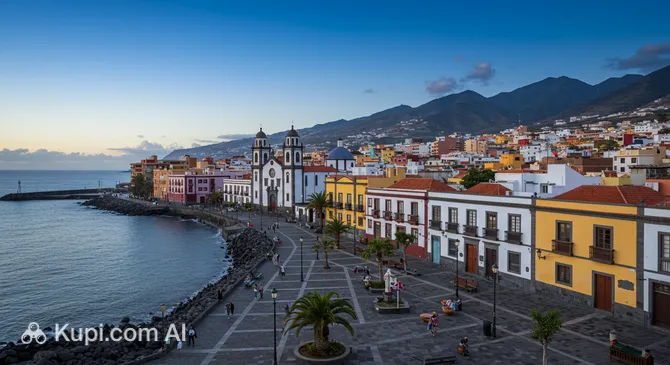
Candelaria. Illustration.
Source: Kupi.com AI

The town is located just 17 kilometers from Tenerife's capital, Santa Cruz de Tenerife, and is part of the province of the same name in Spain. With a population of about 28,500 people, Candelaria maintains the cozy atmosphere of a small town where life flows at a measured pace, yet remains rich in local flavor and traditions.

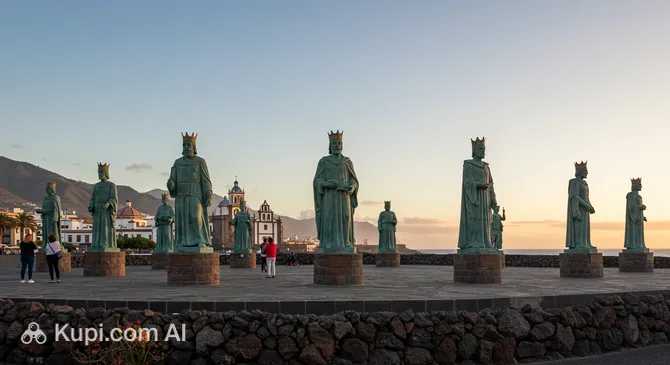
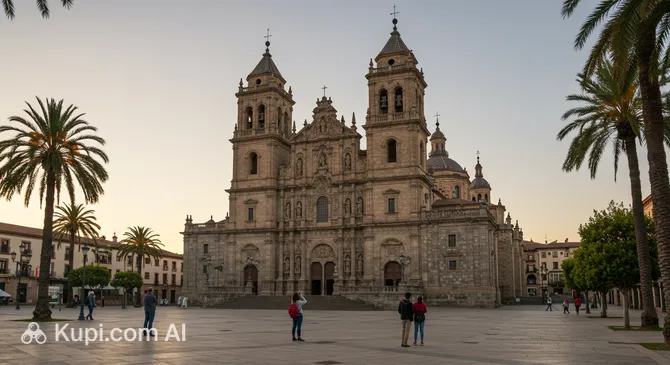
Candelaria is rightfully considered the spiritual heart of the Canary Islands. The main sanctuary and center of attraction for pilgrims and tourists is the majestic Basilica of Candelaria, dedicated to the patron saint of the archipelago. In front of the basilica, on a spacious square, guests are greeted by the impressive bronze statues of the nine Guanche kings—the ancient inhabitants of the island, serving as a reminder of the rich history and culture of these lands. In addition to its religious significance, the town attracts visitors with the opportunity to relax on unusual beaches featuring black volcanic sand.

A visit to Candelaria is an opportunity not only to enjoy the sun and the ocean but also to experience deep-rooted traditions, encounter a unique culture, and feel like part of the large and welcoming Canarian family. This town leaves warmth in your heart and a desire to return again.

You can find more interesting facts on the history of Candelaria page.
Weather Overview

In Candelaria, you can expect predominantly mild and pleasant weather throughout the year. Summers here are warm and sunny, with average temperatures ranging from 18.9°C in June to 21.6°C in August, while rainfall is minimal, especially in May, July, and August, when there is practically none. Winters are also mild, with average temperatures around 15-16°C and a small number of rainy days, mainly from January to March and from November to December. Overall, expect comfortable warm weather with very little rainfall year-round. The warmest months are July and August, while the coolest, yet still mild, months are January and February.

For a more detailed forecast and to study the climatic features, we recommend visiting the Candelaria Climate page.

Average monthly temperature

Average monthly precipitation

Interesting Facts

Beyond its famous sanctuaries, Candelaria hides many surprising stories and facts that make it even more alluring for travelers. The town is not just a tourist destination but a place with a rich cultural and historical heritage.

Basilica of Our Lady of Candelaria. Illustration.
Source: Kupi.com AI

Traveler photos:

  • Did you know that Candelaria is considered the spiritual capital not only of Tenerife but of the entire Canary archipelago? It is here, in the famous Basilica of Our Lady of Candelaria, that the Black-faced Virgin of Candelaria, a symbol of the region revered by all islanders, is kept.

  • In the town's central square, Plaza de la Patrona de Canarias, you are met not just by sculptures, but by silent guardians of history—the nine majestic bronze statues of the menceyes. These figures depict the Guanche kings, the indigenous rulers of the island before the Spanish conquest, serving as a reminder of Tenerife's ancient past.

  • Twice a year, on February 2nd and August 14–15, Candelaria is transformed, becoming the epicenter of a massive pilgrimage. Thousands of people from all over the Canary Islands walk to the town to pay their respects to the Virgin of Candelaria, turning this event into a true festival of faith and unity.

  • The history of the town's main sanctuary is shrouded in legend. It is said that the original statue of the Virgin of Candelaria was discovered on the coast in the 15th century by the indigenous Guanche people, long before the arrival of the Spaniards. This event marked the beginning of the site's veneration as sacred, turning Candelaria into a pilgrimage center.

How to Get There

The most convenient way to reach the town of Candelaria, located on the east coast of Tenerife, is by air through one of the island's two international airports. Public transport on Tenerife consists of buses (called "guaguas"), while taxi services and car rentals are also widely available.

The closest airport to Candelaria is Tenerife North Airport (TFN), also known as Los Rodeos. It is located in San Cristóbal de La Laguna, approximately 14.4 km northwest of Candelaria. A trip by taxi or rental car from this airport to the center of Candelaria takes roughly 40-45 minutes. This airport mainly serves inter-island flights between the Canaries, as well as some domestic and international routes. From the airport, you can reach Candelaria by taxi, rental car, or by taking a bus with a transfer at the bus station in Santa Cruz de Tenerife.

The second major airport on the island is Tenerife South Airport (TFS), or Reina Sofía Airport. It is located in the southern part of Tenerife, about 39.7 km from Candelaria. The journey by car or taxi from here to Candelaria takes about 1 hour and 20 minutes. Tenerife South Airport is the island's main international hub, receiving the majority of flights from Europe and other countries. You can reach Candelaria by taxi, rental car, or by bus with a transfer in Santa Cruz de Tenerife or at one of the major bus stations in the south of the island.

While other Canary Islands also have airports, such as Gran Canaria Airport (LPA) in Las Palmas, using them to travel to Candelaria would require an additional flight to Tenerife or a ferry crossing. Additionally, Tenerife has maritime connections with other islands in the archipelago and mainland Spain, which can be an alternative way to reach the island if you are traveling with a car or prefer sea travel.

For clarity, here is a summary of the main airports serving Tenerife and nearby islands:

AirportPassenger trafficDistance
Tenerife North Airport6.1 mln14 km
Tenerife South Airport12.3 mln40 km
La Gomera Airport113 00090 km
Gran Canaria Airport14.0 mln108 km
La Palma Airport1.4 mln139 km

Main Attractions

Candelaria, a small but significant town on Tenerife, attracts travelers primarily with its spiritual and historical landmarks. Here are some of the key places worth visiting:

The crown jewel of the town, without a doubt, is the Basilica of Our Lady of Candelaria. It is the most important religious center of the Canary Islands and a major pilgrimage site. The modern basilica building, consecrated in 1959, impresses with its monumental architecture and rich interior decoration. It houses the revered statue of the Black Madonna, the patron saint of the archipelago. The basilica draws both believers and tourists interested in culture and history.

Directly in front of the basilica, on the spacious Plaza de la Patrona de Canarias, your attention will be drawn to the majestic Statues of the Menceyes. These nine bronze figures depict the Guanche chiefs—the indigenous inhabitants of Tenerife before the arrival of the Spaniards. Each statue symbolizes the ruler of one of the island's nine ancient kingdoms. The monuments are a tribute to Tenerife's rich history and serve as a popular backdrop for photographs.

Statues of the Menceyes. Illustration.
Source: Kupi.com AI

Traveler photos:

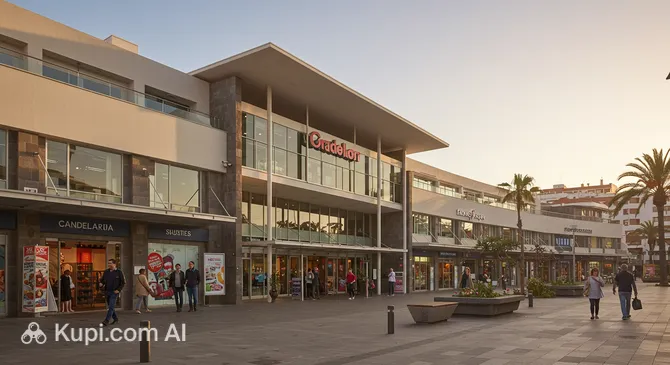
If you want to take a break from historical monuments and spend some time shopping, the Punta Larga Shopping Centre is at your service. Here you will find a variety of shops offering clothing, souvenirs, and other goods, as well as cafes and restaurants where you can grab a bite and relax. This modern space is popular with both locals and visitors.

Punta Larga Mall. Illustration.
Source: Kupi.com AI

Traveler photos:

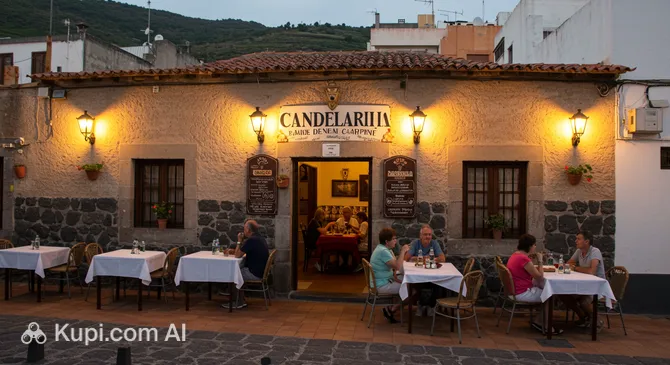
To get a closer look at the gastronomic traditions of the Canary Islands, it is worth visiting the La Casona del Vino Restaurant. This establishment is known for its authentic local cuisine and a good selection of wines. The restaurant's cozy atmosphere makes it a wonderful place to end a busy day spent in Candelaria and enjoy delicious dishes.

La Casona del Vino Restaurant. Illustration.
Source: Kupi.com AI

Traveler photos:

Local Cuisine

The gastronomic scene in Candelaria is a true immersion into authentic Tenerife cuisine, where the freshest gifts of the Atlantic Ocean and local farm products play the lead role. Here, traditions and simple yet expressive flavors are valued, leaving no gourmet indifferent.

The foundation of local culinary art is, undoubtedly, seafood. In numerous small restaurants and bars, especially those along the waterfront, you will be offered freshly caught fish, grilled or baked in salt. Be sure to try the tender grilled octopus, fragrant squid, and the local delicacy—the parrotfish, known as "vieja," which is prepared according to ancient recipes. An excellent place to discover sea delicacies is the La Mar Fish Fry and Shop.

No visit to the Canary Islands, and Candelaria in particular, is complete without tasting "papas arrugadas". These are small potatoes boiled in their skins in very salty seawater until the skin wrinkles and is covered with a salt crust. They are served with two types of "mojo" sauces: a spicy red one (mojo picón) based on pepper and garlic, and a milder green one (mojo verde) with cilantro or parsley. This simple yet incredibly tasty dish is a true hallmark of Canarian cuisine.

La Casona del Vino Restaurant. Illustration.
Source: Kupi.com AI

Traveler photos:

In addition to fish and potatoes, it's worth paying attention to local farm products. In Candelaria's markets, you can find juicy seasonal fruits, fragrant goat cheese, natural honey, and, of course, local wines. White wines from the island's volcanic soils are especially good, perfectly complementing seafood dishes. Stop by the La Casona del Vino Restaurant to appreciate the pairing of local dishes and wines. Among non-alcoholic drinks, freshly squeezed juices are popular.

Locals and tourists prefer to lunch and dine in small family restaurants or tapas bars where a relaxed atmosphere prevails. Street food is not as common here as in some other regions; the emphasis is on quality restaurant dishes. An evening stroll along the waterfront will surely lead you to a cozy establishment with an ocean view. Gastronomic festivals are also often held in Candelaria, especially those timed to religious holidays. This is a great opportunity to try a variety of traditional dishes and drinks, and sometimes participate in culinary masterclasses.

Travel Tips

Welcome to charming Candelaria! To make your journey through this significant town in Spain as comfortable and memorable as possible, we have prepared some practical tips.

  1. Clothing and Essentials: Candelaria enjoys the mild climate of Tenerife. In summer, you will need light clothing, a swimsuit, a hat, sunglasses, and sunscreen. In the off-season and winter, a light jacket or sweater won't hurt for evening walks. Be sure to bring comfortable shoes for walking around the town and its surroundings. For visiting the Basilica of Candelaria (Basílica de Nuestra Señora de Candelaria), the main religious center of the Canary Islands, choose modest clothing that covers shoulders and knees. Don't forget an adapter for electrical appliances (Type F sockets are used in Spain).

  2. Transport: It is convenient to get around Candelaria itself on foot, especially in the center and along the waterfront. For trips to Santa Cruz de Tenerife or other parts of the island, you can use local buses, which are called “guaguas” in the Canary Islands. Taxis are also available but can be more expensive. Renting a car is practical if you plan to actively explore the whole island of Tenerife, but keep in mind that parking in popular places can be difficult.

  3. Finances: The official currency is the Euro (€). Bank cards (Visa, Mastercard) are accepted in most shops, restaurants, and hotels. It is recommended to always have a small amount of cash for small purchases or at markets. ATMs (cajeros automáticos) are easy to find. An approximate daily budget per person (excluding accommodation) can be 50-70 Euros. Tipping in restaurants is welcomed (usually 5-10% of the bill for good service) but not strictly mandatory; rounding up the bill is often sufficient.

  4. Health and Safety: Pharmacies (farmacias) are marked with a green cross; usually, one pharmacy in town operates on a 24-hour duty schedule (farmacia de guardia). To receive medical assistance, EU tourists are advised to have a European Health Insurance Card (EHIC); other tourists are strongly encouraged to take out comprehensive travel insurance. There is a medical center (Centro de Salud) in Candelaria. The town is considered quite safe, but standard precautions against pickpockets in crowded places, especially near the Basilica, are advisable.

  5. Communication: The official language is Spanish (Castilian), with some features of the Canarian dialect. In tourist areas, many people speak English, but knowing a few basic Spanish phrases like “Hola” (Hello), “Gracias” (Thank you), “Por favor” (Please), and “¿Cuánto cuesta?” (How much does it cost?) will be very helpful and appreciated by the locals. Local operator SIM cards can be purchased in specialized stores or large shopping centers. Wi-Fi is available in most hotels, cafes, and restaurants.

  6. Local Etiquette: Greetings usually include the word “Hola.” For more formal introductions or meetings with locals, a handshake is customary. Canarians, like all Spaniards, value politeness. Using the formal “You” (Usted) for strangers or elderly people is the norm. Don't be surprised if locals speak loudly and emotionally—it's part of their culture. Patience and friendliness will help you establish rapport.

  7. What to Avoid: Try to avoid discussing sensitive political topics, especially those regarding regional independence or historical disputes. Avoid overly revealing clothing outside the beach, especially when visiting churches and religious sites like the Basilica of Candelaria. Photographing people without their permission can also be perceived negatively.

  8. Additional Tip: If your trip coincides with February 2nd or August 15th, you will be able to witness the celebrations of the Day of the Virgin of Candelaria—the patron saint of the Canary Islands. During these days, thousands of pilgrims flock to the town, and colorful processions and religious ceremonies are held. This is a unique opportunity to experience the local culture, but be prepared for large crowds.

We hope these tips help you plan an unforgettable trip to Candelaria. Enjoy its unique atmosphere, history, and hospitality!

Entertainment & Nightlife

Evening and nightlife in Candelaria offers visitors a pleasant and relaxed pastime, ideal for ending the day after sightseeing. While Candelaria is not famous for boisterous nightclubs, you can find cozy bars and restaurants where you can enjoy the local atmosphere and delicious food.

Most evening activity is concentrated along the waterfront and in the central part of the town, especially around Plaza de la Patrona de Canarias. Here you will find many establishments offering both traditional Canarian dishes and drinks. The atmosphere is usually calm and friendly, perfect for conversation. Many restaurants and bars have outdoor terraces, which are pleasant for watching the sunset or simply enjoying a warm evening.

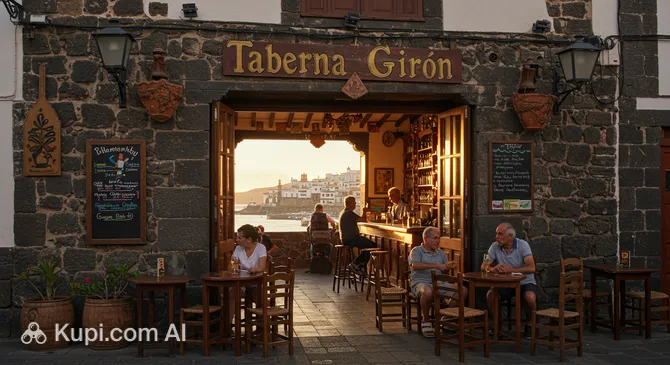
For those looking for a place to relax in the evening with drinks, local bars are worth checking out. One such place is the Taberna Giron, where you can have a drink in an authentic setting. If you prefer dinner in good company, restaurants such as La Casona del Vino Restaurant offer a diverse menu and a cozy atmosphere for an evening meal. Many establishments stay open until late in the evening, especially on weekends.

Taberna Girón. Illustration.
Source: Kupi.com AI

Traveler photos:

The crowd in Candelaria in the evening is a mix of locals and tourists who appreciate a quiet getaway. The dress code in most places is casual, with formal attire not required. Prices in bars and restaurants are generally moderate. The best time to visit is after 20:00, when the daytime heat subsides and the town takes on a new life.

Regarding transport, Candelaria's center is easy to get around on foot. If you are staying on the outskirts or plan to return late, you can use taxi services. The town is considered quite safe for evening walks; however, you should always follow standard precautions, especially in less illuminated areas.

During the day, Candelaria offers other types of entertainment. You can visit the famous Basilica of Our Lady of Candelaria, the main pilgrimage center in the Canary Islands, or stroll across the square and view the impressive Statues of the Menceyes. You can also spend time at the Punta Larga Shopping Centre if you feel like doing some shopping.

Parks & Museums

Candelaria, a charming town on the coast of Tenerife, offers its guests not only excellent opportunities for relaxation by the ocean but also an introduction to its rich cultural and historical heritage. While the town may not boast extensive park zones in the classic sense, its coastline and significant monuments create a unique atmosphere for walking and exploration.

Instead of traditional parks, Candelaria treats its visitors to the pleasure of walking along the ocean. The town's promenade is a wonderful place where you can enjoy the fresh sea breeze, picturesque views, and the sound of the waves. Beaches such as Playa de la Arena or Playa de Olegario, while not parks, serve as natural recreation areas where you can relax and soak up the sun. These coastal spaces are ideal for leisurely strolls and contemplating the Atlantic Ocean.

Basilica of Our Lady of Candelaria. Illustration.
Source: Kupi.com AI

Traveler photos:

The heart of cultural life in Candelaria is undoubtedly the Basilica of Our Lady of Candelaria. This is not just a church, but the most important pilgrimage center in the Canary Islands, dedicated to the patron saint of the archipelago. The majestic basilica building impresses with its architecture and interior decoration, attracting both believers and lovers of art and history. A visit to the basilica provides an opportunity to touch the spiritual history of the island.

Statues of the Menceyes. Illustration.
Source: Kupi.com AI

Traveler photos:

Next to the basilica, on the spacious Plaza de la Patrona de Canarias, are the famous Statues of the Menceyes. These nine bronze sculptures depict the last Guanche kings—the indigenous inhabitants of Tenerife. The monuments are a tribute to the island's pre-Hispanic history and serve as a popular spot for photographs, reminding visitors of the region's rich past.

While Candelaria may not have large state museums, the town itself, its historic center, and the promenade are a kind of open-air museum. For a more authentic experience, stroll through the narrow streets leading away from the main tourist routes—there you can find small local shops and feel the unhurried rhythm of life in a Canarian town. Enjoying the sunset from the promenade is a simple yet unforgettable sight.

Getting Around

Public transport in Candelaria is primarily represented by a bus network that connects the town with other settlements on the island of Tenerife, including the capital Santa Cruz de Tenerife and the southern resorts. Buses operated by the company TITSA are the main means of transport for those who do not have a private car. They are quite comfortable and run according to schedules, which can be found at stops or on the company's official website.

To pay for the fare, you can use either cash when boarding with the driver (it is advisable to have small change) or transport cards such as the "tenmás" card. This card is rechargeable and allows you to save on travel costs compared to single tickets. You can purchase and top up a "tenmás" card at specialized kiosks, bus stations, or in some shops. Fare prices depend on the distance and the zone. For example, a short trip within one zone with a "tenmás" card might cost approximately 1 to 2 euros, while a trip to the nearest large settlements, such as the capital Santa Cruz de Tenerife, will cost more depending on the specific route. Paying in cash to the driver is generally slightly more expensive than using the card. For the most accurate and up-to-date information on tariffs and for route planning, it is recommended to visit the official website of the TITSA transport company. You must validate the card when entering the bus, and sometimes when exiting if indicated.

Buses usually start running early in the morning and finish late in the evening, but the frequency of trips can vary depending on the route and the time of day. During the tourist season and on popular routes, buses run more frequently. It is recommended to check the schedule of your desired route in advance, especially if you plan to travel to remote areas or during evening hours.

In addition to buses, taxi services are widely available in Candelaria, as in all of Tenerife. This is a more expensive but faster and more comfortable way to get around, especially for short trips around town or if you are traveling with luggage. Many tourists also prefer to rent a car to move around the island, which gives more freedom in planning routes. In some coastal areas, bicycle rentals may be available, which is a great option for leisurely rides along the promenade.

Accommodation

In Candelaria, tourists will find various accommodation options suitable for any budget and preference. The main selection consists of apartments and guesthouses that offer both economical and more comfortable conditions. There are also small hotels catering to families and individual travelers.

Most accommodation options are concentrated along the coast and in close proximity to the town's main attraction—the Basilica of Our Lady of Candelaria. Staying in these areas provides easy access to beaches, restaurants, shops, and key tourist sites like the Statues of the Menceyes. Options in quieter residential neighborhoods are also popular, from which the center can be easily reached on foot.

While Candelaria does not have large hotel chains or luxury resorts, you can find cozy family-run hotels and apartments with beautiful ocean views. Many of them offer a home-like atmosphere and a personalized approach to guests. To find a suitable option, it is recommended to use popular online booking platforms or contact property owners directly.

When planning a trip to Candelaria, especially during the peak tourist season or during major religious holidays dedicated to Our Lady of Candelaria (February and August), it is recommended to book accommodation well in advance. This will allow you to choose the best option in terms of price and quality and avoid a lack of availability.

The price range for accommodation in Candelaria varies from budget options to mid-range offers. In general, the cost of living here can be slightly lower than in the larger tourist centers of Tenerife. Booking is mainly carried out through well-known international and local online services, as well as directly through hotel or apartment websites.

Nearby Cities

For those who wish to explore the surroundings, Candelaria serves as an excellent starting point for day trips to several interesting nearby locations.

Of particular note is Santa Cruz de Tenerife, the island's vibrant capital, where you can enjoy modern architecture like the famous Auditorio de Tenerife, and stroll through lively streets and parks. It is also easy to reach the city of La Laguna, whose historic center is a UNESCO World Heritage site and is famous for its well-preserved colonial architecture and unique atmosphere. Below is a table with some nearby cities:

CityPopulationDistance
Guimar21 2246 km
La Victoria de Acentejo9 17013 km
La Matanza de Acentejo9 11413 km
Santa Ursula15 11414 km
La Orotava42 43415 km

These nearby destinations provide insight into the diverse culture and landscapes of the region, complementing the experience of staying in Candelaria.

Shopping & Souvenirs

Shopping in Candelaria offers tourists a pleasant mix of local goods and souvenirs reflecting the culture of the Canary Islands. Although the town is not a major shopping center, you can find interesting items to remember your trip and essential goods. Especially popular are handmade products and religious paraphernalia related to the town's main sanctuary—the Basilica of Candelaria.

The main retail spots are concentrated along the waterfront and on the streets adjacent to the Basilica of Our Lady of Candelaria. Here you will find small shops offering souvenirs, clothing, beach gear, and local delicacies. A stroll through these streets is a pleasure in itself, allowing you to combine sightseeing with shopping.

For more serious shopping, you can visit the Punta Larga Shopping Centre. This is a modern complex featuring various stores for clothing, footwear, accessories, electronics, as well as a supermarket and dining facilities. It is the primary destination for those seeking a variety of brands and goods in one place.

Punta Larga Mall. Illustration.
Source: Kupi.com AI

Traveler photos:

While there are no large traditional markets in Candelaria like in some other Tenerife towns, local craft fairs may be held periodically, especially during holidays. It is also worth noting the small shops selling fresh fruit and local produce. Occasionally, you can find stalls with handmade jewelry and other souvenirs on the promenade.

As souvenirs from Candelaria, tourists often choose items related to the Virgin of Candelaria: figurines, medallions, and icons. Products made from volcanic stone, ceramics, Canarian mojo sauces, local rum, and cigars are also popular. Don't forget traditional embroidered items and lace, which make wonderful gifts.

Shops in Candelaria typically operate from Monday to Saturday, roughly from 10:00 to 13:30-14:00 and then after siesta from 17:00 to 20:00-20:30. Large shopping centers may have longer working hours without a daytime break. On Sunday, most small shops are closed, except for souvenir stalls in tourist zones. Both cash (Euros) and bank cards are accepted in most establishments.

Tourists from non-European Union countries can use the Tax-Free system when making purchases over a certain amount in participating stores. To do this, you must ask the seller for a special Tax-Free check and present it along with your purchases at customs when leaving Spain to receive a VAT refund.

Reached the end of the page?

That means the route is fully explored