Support

Pajara

About

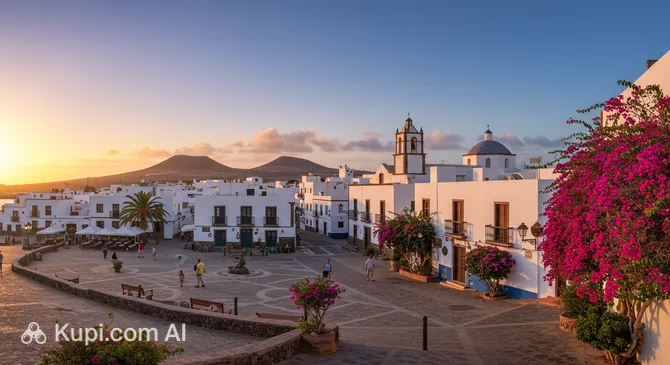
Pájara is a true paradise for lovers of the sun, the endless ocean, and pristine nature. The town is nestled in the southwest of Fuerteventura, one of the most picturesque and atmospheric corners of the Canary Islands, belonging to Spain. Here, you will find amazing landscapes where golden sands blend harmoniously with black volcanic beaches, and mighty cliffs frame the boundless expanses of the Atlantic—views that are truly breathtaking.

With a population of around 21,014, Pájara is one of the largest municipalities not only on Fuerteventura but in all the Canary Islands. Despite this, the town manages to maintain a wonderfully intimate and peaceful atmosphere, free from the hustle and bustle of major cities, where every guest feels truly welcome. Administratively, Pájara unites several charming resort villages and towns, and also covers a significant portion of the impressive Jandía Natural Park.

Pajara. Illustration.
Source: Kupi.com AI

The main highlight of Pájara lies in the unique combination of its rich natural heritage and cultural treasures. It is a place where it is easy to forget about time while strolling along wild beaches, exploring ancient churches like the Church of Our Lady of Regla, or simply watching the sun slowly sink into the ocean. Key attractions include the incredible Cofete and Sotavento beaches, perfect for both relaxed holidays and water sports.

Pájara captivates with its laid-back atmosphere and inspires leisurely walks, new discoveries, and, of course, capturing vivid photos as memories. If you are looking for a secluded getaway in harmony with nature and the chance to experience authentic culture, Pájara is the ideal choice for you.

You can find more interesting facts on the Pájara city history page.

Weather Overview

In Pájara, a pleasant climate awaits you year-round. Summers here are warm and very dry, with average temperatures around 21-24°C, reaching a peak in August (averaging 23.6°C, with highs up to 26.3°C). Winters are mild, with an average temperature of 17-19°C, while nighttime temperatures rarely drop below 15°C. Rainfall in Pájara is minimal throughout the year; most months pass with no rain at all, and in some months, there may be only 1-2 days with light precipitation. Overall, expect a very sunny and dry summer and a mild, predominantly dry winter.

For more detailed weather information, including monthly forecasts, you can visit the Pájara Climate page.

Average monthly temperature

Average monthly precipitation

Interesting Facts

Pájara is more than just miles of golden beaches and gentle sunshine. This charming corner of Fuerteventura holds many surprising stories and little-known details that can help you discover it in a new way.

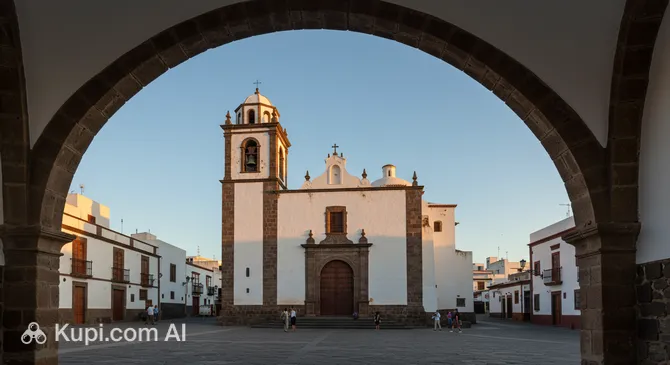
Church of Our Lady of Regla. Illustration.
Source: Kupi.com AI

Traveler photos:

  • Pájara boasts an amazing variety of beaches: on the east coast, you'll find kilometers of white sand and calm turquoise waters perfect for family vacations, while the west coast is famous for its dramatic beaches with black volcanic sand and powerful Atlantic waves. The jewel of the west is the legendary Playa de Cofete, one of Europe's wildest and most impressive beaches, shrouded in mysteries and tales of pirate treasure.

  • In the heart of the municipality is the Church of Our Lady of Regla (Iglesia de Nuestra Señora de Regla), whose facade is decorated with unusual stone carvings. Some researchers suggest that these patterns echo Aztec symbolism, which is a true mystery for the Canary Islands and a subject of much debate.

  • The Jandía Natural Park spans across the territory of Pájara, covering a vast area of over 220 square kilometers. It is not just a scenic spot but a true sanctuary for unique flora and fauna, where you can find rare endemic plants and observe birds in their natural habitat while exploring numerous hiking trails.

  • Thanks to its unique wind conditions and impressive waves, Pájara—especially the Sotavento beaches—regularly becomes a stage for prestigious international competitions. It hosts stages of the World Kitesurfing and Windsurfing Championships, drawing top athletes and thousands of spectators from around the world.

How to Get There

The primary way to reach the town of Pájara, located on the picturesque island of Fuerteventura, is by air. This is the most convenient and fastest option for most tourists looking to enjoy the sun and beaches of this corner of the Canary Islands.

The closest and most preferred option is the international Fuerteventura Airport (IATA: FUE). It is located in Puerto del Rosario, the island's administrative center, about 26.5 km northeast of Pájara. This major airport handles numerous international and domestic flights, connecting Fuerteventura with cities in mainland Europe and other Canary Islands. The trip from the airport to Pájara by taxi or rental car usually takes about 45-60 minutes. You can also reach it from the airport via public transport, though this may take more time and potentially require transfers.

If you are considering alternative routes or find more convenient flights to other islands in the archipelago, you can fly into airports on neighboring islands. For example, the large Lanzarote Airport (IATA: ACE), located in Arrecife on the island of Lanzarote, is approximately 83 km from Pájara (this distance does not account for the sea crossing between islands). Another popular option is the very large Gran Canaria Airport (IATA: LPA) in Las Palmas, on the island of Gran Canaria, about 134 km away (also excluding the sea route). Upon arriving at one of these airports, you would need an additional journey by ferry to Fuerteventura (Corralejo or Puerto del Rosario ports), followed by a ground transfer to Pájara. There are also inter-island flight connections.

For your convenience, here is a summary of the main airports used to reach Pájara:

AirportPassenger trafficDistance
Fuerteventura Airport6.4 mln26 km
Lanzarote Airport8.7 mln83 km
Gran Canaria Airport14.0 mln134 km
Hassan I Airport255 610159 km
Tenerife North Airport6.1 mln219 km

Since Pájara is on an island, there is no rail connection. The main types of transport for moving around Fuerteventura itself are buses, taxis, and rental cars.

Main Attractions

Pájara, a charming town on the island of Fuerteventura, and its extensive municipality offer tourists a wealth of interesting sites. Here, everyone will find something to enjoy, from historical monuments to unique natural landscapes and leisure parks.

One of the main architectural gems is the Church of Our Lady of Regla (Iglesia de Nuestra Señora de Regla). Built in the 18th century, this church stands out for its unusual portal decorated with motifs reminiscent of Aztec art. It is believed that this decor was influenced by emigrants returning from the Americas. Inside, the church houses beautiful altarpieces and serves as an important historical and cultural site.

For family holidays and a chance to see exotic flora and fauna, Oasis Park Fuerteventura, located in La Lajita within the Pájara municipality, is a perfect choice. This is not just a zoo, but a massive tropical park home to animals from all continents, including giraffes, elephants, hippos, and lemurs. Visitors can enjoy shows featuring sea lions, parrots, and birds of prey, or take an exciting camel safari through the park's surroundings.

Pájara is famous for its magnificent beaches, and Playa de Sotavento is one of the most famous and photographed. Located on the Costa Calma coastline, this vast beach with white sand is renowned for its large lagoon that forms during high tide. It is a world-class destination for windsurfing and kitesurfing, as well as a great spot for a tranquil beach day.

If you are looking for wilder and more secluded landscapes, head to Cofete Beach (Playa de Cofete). This impressive multi-kilometer beach is located on the west coast of the Jandía Peninsula and is surrounded by majestic mountains. The road to get there can be challenging, but the incredible views and the sense of pristine nature are well worth it. Near the beach lies the mysterious Villa Winter, built in the mid-20th century by German engineer Gustav Winter. The site is shrouded in numerous legends and theories, adding an air of mystery that attracts curious travelers.

Local Cuisine

The gastronomy of Pájara is a true immersion into the culinary traditions of the Canary Islands, where the leading roles are played by the freshest gifts of the Atlantic and authentic local products. Travelers should definitely try iconic dishes such as "pescado a la sal"—whole fish baked in sea salt, which makes it incredibly tender and juicy. A classic side dish is the famous "papas arrugadas"—small potatoes boiled in their skins in very salty water, served with piquant "mojo" sauces: red (mojo picón) and green (mojo verde).

A special point of pride for the region and a must-try item is "queso majorero" goat cheese. This cheese, produced exclusively on Fuerteventura, holds a Protected Designation of Origin and has won numerous international awards. Its rich flavor pairs perfectly with local honey, nuts, or simply a glass of Canarian wine. It is not just a food product, but part of the island's cultural heritage.

In addition to main courses, Pájara's gastronomic scene delights with a variety of tapas, where octopus, squid, and shrimp are frequently featured. On a hot day, fresh tropical fruit juices are refreshing. For dessert, don't miss the chance to try almond pastries or caramelized bananas. Among drinks, besides local wines, traditional liqueurs are also popular.

The dining culture in Pájara involves both cozy dinners in restaurants and more informal snacks in coastal bars or street markets, where you can feel the true local flavor. Throughout the year, various gastronomic festivals take place in the town and its surroundings. These events are a great opportunity to get acquainted with culinary traditions, taste the region's best dishes, and dive into a festive atmosphere while discovering new flavors of the Canary Islands.

Travel Tips

Welcome to Pájara! To ensure your journey through this charming corner of Fuerteventura is as comfortable as possible and leaves only pleasant memories, we have prepared some practical tips. They will help you find your way around and enjoy every moment of your holiday.

  1. Clothing and Essentials: The climate in Pájara, as in all of Fuerteventura, is warm year-round. Pack light summer clothing, swimwear, a hat, sunglasses, and sunscreen with high SPF. Evenings can be a bit cooler, especially in winter, so a light jacket or sweater will come in handy. Be sure to bring comfortable shoes for walking along the beaches and around the town. If you plan to visit the Church of Nuestra Señora de Regla, remember to dress modestly (shoulders and knees should be covered). Don't forget an adapter for electrical appliances (Spain uses Type F sockets).
  2. Transport: To explore the town of Pájara itself and its immediate surroundings, you can get around on foot. However, to discover the numerous beaches and other attractions of the Pájara municipality and the island of Fuerteventura, renting a car is highly recommended. Public buses ("guaguas") run between major towns, but their schedules may not always be convenient, and access to remote beaches is limited. Taxis are available but can be expensive for long trips.
  3. Finances: The official currency in Pájara, as in all of Spain, is the Euro (EUR). You can exchange currency at banks or exchange offices, but ATMs, which are widely available, often offer a more favorable rate. Credit and debit cards (Visa, Mastercard) are accepted in most hotels, restaurants, and shops. American Express is accepted less frequently. International cards usually work without issues. Tipping is not strictly mandatory but is always appreciated for good service (usually 5-10% of the restaurant bill or simply rounding up the amount).
  4. Health and Safety: Pájara and Fuerteventura in general are very safe places. Pharmacies (farmacias) are easy to spot by their green cross; there is always a duty pharmacy (farmacia de guardia) for after-hours needs. For EU citizens, it is recommended to carry a European Health Insurance Card (EHIC). For all tourists, it is highly advisable to take out travel insurance. Follow standard precautions: do not leave valuables unattended on the beach or in the car. At some wild beaches like Cofete, there can be strong currents, so be careful when swimming.
  5. Communication: The official language is Spanish. In tourist areas, many people speak English, especially in hotels and restaurants. However, knowing a few basic phrases in Spanish (e.g., "Hola" – hello, "Gracias" – thank you, "Por favor" – please) will be very helpful and appreciated by locals. You can buy a local SIM card at mobile phone shops or some supermarkets. Wi-Fi is available in most hotels, cafes, and restaurants.
  6. Local Etiquette: The locals, known as Majoreros, are generally very friendly and hospitable. A greeting of "Hola" is always appropriate. A handshake is common. Courtesy and patience are valued in communication—remember the famous "island time," where everything happens a bit slower. Loud conversations in public places may be perceived negatively.
  7. What to Avoid: You should not walk around in swimwear outside of the beach or pool area, such as in shops or restaurants in town—this is considered impolite. Also, avoid aggressive haggling in shops with fixed prices; bargaining is only appropriate at markets.
  8. Extra Tip: Be sure to visit the unique Nuestra Señora de Regla church in Pájara, famous for its portal with motifs reminiscent of Aztec art. And, of course, don't miss the chance to explore the stunning beaches of the municipality, such as Sotavento, Cofete, or La Pared, each beautiful in its own way.

We hope these tips make your stay in Pájara even more pleasant and carefree. We wish you an unforgettable journey and vivid discoveries in this sunny corner of the Canary Islands!

Entertainment & Nightlife

Pájara, a charming town in Fuerteventura, offers its guests a very special kind of evening relaxation. Here, you won't find noisy districts with neon signs and thumping music until dawn, as you might in large tourist hubs. Instead, Pájara immerses you in an atmosphere of tranquility and comfort, where nightlife is more of a pleasant continuation of the day, filled with conversation and savoring the moment.

Evening entertainment in Pájara centers around traditional Canarian restaurants and small local bars. These are ideal places to sample local cuisine, enjoy a glass of fine Spanish wine, or simply relax with a refreshing drink. Many establishments offer cozy terraces, which are especially pleasant on warm evenings. The atmosphere here is generally very friendly and laid-back, perfect for long conversations.

The main gathering points for evening outings are in the historic center of Pájara. Strolling through its streets, you will easily find several welcoming restaurants and bars. The style of these establishments is mostly casual, so no strict dress code is required—dress comfortably. Most places stay open until midnight or slightly later, especially during the peak tourist season. For those seeking a more vibrant nightlife with clubs and a wider variety of bars, it is worth looking at the nearby resort centers within the Pájara municipality, such as Morro Jable and Costa Calma. In Morro Jable, especially along the Avenida del Saladar promenade, you will find many venues ranging from cocktail bars with ocean views to places with live music and dancing. In Costa Calma, nighttime activity is mainly concentrated around the commercial centers, where several bars and small discos can be found. While specific names of establishments are not provided for these resorts, popular spots are usually easy to find by walking through these areas in the evening or following local recommendations.

When planning your evening, keep in mind that for traveling longer distances—such as to the mentioned resorts—or returning to your hotel late at night, it is most convenient to use a taxi. It is recommended to find local service numbers in advance or ask your hotel or restaurant to call one for you. Prices in the local establishments within Pájara itself are generally moderate, making an evening out quite affordable.

In terms of safety, Pájara is considered a very peaceful town. However, as with any location, do not forget basic precautions: keep an eye on your belongings and avoid walking alone in poorly lit or deserted areas late at night.

During the day, Pájara and its surroundings offer plenty of interesting activities. Be sure to visit the Church of Our Lady of Regla—a significant historical and architectural landmark in the town. Additionally, Pájara serves as an excellent starting point for exploring Fuerteventura's unique volcanic landscapes and its famous beaches, even though the town itself is located some distance from the coast. Pájara does not have large theaters or massive theme parks; the focus here is on preserving natural and cultural heritage.

In summary, nightlife in Pájara is not about wild parties but about the opportunity to relax, enjoy delicious food and drinks in a calm setting, and feel the atmosphere of a small Canarian town. While you won't find large nightclubs or bustling concert venues here, the charm of the local restaurants and bars, along with the hospitality of the residents, will undoubtedly make your evening pleasant and memorable. And if you crave more variety, the nearby resorts are always ready to offer more active options.
Parks & Museums

Pájara, a charming corner of Fuerteventura, offers its guests not only magnificent beaches but also interesting cultural sites that allow for a deeper understanding of the history and traditions of this region of Spain. Here, everyone will find something to enjoy, from vast natural spaces to unique historical monuments.

For nature lovers, Pájara provides unforgettable experiences. Be sure to explore the Jandía Natural Park (Parque Natural de Jandía), which occupies a significant part of the south of the island. This park is famous for its pristine landscapes, endemic flora and fauna, and hiking opportunities. Among the coastal gems are famous beaches like Playa de Sotavento, an ideal spot for windsurfing and kitesurfing thanks to its lagoons, and the secluded, wild Playa de Cofete, which impresses with its power and beauty against a mountain backdrop. For a family outing, Oasis Wildlife Fuerteventura in La Lajita (Pájara municipality) is perfect—it's not just a zoo, but a real oasis with a botanical garden where you can see animals from all over the world and enjoy shows featuring them.

Church of Our Lady of Regla. Illustration.
Source: Kupi.com AI

Traveler photos:

Speaking of Pájara's cultural heritage, one cannot fail to mention its main historical landmark—the Church of Our Lady of Regla (Iglesia de Nuestra Señora de Regla). This building from the late 17th to early 18th century is a true treasure, known for its unique portal with motifs reminiscent of Aztec art, which is quite unusual for the Canary Islands. Inside the church, there is also a small but valuable Museum of Sacred Art (Museo de Arte Sacro), which displays religious artifacts. Another place to connect with local culture is the Pájara House of Culture (Casa de la Cultura de Pájara), which periodically hosts exhibitions by local artists and other cultural events showcasing the contemporary art and traditions of the region.

To get a more authentic feel for Pájara, stop by one of the traditional villages in the island's interior, where time seems to have stood still. Also, don't miss the chance to visit local markets, where you can buy handmade crafts and taste the famous Majorero goat cheese, the pride of Fuerteventura.

Getting Around

Public transport in Pájara, a picturesque municipality, consists mainly of a bus service that connects its various settlements and links Pájara with other towns and resort areas on the island. These buses, often called "guaguas" in the Canary Islands, are the primary way to get around for those who do not rent a car.

The payment system on the buses is quite simple. Tickets can generally be purchased directly from the driver when boarding. The cost depends on the distance of your journey. For those planning to use the buses frequently, travel cards or passes may be available that offer discounts—it's worth checking for these at tourist information centers or directly with the bus companies. Fares are usually quite affordable.

Tourists are advised to check bus schedules in advance, as the frequency of service can vary, especially in the evenings and on weekends or holidays. Schedules are usually available at main bus stops and on the transport companies' websites. Bus stops are typically clearly marked. Ticket validation happens upon purchase from the driver, unless you are using a special rechargeable card, which must be tapped on a reader upon entry.

In addition to buses, other ways of getting around are available in Pájara and its surroundings. Taxis are a convenient option for short trips or if you are traveling with luggage. They can be found at stands in tourist zones or called by phone. Car rental is a very popular choice among tourists, as it provides maximum freedom to explore the island at your own pace. Numerous rental agencies offer a wide selection of vehicles. In some areas, you can also find bicycle rentals, which are perfect for leisurely rides around the neighborhood.

There are no unique or historical types of transport, such as a metro or vintage trams, in Pájara, which is typical for settlements of this size on the islands. The main emphasis is on bus services and individual transport.

Accommodation

When planning a trip to Pájara, you will find a variety of accommodation options to suit different preferences and budgets. In the town and its surroundings, you can find traditional hotels, self-catering apartments, and charming rural houses (casas rurales) that allow for a deeper immersion into the local atmosphere.

The choice of area depends on your plans. If you are looking for seclusion and tranquility, consider options within the town of Pájara itself or its immediate vicinity. For those who prefer proximity to beaches and tourist infrastructure, the coastal resort areas within the Pájara municipality, such as Costa Calma or Morro Jable, are worth considering, although the town of Pájara itself is situated slightly inland. In Pájara town, the selection may be more limited compared to the large coastal resorts, but you can find cozy small hotels and guesthouses here.

While specific famous hotels are not listed in the data for Pájara town, travelers can find a wide range of options—from budget guesthouses to more comfortable hotels and apartments. It is recommended to explore offers on popular online booking platforms to compare prices, read reviews, and choose the most suitable option.

To ensure the best choice and prices, especially if your trip coincides with the peak tourist season (summer months, Christmas, and Easter holidays), it is recommended to book accommodation in advance. This will also give you more time to research different options and select the one that perfectly matches your expectations.

The price range for accommodation in Pájara and its surroundings varies from budget options to mid-range offerings and more luxurious villas or hotels on the coast. Booking is easily done through well-known international travel portals or, in some cases, by contacting the hotel or apartment owner directly.

Nearby Cities

For those wishing to explore the surrounding areas, Pájara serves as an excellent starting point for day trips to several interesting nearby locations:

Among them, Arrecife, the capital of the neighboring island of Lanzarote, is particularly noteworthy, attracting visitors with its coastal charm, the historic San Gabriel Castle, and the picturesque Charco de San Ginés lagoon. Also of interest for a day trip is Las Palmas (fully Las Palmas de Gran Canaria), the largest city in the archipelago on the island of Gran Canaria, offering vibrant urban life, the magnificent Las Canteras beach, and the charming historic quarter of Vegueta. Not far from it is Telde, one of the oldest cities in Gran Canaria, where you can explore the San Francisco historic center and ancient archaeological sites.

CityPopulationDistance
Tuineje15 5727 km
Antigua12 94017 km
Puerto del Rosario42 02429 km
La Oliva27 94534 km
Arrecife64 49787 km

These nearby destinations provide a glimpse into the diverse culture and landscapes of the Canary Islands region, complementing the experience of a holiday in Pájara.

Shopping & Souvenirs

Shopping in Pájara offers tourists the chance to purchase authentic souvenirs and local goods in a relaxed atmosphere, far from the hustle of large commercial centers. The town is not famous for massive shopping malls, but you can find charming small shops, especially those specializing in Canarian handicrafts and products from the island of Fuerteventura.

The main shopping spots in Pájara are generally concentrated in the town center, along the main streets and around picturesque squares. Here you will find souvenir shops, small boutiques with clothing and beach accessories, and stores offering local delicacies. A stroll through these streets can be a pleasant addition to your holiday in itself.

There are no large shopping centers in the traditional sense within the town of Pájara itself. However, in the larger tourist zones of the Pájara municipality, such as Morro Jable or Costa Calma, you can find commercial centers with a wider selection of shops, supermarkets, and entertainment. In Pájara itself, the focus is on small, often family-run shops where you can feel the local character.

While Pájara is not known for large markets, some towns in Fuerteventura periodically host local markets (mercadillos), where farmers sell fresh produce and artisans sell their crafts. It is worth asking locals or checking the tourist information center for the days and locations of such markets around Pájara if you want to buy something truly unique and fresh.

As souvenirs from Pájara and Fuerteventura in general, tourists often choose items made of olivine (a local green semi-precious stone), cosmetics based on aloe vera, which is actively grown in the Canary Islands, and local delicacies. Particularly popular are Majorero goat cheese, various mojo sauces, palm honey, and Canarian rum. You can also find interesting ceramics and handmade goods.

Shops in Pájara usually follow the standard Spanish schedule: in the morning from about 9:00-10:00 to 13:00-14:00, followed by the siesta—a long lunch break. In the evening, shops reopen around 16:30-17:00 and work until 20:00-21:00. In tourist zones and during the summer season, some shops may stay open through the siesta or later into the evening. Almost everywhere, both cash (Euros) and bank cards (Visa, Mastercard) are accepted for payment.

For tourists from countries outside the European Union, a Tax Free system is available in Spain, allowing for a VAT refund (known here as IVA) on purchases over a certain amount. Look for shops with the "Tax Free Shopping" sign. To process the tax refund, you will need to fill out a special form in the shop and present it along with your purchases and passport at customs when leaving the EU.

Reached the end of the page?

That means the route is fully explored