Support

La Laguna

About

La Laguna, officially known as San Cristóbal de La Laguna, is a true gem of Tenerife and the entire Canary Islands. The city is nestled in the fertile Aguere Valley in northern Tenerife, just a few kilometers from the island's capital, Santa Cruz de Tenerife, and at the foot of the picturesque Anaga Mountains. This geographic location provides La Laguna with a mild climate year-round and offers travelers stunning natural landscapes—from rolling green hills to fragrant pine forests.
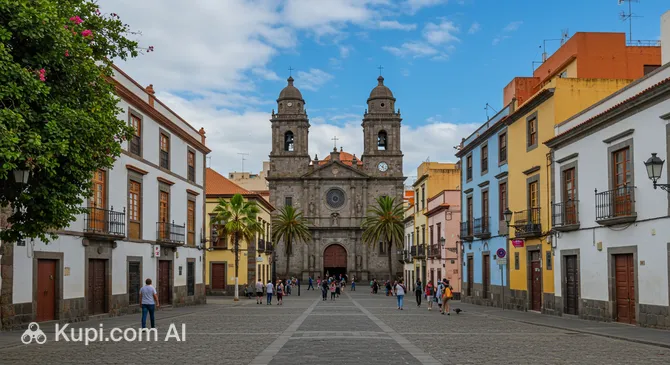
La Laguna. Illustration.
Source: Kupi.com AI

With a population of approximately 158,000 people, La Laguna is the second-largest city on Tenerife and its most important cultural center. The city is rightfully included in the UNESCO World Heritage list: architectural monuments from the 16th to 18th centuries are carefully preserved here. Old streets are adorned with colorful house facades, elegant wooden balconies, and cozy inner courtyards, creating a unique atmosphere of the past.

La Laguna is also a lively university city, where it’s easy to encounter students, artists, and musicians on the ancient cobbled streets. The city enchants with its slow pace: you can wander for hours, admiring elegant mansions and relaxing in the shade of cozy squares. The unique spirit of La Laguna is formed by a wonderful intertwining of Canarian traditions, the rich heritage of Spain, and modern student life.

Visiting La Laguna is an opportunity to immerse yourself in history and enjoy culture and nature. This city, full of charm and hospitality, will undoubtedly inspire you to make new discoveries and leave you wanting to return again.

You can find more interesting facts on the history of La Laguna page.
Weather Overview

The weather in La Laguna is characterized by a mild climate all year round. Summers are warm and dry, with average temperatures around 20-22°C, especially in July and August. Winters are mild, with average temperatures staying around 15-17°C. Precipitation in the city is low throughout the year, with a small number of rainy days, mainly in the winter months. The driest months are May, July, and August, when rainfall is virtually non-existent.

For more detailed weather information, including monthly forecasts and current conditions, you can visit the Climate of La Laguna page.

Average monthly temperature

Average monthly precipitation

Interesting Facts

Beyond its well-known attractions and charming streets, La Laguna hides many surprising stories and little-known details. Ready to see this city from an unexpected side?

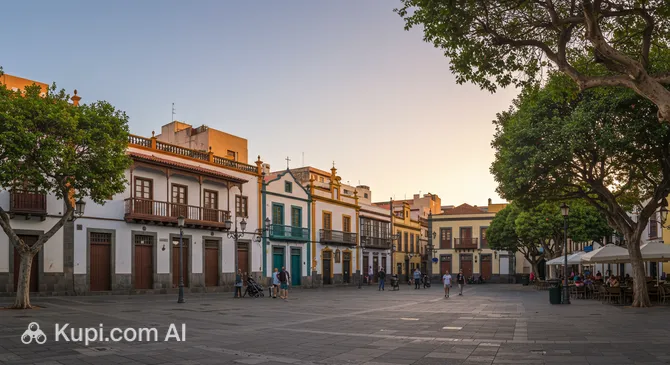
Plaza del Consejo Supremo de Canarias. Illustration.
Source: Kupi.com AI

Traveler photos:

  • La Laguna was the first city in the Canary Islands built according to a strict urban plan rather than haphazardly. Its streets radiate from the center like a compass rose, and this unique layout later became a model for many colonial cities in Latin America.

  • In the Convent of Santa Catalina de Siena lies the incorrupt body of the nun Sor María de Jesús de León y Delgado, known as "La Siervita" (The Little Servant). During her life, she was famous for miracles of healing, and after her death, her body remained incorrupt, turning her into a local legend and an object of pilgrimage.

  • La Laguna is the birthplace of Alonso Fernández de Lugo, the famous conquistador who not only founded the city but also found his final resting place here—he is buried in the Cathedral of La Laguna. Additionally, the city is home to one of the oldest universities in Spain, which gives it a special intellectual and youthful atmosphere.

  • The historical center of La Laguna, with its heart at the Plaza del Adelantado, is a real treasure trove of old mansions, many of which have their own names and hold unique legends. A walk through these streets is like a journey through time, where every facade and balcony has a centuries-old story to tell.

How to Get There

When planning a trip to the charming city of La Laguna on Tenerife, it is important to think about your route in advance. The main way to reach the island, and consequently La Laguna, is by air. The city is served by two airports on Tenerife, and arriving via neighboring islands is also an option.

The closest and most convenient option is Tenerife North Airport (IATA: TFN), also known as Los Rodeos Airport. It is located in Santa Cruz de Tenerife but is only 2.6 km from the center of La Laguna, making it extremely convenient. A taxi ride to the center of La Laguna takes about 20-25 minutes; regular bus routes are also available. This major airport serves many flights across the Canary Islands and to mainland Spain.

The island's other important international airport is Tenerife South Airport (IATA: TFS), or Reina Sofía Airport. It is also located in the Santa Cruz de Tenerife municipality but is about 55.2 km south of La Laguna. Most international flights, especially from Europe, arrive here. The trip to La Laguna by taxi takes about 1 hour 40 minutes to 2 hours; there is also a direct bus service. This very large airport is the main gateway for many tourists heading to Tenerife.

For traveling between the Canary Islands or when searching for alternative connecting flights, you can consider Gran Canaria Airport (IATA: LPA). It is located on the neighboring island of Gran Canaria, in Las Palmas, about 110 km from La Laguna (including the sea crossing or a short flight). From this very large airport, you can reach Tenerife by ferry or local flight, and then continue to La Laguna.

For convenience, here is a summary of the main airports serving the La Laguna area:

AirportPassenger trafficDistance
Tenerife North Airport6.1 mln3 km
Tenerife South Airport12.3 mln55 km
La Gomera Airport113 000102 km
Gran Canaria Airport14.0 mln110 km
La Palma Airport1.4 mln142 km

In addition to air travel, you can reach Tenerife by ferry from other Canary Islands or from mainland Spain. The island has a well-developed road network, so once you arrive at one of the ports or airports, La Laguna is easily accessible by rental car, taxi, or public transport (bus).

Main Attractions

La Laguna, the historical jewel of Tenerife and a UNESCO World Heritage site, charms visitors with its colonial architecture and cozy streets. The city offers many interesting places to explore, each holding a piece of its rich history.

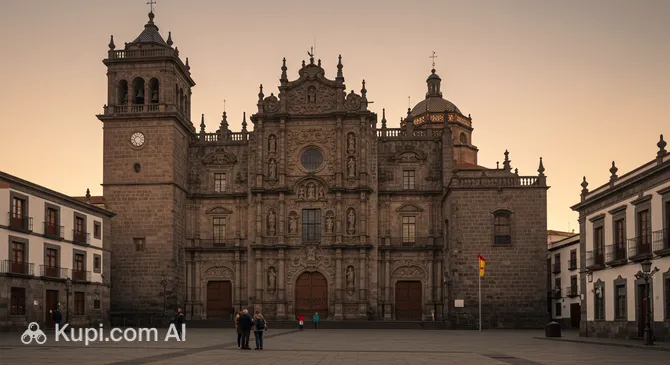
One of the city's main shrines is the Royal Sanctuary of the Christ of La Laguna. This important pilgrimage site attracts believers and tourists with its impressive architecture and the famous sculpture of Christ. The sanctuary plays a significant role in the religious and cultural life of the island, and a visit here allows you to touch the spiritual history of the Canary Islands.

Royal Sanctuary of Christ of La Laguna. Illustration.
Source: Kupi.com AI

Traveler photos:

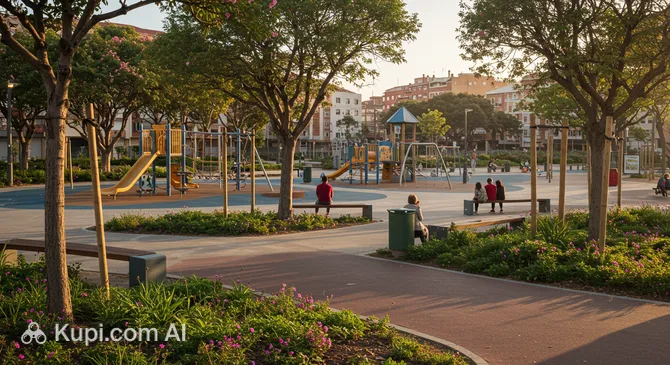
Another wonderful place for relaxation and walks is Ofra Park (José Segura Clavel). This spacious park offers residents and guests a green zone for active pastimes or quiet contemplation of nature. Here, you can enjoy the fresh air and the beauty of well-maintained landscapes, making it a popular spot for family outings and pleasant strolls.

Ofra Park (José Segura Clavell). Illustration.
Source: Kupi.com AI

Traveler photos:

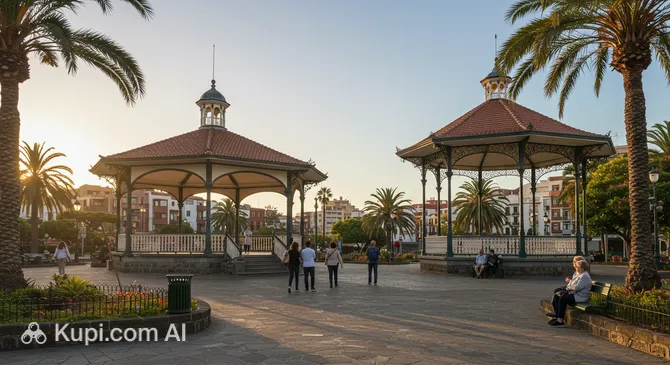
For those seeking quiet relaxation in nature within the city limits, Constitution Park offers a green haven. This well-kept park is a lovely place for walking, outdoor relaxation, or simply enjoying the silence away from the city bustle. You can see a variety of local plants and enjoy a pleasant time here.

Constitution Park. Illustration.
Source: Kupi.com AI

Traveler photos:

Beyond these attractions, walking through the ancient streets of La Laguna is a fascinating activity in itself, allowing you to discover many charming corners, traditional houses with wooden balconies, and cozy courtyards.

Local Cuisine

The cuisine of La Laguna is a wonderful blend of Canarian culinary traditions enriched with Spanish and Latin American notes. The city's gastronomic scene offers authentic flavors that will delight any gourmet and is a vivid reflection of the rich culture of the Canary Islands.

Be sure to start your acquaintance with the local cuisine with "papas arrugadas"—small potatoes boiled in their skins in very salty water until characteristic wrinkles appear on the peel. They are traditionally served with spicy mojo sauces—red (mojo rojo), which is usually spicier, and green (mojo verde) with herbs. Also, don't miss the chance to try the freshest seafood, abundant in the Atlantic waters, and fragrant local goat cheese, available in many variations.

Among drinks, local wines hold a special place, possessing a unique character thanks to Tenerife's volcanic soils. Also noteworthy is the famous Tenerife rum produced near the city, for example, in places like Valle de Guerra and Tejina. Popular non-alcoholic drinks include freshly squeezed tropical fruit juices, which are perfect for quenching thirst.

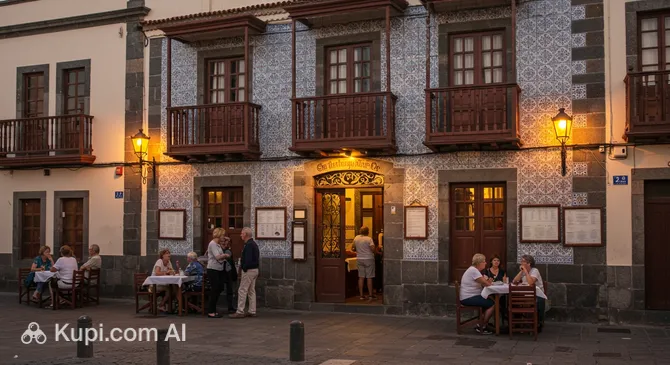
Locals and tourists in La Laguna enjoy spending time in cozy tapas bars, where you can try various small snacks, and in traditional restaurants known as "guachinches" in their more rustic versions, or in modern establishments. Many specialize in fresh fish, meat, and vegetable dishes prepared on the grill or in the oven. If you are looking for a pleasant dinner, check out establishments like the Gulagú restaurant, which offers local and international cuisine.

Gulagú. Illustration.
Source: Kupi.com AI

Traveler photos:

The farmers' markets of La Laguna are a true gastronomic paradise. Here you can find the freshest fruits, vegetables, cheeses, local sweets, as well as traditional pies and pastries. Street food is also worth your attention: try the fragrant churros with chocolate, roasted chestnuts (especially in the autumn-winter season), and homemade empanadas with various fillings.

The gastronomic life of La Laguna is rich and diverse. Throughout the year, various festivals are held here dedicated to local products such as potatoes, wine, or cheese. These celebrations are an excellent opportunity to immerse yourself in the city's atmosphere, enjoy music, and, of course, taste the very best of what this amazing corner of Spain has to offer.

Travel Tips

Welcome to La Laguna, a charming city with a rich history and a unique atmosphere! To make your journey through this UNESCO World Heritage site as comfortable and enjoyable as possible, we have prepared some practical tips.

  1. Clothing and Footwear: Be Ready for Change.

    The climate in La Laguna, which is situated at an elevation, can be changeable and slightly cooler than on the Tenerife coast. We recommend bringing layered clothing: light items for sunny days, a sweater or fleece for evenings, and a windbreaker or light jacket, especially if you are not traveling in the summer season. Don't forget comfortable shoes—the cobbled streets of the historic center are perfect for long walks. For visiting numerous churches, it is advisable to have clothing that covers shoulders and knees. Sunscreen and sunglasses will be useful even on cloudy days.

  2. Getting Around the City: On Foot and by "Guagua".

    The historic center of La Laguna is best explored on foot, enjoying its architecture and atmosphere. For longer trips around the city or to Spain and other parts of Tenerife, you can use local buses, which are called "guaguas" here. Also, a modern tram connects La Laguna with Santa Cruz de Tenerife. Taxis are available but can be more expensive. Renting a car is convenient for exploring the entire island, but keep in mind that parking in the center of La Laguna can be difficult.

  3. Financial Matters: Euros and Cards.

    The official currency in Spain is the Euro (EUR). You can exchange currency at banks or exchange offices. Credit and debit cards (Visa, Mastercard) are accepted in most shops, restaurants, and hotels. ATMs (cajeros automáticos) are widely available. Tipping is not strictly mandatory but is appreciated for good service in restaurants (usually 5-10% of the bill) and cafes (you can leave small change).

  4. Health and Safety: Calm and Prudence.

    La Laguna is a fairly safe city. Nevertheless, take usual precautions: keep an eye on your belongings in crowded places to avoid pickpockets. Pharmacies (farmacias) are easy to find by the green cross; some of them are open 24 hours (farmacia de guardia). EU citizens are recommended to carry a European Health Insurance Card (EHIC), while other tourists should take out travel insurance.

  5. Language and Communication: "Hola" and a Smile.

    The official language is Spanish (with features of the Canarian dialect). In tourist areas, hotels, and some restaurants, staff often speak English. Learning a few simple phrases in Spanish, such as "Hola" (Hello), "Adiós" (Goodbye), "Por favor" (Please), "Gracias" (Thank you), and "¿Habla inglés?" (Do you speak English?), will help you win over the locals. Wi-Fi is available in many cafes, hotels, and public places. For a long stay, you might consider buying a local SIM card.

  6. Local Flavor and Etiquette: Enjoy the Slow Pace.

    Inhabitants of the Canary Islands are known for their friendliness and hospitality. A simple "Hola" when entering a shop or cafe will be appreciated. Life here flows more slowly than in major metropolises—don't be surprised if service seems unhurried. It's part of the local charm! Respect historical monuments and traditions.

  7. Important to Remember: "Panza de burro" and Respect for Traditions.

    In La Laguna, you can sometimes observe a unique weather phenomenon called "panza de burro" (donkey's belly)—low cloud cover that brings coolness. Be prepared for such weather changes. Also, try not to compare the Canary Islands with mainland Spain in a derogatory way, as locals are very proud of their culture and identity. Avoid unnecessary haste, especially during the siesta when many establishments may be closed.

We hope these tips help you better prepare for your trip and fully enjoy your stay in beautiful La Laguna. We wish you unforgettable experiences!

Entertainment & Nightlife

La Laguna, the historic university city of Tenerife, comes alive after dark, offering a variety of entertainment for nightlife lovers. Thanks to the large student population, the atmosphere here is always young, energetic, and welcoming. The main concentration of bars, clubs, and late-night restaurants is in the historic city center, particularly in the area known as "El Cuadrilátero" (the block formed by Heraclio Sánchez, Antonio Zerolo, Elías Serra Ràfols, and Doctor Zamenhof streets), as well as the adjacent lanes.

The evening usually starts late, around 10:00 PM or 11:00 PM, with visits to tapas bars or cozy wine cellars where you can enjoy local snacks and drinks. Gradually, the crowd moves to more lively venues. Here, you will find places for every taste: from traditional Spanish bars with live music to modern cocktail bars and nightclubs where DJs play until dawn. The atmosphere in most places is quite relaxed, and the dress code is usually casual or smart-casual, although some clubs may have stricter requirements. Popular spots include La Abadía Gastrobar & Lounge, known for its atmosphere and drink selection, or El Remojo Tavern for a more authentic experience. If you are looking for a place for a late-night dinner, the Gulagú restaurant offers interesting dishes.

La Abadía Gastrobar & Lounge. Illustration.
Source: Kupi.com AI

Traveler photos:

Practical Tips: The best time to visit bars is after 10:00 PM, while clubs start to fill up closer to midnight or 1:00 AM and stay open until 4:00–6:00 AM. Average drink prices are quite affordable, especially compared to major tourist resorts. You can reach the center at night by taxi; it’s also worth checking the schedules for night bus routes if available. La Laguna is considered a relatively safe city, but as always, basic precautions should be taken, especially in busy nightlife areas. You can call a taxi by phone or through specialized apps.

During the day, La Laguna also offers many interesting activities. You can visit historical landmarks such as the Royal Sanctuary of the Christ of La Laguna, stroll through picturesque squares like the Plaza del Adelantado, or relax in one of the city parks, such as Constitution Park or Ofra Park (José Segura Clavel). The city also has theaters and museums that can be a great addition to your cultural program.

Parks & Museums

La Laguna, a charming city on Tenerife and a UNESCO World Heritage site, offers its guests not only unique colonial architecture but also pleasant green corners for relaxation and interesting museums that immerse you in the rich history and culture of the Canary Islands.

Among the city's green oases, Constitution Park particularly stands out. It is a wonderful place for leisurely strolls, relaxing on a bench in the shade of ancient trees, or simply enjoying the peaceful atmosphere of the historical center. The park is well-maintained and is a favorite spot for both locals and tourists seeking tranquility.

Another significant green zone is Ofra Park (José Segura Clavel). This more modern park offers more space for active recreation, featuring playgrounds and sports areas. It is ideal for families with children and those who prefer active pastimes in the fresh air.

One cannot fail to mention the Plaza del Adelantado. While it is primarily a historical square, it is surrounded by greenery and serves as an important public space where it is pleasant to spend time admiring the surrounding old buildings and the fountain.

As a historical and cultural center, La Laguna certainly has museums that preserve its centuries-old history and artistic heritage. Although the provided list of attractions does not include specific museums with direct links, tourists should look out for institutions dedicated to the history of the Canary Islands, archaeology (for example, exhibits related to the Guanches, the indigenous inhabitants of the islands), and religious art, collections of which can often be found in major churches like the Cathedral. The city also boasts art galleries exhibiting works by local artists. For up-to-date information on exhibitions and museum opening hours, it is recommended to visit local tourist information centers.

Beyond the parks and potential museum visits, La Laguna itself is an open-air museum. Its historic center, listed as a UNESCO World Heritage site, is full of architectural masterpieces. Of particular note is the Royal Sanctuary of the Christ of La Laguna, an important pilgrimage site and an outstanding example of religious architecture with a rich history. A walk through ancient streets like Calle Obispo Rey Redondo or Calle San Agustín will reveal many churches, former convents, and colorful mansions with characteristic carved wooden balconies.

To truly feel the spirit of La Laguna, turn off the main tourist routes and explore the quiet backstreets and squares. Here you will find charming inner courtyards (patios) hidden from prying eyes, traditional taverns where you can taste Canarian dishes, and small craft workshops offering unique souvenirs.

Getting Around

Public transport in La Laguna is well-developed and offers convenient ways to move around the city and travel to other parts of the island. The transport system is based on buses and a modern tram that links La Laguna with Santa Cruz de Tenerife.

Buses, known here as "guaguas" (operated by the TITSA company), are the most common form of transport. They cover an extensive network of routes, connecting the city center with its outskirts as well as other towns on the island. Buses run regularly, but schedules can vary depending on the day of the week and the time of day.

The Tram (Tranvía de Tenerife) is a modern and comfortable way to reach, in particular, the island's capital, Santa Cruz. Tram Line 1 passes through key areas of La Laguna, including the university campus and the historic center, and is a popular choice for both locals and tourists. The cars are equipped with air conditioning and information displays.

The fare payment system is quite flexible. The most cost-effective option is using the rechargeable Ten+ transport card (tarjeta TenMás). This card can be purchased and topped up at machines at tram stops, in tobacco shops (estancos), and at some other sales points. The Ten+ card can be used to pay for trips on both buses and trams, and the cost per trip will be significantly lower than buying a single ticket from a bus driver or a machine at a tram stop. Single tickets are also available but are more expensive.

When entering a bus or tram, you must validate your Ten+ card or single ticket. On tram lines, validators are located on the platforms, and the ticket must be stamped before boarding the car. In buses, validators are located at the entrance next to the driver. Public transport usually operates from early morning until late evening, with some routes having night services, especially on weekends. Current schedules can always be checked on the TITSA and Metropolitano de Tenerife (tram) websites or in their mobile apps.

In addition to public transport, other ways of getting around are available in La Laguna. Taxis can be found at designated stands or called by phone; this is a more expensive but convenient "door-to-door" option. Renting a car is also popular, especially if you plan to actively explore the island. There are bicycle rentals in the city, which can be a pleasant way to see the historic center, which is largely pedestrianized.

Accommodation

In the city of La Laguna, you will find a variety of accommodation options to suit the needs and budget of any traveler. There are cozy guesthouses and apartments for self-catering, as well as hotels of various comfort levels, ranging from budget to more refined options.

The most popular area for tourists to stay is the historic city center. By staying here, you will be within walking distance of main attractions, such as the Royal Sanctuary of the Christ of La Laguna, as well as numerous cozy cafes and restaurants. This area is also convenient in terms of transport links, making it easy to explore the surrounding areas.

While specific famous hotels are not listed in the provided data, La Laguna offers a wide selection of accommodations. You can find small family-run hotels as well as larger hotel complexes. To find the right option, it is recommended to use popular online booking platforms or consider booking directly through hotel websites.

The price range for accommodation in La Laguna varies: you can find both budget options and mid-range or higher-class offers. To ensure the best selection and prices, especially during the peak tourist season, it is recommended to book your accommodation in advance. This will not only save you money but also allow you to choose the option that best fits your preferences.

Nearby Cities

For those who want to explore the surrounding area, La Laguna serves as an excellent starting point for day trips to several interesting nearby locations:

CityPopulationDistance
Tegueste11 3594 km
Santa Cruz de Tenerife208 6887 km
El Sauzal9 00512 km
La Matanza de Acentejo9 11415 km
Candelaria28 48516 km

Santa Cruz de Tenerife, the island's capital, is just a few kilometers away and offers a vibrant urban atmosphere with shops, museums like the Museum of Nature and Archaeology, and impressive architecture, including the Auditorio de Tenerife. It is a great place for those who want to combine cultural leisure with shopping and waterfront strolls.

La Orotava attracts visitors with its historic center featuring beautifully preserved Canarian architecture, famous carved wooden balconies, and picturesque gardens like the Victoria Gardens. This city is perfect for history buffs and those who enjoy quiet walks through charming streets.

Adeje, located on the south coast, is famous for its resorts, beaches, and various opportunities for active recreation, including water parks and golf courses. If you are looking for sun, sea, and entertainment, a trip to Adeje will be a great addition to your visit to La Laguna.

These nearby destinations provide a glimpse into the diverse culture and landscapes of the region.

Shopping & Souvenirs

Shopping in La Laguna is a pleasant addition to sightseeing in this charming UNESCO World Heritage city. Here, you won't find massive modern malls like in some other cities, but you can enjoy the atmosphere of traditional shops, small boutiques, and stores offering both local goods and products from well-known brands. The city is famous for its handicrafts, gastronomic delicacies, and a cozy atmosphere for leisurely shopping.

The main shopping arteries of La Laguna are the pedestrian streets in the historical center. Look out for Calle Herradores and Calle Obispo Rey Redondo—many shops for clothing, shoes, jewelry, perfumes, and souvenirs are concentrated here. Walking along these streets is a pleasure in itself thanks to the beautiful Canarian architecture.

Large shopping centers in the classic sense are not a feature of La Laguna's historic center. Shopping here is more focused on individual stores and boutiques located along the streets. If you need a wider selection of goods under one roof, you might consider a trip to nearby Santa Cruz de Tenerife.

Be sure to visit the Municipal Market of La Laguna (Mercado Municipal de La Laguna), also known as Mercado de Abastos. This colorful place is where you can buy fresh fruits, vegetables, local cheeses, sausages, honey, wines, and, of course, the famous Canarian mojo sauces. You can also find flowers and some handicrafts here. The market is a great place to feel the auténtico (authentic) spirit of the city and purchase delicious souvenirs.

As souvenirs from La Laguna and Tenerife in general, it is worth bringing back:

  • Local delicacies: palm honey, gofio, Tenerife wines (especially Malvasia), goat cheese, mojo sauces (mojo rojo and mojo verde).
  • Handicrafts: ceramics, leather goods, traditional Canarian embroidery (calados), items made from lava.
  • Aloe vera cosmetics: Tenerife is famous for producing high-quality products from this plant.
  • Cigars: The Canary Islands have a long tradition of cigar production.

Shops in La Laguna usually operate from Monday to Saturday. Typical opening hours are from 10:00 AM to 1:30 PM or 2:00 PM and then after the siesta from 4:30 PM or 5:00 PM to 8:00 PM or 8:30 PM. Some large stores and those geared toward tourists may work through the lunch break. On Sunday, most shops are closed, with the exception of souvenir shops in the most touristy areas and some grocery stores. Cash (Euros) and bank cards (Visa and Mastercard are most common) are accepted for payment.

Tourists from non-EU countries can take advantage of the Tax Free system when making purchases over a certain amount in participating stores. To do this, you need to ask the seller for a special Tax Free form and present it along with your purchases at customs before flying out of the EU to receive a tax refund (the Canary Islands use a special indirect tax called IGIC instead of VAT, but the refund system is similar).

Reached the end of the page?

That means the route is fully explored