Support

Adeje

About

Adeje is a true gem of the southwestern coast of Tenerife, one of the most famous Canary Islands belonging to Spain. The town is picturesquely situated between the majestic foothills of Mount Teide and the sparkling waters of the Atlantic Ocean, creating a stunning contrast between mountain landscapes and sea vistas. Its location at an altitude of about 295 meters above sea level grants Adeje breathtaking views and a wonderful sense of space.

With a population of around 49,000 people, Adeje is a dynamically developing municipality and one of Tenerife's most popular resort hubs. Here, modern hotels, luxury residential complexes, superb golf courses, and a well-developed infrastructure for active recreation coexist in perfect harmony. Its convenient location just 24 kilometers from the island's South Airport (Reina Sofia) makes Adeje easily accessible for tourists.

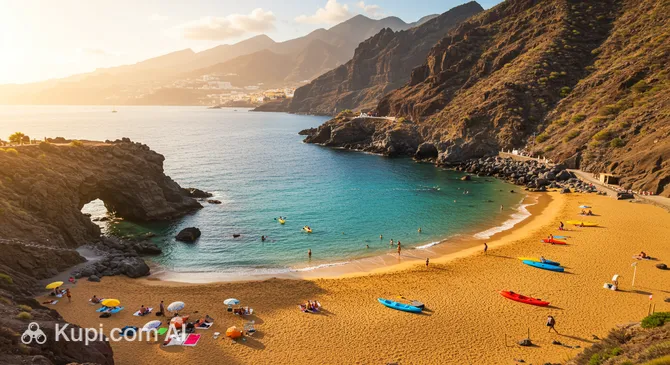
Adeje. Illustration.
Source: Kupi.com AI

The atmosphere of Adeje is a unique blend of relaxed resort comfort, elements of luxury, and traditional Canarian hospitality. The town offers something for every taste: from serene family beaches like Playa del Duque to the chance to enjoy the vibrant nightlife in nearby Playa de las Américas. Nature lovers will appreciate hiking through the famous Barranco del Infierno (Hell's Ravine) or taking exciting boat trips to watch whales and dolphins in their natural habitat.

If you are looking for a place to enjoy the sun, magnificent nature, exquisite gastronomy, and a wealth of bright impressions all year round, Adeje will be the perfect choice for you. This charming corner of Tenerife is waiting for you!

You can find more interesting facts on the Adeje city history page.
Weather Overview

The weather in Adeje features a mild and pleasant climate all year round. Summers are warm and sunny, with average temperatures ranging from 19°C in June to 22.5°C in August, with virtually no precipitation—the rainfall is zero from April to August. The winter months are also comfortable, with average temperatures staying around 14.4°C - 15.5°C, minimal rainfall usually not exceeding 1 mm per month, and few rainy days. Expect a very warm and dry summer and a mild winter with rare, insignificant precipitation. You can find more detailed information on the Climate in Adeje page.

Average monthly temperature

Average monthly precipitation

Interesting Facts

Beyond its world-famous beaches and luxury hotels, Adeje hides many surprising stories and unique traits. This charming corner of Spain in Tenerife holds secrets that make it more than just a resort, but a place with a rich past and a vibrant present. Here are just a few interesting facts:

La Caleta Beach. Illustration.
Source: Kupi.com AI

Traveler photos:

  • Ancient Guanche Heritage: The history of Adeje dates back to the pre-Hispanic era when these lands were inhabited by the Guanches—the indigenous people of the Canary Islands. According to legend, the residences of their chieftains were located here, and important rituals were performed, traces of which can still be felt while walking through the city's historical corners.

  • The Mysterious "Hell's Ravine": One of the most impressive natural attractions is the Barranco del Infierno (Hell's Ravine). This nature reserve, located near the town, is striking with its sheer cliffs, endemic vegetation, and Tenerife's only year-round waterfall. A visit requires advance booking due to limited access aimed at preserving the unique ecosystem.

  • A Haven for Luxury and Celebrities: Adeje is synonymous with elite holidays. The town is known for its high-end resorts and magnificent beaches. Among them, La Caleta Beach, located in the charming fishing district of La Caleta, stands out. These spots attract those who appreciate tranquility and exquisite cuisine, and they are often chosen by celebrities for their getaways.

  • A Kaleidoscope of Cultural Events: In addition to beach relaxation, Adeje offers a rich cultural program. Throughout the year, numerous festivals, traditional Canarian fiestas, and concerts take place here, allowing you to immerse yourself in the authentic atmosphere of the island and get to know the local music, dances, and crafts.

How to Get There

The most convenient way to reach Adeje, a popular resort in southwest Tenerife, is by air, although the island is also connected by ferry to mainland Spain and other Canary Islands. Tenerife itself has two international airports serving flights from many European countries and other regions. While there is no airport in Adeje itself, the nearest air hubs are within a comfortable transfer distance.

The main and most convenient option for most tourists is Tenerife South Airport (also known as Queen Sofia Airport), (TFS). This large international airport is formally associated with the city of Santa Cruz de Tenerife but is actually located much further south, only about 18 km from the center of Adeje. A trip by taxi or rental car to the Adeje resort area from this airport will take about 20-25 minutes. Bus routes (local "guaguas") are also available; they may take a bit longer but are a more economical option.

The island's second airport is Tenerife North Airport (formerly Los Rodeos), (TFN). It is also administratively assigned to the city of Santa Cruz de Tenerife (located near the town of San Cristóbal de La Laguna) and is situated about 55.5 km from Adeje. The journey from here to Adeje takes approximately 1 hour to 1 hour 15 minutes by car. This airport is more frequently used for inter-island flights and some flights from mainland Spain, but it also handles international arrivals.

Although neighboring Canary Islands such as La Gomera, La Palma, and El Hierro also have airports (for example, La Gomera Airport or La Palma Airport), they are less convenient for reaching Adeje directly, as they require an additional flight or ferry crossing to Tenerife. Upon arrival at one of Tenerife's airports, Adeje can be easily reached by taxi, scheduled bus, or rental car.

For your convenience, here is a summary of the main airports from which you can reach Adeje:

AirportPassenger trafficDistance
Tenerife South Airport12.3 mln18 km
La Gomera Airport113 00048 km
Tenerife North Airport6.1 mln55 km
La Palma Airport1.4 mln115 km
Hierro Airport322 110118 km

Main Attractions

Adeje, located on the sunny southwestern coast of Tenerife, attracts tourists not only with its magnificent beaches but also with its diverse attractions. This resort town offers many options for an interesting and fulfilling holiday, from quiet natural spots to lively tourist areas.

One of the main points of interest is La Caleta — a charming former fishing village that has retained its authentic charm. Here you can stroll along the promenade, enjoy fresh seafood in one of the many restaurants overlooking the ocean, and simply soak up the relaxed atmosphere. La Caleta is also a starting point for boat trips.

La Caleta. Illustration.
Source: Kupi.com AI

Traveler photos:

Nearby La Caleta is the famous La Caleta Beach. This is a small but very cozy beach with dark volcanic sand and calm waters, ideal for those seeking privacy and relaxation. The clarity of the water and the picturesque surroundings make it a popular spot for those who appreciate a quiet getaway.

La Caleta Beach. Illustration.
Source: Kupi.com AI

Traveler photos:

For nature lovers and those seeking unique experiences, a visit to Turtle Bay is a must. This place is famous for being a spot where you can encounter sea turtles in their natural habitat. Snorkeling or diving in this bay will provide unforgettable emotions and the opportunity to observe these amazing creatures.

Turtle Bay. Illustration.
Source: Kupi.com AI

Traveler photos:

Another beach worth mentioning is Las Galgas Beach. It stands out for its natural beauty, framed by cliffs, and offers a more secluded atmosphere compared to the larger beaches of Costa Adeje. This beach is perfect for those who want to enjoy the silence and beauty of Canarian nature.

Las Galgas Beach. Illustration.
Source: Kupi.com AI

Traveler photos:

For those who cannot imagine a holiday without shopping, the El Mirador Shopping Center offers a wide selection of shops, boutiques, and restaurants. Its Canarian-style architecture and pleasant atmosphere make it more than just a place for shopping; it is a full-fledged attraction where you can enjoy your time.

Local Cuisine

The cuisine of Adeje is a true kaleidoscope of flavors, where centuries-old traditions of the Canary Islands harmoniously intertwine with modern gastronomic trends. The local menu is based on the freshest gifts of the ocean: be sure to try the octopus, squid, local vieja fish, or tuna, which are masterfully prepared here and served with piquant mojo sauces—red (mojo rojo) and green (mojo verde). And, of course, no introduction to Canarian cuisine would be complete without papas arrugadas—the famous "wrinkly" potatoes boiled in their skins with plenty of sea salt, which perfectly complement the flavors of the sauces.

A special place in Adeje's gastronomy is occupied by aromatic goat cheese produced on small farms in the town's vicinity. It can be tasted as a standalone dish or as part of various salads and hot appetizers. Among beverages, it is certainly worth trying the local wines, which possess a unique volcanic character, as well as cane rum, which often serves as a base for refreshing cocktails or is added to exquisite desserts.

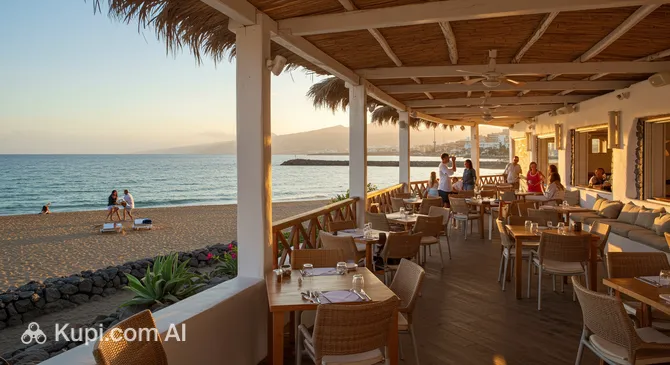
The dining culture in Adeje is very diverse. Locals and tourists alike enjoy spending time in lively tapas bars and cozy fish taverns where a relaxed atmosphere of friendly conversation prevails. Visit the local farmers' markets—a true paradise for foodies where you can find the freshest seasonal fruits, vegetables, aromatic spices, and homemade sweets like honey cakes and almond cookies. Many establishments, such as Corales Beach Restaurant, offer the chance to enjoy local dishes with a beautiful view.

Corales Beach Restaurant. Illustration.
Source: Kupi.com AI

Traveler photos:

Throughout the year, Adeje hosts colorful gastronomic festivals dedicated to seafood, wine, and traditional dishes. This is a wonderful opportunity not only to sample culinary masterpieces from the island's best chefs but also to fully immerse yourself in the authentic Canarian festive atmosphere. The city's gastronomic scene attracts tourists with its variety, fresh ingredients, and the ability to combine simplicity with sophistication, offering an unforgettable experience with every dish.

Travel Tips

Welcome to sunny Adeje! To ensure your journey to this beautiful corner of Spain is as comfortable and memorable as possible, we have prepared some practical tips.

  1. Clothing and Essentials:

    The climate in Adeje is mild all year round. Bring light clothing: shorts, t-shirts, sundresses, and, of course, swimwear. For evening strolls or during the winter months (December-February), a light jacket or sweater may come in handy. Be sure to bring sunscreen, a hat, and sunglasses. Comfortable footwear (sandals, sneakers) is indispensable for walking around town and excursions. For electrical appliances, you will need an adapter (Type F sockets are used in Spain). When visiting churches, if any are on your itinerary, it is customary to cover your shoulders and knees.

  2. Transport: How to Get Around:

    It is convenient to get around Adeje and the surrounding areas using the local buses (guaguas) operated by TITSA—they have an extensive route network. Taxis are available but will cost more. Taxi apps may have limited coverage; local taxi services are more common. If you plan to actively explore Tenerife, renting a car is an excellent option that provides freedom of movement. The roads on the island are of good quality.

  3. Finance: Currency, Cards, and Tipping:

    The local currency is the Euro (EUR). You can exchange money at banks or exchange offices (casas de cambio); the rate at the airport or hotels may be less favorable. Credit and debit cards (Visa, Mastercard) are accepted almost everywhere. Check with your bank regarding the terms of using your cards abroad. ATMs (cajeros automáticos) are easy to find. An approximate daily budget per person (excluding accommodation) can be 30-70 euros. Tipping in restaurants is not mandatory but appreciated (usually 5-10% of the bill for good service).

  4. Health and Safety:

    Pharmacies (farmacias) are easily identified by a green cross; some of them are open 24/7 (farmacia de guardia). Travel insurance is highly recommended. Adeje is generally a safe resort. However, as elsewhere, watch out for pickpockets in crowded places and on beaches, and do not leave valuables unattended. At night, avoid poorly lit and deserted streets.

  5. Communication: Language and Internet:

    The official language is Spanish. In tourist areas, hotels, and restaurants, staff often speak English. Learn a few simple phrases in Spanish: "Hola" (Hello), "Adiós" (Goodbye), "Por favor" (Please), "Gracias" (Thank you), "¿Cuánto cuesta?" (How much does it cost?). A local SIM card can be purchased from providers like Movistar, Vodafone, or Orange. Wi-Fi is available in most hotels, cafes, and restaurants.

  6. Local Etiquette and Interaction:

    Spaniards, and Canarians in particular, are very sociable and friendly. A greeting like "Hola" is quite sufficient. Politeness is valued in interaction. Don't be surprised if service in some places seems slow—it's part of the local "mañana" (tomorrow, unhurried) culture.

  7. What to Avoid:

    Try not to leave trash on beaches and in natural areas—the local environment is treated with great care here. Also, avoid comparing the Canary Islands to mainland Spain in a negative light, as locals are proud of their unique culture and identity.

  8. Extra Tip:

    Although tap water on Tenerife is considered safe to drink after boiling, most tourists and locals prefer bottled water due to its specific taste. Also, keep in mind that many small shops, especially outside main tourist zones, may be closed for siesta (roughly from 14:00 to 17:00).

We hope these tips help you better prepare for your trip and enjoy every moment of your holiday in beautiful Adeje!

Entertainment & Nightlife

Adeje, located on the sunny coast of Tenerife, offers a variety of options for evening and night-time leisure. As the sun sets, the resort comes alive, and its promenades and central streets are filled with a festive atmosphere. The main concentration of nightlife is found in coastal areas such as Playa de las Américas (while technically a neighboring resort, its influence and proximity often extend to Adeje's nightlife, especially on the border) and Costa Adeje, where numerous bars, clubs, and restaurants with evening programs are concentrated.

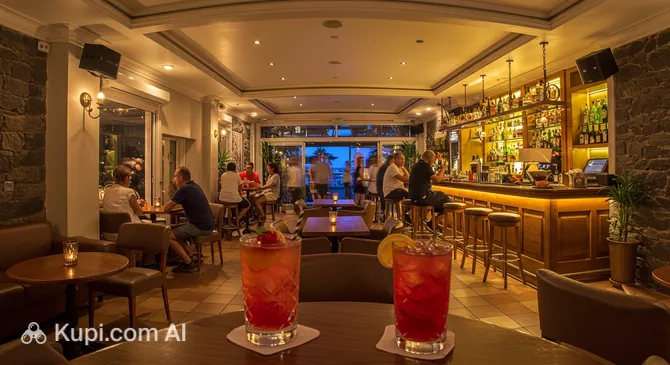
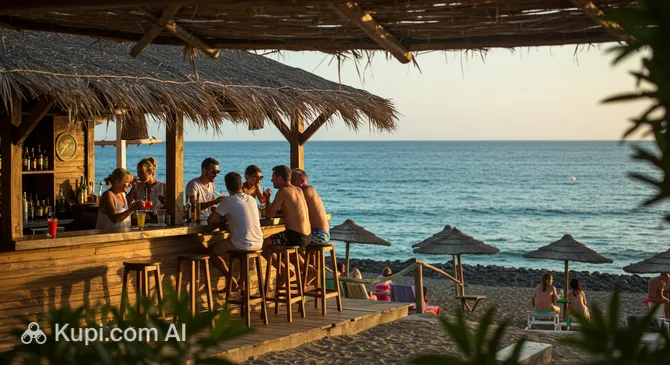
The atmosphere in Adeje's venues ranges from relaxed and beachy to more vibrant and club-like. The crowd here is international, and the dress code in most places is quite casual, especially in beach bars. Many venues start to fill up closer to midnight, and clubs stay open until the early morning. A popular place to start the evening is the cozy Bloom Bar & Brunch, known for its cocktails and pleasant vibe. Another great option is Coqueluche Beach Bar, where you can enjoy drinks right by the ocean while watching the sunset.

Bloom Bar & Brunch. Illustration.
Source: Kupi.com AI

Traveler photos:

For those looking for a more active nightlife, it is worth checking out the areas bordering Playa de las Américas, which host large discos and clubs with various musical styles. Drink prices can vary but generally stay at the average European level. You can reach popular night spots by taxi or on foot if you are staying nearby. At night, it is recommended to use official taxis or trusted apps.

In terms of safety, the tourist zones of Adeje are considered quite peaceful; however, you should always follow standard precautions: keep an eye on your belongings and avoid poorly lit or deserted areas. You can call a taxi by phone, via an app, or find one at designated taxi ranks.

Coqueluche Beach Bar. Illustration.
Source: Kupi.com AI

Traveler photos:

During the day, Adeje also offers plenty of entertainment. While there are no major theaters or traditional museums in the classic sense, you can visit interesting theme parks such as Siam Park (one of the world's best water parks, located on the border with Adeje) or Aqualand. For shopping enthusiasts, shopping centers like the Rosa Center or El Mirador Shopping Center are open. To relax and enjoy nature, you can visit one of the many beaches, such as La Caleta Beach, or explore picturesque spots like La Caleta or Turtle Bay.

Parks & Museums

Adeje is not only a popular destination for beach holidays but also a town offering charming corners of nature and opportunities to get acquainted with local culture. While it may not have large museum complexes like capital cities, its natural parks, picturesque beaches, and historical zones create a unique atmosphere for curious travelers.

Among the natural treasures of Adeje, its magnificent beaches and coastal zones stand out. One of the gems is La Caleta Beach, known for its tranquility, clear water, and scenic views, making it an ideal spot for a relaxed getaway. Nearby is Turtle Bay—a unique natural site that attracts nature lovers with the opportunity to observe sea turtles in their natural habitat. Also worth noting is Las Galgas Beach, offering another beautiful option for enjoying the sun and the Atlantic Ocean.

La Caleta Beach. Illustration.
Source: Kupi.com AI

Traveler photos:

Turtle Bay. Illustration.
Source: Kupi.com AI

Traveler photos:

Las Galgas Beach. Illustration.
Source: Kupi.com AI

Traveler photos:

While Adeje is more famous for its natural beauty, cultural immersion is also possible here. Instead of traditional museums, the town offers a chance to explore its historical roots through authentic locations. We highly recommend visiting the colorful fishing village of La Caleta. This place has preserved its traditional charm; here you can feel the slow pace of life of Canarian fishermen and enjoy fresh seafood in local restaurants. A stroll through the historical center of Adeje itself is also a pleasure: here you can see the old Church of Saint Ursula (Iglesia de Santa Úrsula), an important religious and architectural monument, and the ruins of Casa Fuerte, an old manor house testifying to the region's rich historical past.

La Caleta. Illustration.
Source: Kupi.com AI

Traveler photos:

For a deeper and more authentic experience of Adeje, we suggest stepping off the beaten tourist paths. Explore less-known, secluded beaches or take a walk along one of the many mountain trails in the area to enjoy breathtaking panoramic views of the coast and Mount Teide. Stop by small family restaurants in the old part of town or in the village of La Caleta to try real Canarian cuisine and experience local hospitality.

Getting Around

Public transport in Adeje consists mainly of buses, which are called "guaguas" here. This is the most common and convenient way to get around the town and its surroundings, as well as for trips to other parts of Tenerife. The bus network is operated by the company TITSA, and their bright green buses are easy to recognize.

To pay for your fare, you can purchase a ticket directly from the driver when boarding the bus; the cost of a single trip when paying in cash is usually around €1.50 - €2.50 depending on the route within the city and nearby areas. However, for more economical travel, it is recommended to use the rechargeable transport card "ten+" (similar to the former Bono Bus card). With this card, the cost of a trip becomes significantly cheaper, approximately €1.00 - €1.80 depending on the tariff and distance. The "ten+" card can be purchased and topped up at machines, at bus stations, or at some tobacco and newsstands. Payment is also possible via the ten+ móvil mobile app.

Tickets bought from the driver do not require additional validation. When using the "ten+" card, you must tap it against a special reader when entering the bus, and on some routes (intercity), also when exiting, so the system can correctly calculate the fare. Buses usually run from early morning until late evening, but schedules can vary depending on the route and day of the week. It is recommended to check the current schedule on the TITSA website or at bus stops.

In addition to buses, taxis are widely available in Adeje. They can be found at designated ranks or called by phone. This is a more expensive but more comfortable way to travel, especially for short trips or when carrying luggage. The approximate cost of a short taxi ride (e.g., 2-3 km) within the Adeje resort area can be €5-€15, but it is always best to confirm the fare before starting or keep an eye on the meter. Car rentals are also popular, providing the freedom to move around the entire island. In resort areas, you can also find rental points for bicycles and electric scooters, which are great for leisurely strolls along the coast.

Accommodation

Adeje offers tourists a wide range of accommodation options to suit any budget and preference. Here you can find everything from luxury resort complexes and high-end hotels to more affordable apartments, guesthouses, and villas for rent. Many travelers prefer to stay in the Costa Adeje area, known for its beaches, developed infrastructure, and proximity to major entertainment.

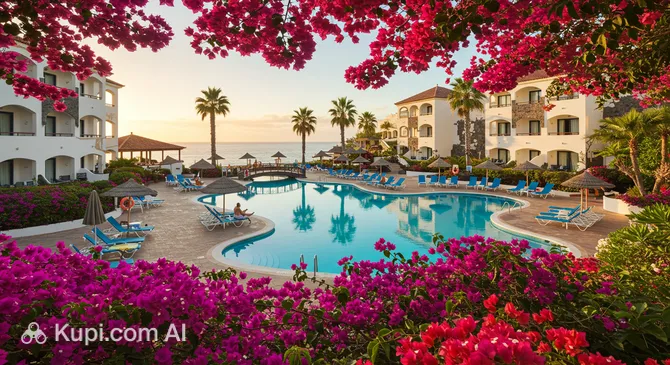
Popular accommodation choices include resort hotels offering a full range of services for a comfortable holiday. For example, you might consider options such as Sunlight Costa Adeje Resort or the Atlantic Sunset Horizons Collection, known for their hospitality and convenient locations.

Costa Adeje Sunlight Resort. Illustration.
Source: Kupi.com AI

Traveler photos:

The price range varies from budget-friendly offers to luxury options. To guarantee the best selection and prices, especially during the peak tourist season (usually the summer months and Christmas holidays), it is recommended to book your accommodation in advance. The most common booking methods are popular online platforms and direct inquiries to hotels or apartment owners.

Nearby Cities

For those who wish to explore the surrounding area, Adeje serves as an excellent starting point for day trips to several interesting nearby locations:

CityPopulationDistance
Arona82 9826 km
Guía de Isora21 82711 km
Granadilla de Abona52 44715 km
Santiago del Teide11 16221 km
Arico el Nuevo8 75426 km

Among the closest cities worth your attention, several stand out. The island's capital, Santa Cruz de Tenerife, attracts with its vibrant architecture, including the famous Auditorio de Tenerife, and a lively metropolitan atmosphere with many shops and restaurants. Nearby is the city of San Cristóbal de La Laguna, the former capital of Tenerife, whose historic center is a UNESCO World Heritage site and enchants visitors with its colonial architecture and cozy streets. Just a few kilometers from Adeje lies Arona, a popular resort hub known for its magnificent beaches, such as Playa de las Vistas, and its well-developed tourist infrastructure.

These nearby destinations provide a glimpse into the diverse culture and landscapes of this region of Spain.

Shopping & Souvenirs

Adeje offers diverse shopping opportunities, combining modern shopping malls with small souvenir shops and local markets. While the town is not famous for any exclusive goods, you can find high-quality clothing from well-known brands, beach gear, aloe vera-based cosmetics, and typical Canarian souvenirs here.

Main shopping activity is concentrated along the promenades and main streets of the Costa Adeje resort areas. Here you will find many shops for clothing, footwear, accessories, perfumes, and jewelry. A walk along these lively streets is a pleasure in itself, allowing you to combine shopping with enjoying sea views.

For a more concentrated shopping experience, visit the shopping centers. One popular spot is the Rosa Center, which offers a good selection of clothing and electronics stores, as well as a supermarket. Another noteworthy complex is the El Mirador Shopping Center, known for its stylish design and premium boutiques, along with restaurants offering great views.

Rosa Center. Illustration.
Source: Kupi.com AI

Traveler photos:

In Adeje and its surroundings, markets operate periodically where you can purchase fresh local produce, handmade crafts, souvenirs, and antiques. One of the most famous is the Adeje Market (Mercadillo de Adeje), which usually takes place twice a week. Here you can find clothing, accessories, leather goods, and various trinkets. The atmosphere at such markets is usually very lively, making it a great place to feel the local flavor and bargain.

As souvenirs from Adeje, tourists often bring back items made of olivine volcanic stone, aloe vera cosmetics, local mojo sauces, palm honey, Canarian cigars, and, of course, various magnets, postcards, and t-shirts with Tenerife symbols. Handmade ceramics and lace are also popular.

Shops in Adeje are usually open from 10:00 to 20:00 or 22:00, especially in tourist zones. Some small shops may close for siesta in the middle of the day (roughly from 14:00 to 17:00), but large shopping centers and stores in popular areas generally work without a break. Both cash euros and bank cards (Visa and Mastercard are most common) are accepted for payment. In small shops and markets, it is preferable to have cash on hand.

Tourists from countries outside the European Union can take advantage of the Tax Free system when making purchases over a certain amount in participating stores. To do this, you must ask the seller for a special Tax Free check and present it along with your purchases and passport at customs before flying out of Spain to receive a VAT refund.

Reached the end of the page?

That means the route is fully explored