Support

Dambulla

Attractions

About

Dambulla is a vibrant city considered the heart of the Central Province of Sri Lanka. Here, ancient history blends harmoniously with the rhythm of modern life. Located approximately 150 kilometers from Colombo and just 72 kilometers from Kandy, Dambulla serves as a vital transport hub connecting the capital with the eastern regions of the island.
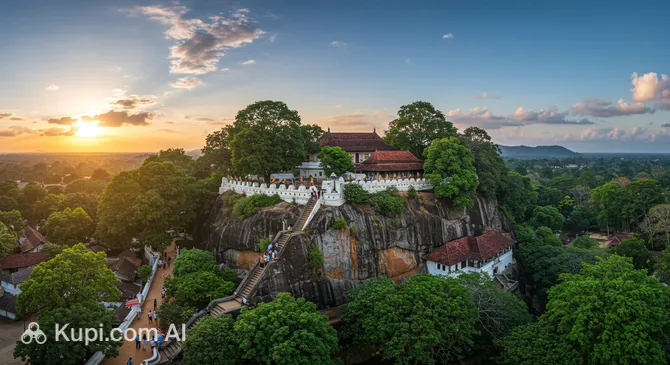
Dambulla. Illustration.
Source: Kupi.com AI

Despite its significance and a population of around 72,000 (according to recent data), Dambulla maintains a cozy atmosphere. The city plays a crucial role in the regional economy, particularly through its bustling wholesale agricultural markets, where the air is filled with the aromas of fresh fruits and spices. Furthermore, Dambulla often serves as the starting point for visiting the famous Sigiriya rock fortress, but it is also a true gem in its own right for history enthusiasts.

Dambulla's main pride is its unique cave temple complex, recognized as a UNESCO World Heritage site. This sacred place allows visitors to experience Buddhist culture firsthand, see ancient wall paintings and numerous Buddha statues, and enjoy breathtaking views of the surrounding area from the hilltop. The city's atmosphere is a wonderful combination of spiritual tranquility, lively market bustle, and natural beauty.

Dambulla is an excellent choice for travelers seeking authentic experiences, wishing to immerse themselves in ancient traditions, and discover the multifaceted culture of the island. This city invites you to slow down and enjoy every moment spent surrounded by history, nature, and the hospitality of the locals.

You can find more interesting facts on the history of Dambulla page.
Weather Overview

The weather in Dambulla is characterized by warm temperatures throughout the year. Average monthly temperatures range from 24.8°C in January to 28.6°C in April. Maximum daytime temperatures can reach 32–33°C in March and April, while minimum nighttime temperatures rarely drop below 21°C. Expect a warm climate with rainy periods, most intense in October and November, which see the highest rainfall and up to 25 rainy days per month. February, March, and June are generally drier, but brief showers are possible at any time of the year.

For more detailed information on weather conditions, including monthly forecasts, you can check the Dambulla Climate page.

Average monthly temperature

Average monthly precipitation

Interesting Facts

Beyond its world-famous cave temples, Dambulla hides many surprising details and lesser-known stories. Are you ready to see this city from an unexpected side?

  • In the vicinity of Dambulla, in the Ibbankatuwa area, there are prehistoric burial sites testifying to the existence of advanced civilizations here long before the arrival of Indian cultural influences. These archaeological finds give Dambulla a special status as a "cradle of civilization" in the central part of the island.

  • Not far from the city lie the largest rose quartz deposits in South Asia. Locals believe that this stone possesses magical properties that bring luck and health, and items made from it can be purchased at local markets.

  • While the Golden Cave Temple of Dambulla is the main attraction, not everyone knows its true scale: the complex consists of five main caves containing over 150 Buddha statues, with walls and ceilings decorated with thousands of square meters of ancient frescoes that are perfectly preserved to this day.

  • Dambulla boasts the Rangiri Dambulla International Stadium. This modern arena was built in record time and has become an important center for hosting major cricket matches and other sporting events, attracting fans from all over Sri Lanka.

How to Get There

Dambulla, being a major transport hub in the central part of the island, is easily accessible for travelers. To plan your perfect route, you can read more about how to get to Dambulla by considering all available transport options.

Most international tourists arrive in the country via Bandaranaike International Airport (IATA: CMB). Dambulla itself does not have its own airport, so planes land in Colombo, which is about 114 km away. A journey from the country's main aviation hub to Dambulla by taxi or transfer takes approximately 3 hours and 10 minutes. This is the most popular and reliable way for international travelers to reach the region.

For those already on the island who prefer fast domestic flights, Sigiriya SLAF Base (IATA: GIU) is an excellent option. This airport is located in the neighboring town of Sigiriya, just 12.5 km from the center of Dambulla. The journey by car from here takes about 40 minutes, making it extremely convenient for saving time.

For clarity, here is summary information on the main airports used to reach the city:

AirportPassenger trafficDistance
Sigiriya Slaf Base15 00012 km
Polgolla Reservoir Airport3 00060 km
China Bay25 00094 km
Castlereigh Reservoir Waterdrome4 000114 km
Bandaranaike International Airport8.8 mln114 km

Upon arrival at any of the airports, the onward journey to Dambulla usually continues by road. You can use intercity buses or hire a taxi to reach your destination in comfort.

Main Attractions

Dambulla, nestled in the heart of Sri Lanka, beckons travelers not only as a convenient base for exploring the island's famous Cultural Triangle but also as a destination rich in its own unique attractions. The city offers a variety of experiences, from comfortable places to relax to introductions to local cuisine and, of course, unique cultural sites.

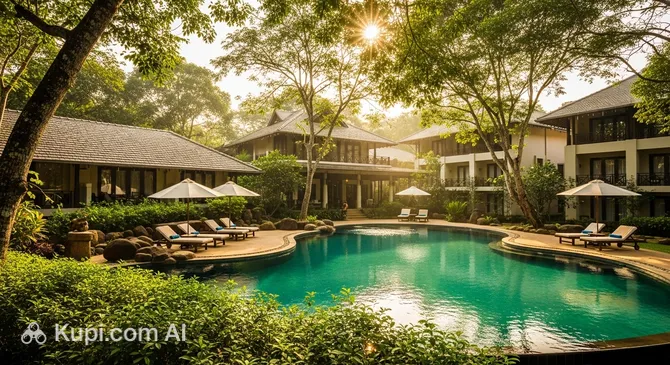
For comfortable accommodation and relaxation in Dambulla, consider the Rangiri Dambulla Resort. This venue offers guests not only high-quality lodging but also the chance to enjoy the beauty of the surrounding nature, making it an attractive choice for travelers seeking peace and convenience.

Rangiri Dambulla Resort. Illustration.
Source: Kupi.com AI

Traveler photos:

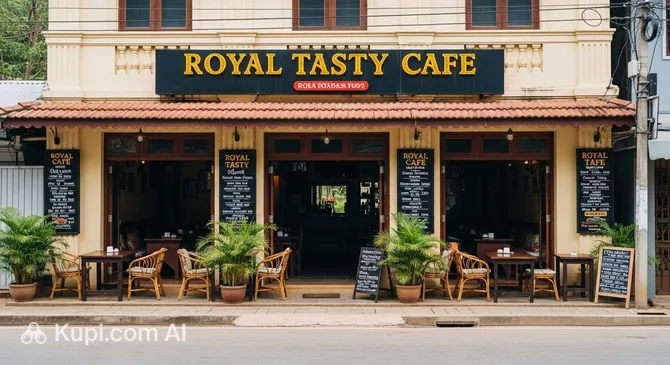
To get a taste of the local gastronomy, it is worth stopping by the local cafes and restaurants. Royal Tasty Cafe offers a diverse menu in a pleasant setting, where you can relax after strolling through the city and enjoy both local and international dishes.

Royal Tasty Cafe. Illustration.
Source: Kupi.com AI

Traveler photos:

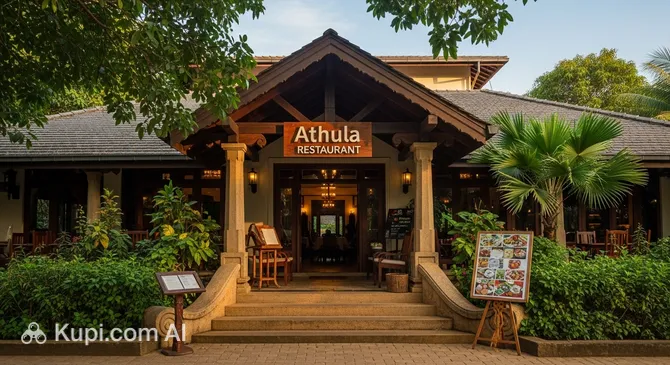
Another popular spot for authentic Sri Lankan flavors is Athula Restaurant. Here, you can sample traditional dishes prepared with fresh local ingredients and experience genuine Sri Lankan hospitality.

Athula Restaurant. Illustration.
Source: Kupi.com AI

Traveler photos:

However, the main jewel of Dambulla and a UNESCO World Heritage site is undoubtedly the majestic Dambulla Cave Temple, also known as the Golden Temple. It is the largest and best-preserved cave temple complex in Sri Lanka. It consists of five main caves containing over 150 magnificent Buddha statues and stunning frescoes covering the walls and ceilings. These paintings narrate the life of Buddha and the ancient history of the island, creating an atmosphere of deep tranquility and admiration for ancient art.

For sports fans and admirers of modern architecture, the Rangiri Dambulla International Cricket Stadium is of significant interest. This stadium, built in a record-breaking 167 days, is one of the largest in Sri Lanka. It is famous for its picturesque setting against a backdrop of imposing rocks and a lake. Even if you don't catch a match, the structure itself is impressive and represents an important part of the city's modern life.

To fully immerse yourself in everyday life and feel the vibrant colors of the region, be sure to visit the Dambulla Dedicated Economic Centre (Wholesale Vegetable Market). This is one of the largest and busiest markets in the country, where fresh fruits and vegetables from all over the area are brought. Life is particularly bustling here in the early morning: traders strike deals, trucks are unloaded, and the air is thick with the scent of fresh produce. It is a fantastic place for observing local life, taking vibrant photos, and, of course, buying exotic fruits.

Local Cuisine

The gastronomic scene of Dambulla is a true feast for connoisseurs of the vibrant, spicy, and rich flavors characteristic of Sri Lankan cuisine. The foundation of many dishes is rice, served here with various curries — vegetable, fish, or meat — generously seasoned with a kaleidoscope of local spices and aromatic herbs. A key role in creating the unique taste is played by the unfailing freshness of the ingredients, many of which are grown in the fertile lands of this region.

Be sure to try lamprais — a traditional dish where rice cooked with different types of curry, spicy sambol, meatballs, and a boiled egg is wrapped in a banana leaf and baked, acquiring a special aroma. Another culinary hit you shouldn't miss is kottu roti. This is finely chopped roti (flatbread), skillfully stir-fried on a large hot griddle with vegetables, egg, spices, and, optionally, chicken, beef, or seafood. It is often prepared right before your eyes, and the rhythmic clatter of the chefs' knives turns the process into quite a performance!

Among the drinks in Dambulla, fresh juices from exotic tropical fruits — mango, papaya, pineapple — are particularly popular, as is, of course, the famous Ceylon tea. It is definitely worth refreshing yourself with king coconut water, which is offered almost at every turn. For those who want to experience local alcoholic traditions, arrack is recommended — an authentic distillate made from the sap of coconut palms.

The food culture in Dambulla is multifaceted and colorful. At the bustling local markets, you can not only buy the freshest fruits and vegetables but also choose aromatic spices — cinnamon, cardamom, cloves, and pepper — which make for a wonderful and useful souvenir. Street food is incredibly popular here: numerous stalls and small eateries offer appetizing samosas, fish cutlets, various types of roti, and traditional sweets made from coconut and palm sugar. For a more substantial lunch or dinner, we recommend visiting one of the local restaurants, such as Athula Restaurant, where authentic Sri Lankan dishes are masterfully prepared.

Gastronomy in Dambulla is much more than just a way to satisfy hunger; it is an integral part of a rich cultural heritage that locals are sincerely proud of and happy to share with guests. Immersing yourself in the world of local flavors and aromas will undoubtedly be one of the brightest and most memorable impressions of your trip to this amazing corner of Sri Lanka. Occasionally, colorful gastronomic festivals are held in the city or its surroundings, providing a unique opportunity to explore the culinary diversity of the entire island.

Travel Tips

Welcome to Dambulla, the heart of Sri Lanka's Cultural Triangle! To make your journey through this amazing city as comfortable and rewarding as possible, we have prepared some practical tips. They will help you better navigate the area and avoid potential inconveniences.

  1. Clothing and Essentials:

    Dambulla has a tropical climate, so choose light, breathable clothing made from natural fabrics (cotton, linen). A dress code is mandatory for visiting the famous Dambulla Cave Temple and other religious sites: shoulders and knees must be covered for both men and women. Bring a light scarf or sarong. Don't forget comfortable shoes for walking and climbing up to the temple (there are many steps!), sunscreen, a hat, mosquito repellent, and a universal adapter for electrical appliances (Sri Lanka uses Type D, M, and G sockets).

  2. Transport:

    Dambulla is a relatively small city. The most popular way to travel short distances is by tuk-tuk. Be sure to agree on the price beforehand. For longer trips, such as to neighboring towns, you can use local buses — this is a budget-friendly option. Renting a car can be convenient if you plan to actively explore the surroundings, but remember that traffic in Sri Lanka is left-handed and quite chaotic.

  3. Finances:

    The local currency is the Sri Lankan Rupee (LKR). You can exchange money at banks or official exchange offices; the rate at the airport is usually less favorable. Credit and debit cards are accepted in most hotels, large shops, and some restaurants, but it is always useful to have cash for markets, tuk-tuks, and smaller establishments. There are ATMs in Dambulla. An approximate daily budget can range from 30 to 50 US dollars per person, excluding accommodation. Tipping is welcome: about 10% in restaurants (if service is not included in the bill) and small amounts for drivers and guides.

  4. Health and Safety:

    There are pharmacies in Dambulla, but the range of medications may differ from what you are used to, so it's better to bring a basic first-aid kit (painkillers, antiseptics, stomach remedies). There is a government hospital in the city; for serious cases, transportation to Kandy or Colombo may be required. It is strongly recommended to take out travel medical insurance. Dambulla is considered quite safe, but standard precautions apply: keep an eye on your belongings, especially in crowded places, and avoid walking alone in poorly lit areas after dark.

  5. Communication:

    The official languages in Sri Lanka are Sinhala and Tamil. In tourist areas, including Dambulla, many locals, especially young people and service industry workers, speak English well. Learning a few phrases in Sinhala, such as "Ayubowan" (a traditional greeting) or "Sthuthi" (thank you), will be a nice gesture. A local SIM card with internet access can be purchased at the airport or at mobile phone shops in the city. Wi-Fi is available in most hotels and some cafes.

  6. Local Etiquette:

    The people of Sri Lanka are very friendly and hospitable. The traditional greeting, "Ayubowan," is accompanied by a slight bow with palms joined at the chest. When visiting temples, behave modestly, speak softly, and remove your shoes and hats before entering. Important: do not turn your back to Buddha statues; it is considered a sign of disrespect. Always ask permission before photographing local people.

  7. What to Avoid:

    Show respect for local traditions and religion. Do not touch the heads of monks (the head is considered a sacred part of the body) and do not point your feet at people or religious images. You should also avoid overly public displays of affection, as this is not customary in the local culture.

  8. Special Tip for Dambulla:

    Be sure to visit the Dambulla Dedicated Economic Centre (wholesale vegetable market). It is one of the most vibrant and colorful places where you can see an incredible variety of fresh fruits and vegetables from all over Sri Lanka. The best time to visit is early morning when the market is buzzing with life. It's a great opportunity to observe local trade and take some vivid photos.

We hope these tips help you plan an unforgettable trip to Dambulla. Enjoy every moment of your stay in this amazing corner of Sri Lanka!

Entertainment & Nightlife

Dambulla, famous for its ancient cave temples, offers guests a more peaceful getaway rather than a boisterous nightlife. You won't find districts glowing with the lights of nightclubs and bars open until dawn, as you might in major tourist metropolises. However, this doesn't mean there is nothing to do in the city once evening falls.

Evening entertainment in Dambulla is mainly centered around restaurants and cafes where you can enjoy a pleasant dinner. The atmosphere in such establishments is usually relaxed and conducive to unhurried conversation after a day of sightseeing. Many restaurants offer traditional Sri Lankan cuisine, providing an excellent opportunity to discover local culinary delights. Popular spots for a delicious dinner include Royal Tasty Cafe and Athula Restaurant. These venues are known for their hospitality and diverse menus.

There are virtually no specialized nightclubs, noisy discos, or large concert venues in Dambulla. If you are looking for that specific format of entertainment, the city may not meet your expectations. Some hotels may offer lounge areas or bars for their guests to spend the evening in a quiet setting, sometimes accompanied by cultural programs. Overall, the nightlife here is not very diverse and is better suited for those who appreciate peace and quiet.

Practical tips for an evening in Dambulla:

Most restaurants are open until approximately 10:00 PM or 11:00 PM, so plan your dinner in advance. The dress code in most places is casual, with no special preparation required. Prices in cafes and restaurants are generally moderate. For moving around the city in the evening, tuk-tuks are convenient; it is recommended to agree on the fare before starting the trip. You can also order a taxi through your hotel. Dambulla is considered a fairly safe city, but as with anywhere, standard precautions should be taken, especially after dark.

As for daytime entertainment, Dambulla primarily offers a rich cultural program. The main highlight is the famous Golden Temple of Dambulla — a cave monastery and UNESCO World Heritage site. It is also worth visiting the local markets to feel the atmosphere of daily life and purchase souvenirs. The city's surroundings provide opportunities for ecotourism and exploring the natural beauty of Sri Lanka.

Parks & Museums

Dambulla invites travelers to immerse themselves in an atmosphere where ancient history and natural beauty exist in harmony. While the city is not famous for an abundance of traditional urban parks, its main attractions are surrounded by picturesque landscapes, and its cultural heritage is represented by unique sites of global importance.

Instead of formal parks, Dambulla offers the chance to enjoy the natural splendor that frames its cultural treasures. One such green area where you can escape the hustle and bustle is Popham's Arboretum. This unique site, the result of years of forest restoration efforts, offers visitors shaded walking paths, bird-watching opportunities, and a chance to get acquainted with a variety of local flora. The area around the famous Dambulla Cave Temple itself is also an extensive natural zone with hilly terrain offering breathtaking views.

The main cultural and historical center of Dambulla is certainly the Dambulla Cave Temple (Golden Temple of Dambulla). This UNESCO World Heritage site is a complex of five main caves decorated with over 150 Buddha statues and ancient wall paintings narrating the life of Buddha and the history of Sri Lanka. Visiting the temple is a true immersion into the spiritual and artistic heritage of the country. At the base of the rock leading to the caves is the Buddhist Museum, easily recognized by its massive golden Buddha statue. The museum features a collection of Buddhist artifacts and artworks, complementing the experience of visiting the cave complex.

For a more authentic experience and a glimpse into local life, stop by the vibrant city markets of Dambulla. Here you can see a variety of local fruits, vegetables, and spices, as well as observe the daily life of the residents. To avoid the midday heat and large crowds when visiting the Cave Temple, it is best to go early in the morning or later in the evening.

Getting Around

Public transport in Dambulla is mainly represented by buses and the famous three-wheeled taxis known as tuk-tuks. The city is a major transport hub, so the bus service is well-developed, connecting Dambulla with other cities and tourist sites in the region.

Buses are the most common and highly economical way to get around. There are both state-run and private bus companies. Routes cover not only the city itself but also allow you to reach nearby attractions. Fares are primarily paid in cash to the conductor once inside the bus; travel cards or mobile payment apps are generally not used here. Many buses do not have a strict schedule; they depart as they fill up, especially on popular routes. Stops are not always clearly marked, so you can often flag down a bus just by waving your hand at the side of the road, or ask the driver to stop at your desired location.

Tuk-tuks (motorized rickshaws) are an ubiquitous and convenient mode of transport for short trips around the city or to places that are not always easy to reach by bus. The fare for a tuk-tuk ride should always be agreed upon with the driver before the journey begins, as they usually do not have meters. Don't hesitate to haggle, but do so politely; a trip across town after bargaining might cost, for example, 200–500 Sri Lankan rupees, depending on the distance and your negotiation skills. Tuk-tuks are particularly convenient for trips to the Dambulla Golden Temple or other local sites.

In addition to buses and tuk-tuks, walking is an option for short distances in the center of Dambulla. For longer trips or more comfortable travel, you might consider renting a car with a driver — a popular service for tourists wishing to explore the surroundings independently. Bicycle rentals may also be available at some guesthouses or small rental points, offering a pleasant way to see the immediate vicinity at your own pace.

Practical tips for tourists: always carry small bills for paying bus and tuk-tuk fares, as payment by card or through specialized mobile apps is not common here. Ask locals or your hotel for bus numbers or directions if you are unsure. During peak hours, buses can be overcrowded. Public transport usually operates from early morning until evening, but the frequency of trips may decrease late at night.

Accommodation

In Dambulla, travelers will find a variety of accommodation options to suit different preferences and budgets. These range from economical guesthouses and small family-run hotels to more comfortable mid-range hotels and resort hotels with an expanded range of services.

Many tourists prefer to stay in areas that provide easy access to the city's main attraction — the Dambulla cave temples — or near transport hubs for the convenience of further travel around the country. The central part of the city and its immediate surroundings offer a good selection of housing, from where it is easy to reach both the temple complex and the bus station.

Although the selection of luxury hotels here may not be as wide as in larger tourist centers, Dambulla offers cozy and high-quality accommodation options. For example, one option for a comfortable stay is the Rangiri Dambulla Resort.

Rangiri Dambulla Resort. Illustration.
Source: Kupi.com AI

Traveler photos:

The price range for accommodation in Dambulla varies from budget to mid-range and above average. It is recommended to book your stay in advance, especially if your trip coincides with the peak tourist season. The most common booking methods are popular international online platforms and, in some cases, direct booking via hotel websites or by phone.

Nearby Cities

For those who want to explore the surrounding area, Dambulla serves as an excellent starting point for day trips to several interesting nearby locations:

CityPopulationDistance
Kandy8 464 00013 km
Sigiriya1 00114 km
Bakamuna43 91521 km
Hingurakgoda20 00038 km
Galgamuwa63 27342 km

Each of these cities offers something unique for the traveler. For example, Kandy (13 km from Dambulla) can be considered part of the broader cultural region, offering easy access to historical sites and picturesque surroundings. Another Kandy (65 km away) is Sri Lanka's famous last royal capital, a must-visit for the Temple of the Sacred Tooth Relic, the magnificent Royal Botanical Gardens in Peradeniya, and the charming Kandy Lake. A trip to Mawanella will immerse you in the world of aromatic spices: here you can visit numerous gardens where cinnamon, cardamom, and cloves are grown. Kotmale attracts travelers with breathtaking views of the reservoir of the same name, surrounded by emerald tea plantations, and offers a chance to explore the nature of the mountainous part of Sri Lanka. Meanwhile, Trincomalee, located on the east coast, beckons with its beautiful beaches like Nilaveli and Uppuveli, the ancient Koneswaram Temple, and whale-watching opportunities.

These nearby destinations provide an insight into the diverse culture and landscapes of the Sri Lanka region.

Shopping & Souvenirs

Dambulla, primarily known for its ancient cave temples, offers tourists shopping opportunities focused mainly on local goods and souvenirs. While it is not a major shopping center, you can find interesting items to remember your trip to Sri Lanka.

The main shopping spots in Dambulla are concentrated along the city's main streets and near tourist attractions like the Golden Temple of Dambulla. Here you will find small shops and stalls offering a variety of goods. The area around the central bus station can also be a bustling place for shopping.

There are no large modern shopping malls in the Western sense in Dambulla. Shopping here is more traditional, with an emphasis on small private shops and markets rather than big malls.

In Dambulla and its surroundings, you can visit local markets known as "pola." Although the famous Dambulla Dedicated Economic Centre is primarily focused on the wholesale of vegetables and fruits and may not be very convenient for tourists looking for souvenirs, there are smaller markets in the city. At these, you can find fresh fruits, spices, and sometimes products from local craftsmen. The atmosphere at such markets is very colorful and allows for a deeper dive into local life.

From Dambulla, it is worth bringing back traditional Sri Lankan souvenirs. Particularly popular are: various types of Ceylon tea, aromatic spices (cinnamon, cardamom, cloves, curry), batik items (clothing, wall hangings), handmade wooden masks, elephant figurines, as well as Ayurvedic products and natural cosmetics. Sometimes you can find items made from coconut shells and other crafts by local artisans.

Shops in Dambulla are usually open from the morning (around 9:00-10:00 AM) and work until the evening (6:00-8:00 PM). Small stalls and markets may have their own more flexible schedules. The main method of payment, especially in markets and small shops, is cash (Sri Lankan rupees). Larger souvenir shops and some hotels may accept bank cards.

Tourists shopping in Sri Lanka may be eligible for a VAT refund (Tax Free) on certain goods purchased in stores participating in the program. This usually applies to purchases over a certain amount. To process the tax refund, you must obtain a special receipt in the store and present it along with the goods at the airport when leaving the country. It is recommended to check the details and conditions of the Tax Free program directly at the points of purchase.

Reached the end of the page?

That means the route is fully explored