Support

Bardo National Museum

About

The Bardo National Museum, located in the suburb of the capital of Tunis, Le Bardo, is one of the most important museums in the Mediterranean and the second largest museum in Africa after the Egyptian Museum in Cairo. This famous museum is housed within the walls of a magnificent palace of Tunisian rulers (beys), built as far back as the 13th century, which in itself makes a visit an unforgettable experience. The museum offers a unique immersion into the rich history of Tunisia.
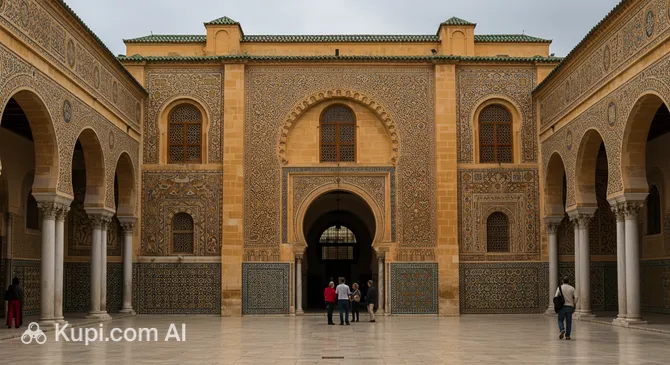
Bardo National Museum. Illustration.
Source: Kupi.com AI

Traveler photos:

The crowning jewel of the Bardo National Museum is its unrivaled collection of Roman mosaics, considered one of the best and most complete in the world. Besides the mosaics, the museum houses priceless artifacts that tell the story of various eras and civilizations that have left their mark on Tunisian soil. Here you will find antiquities from Ancient Greece and Carthage, as well as exhibits related to the Numidian civilization and Tunisia's medieval Islamic period.

The museum's exhibition is carefully curated and divided into six main sections, each dedicated to a specific historical period or theme. Visitors can explore the prehistoric department, the Punic civilization, discover the legacy of the Numidians, see the amazing Mahdia shipwreck treasures, artifacts from Late Antiquity, and Islamic art and objects from the Middle Ages. This variety allows visitors to trace the country's multi-millennial history and appreciate the contribution of different cultures to its formation.

Contacts

For up-to-date information on opening hours, ticket prices, and available tours at the Bardo National Museum, it is recommended to visit the official museum website or contact tourist information centers in Tunis. Useful information can also frequently be found on travel portals and in guidebooks to Tunisia.

How to contactContact
AddressBardo center, RN 7, Tunis, Tunisia
Websitewww.bardomuseum.tn

What to Do

A visit to the Bardo National Museum is a true journey through time, offering a deep dive into the history and art of the Tunisian lands, starting from the era of Carthage's foundation. In addition to the rich collection, the museum itself, located in a former palace, is striking in the splendor of its decor, especially after the large-scale renovation carried out in the 2010s. Every hall here is an opportunity to touch a centuries-old heritage.

In the museum's halls, you can take a close look at prehistoric artifacts that provide insight into the region's earliest inhabitants. The world-famous ancient mosaics are particularly striking for their craftsmanship and state of preservation, as are the expressive statues—vivid evidence of the flourishing arts in these territories. The exhibitions also include items depicting the daily lives of Tunisians and Romans, allowing for a better understanding of their lifestyle and culture.

Among the unique exhibits are finds from the Mahdia shipwreck treasures, artifacts reflecting the distinctive Numidian civilization, and unique masks from the 7th-6th centuries BC. Furthermore, visitors can see later works, including modern jewelry, demonstrating the continuity of artistic traditions in the region.

Exploring the diverse collections of the Bardo National Museum allows you to form a comprehensive picture of the rich and multifaceted history of Tunisia and the entire region. It is not just a passive contemplation of exhibits, but a real exploration that opens up a fascinating world of the past to visitors and allows for a deeper understanding of the country's cultural heritage.

Getting There

The Bardo National Museum is located in the eponymous suburb of the capital of Tunis, Le Bardo, making it easily accessible from the city center. One of the most convenient ways to reach the museum is by taxi. A trip from downtown Tunis to the museum usually takes no more than 15-20 minutes, depending on traffic. Taxis in Tunis are relatively inexpensive, but it is recommended to agree on the fare in advance or ensure the driver has turned on the meter.

For those who prefer public transport, there are several options. The most popular and convenient is the light rail (Métro léger de Tunis). Line 4 of this tram goes directly to the "Bardo" stop, which is within walking distance of the museum. This is an economical and authentic way to get to know the city and its surroundings. You can also reach Le Bardo by city buses, though it's best to check routes and schedules locally in advance, for example, at your hotel or with locals.

When planning a trip to the Bardo National Museum by public transport, it is worth allowing some extra travel time, especially during peak hours. Regardless of the chosen mode of transport, a visit to this outstanding museum, which houses the treasures of Tunisian history, will undoubtedly be one of the highlights of your trip to Tunisia.

Nearest city: Tunis

History & Facts

The history of the Bardo National Museum dates back to the late 19th century, when the decision was made to preserve the cultural heritage of Tunisia. In March 1882, a decree was issued to transfer part of the magnificent palace of the Tunisian Beys for museum purposes, followed on November 7 of the same year by a decree establishing the National Museum. The women's wing of the palace, known as the harem, and the surviving parts of the princes' residence were allocated for these purposes, marking the beginning of the future treasury.

Following the establishment of the French protectorate in 1881, European archaeologists launched large-scale excavations across the country. Concerned about the potential export of valuables, the then-ruler Ali III Bey made a wise decision by handing over the Bardo Palace to the French to organize a museum, which was originally named the "Alaoui Museum." The official opening took place on May 7, 1888. The foundation of the first exhibition was the collection of Minister Khaznadar, which rapidly grew through gifts and, of course, the numerous finds from archaeological expeditions.

It acquired its modern and world-famous name—the Bardo National Museum—in 1958, after Tunisia gained independence. Interestingly, the museum's historic building still serves more than just a cultural function: the Assembly of People's Representatives, the lower house of the Tunisian parliament, is also located within its walls. In the 2010s, the museum underwent a major renovation and update, allowing its rich collections to be presented even more effectively to visitors from around the world, making it one of the most significant cultural centers in the Mediterranean.

Time Needed

To fully appreciate the richness of the Bardo National Museum's collections, we recommend allocating at least 3-4 hours for your visit. This will allow you to leisurely view the famous Roman mosaics, which are the pride of the museum, as well as get acquainted with other key exhibits. For a quick, overview-style look at the most iconic artifacts, 2 hours might suffice, but it will be a rather brief tour.

If you are deeply interested in the history of ancient civilizations or are a connoisseur of ancient art, you could easily spend half a day or even more at the Bardo National Museum. Numerous halls dedicated to different eras—from the prehistoric period to the Islamic Middle Ages—offer rich material for study. The opportunity to examine each mosaic, sculpture, or everyday object from ancient cultures in detail will require significant time but will provide unforgettable impressions.

When planning your visit, keep in mind that the museum is located in a historic palace, and the architecture of the building itself also deserves attention. To avoid rushing and to get the most enjoyment from visiting this unique site in Tunis, it is best to include a sufficient time buffer in your itinerary.

Working Hours

To plan your visit to the Bardo National Museum, it is important to check its current opening hours in advance. Generally, large museums have standard schedules, but these can change depending on the season, holidays, or special events. Since precise information on opening hours is not provided, it is strongly recommended to check the official website of the Bardo National Museum or contact tourist information centers in Tunis shortly before your intended visit. This will help you avoid surprises and plan your time effectively.

It is also worth finding out if advance ticket booking is required, especially if you plan to visit during the peak tourist season. For some popular attractions, purchasing tickets online in advance can save time and guarantee entry. Typically, the Bardo National Museum is open to visitors year-round, but it is always useful to confirm this information and check for any potential closing days on official resources. This will ensure a comfortable and informative introduction to the museum's treasures.

DayOpening hours
MondayClosed
Tuesday9:00 – 16:30
Wednesday9:00 – 16:30
Thursday9:00 – 16:30
Friday9:00 – 16:30
Saturday9:00 – 16:30
Sunday9:00 – 16:30

Nearby

After immersing yourself in the rich history and art within the walls of the Bardo National Museum, your journey through Tunis can become even more fulfilling if you take the time to explore its surroundings. The city of Tunis is full of contrasts, where ancient traditions blend harmoniously with modernity, and exploring other attractions will allow you to deeper understand its multifaceted character.

Exploring nearby points of interest will not only complement your experience of visiting the Bardo National Museum but also reveal new facets of the capital of Tunisia. Whether it's historical monuments, bustling markets, or cozy corners to relax, the museum's surroundings offer diverse opportunities for further discovery of the culture and atmosphere of this amazing city.

NameDistance
Kasbah Square3.2 km
Dar El Jeld3.3 km
Zitouna Mosque3.6 km
Sultan Ahmet3.7 km
Go! Sushi3.8 km
Bab el Bhar3.9 km
Central Market of Tunis4.1 km

Have you reached the end of the page?

So the route has been studied inside and out