Support

Smithsonian National Zoological Park

About

The Smithsonian National Zoological Park is one of the most iconic and beloved attractions in Washington, D.C. Founded in 1889, it is one of the oldest zoos in the USA and is part of the world-renowned Smithsonian Institution. This zoological park is not just a place to see animals, but a major scientific and educational center whose mission is the conservation of species and the diffusion of knowledge about the natural world.
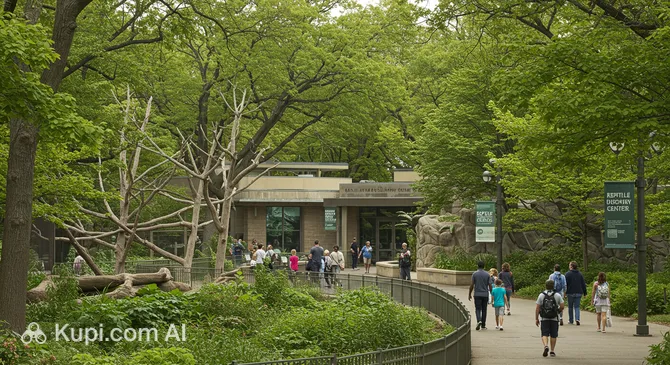
Smithsonian National Zoological Park. Illustration.
Source: Kupi.com AI

Traveler photos:

Spanning over 163 acres (66 hectares), the park is home to approximately 2,000 animals representing about 400 different species from around the globe. Here, you can see crowd favorites like lions, tigers, and giraffes, as well as rare, endangered animals that the zoo works tirelessly to preserve. A special point of pride and a long-standing symbol of the zoo have been the giant pandas. The park actively participates in breeding programs and scientific research, making an invaluable contribution to global conservation efforts.

One of the main advantages of the National Zoo, like all Smithsonian museums, is free admission for all visitors. This makes it an ideal destination for family outings and educational walks. When planning a visit, it’s worth setting aside a few hours or even a full day to leisurely explore the grounds and meet its amazing inhabitants. A visit to the zoo offers a unique opportunity not only to see exotic animals but also to learn about the importance of wildlife conservation.

Contacts

To plan your visit, check opening hours, and get the latest information on events and temporary exhibits, it is highly recommended to visit the zoo's official website. Below are the primary contact details.

How to contactContact
Address3001 Connecticut Ave NW, Washington, DC 20008, USA
Phone number+1 202-633-2614
Websitenationalzoo.si.edu

What to Do

A visit to the Smithsonian National Zoological Park is an opportunity to immerse yourself in the world of wildlife. Here, you can observe the lives of a wide variety of animals, from majestic lions and tigers to playful meerkats and exotic birds, living in conditions as close as possible to their natural habitats. The zoo is home to many species from every continent, with special focus given to rare and endangered species that can be seen in dedicated exhibits. Strolling through the park, you will not only meet unique representatives of the fauna but also learn about vital conservation programs.

Beyond simple animal viewing, the zoo offers many educational and interactive programs for visitors of all ages. You can attend fascinating lectures, watch animal feeding demonstrations led by keepers, or take part in special events that help deepen your understanding of the natural world. For young guests, there are play and discovery zones where children can learn about the zoo's inhabitants in an engaging way. Such activities make a visit not only interesting but truly educational.

The zoo grounds are well-equipped for visitor comfort. If you get hungry or need a break, there are several cafes and rest areas located throughout the park. And to preserve memories of your visit, you can stop by the souvenir shops, which sell commemorative gifts, toys, and books related to the animal kingdom. This allows you to spend an entire day at the zoo, enjoying a connection with nature without any extra worries.

Getting There

Getting to the Smithsonian National Zoological Park is quite simple, as it is conveniently located in Washington, D.C.. Visitors can choose the most suitable method for their needs: use public transportation or arrive by private car. Each option has its own features that are worth considering when planning your visit.

The most convenient and frequently recommended method is the Washington Metrorail system. The closest stations to the zoo—Woodley Park-Zoo/Adams Morgan and Cleveland Park—are on the Red Line. From either of these stations, a pleasant walk to the main entrance takes no more than 10–15 minutes. This option is particularly convenient during peak seasons, as it avoids traffic congestion and parking difficulties.

If you prefer to travel by car, there is paid parking available on-site for visitors. However, it is important to remember that on weekends, holidays, and during school breaks, the number of available spaces can be very limited. To guarantee a spot, it is recommended to arrive early, especially in the morning, or consider using public transport for a more comfortable visit.

Nearest city: Washington, D.C.

History & Facts

The history of the Smithsonian National Zoological Park is inextricably linked to the history of the Smithsonian Institution itself, which was established thanks to the generosity and foresight of British scientist James Smithson. Having no heirs and never having visited the USA, Smithson bequeathed his fortune to the country to create an establishment for the "increase and diffusion of knowledge." In 1838, his legacy arrived in America, and on August 10, 1846, the Smithsonian Institution was founded by an Act of Congress. A few decades later, in 1889, the National Zoo was established as part of this educational mission.

Initially, one of the primary goals of the zoo was not just to entertain the public, but to save endangered species of North America, most notably the American bison, which was on the brink of extinction at the time. Thus, from its very beginning, the zoo took on a vital conservation role. The park was designed by the famous landscape architect Frederick Law Olmsted, who also designed the grounds of the U.S. Capitol, harmoniously integrating the zoo into the natural landscape of Rock Creek Park. This allowed for the creation of animal habitats that were as close to natural as possible—a pioneering approach for that era.

Over the years, the zoo's mission has only expanded. From a place for displaying animals, it has transformed into a world-class scientific research center. Today, the Smithsonian Conservation Biology Institute, which is part of the zoo, plays a key role in studying and breeding rare species, such as the famous giant pandas, which were symbols of the zoo and diplomatic gifts for decades. As part of the Smithsonian Institution, the zoo maintains the tradition of free admission, making knowledge about the animal world accessible to everyone and continuing to fulfill the will of its founder, James Smithson.

Time Needed

To fully enjoy a visit to the Smithsonian National Zoological Park, it is recommended to set aside at least 3–4 hours. This is usually enough time to see the main exhibits without rushing, observe the most popular animals, and get a general sense of the scale of this massive park. This timeframe is sufficient for a thorough introductory walk.

If you are traveling with children, want to attend special educational programs, or simply prefer a more leisurely pace, it is better to plan for half a day or even a full day. This will allow you not only to see more animals but also to attend keeper talks, feeding demonstrations, and other events offered by the zoo. Given the large territory and many interesting corners, the extra time will make your visit more comfortable and educational.

Working Hours

The Smithsonian National Zoological Park is open to visitors year-round, except for December 25. Operating hours may vary by season: typically, the grounds are open from 8:00 AM to 4:00 PM or 6:00 PM, while the animal buildings are open from 9:00 AM to 4:00 PM. Admission to the zoo is free for all guests; however, visitors must reserve a free timed-entry pass (Entry Pass) in advance on the official website. This requirement applies to all visitors, including small children.

It is highly recommended to check the current operating hours and visiting rules on the zoo's official website immediately before your visit. Information may change due to weather conditions, special events, or other reasons. Booking passes in advance is especially important on weekends and holidays to guarantee entry.

8:00 – 18:00

Nearby

A visit to the Smithsonian National Zoological Park is an exciting adventure in itself, but exploring the surrounding area can make your trip to Washington, D.C., even more fulfilling and memorable. The neighborhood around the zoo offers many other interesting spots, from cultural landmarks to cozy restaurants, making it easy to combine several activities into one day.

A stroll through the nearby neighborhoods will reveal new facets of the USA capital. Just a few minutes' walk or a short transit ride away, you will find both iconic architectural monuments and hidden gems that allow for a deeper dive into the city's atmosphere. Below is a list of some interesting places located nearby.

NameDistance
Washington National Cathedral1.8 km
Agora Mediterranean Restaurant2.3 km
Pisco y Nazca Ceviche Gastrobar2.9 km
Joe's Seafood, Prime Steak & Stone Crab3.6 km
Old Ebbitt Grill3.8 km
Ford's Theatre4.2 km
National Portrait Gallery4.2 km

Have you reached the end of the page?

So the route has been studied inside and out