Support

Museum of Applied Arts

About

The State Museum of Applied Arts is a true gem of cultural heritage, carefully preserved in modern Tashkent. Founded in 1937, the museum is housed in a unique late 19th-century architectural monument—the former palace of diplomat Alexander Polovtsev. The building itself is a masterpiece: its interiors are decorated with exquisite wood carvings and skillful ganch (carved plaster) painting, created by the finest masters of their time.
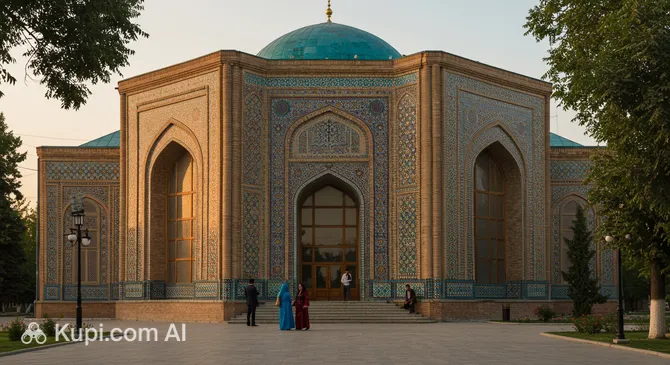
Museum of Applied Arts
Museum of Applied Arts. Иллюстрация. Источник: Kupi.com AI

Today, this museum represents one of the richest collections of folk art showcased to the world by Uzbekistan. Its funds hold up to 10,000 unique exhibits, including rare examples of ceramics, jewelry, carpets, and gold embroidery. The collection covers products from all the country's craft schools, from the Fergana Valley to Karakalpakstan.

A visit to the museum offers a fascinating journey through the centuries, observing the development of artistic traditions and the craftsmanship of the Uzbek people. It is an ideal place for those who want to see "living history" and feel the soul of Eastern culture through everyday details and decorative masterpieces.

Contacts

To plan your visit to the Museum of Applied Arts, it is helpful to check its contact details and official resources in advance. You can find up-to-date information about exhibitions or special events by calling the number provided or visiting the official website. The museum is located in the central part of the city, making it easily accessible for most tourists.

How to contactContact
AddressRakatboshi ko'chasi 15, 100031, Тоshkent, Toshkent, Uzbekistan
Phone+998 71 256 40 42
Websitewww.artmuseum.uz

What to Do

Within the museum walls, visitors can enjoy contemplating rich collections where every object tells its own unique story. Special attention should be paid to the famous "Yulduz" (Star) gold-embroidered panel, which took dozens of craftswomen to create. The halls featuring jewelry, traditional skullcaps, and exquisite silk fabrics that have retained their vibrant colors over decades are also of great interest.

Be sure to set aside time to explore the building itself: its interior, with filigree carvings and paintings, is considered one of the best examples of Tashkent's architectural and decorative art. While walking through the pavilions, you can see how ceramics styles differ across regions—from the recognizable blue patterns of Rishtan to the terracotta pieces of Bukhara.

For connoisseurs of miniatures, the museum presents a collection of painted boxes with illustrations of classic Eastern poems. A visit to this place will be a wonderful experience for both seasoned art historians and families with children who wish to introduce the younger generation to the centuries-old traditions of applied arts.

Getting There

The museum is located at 15 Rakatboshi Street, in a pleasant neighborhood of the city. The most convenient way to get here is by metro, heading towards the "Alisher Navoi" or "Buyuk Ipak Yuli" stations. Although the museum is in the central area, it is best to take a taxi from these metro stations to save time and reach the palace doors directly.

Ride-hailing apps like Yandex Go or inDrive work excellently in the capital. A trip from the center of Tashkent or from the nearest metro station to the museum is inexpensive and takes no more than 10–15 minutes. If you prefer buses, several routes pass through this area, but a taxi remains the most comfortable and fastest way for tourists to get around.

Ближайший город: Tashkent

History & Facts

The history of the museum's collection began in 1927 with a temporary exhibition featuring the best works by folk artisans. The exhibition proved so popular that by 1937, the Museum of Handicrafts was established on its basis. A magnificent late 19th-century building was chosen to house the exhibits; it was originally built for the entrepreneur Nikolai Ivanov and later acquired by the Russian diplomat and connoisseur of antiquities, Alexander Polovtsev Jr.

Over the years, the building has undergone several stages of restoration, the most significant of which took place in 1941, 1961, and 1970. The museum changed its official name several times, reflecting shifts in the region's cultural policy, and in 1997, it finally received the status of the State Museum of Applied Arts of Uzbekistan under the Ministry of Culture.

Today, the museum's holdings preserve a rich heritage spanning from the beginning of the 19th century to the present day. Interestingly, the collection is divided into 20 thematic areas, each representing a different craft. This allows visitors to trace how traditions of wood carving, jewelry making, and carpet weaving have evolved over the centuries.

Time Needed

To fully appreciate the beauty of the exhibits and the architectural splendor of the building, most travelers need 2 to 3 hours. This is enough time for a leisurely tour of the main collections of ceramics, embroidery, and jewelry, as well as for admiring the masterful carving and wall paintings of the palace itself.

If you plan to examine each exhibit in detail or use the services of a guide, we recommend setting aside half a day for the visit. The museum's calm atmosphere encourages thoughtful study of the art pieces, allowing you to immerse yourself in the region's rich culture without any rush.

Working Hours

The Museum of Applied Arts welcomes guests daily, making it easy to include a visit in any travel itinerary. The institution is open from 9:00 AM to 6:00 PM without lunch breaks, and the schedule remains the same from Monday to Sunday.

Please note that the museum's ticket office usually closes an hour before the end of the day, at 5:00 PM. It is recommended to arrive early so that you have enough time to calmly explore all the halls and architectural details of the building before closing.

9:00 – 18:00

Nearby

Exploring the surroundings of the Museum of Applied Arts can significantly enrich your travel experience. Nearby, you will find both quiet green zones and modern entertainment areas where you can relax after an immersive tour.

Many interesting locations are within a short taxi ride, making it easy to combine a museum visit with a walk through the parks or a trip to a water park during the warmer months.

NameDistance
NEXT Mall0.9 km
Humo Arena1 km
Magic City Park1.1 km
Magic Aquarium1.1 km
Oblako Uz1.6 km
Tashkent Polytechnic Museum1.7 km
Tashkent City Mall1.8 km

Reached the end of the page?

That means the route is fully explored