Support

Ancient Afrasiyab / Maracanda

About

Ancient Afrasiab (Marakanda) is not just an archaeological zone, but the heart of a legendary past where the pulse of the capital of ancient Sogdiana once beat. The vast settlement, covering more than 200 hectares, is located on the northern outskirts of the city of Samarkand. Today, it is a majestic collection of loess hills, beneath which lie layers of history dating from the 8th century BC to the Mongol invasion in the 13th century.
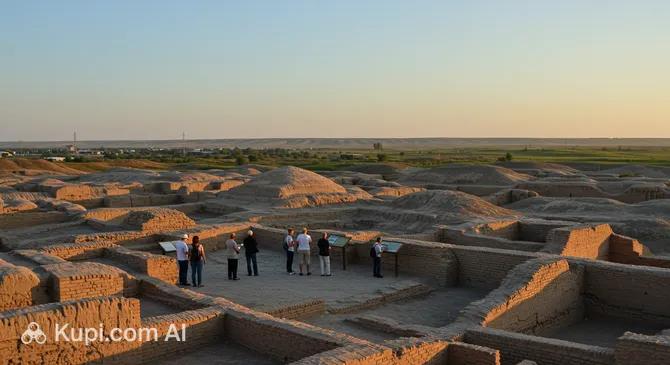
Ancient Afrasiab (Maracanda)
Ancient Afrasiab (Maracanda). Иллюстрация. Источник: Kupi.com AI

This site in Uzbekistan is considered one of the most important archaeological locations in all of Central Asia. Walking through the territory, you can see the outlines of ancient walls, the remains of the citadel, and residential quarters that once witnessed the luxurious caravans of the Great Silk Road. Named according to legend after the mythical Turanian king Afrasiab, this "city on the hills" still preserves the spirit of ancient Marakanda.

The central part of a tourist's visit is the Afrasiab History Museum. Its halls contain unique treasures found during excavations: from exquisite pre-Islamic ceramics and ancient coins to fragments of wall paintings that are recognized masterpieces of world art.

Contacts

To clarify details before your visit or to book a tour, you can use the following contact information:

How to contactContact
AddressMXCQ+39C, Самарканд, Самаркандская область, Узбекистан
Phone+998 97 927 31 98

What to Do

The main impression of your visit will be a journey through time, which begins at the Afrasiab Museum. Visitors can see thousands of unique artifacts here: terracotta figurines, ossuaries, ancient jewelry, and household utensils. However, the real gem of the collection is the famous wall frescoes of the 7th–8th centuries, depicting solemn processions, warriors, and scenes from the life of the Sogdian nobility.

After the museum, it is worth taking a walk through the settlement grounds itself. The high hills offer breathtaking panoramic views of modern Samarkand, its turquoise domes, and bustling streets. Exploring the terrain, you can find traces of ancient fortifications and the remains of palace complexes, and imagine how the noisy oriental bazaars and caravanserais were once located here.

For photography enthusiasts, Afrasiab offers many atmospheric angles, especially at sunset when the hills are painted in golden tones. You can also join guided tours where guides talk about the secrets of ancient crafts, trade routes, and the exciting discoveries of archaeologists that continue here to this day.

Getting There

The ancient settlement is located on the northern outskirts of the city, making it very easy to reach. The most comfortable way is by taxi from the center of Samarkand; the trip will take only 10–15 minutes. You can also use public transport: numerous buses and minibuses run along the main roads leading to the city's northern exit.

If you are arriving from the airport or the railway station, a taxi ride will take about 20–30 minutes. For those who prefer independent navigation, the coordinates are: 66.9883763, 39.6701911. There is a parking lot available near the museum building.

Walking enthusiasts can reach Afrasiab from the famous Siab Bazaar or the Bibi-Khanym Mosque in about 30–40 minutes. However, keep in mind that in the summer, walking under the open sun can be tiring, so be sure to bring water and a hat.

Ближайший город: Samarkand

History & Facts

The history of Afrasiab dates back to the 8th–7th centuries BC, when Marakanda—the legendary capital of Sogdiana—emerged here. This city was a key hub on the Great Silk Road, connecting East and West. In ancient times, it was protected by impenetrable Achaemenid-era walls with internal corridors and towers, while natural ravines made it a true fortress.

The city reached its peak in the 9th–10th centuries, becoming the first capital of the Samanid dynasty. During this period, Afrasiab transformed into a brilliant center of the Islamic East. It featured a lead-pipe water supply system that was unique for its time, as well as bathhouses, thriving bazaars, and craft quarters, with the city's area reaching an impressive 220 hectares.

Later, in the 11th–13th centuries, Afrasiab served as the capital of the Karakhanid state. Archaeologists have discovered the remains of the majestic palace of Ibrahim ibn Husayn here, decorated with monumental paintings. Life on these hills came to a standstill after the devastating Mongol invasion in the 13th century. Residents left the ruined walls and founded a new city at the foot of the hills, which we know today as modern Samarkand.

Time Needed

To explore the archaeological zone and the museum exhibition at a leisurely pace, it is recommended to set aside 2–3 hours. This is plenty of time to study the main halls with their findings and take a walk across the picturesque hills of the ancient settlement.

If you plan to examine the unique frescoes in detail and take panoramic photos of the modern city from the heights of Afrasiab, you should allow a little more time for your visit. Exploring the ruins requires comfortable shoes, as the territory is quite extensive and hilly.

Working Hours

The history museum and the ancient settlement grounds are open to visitors daily from 09:00 to 20:00. The site is open seven days a week, making it easy to fit into any tourist itinerary around the city.

Nevertheless, before your trip, it is recommended to check current information on official tourism resources or confirm the opening hours with local guides, as the schedule may change slightly during public holidays.

09:00–20:00

Nearby

Exploring Afrasiab is just the beginning of your immersion into the region's rich history. The surroundings of the settlement are literally dotted with architectural monuments that help complete the picture of the ancient city's grandeur.

NameDistance
Afrasiyab Museum0.4 km
Khoja Daniyar Mausoleum0.6 km
Shah-i-Zinda0.9 km
Hazrat Khizr Mosque0.9 km
Siyob Bazaar1.2 km
Bibi-Khanym Mosque1.3 km
Ulugh Beg Observatory1.6 km

Reached the end of the page?

That means the route is fully explored