Support

Celtic Museum Hallein

About

The Celtic Museum Hallein invites you to immerse yourself in the mysterious world of ancient Europe—it is one of the largest and most significant collections of Celtic history on the continent. Located in the picturesque town of Hallein, near the city of Salzburg, this museum serves as a true portal to the Iron Age, when a unique culture of master craftsmen and salt traders flourished in the lands now occupied by Austria.
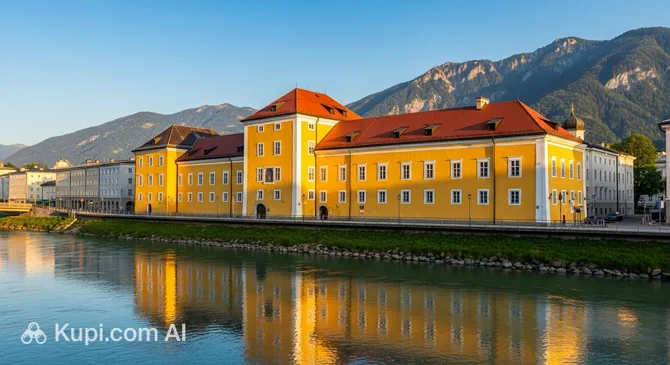
Celtic Museum Hallein
Celtic Museum Hallein. Иллюстрация. Источник: Kupi.com AI

The museum is famous for its unique collection of artifacts discovered during excavations on Dürrnberg Mountain. It houses priceless treasures, including the famous Celtic spouted jug, which is over 2,500 years old, as well as exquisite jewelry, weapons, and everyday items. The exhibition clearly demonstrates how the extraction of "white gold"—salt—turned this region into one of the wealthiest centers of the ancient world.

In addition to Celtic antiquities, the museum offers a look into the history of Hallein itself and the activities of the Salzburg Prince-Archbishops. Interactive dioramas, simulated salt tunnels, and reconstructed living quarters create a unique atmosphere, allowing visitors to literally touch the past and feel the rhythm of life for the people who inhabited these valleys thousands of years ago.

Contacts

To check the latest information before your visit, you can use the museum's official contact details.

How to contactContact
AddressPflegerpl. 5, 5400 Hallein, Австрия
Phone+43 6245 80783
Websitewww.keltenmuseum.at

What to Do

In the museum halls, visitors are in for an exciting journey through the centuries: from contemplating golden amulets and masterfully crafted swords to studying the intricacies of ancient pottery. Be sure to check out the museum laboratory—an interactive space where young explorers can feel like real archaeologists by conducting experiments and studying the structure of finds.

Special attention should be paid to a walk through the Celtic Village on Dürrnberg Mountain. Here you can enter reconstructed houses, touch the rough walls of the dwellings, see authentic tools, and even try your hand at archery. An interactive tunnel, simulating a salt mine, allows you to feel the cool and specific atmosphere of the underground workings where miners toiled for centuries.

History buffs will be interested in the ceremonial rooms of the Prince-Archbishops, as well as exhibitions dedicated to technical progress in the salt industry. For the most complete immersion, it is recommended to purchase the "Salzwelten" (Salt Worlds) combination ticket, which combines a visit to the museum, the ancient village, and the active salt mines, turning the visit into an unforgettable adventure for the whole family.

Getting There

Getting to the museum from Salzburg is easy, as Hallein is located just 15 kilometers away. The most convenient way is to take the suburban train, which will get you to Hallein station in about 20 minutes. From the station, the historic city center and the museum itself are a 10–15 minute walk, offering lovely views of the Salzach River.

If you prefer to drive, the trip from Salzburg via the B159 highway takes about 20 minutes. Free parking is available near the museum complex. Additionally, a funicular operates between the city center and the Celtic Village on Dürrnberg Mountain, which is convenient for those planning to visit both locations in one day.

For those using public transport, regular bus services stop within walking distance of the museum. Alternatively, you can always take a taxi to reach the entrance quickly and comfortably.

Ближайший город: Salzburg

History & Facts

The history of this place is inextricably linked to "white gold"—salt. Celts settled around Hallein as early as 600 BC, discovering rich salt deposits on Dürrnberg Mountain. It was the extraction of this valuable resource that allowed local tribes to amass colossal wealth, as evidenced by the luxurious jewelry and household items found in ancient burials.

With the arrival of the Romans and the inclusion of the Celtic Kingdom of Noricum into the empire in 15 BC, large-scale salt mining paused for a time. However, the region did not lose its significance, and during the Baroque era, the Prince-Archbishops of Salzburg revived production, introducing modern wet mining methods that once again ensured the economic prosperity of the entire area.

The name of the town, Hallein, first mentioned in 1198, is etymologically related to salt production: the root "hal" is often found in the names of places where salt was mined. The Celtic Museum Hallein was officially opened in 1970 through the efforts of archaeologist Gerhard Trnka, and today it is rightfully considered one of Europe's most important centers for the study of the Hallstatt and La Tène cultures.

Time Needed

To explore all the halls at a leisurely pace and delve into the details of the exhibition, an average visitor will need about 1.5–2 hours. If you also plan to visit the Celtic Village on Dürrnberg Mountain, you should set aside at least 3–4 hours for the trip.

For those purchasing the "Salzwelten" (Salt Worlds) combo ticket, which includes the descent into the salt mines and visits to all museum sites, the ideal option is to dedicate a full day to the trip. This will allow you to immerse yourself in the history of the region without rushing and enjoy all the interactive features of the complex.

Working Hours

The museum doors are open to guests daily, making it easy to include in any travel itinerary. The exhibition is available from 09:00 to 17:00, including weekends and holidays.

Nevertheless, it is recommended to check the information on the official website before your trip, as there may be seasonal changes in the schedule or temporary restrictions due to special events or restoration work.

09:00–17:00

Nearby

Exploring the surroundings of Hallein will allow you to dive even deeper into the atmosphere of this amazing region and find entertainment for every taste, from nature parks to sports facilities.

The following interesting sites are located near the Celtic Museum:

NameDistance
Hellbrunn Palace9.1 km
Mini Golf Leopoldskron12.4 km
Laschenskyhof Restaurant12.7 km
Hohensalzburg Fortress12.8 km
Mozart Square13.2 km
Rock Riding School13.2 km
Salzburg Open-Air Museum13.3 km

Reached the end of the page?

That means the route is fully explored