Support

Goya Museum

About

In the heart of the charming city of Castres lies a unique place, rightfully called the "second Louvre" for Spanish art. The Goya Museum is an outstanding collection of paintings dedicated to the great masters of Spain from ancient times to the 20th century.
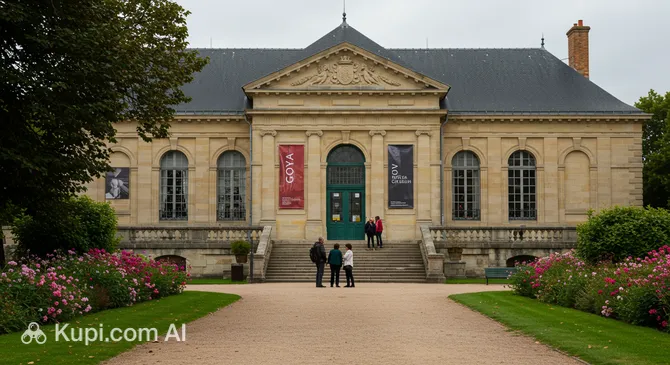
Goya Museum
Goya Museum. Иллюстрация. Источник: Kupi.com AI
Located in the south of France, it attracts lovers of beauty with its exceptional collection and magnificent architecture.

The museum is housed in the former Episcopal Palace from the 17th century, which is a masterpiece in its own right. The palace was designed by the famous architect Mansart, who contributed to the creation of Versailles, while the adjacent gardens were landscaped by the legendary André Le Nôtre. This combination of historical architecture and invaluable canvases makes a visit here truly inspiring.

The core of the collection consists of works by the great Francisco de Goya; however, the museum's halls also hold masterpieces by other titans: Velázquez, Zurbarán, Picasso, and Miró. This place is a must-visit for anyone who wants to trace the evolution of Spanish painting and enjoy the atmosphere of aristocratic France from centuries past.

Contacts

For those planning a visit and wishing to clarify details about the exhibition or book a group tour, the main contact information is provided below.

How to contactContact
Address1 Rue de l'Hôtel de ville, 81100 Castres, France
Phone+33 5 63 71 59 30
Websitewww.museegoya.fr

What to Do

A visit to this museum is, first and foremost, a fascinating journey through centuries of Spanish art. Most guests' attention is always drawn to the halls dedicated to Francisco de Goya, where you can study his unique painting style and famous engravings in detail. However, do not limit yourself to these alone: the exhibition allows you to trace the entire development of Spanish painting, from the austere religious canvases of Zurbarán to the bold experiments of Pablo Picasso.

In addition to contemplating the paintings, be sure to take time to explore the interiors of the Episcopal Palace itself. High ceilings, antique staircases, and exquisite room finishes create the perfect backdrop for experiencing classical art. Photography enthusiasts will find many interesting angles here to capture the harmony between historic architecture and artistic masterpieces.

After touring the indoor galleries, it is worth stepping out into the fresh air and strolling through the Le Nôtre gardens. The geometric precision of the hedges and the peaceful atmosphere of the park will be the perfect conclusion to your cultural program. This combination of intellectual relaxation and a walk through the historical center makes a visit to the museum both rich and multifaceted.

Getting There

Finding your way to this cultural center in Castres is easy, as it is located in the very heart of the historical district at 1 Rue de l'Hôtel de ville. If you are already in the center, the best option is a scenic walk: the museum is in the immediate vicinity of the city hall and the cathedral, and the surrounding streets are quite picturesque.

For those arriving from other regions, it is most convenient to use the railway. Trains from Toulouse run regularly, and the journey takes about one hour. From the Castres station, you can reach the museum on foot or take local buses that circulate through the city's central districts.

If you prefer traveling by car, the drive from Toulouse takes approximately one hour via the A68 and D612 highways. Several parking zones are available in the city center; however, keep in mind that finding a spot can be difficult during peak tourist hours, so it is recommended to look for parking signs near the administrative quarter.

Ближайший город: Castres

History & Facts

The history of this unique institution began in 1840. Originally intended as a universal collection, the museum's fate changed when it received a gift of works by the great Francisco de Goya. Over time, the collection grew to such an extent that the museum became the second most significant collection of Spanish painting in France after the Louvre.

The museum building itself is of no less historical value. It is the former Episcopal Palace of the 17th century, the appearance of which was shaped by the outstanding masters of the time. The architectural design belongs to Jules Hardouin-Mansart, one of the creators of Versailles, while the magnificent gardens were designed by the legendary André Le Nôtre. The collaboration of such masters turned the palace into a benchmark of classical architecture.

Over the centuries, the museum's collection has been enriched through generous donations, becoming a true chronicle of Spanish art from antiquity to the present day. Today, the Goya Museum is not just a gallery, but a symbol of the deep cultural connection between the Occitania region and Spain, housing masterpieces that have survived centuries and revolutions.

Time Needed

To explore the rich exhibition at a leisurely pace and enjoy the architectural ensemble, most visitors need between 1.5 to 2 hours. This is enough time to carefully examine the key paintings by Francisco de Goya and the works of other Spanish masters.

If you also plan to stroll through the famous gardens designed by Le Nôtre and visit the gift shop, we recommend setting aside about half a day for your visit. This will allow you to fully immerse yourself in the atmosphere of Spanish art without having to keep an eye on the clock.

Working Hours

When planning your route, please note that the museum welcomes guests from Tuesday to Sunday. Monday is the official day off when the institution is closed to visitors.

The standard operating schedule is as follows:

  • Tuesday – Sunday: 10:00 AM – 6:00 PM
  • Monday: Closed
DayWorking hours
ПонедельникЗакрыто
Вторник10:00 – 18:00
Среда10:00 – 18:00
Четверг10:00 – 18:00
Пятница10:00 – 18:00
Суббота10:00 – 18:00
Воскресенье10:00 – 18:00

Nearby

Exploring the surroundings of the Goya Museum will allow you to immerse yourself deeper into the atmosphere of old Castres. The central part of the city is filled with historical monuments and cozy corners that will perfectly complement your cultural journey.

Many interesting sites are located just steps away from the museum, allowing for a rich walking route through the city.

NameDistance
Ô Victoria0.1 km
Renaissance Hotel Bar0.2 km
Steak Factory Grill House0.3 km
Company Bar0.3 km
Lo Bolegason0.5 km
Anatole Park1 km
Gourjade Park2 km

Reached the end of the page?

That means the route is fully explored