Support

Hellabrunn Zoo

About

Hellabrunn Zoo (Tierpark Hellabrunn) is not just a zoo, but a true nature park and one of Munich's most visited attractions. Situated on a picturesque 40-hectare site on the banks of the River Isar, it became the world’s first "geo-zoo". This concept, first implemented here back in 1911, involves keeping animals in conditions as close as possible to their natural habitats, grouped by continents.

A journey through Hellabrunn is a true around-the-world adventure. In one day, you can travel from the African savanna, where giraffes and zebras roam, to the polar world of polar bears and penguins, and then find yourself in the Asian jungle alongside orangutans and elephants. The zoo is home to over 19,000 animals representing more than 750 species from all over the world. Instead of cramped cages, there are spacious enclosures, often separated from visitors by natural barriers like water moats, creating a feeling of complete immersion in the wild.
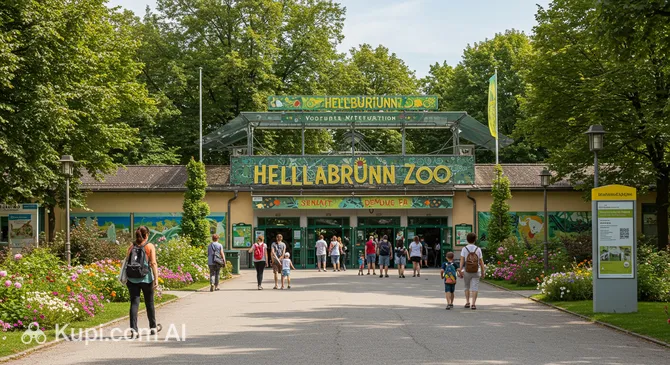
Hellabrunn Zoo. Illustration.
Source: Kupi.com AI

Traveler photos:

Hellabrunn is not only an entertainment venue but also an important scientific institution in Germany. The zoo actively participates in international programs for the conservation and breeding of rare and endangered species, such as the Przewalski's horse and the drill monkey. Educational shows and animal feeding demonstrations are held regularly for visitors, making the visit even more engaging. Thanks to its unique concept, vast biodiversity, and active conservation work, Hellabrunn is rightfully considered one of the best and most interesting zoos in Europe.

Contacts

If you need to clarify details before your visit—such as current animal feeding schedules, opening hours on public holidays, or conditions for group visits—you can contact the Hellabrunn Zoo administration. The most up-to-date information is always available on the official website.

How to contactContact
AddressTierparkstraße 30, 81543 München, Germany
Phone number+49 89 625080
Websitewww.hellabrunn.de

What to Do

A visit to Hellabrunn Zoo is an opportunity to take a unique trip around the world without leaving the park. You can start your day in Africa, watching the graceful giraffes, and then head to Asia to see the majestic elephants in the historic elephant house. Special attention should be paid to the themed zones: the modern rainforest pavilion, which recreates the jungle atmosphere, the large aquarium with its diverse inhabitants, and the mysterious "Villa Dracula"—home to bats, a visit to which leaves an unforgettable impression.

For young visitors, Hellabrunn offers plenty of entertainment. In the petting zoo, children can get a closer look at domestic animals, pet them, and even feed them. There are playgrounds throughout the park where they can have fun. Additionally, the zoo regularly hosts various educational programs that explain the animal world and the importance of its conservation in an engaging way.

Hellabrunn is a great place for the whole family to relax. There are numerous cafes and restaurants on its well-maintained grounds where you can grab a bite to eat. There are also specially designated areas for a picnic on the grass. To make your visit even more interesting, look out for the schedule of animal feeding sessions and special animal shows held throughout the day. And in the souvenir shops, you can buy mementos of your day spent in one of Europe’s best zoos.

Getting There

Getting to Hellabrunn Zoo is very easy, as it is conveniently located in the southern part of Munich, in a picturesque district on the banks of the River Isar. The fastest and most popular way is by public transport. You will need subway line U3 (some sources may mention the U6, but the U3 is the primary line) to the Thalkirchen (Tierpark) station. From the subway exit to the zoo's main entrance, called Isar-Eingang, it is just a few minutes' pleasant walk across the bridge following the signs.

In addition to the subway, you can reach the zoo by surface transport. Bus No. 52 runs from the central Marienplatz square directly to the Tierpark (Alemannenstraße) stop. This stop is located near the other entrance to the zoo—the Flamingo-Eingang. The X98 express bus also runs to this same stop on weekends and public holidays. For those who prefer to travel by car, paid parking is available near both entrances; however, on high-attendance days, it is recommended to use public transport as the number of parking spaces is limited.

For fans of active recreation and scenic views, there is a wonderful alternative—a bike ride or a walk. Convenient paths run along the Isar River directly to the zoo. This route allows you not only to enjoy the beautiful scenery of the nature park but also makes for a great start to the day before exploring the amazing world of animals at Hellabrunn.

Nearest city: Munich

History & Facts

The history of Hellabrunn Zoo in Munich began on August 1, 1911, and from the moment it opened, it was a true innovator. It was the world’s first "geo-zoo"—a revolutionary concept at the time, where animals were arranged not by species, but by their continents of origin. This approach allowed for the recreation of conditions as close as possible to their natural habitats and showed visitors how different species coexist in nature within the same geographical region. This idea proved so successful that it was later adopted by many zoos around the world.

The 20th century brought serious challenges to the zoo. In 1922, due to financial difficulties following the First World War, it had to close temporarily. However, it reopened in 1928 thanks to the efforts of its new director, Heinz Heck, who further developed the geo-zoo concept. Hellabrunn suffered its greatest damage during the Second World War: bombings significantly destroyed the grounds and pavilions. But despite the extensive damage, the zoo was restored and continued its work, demonstrating remarkable resilience and the local residents' love for this unique place.

Today, Hellabrunn is known not only for its history but also for its significant success in conservation efforts. The zoo actively participates in breeding programs for rare and endangered species. Its achievements include the birth of an elephant calf in 2009, which hadn't happened here in 66 years, and the birth of the famous twin polar bear cubs in 2013. These events caught the attention of all of Germany and confirmed Hellabrunn's status as one of Europe’s leading scientific and conservation centers.

Time Needed

When planning a visit to Hellabrunn Zoo, it is important to budget your time correctly to get the most out of this amazing place. For a quick look at the main exhibits and the most popular inhabitants, 3–4 hours might be enough. However, to truly immerse yourself in the atmosphere of the world’s first "geo-zoo" and leisurely walk through the key pavilions, it is recommended to allow at least 4–5 hours. This will be enough to stroll through different "continents" without rushing, observe the animals, and get a general impression of the park.

If you want to explore Hellabrunn to the fullest, visit all the pavilions, including the aquarium and the jungle house, and catch the feeding demonstrations or animal shows, feel free to plan a full-day trip. Considering the park’s massive 40-hectare territory, this approach will allow you not only to see all its inhabitants but also to find time for a break in one of the local cafes or a picnic. This is especially relevant for families with children, as there are playgrounds on-site that will also require attention. Thus, a full-day visit will turn a simple walk into a complete and unforgettable adventure.

Working Hours

Hellabrunn Zoo is open to visitors year-round, but opening hours change depending on the season. During the summer period, which lasts from approximately April to the end of October, the zoo is open daily from 09:00 to 18:00. In the winter season, from late October to March, visiting hours are reduced, and the gates are open from 09:00 to 17:00. It is worth noting that on Christmas Eve and New Year’s Eve (December 24 and 31), the zoo may close earlier, usually at 16:00.

While pre-booking tickets is not always mandatory, it is highly recommended to buy them online in advance, especially if you plan to visit on weekends, public holidays, or during school vacations. This will help avoid ticket office queues and save time. Before your trip, it’s always useful to check the zoo’s official website for the latest schedule, feeding times, and any possible changes to opening hours.

9:00 – 18:00

Nearby

Visiting Hellabrunn Zoo is an exciting adventure in itself, but exploring the surrounding area can make your trip to Munich even richer. The Thalkirchen district, where the zoo is located, and the adjacent areas offer many interesting spots—from natural zones to cultural sites that will help you get to know this corner of Germany better.

By setting aside a little time to explore nearby attractions, you can diversify your day and get a more complete picture of the southern part of the city. Whether it is a walk along the Isar River, a visit to a famous museum, or exploring monumental architecture, the area around Hellabrunn offers leisure options for every taste.

NameDistance
Gans Woanders2.8 km
Bavaria Statue3.8 km
Luffy Pancake Café3.8 km
Deutsches Museum4.3 km
Munich Resort4.4 km
3D Blacklight Minigolf Munich4.5 km
Boazn – Public Restroom Bar4.6 km

Have you reached the end of the page?

So the route has been studied inside and out