Support

Kavala Archaeological Museum

About

Imagine a place where the legends of Eastern Macedonia come to life. The Archaeological Museum of Kavala is one of the most significant treasures Greece has to offer history enthusiasts. Located in the picturesque city of Kavala, the museum welcomes visitors with the clean lines of its modernist building, offering peaceful views of the port and the Aegean Sea from its windows.
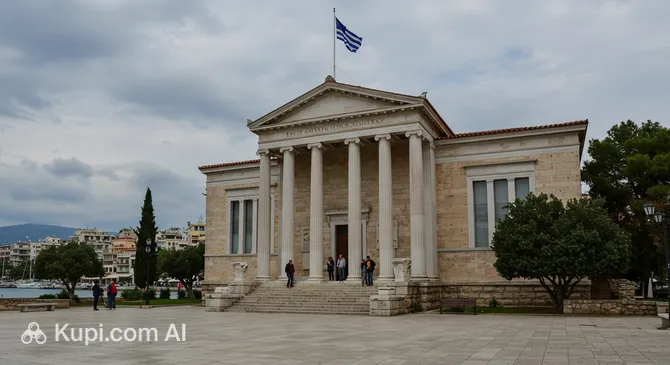
Kavala Archaeological Museum
Kavala Archaeological Museum. Иллюстрация. Источник: Kupi.com AI

Inside, the museum houses an impressive collection of artifacts spanning a colossal timeframe — from the mysterious Neolithic era to the grandeur of the Roman Empire. Here, you will find unique discoveries from the ancient poleis of Amphipolis and Philippi, including exquisite golden wreaths, marble stelae, and delicately crafted figurines. Special attention should be given to the architectural fragments from the sanctuary of Athena Parthenos, which tell the story of the former prosperity of ancient Neapolis.

The museum underwent a major renovation at the turn of the millennium, and today it is a modern and comfortable space. Walking through its light-filled halls, guests can trace how the region's character changed over the centuries, evolving from the settlements of the first farmers into the powerful centers of Greek and Roman civilizations.

Contacts

To clarify current information about special exhibitions or group visits, you can contact the museum administration directly. The museum is located in a convenient part of the city, making it easily accessible for most tourists.

How to contactContact
AddressErithrou Stavrou 17, Kavala 653 02, Greece
Phone+30 251 022 2335
Websitewww.efakav.gr

What to Do

A visit to the museum is a fascinating journey through time. You can begin your tour in the halls dedicated to the Neolithic era, featuring clay items from the Dikili Tash site, and then move on to contemplate the luxury of the Hellenistic period. Look for the golden olive wreath and the delicate jewelry found in Macedonian tombs — the level of craftsmanship of ancient jewelers is truly staggering.

For the convenience of international visitors, English-language brochures are often available at the ticket desk. This is a great opportunity to learn more about the context of each find without needing a guide. Don't forget to check out the section dedicated to the development of Kavala itself, which features Roman milestones that once stood on the famous Via Egnatia.

The museum is very visitor-friendly: photography is permitted (without flash), and the building's location allows you to head straight for a walk along the waterfront after your tour. Thanks to its peaceful atmosphere and interesting exhibits, such as terracotta figurines and painted vases, the visit will be educational even for families with children.

Getting There

Finding the Archaeological Museum of Kavala is easy — it is located at Erithrou Stavrou 17, in the heart of the city. The building is right on the harbor front, so the sea promenade can serve as your landmark. If you are already walking around the center, the museum is just a few minutes away on foot.

For those arriving from other regions, the route usually goes through Thessaloniki. From there, Kavala can be reached by rental car or KTEL intercity bus in about two hours. Additionally, the "Alexander the Great" Airport is located near the city, serving domestic and international flights.

Within the city itself, it is convenient to use local buses or taxis, though a walk from the main port or the Aqueduct is much more enjoyable. The museum is in close proximity to major tourist routes and parking areas.

Ближайший город: Kavala

History & Facts

The history of the museum's collection began during a difficult time — in 1934. The initiative to create the first exhibition came from the curator of antiquities, G. Bakalakis. Initially, these valuable finds were kept in rather modest conditions — in the basement of the local courthouse — and a year later, the collection moved to the neoclassical Faliro building.

A modern chapter in the museum's life began in 1964, when a purpose-built facility was constructed according to the design of architects D. Fatouros and G. Triantafyllidis. The building itself is an interesting example of modernist architecture from that period. In 1999–2000, a large-scale reconstruction was carried out, which significantly expanded the exhibition halls and introduced modern preservation technologies.

The museum's exhibition serves as an important historical record of the region's development from the Neolithic era to the decline of the Roman Empire. Of particular value are the finds from ancient Neapolis (Kavala's ancient name) and the sanctuary of Athena Parthenos, which highlight the strategic and cultural importance of this port throughout the millennia.

Time Needed

Travelers typically need between 1 and 2 hours to carefully view the main exhibition. This is enough time to appreciate the major masterpieces, such as the gold jewelry from Macedonian tombs and ancient statues.

If you prefer to study every information plaque in detail and use guidebooks, we recommend setting aside about 2.5 hours. The museum is quite compact, so a visit won't be tiring even for those planning a busy sightseeing day.

Working Hours

When planning your visit, keep in mind that the museum is closed on Tuesdays. On other days, the doors are open to visitors in the morning, which is typical for many state museums in the country.

Opening Hours:

  • Monday: 08:30 – 15:30
  • Tuesday: Closed
  • Wednesday – Sunday: 08:30 – 15:30
The entrance fee is approximately 4 euros, but there are free admission days, for example, every Sunday from November to March.

DayWorking hours
Понедельник8:30 – 15:30
ВторникЗакрыто
Среда8:30 – 15:30
Четверг8:30 – 15:30
Пятница8:30 – 15:30
Суббота8:30 – 15:30
Воскресенье8:30 – 15:30

Nearby

The museum's central location allows tourists to easily combine a dive into ancient history with a visit to other iconic sites. A walk from the waterfront to the historical quarters will reveal the multi-layered architecture of Kavala.

Nearby, you will find both quiet parks for relaxation and grand fortifications that protected the city from land and sea for centuries. Below are some interesting sites located nearby:

NameDistance
Faliro Park0.1 km
Luna Park0.2 km
Kavala Tobacco Museum0.4 km
Rapsani Beach0.5 km
Kavala Tobacco Warehouse Shopping Complex0.6 km
Capsula0.8 km
Savvas Gyros0.8 km

Reached the end of the page?

That means the route is fully explored