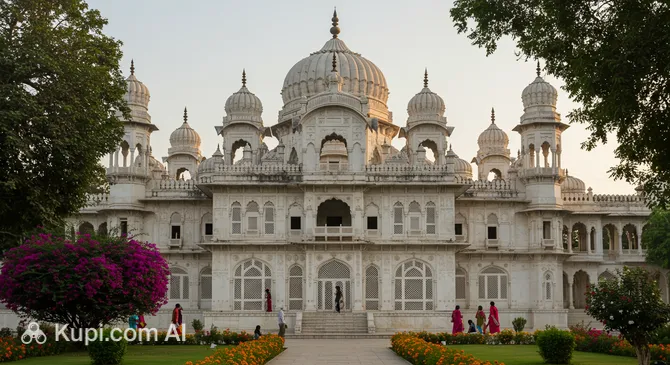
Safed Baradari, which translates from Urdu as "White Pavilion," is a prominent historic monument located in the heart of the city of Lucknow, in the state of Uttar Pradesh, India. This magnificent structure is a striking example of Nawab-era architecture and serves as an important cultural symbol of the city. Safed Baradari is particularly notable for its elegant white marble facade, which gives it a special solemnity and purity, making it an iconic historical site.
Traveller photos:
Originally, Safed Baradari was erected as a mourning palace, or Imambara, for Nawab Wajid Ali Shah, the last ruler of Awadh. It was intended for mourning the loss of his beloved wife, Begum Hazrat Mahal. The name "Baradari" itself translates to "twelve doors," which accurately reflects the building's unique design: twelve entrances provide plenty of natural light and excellent ventilation for the interior spaces.
Today, Safed Baradari attracts visitors not only for its rich history but also for its exquisite architecture. A walk through its halls and galleries allows you to touch the past of Lucknow and appreciate the skill of the architects of that time. This "White Pavilion" remains one of the city's most recognizable and revered monuments, a must-visit for anyone interested in the culture and history of India.