Support

Tulsi Ghat

About

Tulsi Ghat is one of the significant historical ghats located on the banks of the sacred Ganges River in the city of Varanasi, India. This ghat holds special cultural and religious importance as it commemorates the great poet-saint Tulsidas. It is believed that Tulsidas spent a significant part of his life here and worked on the translation of the epic poem "Ramayana" from Sanskrit into Hindi, making this great work accessible to the general public.
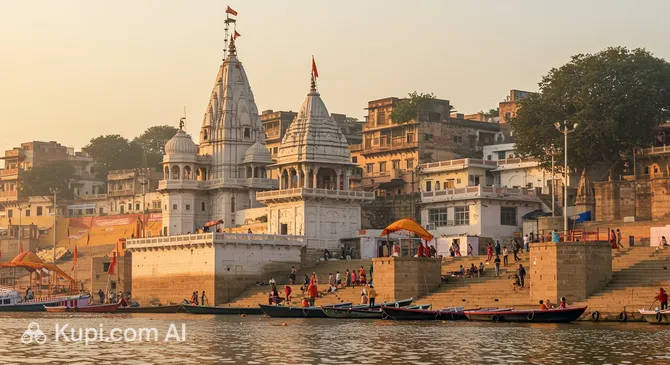
Tulsi Ghat. Illustration.
Source: Kupi.com AI

Traveler photos:

As part of the unique architectural ensemble of Varanasi's riverfront ghats, Tulsi Ghat consists of wide stone steps that gracefully descend to the waters of the Ganges. These steps are not just an engineering structure but an integral part of the city's spiritual and cultural landscape, shaping its unique appearance. This place literally breathes history and spirituality.

Today, Tulsi Ghat continues to play an important role in the city's life. It serves as a site for various religious rituals, ablutions in the sacred waters of the Ganges, meditation, and the everyday activities of local residents. Visiting this ghat allows you to touch ancient traditions and feel the special atmosphere of spirituality that permeates Varanasi, whether by observing ceremonies or simply enjoying the view of the river.

Contacts

Tulsi Ghat is one of the iconic public spaces in Varanasi, located along the banks of the sacred Ganges River. Since it is an open space, no specific contact information typically exists.

For the most up-to-date information regarding ceremony times or other events that may take place at the ghat, it is best to consult local guides or tourist information centers directly in Varanasi. Tulsi Ghat can be reached on foot, by rickshaw, or by taxi, and it is a well-known landmark in the city.

How to contactContact
AddressB 2/40 , Tulsi ghat, Assi Rd, Ghats of Varanasi, Shivala, Varanasi, Uttar Pradesh 221001, India

What to Do

At Tulsi Ghat, visitors can fully immerse themselves in the authentic atmosphere of spiritual life in Varanasi. This is a place where you can observe traditional ritual ablutions in the sacred waters of the Ganges, performed by both locals and numerous pilgrims. The ghat is particularly attractive at sunrise, when the first rays of the sun illuminate the river, creating perfect conditions for contemplation and meditation.

Tulsi Ghat also serves as a wonderful viewpoint for photographers, offering picturesque views of the Ganges River and the Varanasi cityscape. To see all the famous ghats from the water and appreciate their grandeur from a different perspective, visitors often take boat trips along the Ganges. This is a great opportunity to take unique photos and gain new impressions of the city.

For lovers of Indian literature and history, Tulsi Ghat holds special significance. According to tradition, it was here that the great medieval poet Tulsidas composed part of his famous epic, the "Ramcharitmanas." Visiting this site provides a unique opportunity to touch a rich cultural heritage and learn more about the life and work of this prominent figure.

Getting There

There are several ways to reach Tulsi Ghat, located on the sacred banks of the Ganges in Varanasi, each offering its own unique experience. One of the most common options is to use an auto-rickshaw or taxi from the city center. Transport will take you to the nearest point from which you will need to walk to the ghat. The narrow streets leading to most ghats are often inaccessible to vehicle traffic, which adds an authentic touch to your walk.

Another popular and scenic way to see Tulsi Ghat is to take a boat trip along the Ganges River. This will not only allow you to reach your destination but also to enjoy panoramic views of other famous ghats in Varanasi. A boat can be rented at one of the main ghats, such as Dashashwamedh Ghat or Assi Ghat. Such a trip, especially at sunrise or sunset, leaves an unforgettable impression.

For those who want to dive deeper into the history and culture of the site, hiring a local guide is recommended. An experienced guide will not only show you the way to Tulsi Ghat but also lead you through other significant ghats, sharing their unique stories and spiritual significance. This will enrich your journey and help you better understand the sacred atmosphere of Varanasi.

Nearest city: Varanasi

History & Facts

Tulsi Ghat in Varanasi is more than just steps leading to the sacred Ganges River; it is a place with a rich history and deep cultural significance. The ghat owes its name to the great 16th-century poet-saint Tulsidas, the author of the epic poem "Ramcharitmanas" — a retelling of the "Ramayana" in the Hindi dialect (Awadhi) accessible to the common people. Legend has it that it was here, on this ghat, that Tulsidas spent much of his time working on his magnum opus, forever etching this place into the annals of Indian literature and spirituality.

Originally believed to have been built in the 17th century, Tulsi Ghat has undergone significant changes and improvements. An important milestone in its history was the reconstruction in 1941, funded by the well-known philanthropist Baldeo Das Birla. This renovation helped preserve and strengthen the ghat's structure, making it more accessible and convenient for pilgrims and visitors. Thus, the ghat stands as a witness to the city's centuries-old history, reflecting changing eras and architectural styles.

Tulsi Ghat is also part of the grand ensemble of Varanasi's riverfront ghats, which took its active shape at the turn of the 19th and 20th centuries. During this period, many rulers and noble families from all over India, including representatives of Maratha dynasties, Maharajas, and Rajas, invested in the construction, reconstruction, and maintenance of these sacred descents to the water. This transformed the Ganges embankment into a unique architectural and cultural complex where each ghat has its own distinct story and atmosphere.

A visit to Tulsi Ghat allows you not only to touch the sacred waters of the Ganges but also to feel the spirit of India's centuries-old history and literary heritage. This place attracts both believers and culture enthusiasts seeking inspiration in the silence of ancient stones and the whisper of the sacred river's waves.

Time Needed

When planning a visit to Tulsi Ghat in Varanasi, you should aim for 1-2 hours. This time is usually enough to take a leisurely stroll along the ghat, observe daily life and rituals, take commemorative photos, and perhaps take a short boat trip on the sacred Ganges River to see the ghat from the water.

During this time, you will be able to feel the special atmosphere of this place, associated with the name of the great poet Tulsidas. You can simply sit on the steps, absorbing the energy of the ghat and watching the pilgrims and locals.

If you want to dive deeper into the atmosphere of this and neighboring ghats, observe various ceremonies that may take place at different times, or simply spend more time in meditative contemplation, it is better to set aside half a day for the visit. This will allow you to explore the surroundings without haste and fully enjoy the unique experience of being on the banks of the Ganges.

Working Hours

Tulsi Ghat in Varanasi, like most ghats on the banks of the Ganges, is accessible to visitors 24/7. There are no strict opening hours, and you can come here at any time of the day or night. This allows visitors to choose the most convenient moment to experience this iconic location.

Despite being open around the clock, the most impressive times for a visit are considered to be early morning at sunrise or evening at sunset. During these hours, you can witness traditional Hindu rituals and ceremonies, as well as enjoy particularly scenic views of the sacred Ganges River. No special booking is usually required to visit the ghat, as it is an open public space. The ghat is open to visitors year-round.

Open 24 hours

Nearby

Visiting an iconic landmark like Tulsi Ghat is just the beginning of your journey through Varanasi. To truly immerse yourself in the atmosphere of this amazing city and discover its many facets, it is worth taking the time to explore the surroundings. Often, it is in the nearby alleys, temples, or adjacent ghats that no less interesting places are hidden, which will help provide a more complete picture and enrich your impressions.

Strolling around the area of Tulsi Ghat will allow you to see the everyday life of the city, discover hidden gems, and perhaps find something completely unexpected. This is a great opportunity to expand your itinerary and make your trip even more fulfilling and memorable. Below is a list of some interesting places located nearby.

NameDistance
Chet Singh Ghat0.5 km
Tulsi Manas Temple0.7 km
Captain Nova Bar & Lounge0.8 km
Kedar Ghat1 km
Darbhanga Ghat1.7 km
Man Singh Observatory2 km
Kashi Vishwanath Temple2.3 km

Have you reached the end of the page?

So the route has been studied inside and out