Support

Shree Annapurna Temple

About

The Shri Annapurna Temple, also known as Annapurna Bhavani Mandir, is a revered Hindu sanctuary located in the ancient city of Varanasi, India. This temple is dedicated to Goddess Annapurna, who in Hindu tradition is an incarnation of Shakti (divine feminine energy) and is worshipped as the goddess of food, abundance, and nourishment. For believers and pilgrims, the temple holds immense significance, symbolizing an inexhaustible source of well-being and life force.
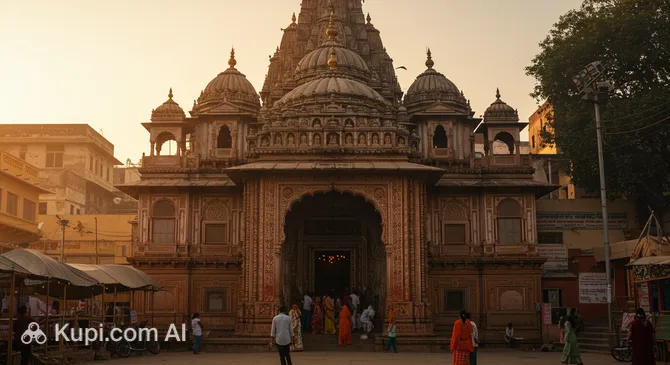
Shree Annapurna Temple. Illustration.
Source: Kupi.com AI

Traveler photos:

The Shri Annapurna Temple holds an important place among the many shrines of Varanasi and is one of the key centers of Shaktism worship in North India. It is believed that visiting this temple and praying to Goddess Annapurna brings good luck, ensures prosperity, and protects from hunger. It becomes especially crowded during Hindu festivals when believers from all over the country come to receive the goddess's blessing.

Architecturally, the temple is a classic example of Hindu temple building characteristic of this region, adorned with traditional elements and carvings. Inside the temple complex lies the main shrine, where an image of Goddess Annapurna is installed. She is symbolically depicted holding a pot of food, emphasizing her role as the universal nurturer and protector. The atmosphere in the temple is filled with devotion and peace, attracting both pilgrims and tourists interested in Indian culture and spirituality.

Contacts

To check for the most up-to-date information regarding opening hours, available tours, or to get in touch with representatives of the Shri Annapurna Temple, we recommend consulting the official tourism resources of Varanasi or checking the information boards at the temple itself. Current contact details can often be found on the attraction's official websites or in local directories.

How to contactContact
AddressD 9, Annapurna Math Mandir, 1, Vishwanath Galli, Godowlia, Varanasi, Uttar Pradesh 221001, India
Phone number+91 93365 86692

What to Do

At the Shri Annapurna Temple in Varanasi, visitors can immerse themselves in the atmosphere of Hindu traditions and spiritual practices. The primary activity for pilgrims and tourists is participating in worship rituals known as puja, dedicated to Goddess Annapurna. She is worshipped as the goddess of food and abundance, and believers turn to her with prayers for prosperity and well-being. An essential part of visiting the temple is receiving prasad—consecrated food distributed to all present. This ritual symbolizes the goddess's maternal care for all living beings and is considered her blessing.

Beyond participating in religious ceremonies, guests can closely examine the temple's architecture and interior decor. The temple is adorned with traditional elements reflecting the rich culture of India. Here, you can feel the special atmosphere of peace and spirituality that prevails in the holy sites of Varanasi. Observing the rituals, interacting with believers, and simply being in this sacred space leaves a profound impression.

Of particular interest are the special ceremonies held at the temple on certain days of the year. In an auxiliary shrine that is opened to the public for only three days a year, unique rituals take place, attracting many pilgrims and curious tourists. This is a rare opportunity to witness ancient traditions and gain a deeper understanding of the spiritual significance of the Shri Annapurna Temple.

Getting There

The Shri Annapurna Temple is located in the heart of old Varanasi, making it easily accessible for pilgrims and tourists. It is situated in close proximity to famous shrines such as the Kashi Vishwanath Temple and Manikarnika Ghat. Given the narrow streets of the old city, the most convenient ways to reach the temple are on foot or by rickshaw. This will not only allow you to reach your destination quickly but also immerse yourself in the unique atmosphere of the ancient city.

If you are in Varanasi, you can use local taxis, auto-rickshaws, or cycle rickshaws to reach the nearest drop-off point. From there, you will only need to walk a few hundred meters. This short walk can be an experience in itself as you pass by numerous shops and colorful buildings.

For travelers arriving in Varanasi from other cities in India, the best option is to first reach the city by train or plane. Upon arrival in Varanasi, you can use city transport—taxis or rickshaws—to reach the area where the Shri Annapurna Temple is located, and then continue on foot as described above.

Nearest city: Varanasi

History & Facts

The Shri Annapurna Temple in Varanasi is an important pilgrimage site and a striking example of Hindu temple architecture. Its history dates back to the 18th century; the current building was erected in 1725 through the efforts and funding of the powerful Peshwa Baji Rao I. This construction followed the destruction of earlier temple structures, which was not uncommon during the historical shifts in the region.

Goddess Annapurna, to whom the temple is dedicated, is revered as the divine consort of Shiva and the patroness of the sacred city of Varanasi. She is considered the goddess of food and abundance, and her worship holds deep significance for believers. The Shri Annapurna Temple is recognized as one of the most important centers of Shaktism—a tradition in Hinduism where Shakti, the divine feminine energy, is worshipped as the ultimate reality—in northern India.

The history of Varanasi is inextricably linked with this temple. Its construction coincided with a period of active restoration of the city's main shrines. During this time, Hindu rulers and generous patrons sought to revive religious life and cultural heritage following previous periods of destruction. Thus, the Annapurna Temple became not just a place of worship, but also a significant symbol of the spiritual and material rebirth of Varanasi in the 18th century, embodying hope for prosperity and well-being.

Time Needed

When planning a visit to the Shri Annapurna Temple in Varanasi, consider how much time you wish to dedicate to this site. On average, 30 minutes to 1.5 hours is sufficient for most visitors to experience the temple and its atmosphere. This provides enough time to view the main shrine, observe the surroundings, and take a few photos.

If you have a deep interest in Hindu rituals, history, and the architecture of India's temple complexes, you may want to stay longer. In this case, your visit could last up to an hour and a half, especially if you decide to interact with locals or participate in any ceremonies, if possible. It all depends on your individual pace and depth of cultural immersion.

Working Hours

The Shri Annapurna Temple in Varanasi is generally open to visitors daily from early morning until late evening. However, exact opening hours may vary depending on the season, as well as during religious holidays and ceremonies. It is recommended to plan your visit during daylight hours to fully enjoy the atmosphere of this sacred place.

Advance ticket booking is usually not required to visit the temple. Nevertheless, for the most current information on opening hours and potential schedule changes, especially during major festivals, it is best to consult the temple's official website or check locally with residents or at tourist information centers in Varanasi.

4:00 – 23:00

Nearby

Visiting the Shri Annapurna Temple in Varanasi is undoubtedly a vibrant event, but exploring its surroundings can significantly enrich your experience. The area around the temple is filled with other iconic landmarks, each holding its own history and atmosphere, allowing you to dive deeper into the spiritual and cultural life of this ancient city.

Exploring nearby attractions will give you a more complete picture of Varanasi and its multifaceted heritage. By taking the time to stroll through the neighborhood, you can discover hidden gems and form a more holistic view of this amazing corner of India.

NameDistance
Kashi Vishwanath Temple0.1 km
Neelu Kachori Bhandar0.3 km
Nepali Temple0.3 km
Man Singh Observatory0.3 km
Darbhanga Ghat0.6 km
Panchganga Ghat1 km
Kashi Dham Museum1.1 km

Have you reached the end of the page?

So the route has been studied inside and out