Support

Ramnagar Fort

About

Ramnagar Fort is a majestic fortress and an impressive architectural complex located on the eastern bank of the sacred Ganges River, opposite the city of Varanasi. Built in 1750 from red sandstone, this iconic India landmark served for a long time as the residence of the Maharajas of Benares (Kashi Naresh) and retains its grandeur and historic atmosphere to this day.
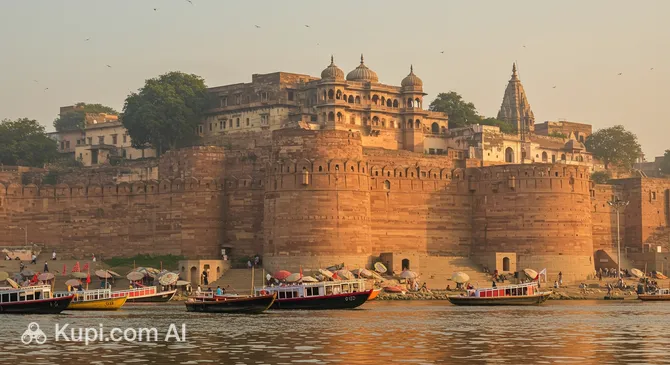
Ramnagar Fort. Illustration.
Source: Kupi.com AI

Traveler photos:

The architectural style of the fort is a unique blend of Indian and Mughal traditions. Inside the complex, visitors can explore spacious courtyards, admire carved balconies, and see former audience halls. It also houses temples and a museum displaying historical artifacts, ranging from vintage weapons and palanquins to rare manuscripts that tell the story of the lives and customs of the region's rulers.

Ramnagar Fort is especially famous for its stunning views of the Ganges, which become truly magical at sunset. Walking through its grounds is not just about visiting a historical monument, but an opportunity to connect with the rich culture of Varanasi and experience the tranquility of this unique location, away from the city's hustle and bustle.

Contacts

As Ramnagar Fort is both a private residence and a historical site, it is recommended to check with local tourist offices in Varanasi for the latest information on opening hours and accessible areas. Located on the opposite bank of the Ganges from the city, the fort can be reached by boat from the ghats or by taxi and auto-rickshaw via a pontoon bridge (availability depends on the season). The museum within the fort is generally open from 10:00 AM to 5:00 PM.

How to contactContact
AddressVaranasi Rd, Ram nagar, Ramnagar, Uttar Pradesh 221008, India
Phone number+91 79059 66905

What to Do

A visit to Ramnagar Fort offers guests a unique opportunity to immerse themselves in the region's history and culture. The main highlight is the Saraswati Bhawan Museum, which houses an eclectic collection of artifacts once belonging to the Maharajas. Here, you can see vintage American cars, ornate palanquins, and an impressive arsenal of weapons and armor. Of particular note is a unique 19th-century astronomical clock that shows not only the time but also astrological data. In addition to the museum, the complex features the Durbar (hall for official receptions) and the ancient Vyasa Temple, which is highly revered by locals.

One of the most vibrant events associated with the fort is the annual Ramlila festival, held in the autumn. During this time, the fortress grounds become the setting for large-scale theatrical performances re-enacting scenes from the ancient Indian epic, the Ramayana. This colorful and spectacular event draws thousands of pilgrims and tourists and is one of the most significant cultural traditions in Varanasi. Furthermore, the fort's high walls and balconies offer picturesque panoramic views of the Ganges River and the city—especially breathtaking at sunset—making it an ideal spot for quiet walks and photography.

Getting There

Ramnagar Fort is located on the opposite bank of the sacred Ganges River from Varanasi, approximately 14 kilometers from the bustling city center. This historical landmark can be reached by both land and water, each offering its own unique advantages. Your choice will depend on your preferences, budget, and the time of year.

The most convenient and quickest way to reach the fort is by taxi, rental car, or auto-rickshaw. The route crosses a pontoon bridge that connects the city to Ramnagar village. A rickshaw ride is inexpensive and offers a great way to experience the local flavor. Local buses are also an option, though they may take considerably longer.

A boat trip to the fort is particularly popular with tourists. This crossing is more than just a transfer; it is a scenic river cruise offering breathtaking views of the Varanasi ghats and the fort itself, which rises majestically above the water. It is important to note that during the monsoon season, the pontoon bridge is often closed due to rising water levels in the Ganges, making a boat the only way to reach the fortress.

Nearest city: Varanasi

History & Facts

The history of Ramnagar Fort is inextricably linked with the rise of the Maharajas of Benares, known by the title Kashi Naresh. Construction began in 1750 by order of Raja Balwant Singh, the dynasty's founder. As the central power of the Mughal Empire waned, Balwant Singh seized the opportunity to assert his independence, though he formally continued to recognize the suzerainty of the Nawab of Awadh and the Mughal Emperor. Thus, from its inception, the fort became a symbol of new, local authority in the Varanasi region.

Since its construction, the fortress has served not just as a defensive structure, but as the primary residence of the rulers of Varanasi. It evolved into an important political and cultural hub where pivotal decisions were made and the dynasty's greatest treasures were kept. Within the fort's walls were the Maharajas' private quarters, as well as archives, armories, and treasuries containing relics accumulated over generations. It was the heart of the kingdom, securely protected from the outside world.

Even after Varanasi came under the control of the British East India Company in the late 18th century, Ramnagar Fort did not lose its significance. Although the political power of the Maharajas was limited, the fort maintained its status as a cultural center and a symbol of the region's historical heritage. It continued to house the Kashi Naresh dynasty and remained a venue for important ceremonies and festivals, upholding the cultural traditions of India throughout the centuries.

Time Needed

To fully experience Ramnagar Fort, it is recommended to set aside 2 to 3 hours. This is enough time to leisurely explore the main areas of the complex: stroll through the courtyards, examine the exhibits in the Saraswati Bhawan Museum, and visit the temples located on the grounds. Planning for this amount of time will allow you to soak in the atmosphere of the former Maharajas' residence without feeling rushed.

If your interests go beyond a standard tour, you may want to stay significantly longer. For instance, photography enthusiasts should stay until evening to capture stunning views of the Ganges and Varanasi bathed in the golden light of the setting sun. Additionally, if your visit coincides with the autumn Ramlila festival, be prepared to dedicate an entire evening to this colorful event, as the fort becomes the main stage for large-scale performances.

Working Hours

Ramnagar Fort is generally open to visitors daily, making it easy to include in your Varanasi itinerary. The standard operating hours for the museum within the fort are from 10:00 AM to 5:00 PM. This provides ample time for a leisurely look at the exhibits and a stroll through the public areas of the complex. While advance ticket booking is usually not required, it is worth noting that hours may change during major Indian festivals or national holidays in India.

To avoid any inconvenience, it is recommended to check for current information on travel portals or with local tourist offices before your visit. Although the attraction is open year-round, access can be seasonal; for example, during the monsoon, the pontoon bridge connecting the fort to the city may be closed, leaving a boat as the only way to reach the site.

10:00 – 17:00

Nearby

A visit to Ramnagar Fort is just the starting point for exploring the rich heritage of this part of India. To truly immerse yourself in the atmosphere of Varanasi and see more than just a single landmark, it is worth exploring the surrounding areas. Other points of interest are located near the fort, each revealing the multifaceted character of this ancient city in its own way.

Exploring nearby temples, ghats, and museums will provide a more complete picture of the region's cultural and spiritual life. Such a journey will enrich your trip with new impressions and discoveries, complementing the grandeur of the fort with vibrant glimpses of local life.

NameDistance
First Impression Lawn and Resort2.8 km
Bharat Kala Bhavan Museum2.9 km
Tulsi Ghat3 km
Tulsi Manas Temple3.2 km
Chet Singh Ghat3.3 km
Captain Nova Bar & Lounge3.7 km
Kedar Ghat3.8 km

Have you reached the end of the page?

So the route has been studied inside and out