Support

Man Singh Observatory

About

The Man Singh Observatory is a stunning historical site located in the ancient city of Varanasi, India. This astronomical observatory was built in the 18th century by order of Maharaja Sawai Jai Singh II, who was known for his passion for science, particularly astronomy. It serves as a brilliant example of the scientific heritage of that era and is one of the five famous observatories created by this ruler.
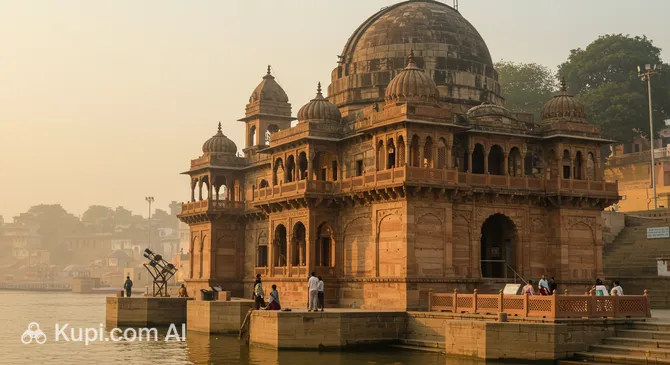
Man Singh Observatory. Illustration.
Source: Kupi.com AI

Traveler photos:

The primary goal of the observatory was the precise observation of celestial bodies, and the creation of astronomical tables and calendars. For this, massive open-air stone instruments were used, such as the giant sundial (Samrat Yantra), instruments for determining the position of stars and planets (Jai Prakash Yantra), and other unique structures. These instruments, impressive for their size and precision at the time, still fascinate visitors today.

Located on the roof of the Man Mahal Palace on the banks of the sacred Ganges River, the Man Singh Observatory blends seamlessly into the rich cultural and historical landscape of Varanasi. A visit here will be of interest not only to astronomy enthusiasts but to anyone curious about the history of science, architecture, and India's unique heritage. It's a chance to touch the past and imagine how people have sought to understand the mysteries of the universe through such impressive structures for centuries.

Contacts

For the most up-to-date information on visiting the Man Singh Observatory in Varanasi, including opening hours and contact details, we recommend checking official tourism resources or local information desks. This will help you plan your visit effectively and get all the necessary details beforehand.

How to contactContact
AddressObservatory, Man मंदिर ghat, Dashashwamedh Ghat Rd, Observatory, Man mandir, Godowlia, Varanasi, Uttar Pradesh 221001, India

What to Do

A visit to the Man Singh Observatory in Varanasi is a unique opportunity to connect with the history of astronomy. The main objects of study here are the impressive 18th-century astronomical instruments. Visitors can see these massive stone structures firsthand, including giant sextants, quadrants, and sundials. Their scale and precision clearly demonstrate the principles of astronomical measurement used in ancient India and bear witness to the high level of technical knowledge of that era.

While exploring the observatory, guests can not only admire the ancient instruments but also learn a great deal about their creator, Maharaja Jai Singh II, and his contribution to science. Tours often include fascinating stories about the significance of astronomy in 18th-century Indian culture. This allows for a deeper understanding of how celestial observations influenced the lives and worldviews of people at that time, helping visitors appreciate the scientific insight of the era.

Beyond studying the instruments themselves, visitors can immerse themselves in the atmosphere of this historical site. The observatory is situated within the context of Varanasi in a way that allows you to combine your visit with other significant landmarks. This is a wonderful opportunity to broaden your understanding not just of astronomical achievements, but also of the region's rich culture and history—for instance, by visiting the famous ghats on the banks of the Ganges or nearby ancient temples.

Getting There

You can reach the Man Singh Observatory in several ways, as it is located in Varanasi, one of the oldest and most significant cultural centers in India. If you plan to arrive by air, Varanasi is served by Lal Bahadur Shastri International Airport. From there, you can easily reach the city center and the observatory by taxi or auto-rickshaw—a popular mode of transport in India.

For those who prefer train travel, Varanasi offers excellent connections. The city is a major railway hub linked to most large cities in India. Upon arrival at Varanasi Railway Station, you can also hire a taxi or rickshaw to reach the Man Singh Observatory.

If you are already in the central part of Varanasi, the Man Singh Observatory is likely within walking distance. Alternatively, you can take a short and affordable ride on a cycle-rickshaw or auto-rickshaw. Given that Varanasi is known for its narrow and winding streets, especially in the old city, it's a good idea to check your route in advance or use a map to find this historical site easily.

Nearest city: Varanasi

History & Facts

The Man Singh Observatory in Varanasi is more than just an ancient structure; it is a true testament to the scientific genius of the past. It was built in the 18th century by order of Maharaja Sawai Jai Singh II. This ruler was not only a wise sovereign but also a passionate scientist deeply interested in astronomy and mathematics. It was his desire for precise knowledge of celestial bodies and their movements that led to the creation of this unique complex.

Notably, the Man Singh Observatory in Varanasi was not the only one of its kind. Maharaja Sawai Jai Singh II established a whole network of five similar observatories across India. Besides Varanasi, they were built in Jaipur, Mathura, New Delhi, and Ujjain. In their time, these structures were considered among the largest and most accurate astronomical complexes, allowing for observations with unprecedented precision.

Maharaja Sawai Jai Singh II is remembered to this day as an enlightened monarch who made an invaluable contribution to the development of his country's science and architecture. The astronomical instruments created under his leadership were remarkably accurate and continued to serve scientists for observations and calculations long after his passing. These observatories, including the one in Varanasi, have become an integral part of India's rich scientific heritage and a shining symbol of the 18th-century Enlightenment on Indian soil.

Time Needed

When planning a visit to the Man Singh Observatory in Varanasi, you should allow approximately 1-2 hours for a full tour. This is usually enough time to explore the unique astronomical instruments, which are the main pride of this historical site, without rushing. You will be able to examine each one closely, understand how they work, and imagine how observations were conducted centuries ago.

Within this timeframe, you will also have the opportunity to join a guided tour or use an audio guide, if available, to dive deeper into the observatory's history and learn interesting facts about its creator and its scientific importance at the time. Naturally, there will be time to take commemorative photos against the backdrop of the ancient structures and the picturesque views from the observatory grounds.

If you plan to combine your visit to the Man Singh Observatory with other numerous attractions in Varanasi, we recommend budgeting more time for the entire route to ensure your journey through India is comfortable and fulfilling.

Working Hours

The Man Singh Observatory in Varanasi is generally open to visitors daily throughout the year. Typically, the observatory doors open early in the morning and remain accessible until evening, allowing guests to view the exhibits in daylight, roughly from sunrise to sunset. This provides an excellent opportunity to study all the outdoor structures in detail.

Since exact opening hours can vary depending on the season or other factors, it is highly recommended to check the current schedule on the attraction's official website or at local tourist information centers just before your visit. Currently, there is no information regarding a strict requirement for advance ticket booking, but checking this detail is also wise, especially during peak tourist seasons, to avoid any potential inconvenience.

Nearby

Visiting the Man Singh Observatory in Varanasi is a fascinating experience in itself, but exploring the surrounding area can significantly enrich your trip. This ancient city is full of hidden gems and iconic sites located nearby, making it easy to combine your visit to the observatory with other cultural and historical attractions.

A walk through the nearby streets and ghats will reveal new facets of Varanasi, its unique atmosphere, and daily life. Every nearby attraction adds its own touch to the overall picture of this amazing city in India.

NameDistance
Darbhanga Ghat0.3 km
Shree Annapurna Temple0.3 km
Nepali Temple0.3 km
Kashi Vishwanath Temple0.4 km
Neelu Kachori Bhandar0.6 km
Kedar Ghat1 km
Panchganga Ghat1.1 km

Have you reached the end of the page?

So the route has been studied inside and out