Support

The Residency

About

The Residency in Lucknow is not just ruins, but an important historical complex located in the heart of the city in India. Once an administrative center and residential quarters for British representatives, today this place preserves the memory of dramatic past events. The complex was intentionally not restored and was preserved exactly as it remained after the siege of 1857, making it a unique witness to history.
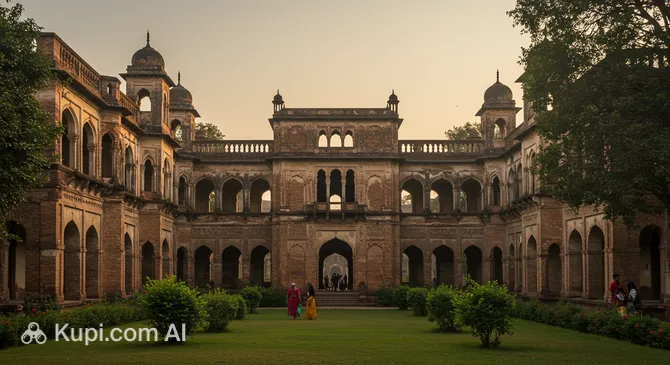
The Residency. Illustration.
Source: Kupi.com AI

Traveller photos:

Walking through the vast grounds, you will see the impressive ruins of several buildings surrounded by well-kept gardens and lawns. The walls of the former residency are still pockmarked with bullet and cannonball holes, silently telling the story of the siege and immersing you in the atmosphere of that time. This complex includes the remains of a banquet hall, a treasury, residential houses, and a church with a cemetery where about 2,000 British people who died during the uprising are buried.

Today, the Residency functions as an open-air museum and memorial, attracting both tourists and locals. It is the perfect place for those who want not just to see a landmark, but to touch an important page in the history of Lucknow and all of India, feeling the spirit of a bygone era. In the evenings, a light and sound show is also held here, recreating the events of 1857.

Contacts

To plan your visit to the Residency complex, it is recommended to check the current opening hours and ticket prices in advance. This information can be found on official tourism portals or by contacting them directly. The complex is managed by the Archaeological Survey of India.

How to contactContact
AddressVW6G+7P3, Mahatma Gandhi Marg, Deep Manak Nagar, Kaiser Bagh, Lucknow, Uttar Pradesh 226001, India
Phone+91 522 274 5904

What to Do

A visit to the Residency in Lucknow is a true immersion into history. The main activity for tourists is a leisurely walk through the vast complex, where you can explore the picturesque ruins of buildings preserved from the time of the 1857 siege. The walls attract special attention, as they still bear the marks of bullets and cannonballs — serving as a silent reminder of the dramatic events. Memorial plaques and monuments dedicated to the defenders of the British garrison are also placed on the grounds, adding depth and meaning to the walk.

For a more detailed introduction to the history, there is a historical museum located in the main building of the complex. Its halls feature exhibits telling the story of the Sepoy Mutiny, as well as artifacts, documents, and engravings from that time. Among the exhibits, you can see a historical model of the residency, which helps you visualize what the complex looked like before the siege, and portraits of key figures from those events. It is a great place to better understand the significance of the Residency for the history of India.

In addition to the ruins and the museum, there is a memorial garden on the complex grounds and an old cemetery where many of those who died during the siege are buried. These quiet corners create a special, peaceful atmosphere in the middle of a noisy city and invite reflection. A visit to the Residency will be particularly interesting for history and colonial architecture buffs who want to do more than just see a sight, but to feel the spirit of a bygone era.

Getting There

Getting to the Residency in Lucknow is quite simple, as the complex is located in the central part of the city, near the Gomti River and other popular tourist attractions. The most convenient and fastest ways to travel for tourists are by taxi or auto-rickshaw. A ride in them will allow you to comfortably reach the entrance of the complex, avoiding navigation difficulties in an unfamiliar city.

For those arriving in the city by train or bus, the trip from major transport hubs, such as the railway station or bus station, will take very little time. On average, the journey to the Residency from there takes about 15–20 minutes, depending on traffic conditions. You can also use public transport, although this option might be less predictable in terms of time and comfort for tourists unfamiliar with local routes.

If you prefer to explore the city on your own, finding the Residency is easy. The complex is well-marked on most Lucknow tourist maps, and using a GPS navigator on your smartphone will make the route even simpler. Thanks to its central location, the path to the landmark will pass through colorful city streets, which in itself can be part of an exciting journey.

Nearest city: Lucknow

History & Facts

The history of the Residency in Lucknow dates back to the late 18th century. The complex was built as the official residence for the British representative at the court of the Nawab of Awadh — the ruler of this region of India. Initially, it was a place for diplomatic receptions and administrative work, symbolizing growing British influence in this part of the country.

The key and most tragic event in the history of the Residency was the Siege of Lucknow during the First War of Indian Independence in 1857. About 3,000 British citizens and their allies, including women and children, were trapped inside the complex. The defense lasted for 147 days, and during all this time, the Residency was subjected to continuous and intense artillery shelling, resulting in immense destruction and loss of life.

After the siege was lifted, an unusual decision was made — not to restore the ruined complex. Instead, the ruins were preserved as a memorial to the tragic events of 1857. Walls with bullet and cannonball holes became silent witnesses to history. Today, the Residency is one of the city's most important historical monuments and holds the status of a site of national importance, attracting everyone interested in Lucknow's rich and complex past.

Time Needed

When planning a visit to the Residency, it is important to allocate your time correctly to fully enjoy this historic site. For a complete and leisurely exploration of the entire complex, including the ruins, gardens, and the museum located on the grounds, it is recommended to set aside 1.5 to 3 hours. This will be enough time to walk around the entire area without rushing, carefully examine the details of the ruined buildings, and see the museum's exhibits.

If you are short on time, a quick look at the main ruins and the central part of the complex will take about one hour. However, to truly feel the atmosphere of the place, study the historical artifacts in the museum, and visit more distant corners like the old cemetery, it is better to aim for two to three hours. This approach will allow you not only to see the main sights but also to immerse yourself deeper into the dramatic events that the Residency witnessed.

Working Hours

The historical Residency complex in Lucknow is open to visitors year-round, making it easy to include in your itinerary. Officially, the complex is open to guests daily from sunrise to sunset. However, in practice, opening hours may be more specific, for example, from 7:00 AM to 6:00 PM, so it is better to use this time frame. Entry to the grounds is paid; the ticket price for foreign tourists is about 100 Indian rupees, though the price may change, so it is worth keeping that in mind.

Advance booking of tickets for individual visits is generally not required. Nevertheless, it is strongly recommended to check current information on opening hours and entry costs on official tourism portals or the Archaeological Survey of India websites immediately before your visit. This is especially important as schedules can change due to public holidays or other events, and some sources indicate possible closing days on certain dates.

7:00 – 18:00

Nearby

A visit to the Residency is just the beginning of your journey into the rich history of Lucknow. To truly feel the atmosphere of the city, it is worth exploring other iconic places located nearby. A walk through the surrounding area will allow you to get a more complete picture of the cultural and architectural heritage of the capital of the Nawabs.

Many key attractions are within walking distance or a short drive from the Residency. This is a wonderful opportunity to continue your journey through time, discovering new pages of India's past. Below is a list of interesting places that are convenient to visit after exploring the main complex.

NameDistance
1857 Memorial Museum, Residency0.2 km
Safed Baradari1.1 km
Bara Imambara1.6 km
Rumi Darwaza1.9 km
Hussainabad Clock Tower2.4 km
Sikandar Bagh2.6 km
Chota Imambara2.7 km

Reached the bottom of the page?

Looks like you know this route inside out