Support

Ash Shatrah

About

Ash-Shatra is a peaceful and hospitable city located in the heart of the Dhi Qar Governorate in Iraq. Situated away from the busy tourist trails, it preserves the atmosphere of authentic provincial life in the country's southern region. The city stretches along the picturesque Gharraf Canal, which serves as its main water artery and largely defines the appearance and rhythm of life for the local residents.
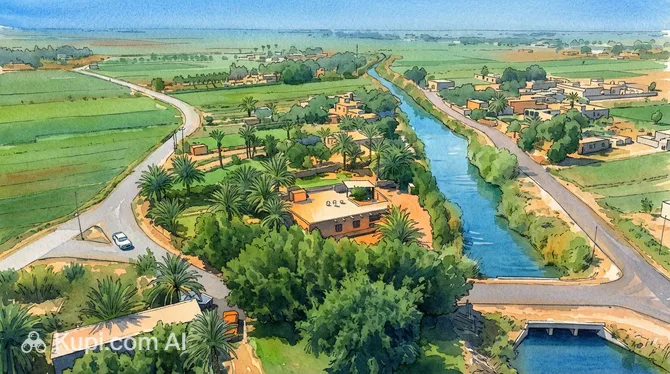
Ash Shatrah. Illustration.
Source: Kupi.com AI

Geographically, the city occupies an important position at the crossroads of transport routes, located approximately 40-50 kilometers north of Nasiriyah. With a population exceeding 250,000, Ash-Shatra is primarily a residential and administrative center. The climate here is typical of southern Iraq: hot, dry summers are followed by mild and pleasant winters, making walks along the shaded banks of the canal particularly comfortable during the cooler months of the year.

One of the city's unique features is its proximity to ancient civilizations: just 22 kilometers to the east lie the ruins of the legendary Sumerian city of Lagash. The rich history of this region leaves its mark on the local culture, even though the city today lives with present-day concerns—bustling markets, traditional tea houses, and the slow flow of the canal. Visiting this place is an excellent chance to see everyday Iraq without embellishment.

We invite you to take a look at Ash-Shatra to feel the spirit of the real southern Iraq, enjoy local hospitality, and touch the centuries-old traditions of the Dhi Qar region.

Weather Overview

The climate in Ash-Shatra is characterized as typical of the semi-desert regions of southern Iraq, where a hot and dry summer prevails. From May to October, temperatures often exceed +40°C, and in July and August, they can reach extremes of +47°C. During this period, there is practically no precipitation, and low humidity along with periodic dust storms make staying outdoors comfortable only in the early morning or late evening hours. You can check the current weather forecast for the city on a dedicated page.

Winter in the city, by contrast, is very mild and pleasant. In January and December, the average daytime temperature fluctuates around +15°C...+20°C, and at night it can drop to +8°C. Most of the annual precipitation falls during the winter months and November, although rain here is a rare and brief occurrence. The Gharraf Canal makes slight adjustments to the microclimate, creating a slightly more humid atmosphere in the coastal zone.

Expect an extremely hot summer with clear skies and a very mild, mostly dry winter with occasional cool evenings. The optimal time to visit Ash-Shatra is considered the period from November to March, when the weather is conducive to walking and exploring the surroundings without the exhausting heat.

Average monthly temperature

Average monthly precipitation

Interesting Facts

balance-results
  • Proximity to the Cradle of Civilization: The city is located just 22 kilometers from the ruins of ancient Lagash, one of the most significant city-states of the Sumerian civilization.

  • Water Artery: The life of the city is inextricably linked to the Gharraf Canal, which not only provides irrigation for fields in the Dhi Qar province but also serves as an important transport and recreational resource.

  • Historical Name: The city was previously known as Shatra al-Muntafiq, highlighting its close historical connection to the influential Muntafiq tribal confederation that dominated the region.

  • Demographic Growth: Despite its provincial status, the district is showing impressive growth rates; its population is expected to exceed 300,000 people by 2025.

  • Agricultural Hub: Thanks to the developed canal system, the area around Ash-Shatra is one of the key suppliers of grain crops and dates in southern Iraq.

How to Get There

The transport accessibility of Ash-Shatra is mainly provided by a network of roads connecting the city with key centers of southern Iraq. The main artery is Highway 7, which passes directly through the city and provides a convenient connection to Nasiriyah to the south. The distance to the administrative center of the governorate is about 50-60 kilometers, and the trip by car or minibus usually takes a little over an hour. To plan your route in advance, you can study the section on how to get to the city in more detail.

For those arriving from other regions or countries, the nearest major hubs are the airports in Baghdad and Basra. The journey from the Iraqi capital to Ash-Shatra is about 300 kilometers and takes from 4 to 6 hours, depending on road conditions and the time spent passing through checkpoints. Regular bus services and private taxis connect the city with the region's largest settlements, ensuring a steady flow of passengers.

AirportPassenger trafficDistance
Nasiriyah Airport50 km
Basra International Airport535 082171 km
Al-Najaf International Airport3.2 mln181 km
Abadan Airport620 000227 km
Dezful Airport100 000239 km

There is no direct rail service in the city itself, so buses and private transfers remain the primary modes of transport. Within the city, the most popular way to get around is by small buses and minibuses that run between the center and the outskirts. Travelers should keep in mind that during peak hours, congestion is possible at the intersection of Highway 7 and the central streets, so it is recommended to allow extra time for the journey.

Main Attractions

While Ash-Shatra is not a mainstream tourist center, the city offers guests a unique opportunity to see authentic Iraq. The main point of attraction within the city is the embankment of the Gharraf Canal. This is a place where you can observe the daily life of the townspeople, relax in the shade of trees, and enjoy the coolness provided by the water in this arid region. The canal serves not only as a source of life for agriculture but also as an important landmark for all walks.

Of particular interest to travelers is the city's central market. It is not just a place for shopping, but a real epicenter of local culture and social interaction. Here you can find the freshest fruits, traditional sweets, and products from local artisans. A walk through the narrow aisles of the market allows you to fully immerse yourself in the atmosphere of an oriental bazaar, filled with the aromas of spices and the sounds of lively trade.

For those interested in ancient history, Ash-Shatra serves as an ideal base for visiting the ruins of ancient Lagash. Located just 22 kilometers from the city, this archaeological site is one of the most important centers of ancient Sumer. Researchers and history buffs come here to see the remains of temples and palaces that were once the heart of one of humanity's first civilizations.

The architectural appearance of the city is complemented by administrative buildings and mosques in the center of the district, which feature a style characteristic of southern Iraq. Despite the simplicity of the buildings, these structures convey the spirit of a provincial town where traditions are closely interwoven with modern life. A visit to Ash-Shatra is worth planning for its calm atmosphere and the opportunity to see the life of the region from the inside.

Local Cuisine

The gastronomic scene of Ash-Shatra is a celebration of southern Iraqi flavors, where every dish is prepared with love and attention to tradition. The local diet is based on rice, fresh vegetables, lamb, and, of course, fish caught in local canals and rivers. The main culinary symbol of the region is Masgouf—fish (usually carp) grilled over an open fire with special spices. This dish has a unique smoky aroma and is served with crispy flatbreads and fresh herbs.

You should definitely try the traditional Iraqi Kebab and fragrant Dolma, which in this region is distinguished by its special combination of sweet and sour notes. In local eateries and markets, street food is popular, such as Sambusak—small pastries with meat or vegetable fillings. The overall character of the cuisine can be described as hearty and home-style; here they do not chase exquisite presentation, preferring the quality of the products and the richness of the flavor.

Tea culture occupies a special place in the life of the townspeople. In any tea house in Ash-Shatra, you will be offered strong, very sweet tea served in small glass cups called "armudas." This is an important ritual of communication, without which not a single day passes. The region is also famous for its magnificent dates, which are considered some of the best in the country and are often served as dessert or a light snack with coffee.

To experience the local cuisine, it is best to head to the central market or small local restaurants where the locals themselves eat. Here you will find the most hospitable service and can try real home-cooked food at very affordable prices. The atmosphere in such establishments is simple and friendly, allowing you to feel like a welcome guest in this unique corner of Iraq.

Travel Tips

A trip to Ash-Shatra will give you a unique experience of getting to know the authentic lifestyle of southern Iraq, and these practical tips will help make your visit comfortable and safe.

  1. Clothing and Dress Code: Choose modest clothing made from natural fabrics that covers shoulders and knees. For women, it is advisable to have a light headscarf for visiting religious sites. Be sure to bring sunglasses and comfortable closed shoes for walking on dusty streets.
  2. Transport within the city: The best way to get around is by private taxi. Always agree on the price in advance. Avoid traveling after dark to unlit outskirts; stick to central areas.
  3. Finances: The primary currency is the Iraqi dinar. Cards are rarely accepted, so always carry cash. It is better to exchange money in advance in large cities or at banks. Tipping is welcomed but remains at your discretion.
  4. Health: Drink only bottled water—water from the Gharraf Canal is not intended for drinking. Carry a basic first-aid kit and sunscreen. If necessary, pharmacies can be found in the city center.
  5. Communication: It is best to buy a SIM card from local operators (Zain or AsiaCell) upon arrival at the airport or at specialized communication points in the center. Wi-Fi in public places is rare; mobile internet will be more reliable.
  6. Local Etiquette: Iraqis are very hospitable. Greet people with your right hand, and be sure to remove your shoes when entering a house or mosque. Be prepared for numerous offers of tea—this is an important element of politeness.
  7. What to Avoid: Do not photograph military installations, checkpoints, or government buildings. Also, refrain from discussing political topics and show respect for local customs during prayers.
  8. Safety: Stick to Highway 7 and central areas where navigation is simpler. If you encounter difficulties, do not hesitate to ask local residents for help—they will be happy to show you the way.

Traveling to this region requires some preparation, but the genuine smiles of the local people and the relaxed atmosphere of Ash-Shatra will be a worthy reward for you. Have a pleasant journey!

Entertainment & Nightlife

Entertainment in Ash-Shatra is traditional and relaxed, reflecting the slow pace of life in southern Iraq. You won't find noisy nightclubs or modern cinemas here, as the leisure time of local residents is centered around socializing and family values. The main places for evening pastimes are the numerous tea houses located in the center and along the banks of the Gharraf Canal. Here, men gather over a cup of strong sweet tea, play dominoes, and discuss the latest news in a cozy and friendly atmosphere.

During the day, popular forms of relaxation include walking in small green areas by the water or visiting the central market, which transforms in the evening and becomes a meeting place. If you're looking for more dynamic leisure options, locals often head to neighboring Nasiriyah, where the selection of cafes and shopping areas is wider. However, in Ash-Shatra itself, it is worth appreciating this very authentic silence and the opportunity to feel like part of the local community.

For those seeking cultural experiences, local festivals and fairs that are periodically held in the city's central squares can be interesting. These events are usually associated with religious or seasonal holidays and allow you to see folk dances and hear traditional music. Nightlife in the classic sense is absent here, so after sunset, the city quickly sinks into tranquility, and residents prefer to spend time with their families.

Parks & Museums

In Ash-Shatra, there are currently no large museums or art galleries, as the city's cultural life is centered around its traditions and historical heritage, which is literally beneath your feet. However, for those looking for a relaxing break in the fresh air, the main natural area is the coastline of the Gharraf Canal. Along the water, there are small green plots where locals like to spend time in the shade of palm trees, enjoying the light breeze on hot days. It is an ideal place for leisurely observation of city life and shaded walks.

In the central part of the city and near administrative buildings, you can find small squares that serve as meeting and relaxation spots for the townspeople. Although there are few full-fledged park complexes with rides, these green oases play an important role in the lives of the 250,000 residents, creating cozy corners amidst the dense urban development. Landscaping in the district is gradually developing, and new trees are being planted along main roads to soften the region's dry climate.

For those who crave serious archaeological discoveries, the best "open-air museum" will be the nearby ruins of Lagash. Despite the absence of traditional halls with exhibits, a walk through the sites of ancient excavations allows you to fully feel the scale of this land's history. We recommend visiting these places accompanied by a local guide who can talk about the artifacts found in the area and the significance of Lagash to world history.

Getting Around

The public transport system in Ash-Shatra is traditional in nature and oriented towards the practical needs of the townspeople. The main means of getting around the city and between neighboring settlements are minibuses and small vans. They run along the main streets and Highway 7, connecting the center with the outskirts and neighboring Nasiriyah. There is usually no fixed schedule—transport departs as it fills up, which is typical for many cities in the region.

For more comfortable trips, tourists and locals most often choose taxis. There are no modern mobile apps for calling cars in the city, so taxis are usually hailed directly on the street or found at specialized stands in the center. It is customary to agree on the price of the trip with the driver in advance, before getting into the car. The cost of travel within the city is low and accessible to most travelers.

Getting around the central part of Ash-Shatra is quite possible on foot, as the main markets, administrative buildings, and tea houses are located fairly compactly. Bicycles are rare due to high dust levels and the heat during the summer months. When planning trips, it should be noted that congestion can occur at major intersections during peak hours, so it is better to choose morning or evening times for traveling longer distances.

Accommodation

The choice of accommodation directly in Ash-Shatra is limited, as the city is primarily oriented towards local residents and transit travelers. There are virtually no large hotel chains or luxury hotel complexes here. Tourists can most often find small private guest houses or apartments offered for short-term rent. Living conditions in these are usually basic, but they allow you to fully immerse yourself in the local environment and experience the hospitality of the Iraqi province.

Most available accommodation options are concentrated along Highway 7 and in the central part of the city, which is convenient for those traveling by car. If you are looking for a higher level of service or familiar hotel standards, it is recommended to consider staying in neighboring Nasiriyah, where the selection of hotels is significantly wider. There, you can find both budget hotels and mid-range options with air conditioning and internet access.

For those who still decide to stay in Ash-Shatra, we advise arranging a booking in advance by contacting the apartment owners directly, as local properties are rarely represented on global booking services. Accommodation prices here remain very affordable, making the city accessible to budget travelers. Don't forget to clarify the availability of necessary amenities, such as Wi-Fi and hot water, before checking in.

Nearby Cities

Thanks to its location at the intersection of important roads in the Dhi Qar Governorate, Ash-Shatra serves as a convenient starting point for exploring the surrounding cities and archaeological sites of southern Iraq. The region around the city is rich in history, and a short trip will allow you to see completely different facets of life in this country—from bustling metropolises to quiet provincial centers.

The most popular destination for a day trip is Nasiriyah, located just 40 kilometers to the south. It is a major cultural and commercial center where you can walk along the Euphrates embankment, visit local museums, and explore markets. Another interesting direction is the city of As-Samawa, known for its traditions and proximity to natural lakes and historical ruins. Those who prefer a quieter getaway should visit Qalat Sukkar, which will charm you with its provincial atmosphere.

CityPopulationDistance
Nasiriyah800 00040 km
Qalat Sukkar110 00051 km
Al Hayy82 90085 km
Samawah215 00086 km
Amarah511 500103 km

We strongly recommend not limiting yourself only to Ash-Shatra and taking the time to explore nearby settlements. Each such trip will reveal new landscapes of the Mesopotamian valley and allow for a deeper understanding of the culture and traditions of the peoples inhabiting southern Iraq.

Shopping & Souvenirs

Shopping in Ash-Shatra is primarily about exploring traditional oriental markets and local shops. You won't find huge shopping malls with glass windows here, but you can immerse yourself in the atmosphere of real "souks" (markets) that stretch along the Gharraf Canal and Highway 7. This is an ideal place for those looking for authentic goods and wanting to see the everyday commercial life of southern Iraq.

The main items to look out for are products from local artisans and agricultural produce. The Dhi Qar region is famous for its dates, and in the markets of Ash-Shatra, you will find many varieties of this treat—from soft and honey-like to dried ones. Also popular are traditional fabrics, handmade carpets with patterns characteristic of the south, and high-quality leather shoes made by local craftsmen.

The markets are open from early morning until late evening, with the busiest period being the morning hours. Payment is mostly made in cash in local currency (Iraqi dinars), so it is worth taking care of money exchange in advance. In small shops and at the bazaar, moderate interaction with the seller is common and even welcomed, which will help you not only make a good purchase but also learn more about the origin of the goods. Shopping here is an honest and simple experience, devoid of tourist gloss but full of sincerity.

Reached the end of the page?

That means the route is fully explored