Support

Civic Museum of Natural History of Trieste

About

The Trieste Civic Museum of Natural History (Museo Civico di Storia Naturale di Trieste) is one of the oldest and most significant institutions of its kind in Italy, located in the Friuli-Venezia Giulia region. Situated in the city of Trieste, the museum boasts an impressive collection of over two million exhibits. It features specimens from various fields: botany, zoology, mineralogy, geology, and paleontology, making it a true treasure trove of natural knowledge.
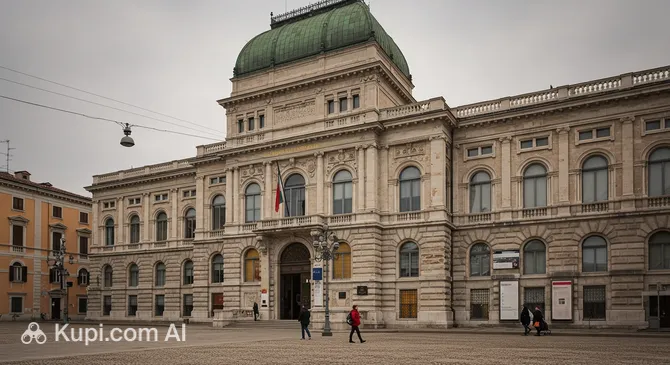
Civic Museum of Natural History of Trieste. Illustration.
Source: Kupi.com AI

Traveler photos:

Visitors can embark on a fascinating journey through the history of life on Earth, studying exhibits dedicated to the evolution of the natural world. Of particular interest are unique finds made directly within the region, which tell the story of its rich natural heritage. The museum's displays are carefully curated and will interest both specialists and curious tourists looking to better understand the world around them.

The museum's history dates back to the mid-19th century when the Zoological Cabinet was opened as its foundation. Today, the Trieste Civic Museum of Natural History is a modern cultural space active in education and outreach. It attracts visitors of all ages by offering interactive programs and educational activities that make science accessible and exciting for every guest.

Contacts

To find the latest contact information for the Trieste Civic Museum of Natural History, including the phone number, email address, and opening hours, we recommend visiting the museum's official website. You can also get more details at tourist information centers in Trieste or by contacting local inquiry services.

How to contactContact
AddressVia dei Tominz, 4, 34139 Trieste TS, Italy
Phone number+39 040 675 4603
Websitewww.museostorianaturaletrieste.it

What to Do

At the Trieste Civic Museum of Natural History, visitors can expect a fascinating journey into the world of nature and science. Here, you can see extensive collections, including taxidermy sharks, impressive dinosaur skeletons, and large mammals. Entomology enthusiasts will appreciate the vast insect collections, while geologists will enjoy the variety of minerals. Special attention is given to human evolution and the unique fauna of the Adriatic Sea, providing a deeper understanding of the region's natural heritage.

One of the highlights of the museum is the exhibition dedicated to the Karst dinosaurs, whose remains were discovered in the nearby Fisherman's Village. This find is of great scientific importance and attracts many visitors. The museum is not limited to static displays: it regularly hosts themed exhibitions, educational lectures, and scientific seminars to broaden guests' knowledge.

For young explorers, the museum provides special interactive zones and play areas. Children can do more than just look at the exhibits; they can actively participate in educational programs and scientific games, making a visit to the museum both fun and rewarding. Tours adapted for different ages help visitors better understand the collections and learn many new things about natural history.

Getting There

The Trieste Civic Museum of Natural History is conveniently located within the city of Trieste, making it easily accessible for visitors. No matter where you are staying, getting to the museum is quite straightforward.

One of the most convenient ways to reach the museum is by public transport. City buses run throughout Trieste, with routes passing near the Trieste Civic Museum of Natural History. Check the route numbers at the nearest stop or use online maps to find the best option.

If you prefer a more comfortable way to travel, taxis are always available. A ride from central Trieste to the museum is quick and convenient. For those traveling by their own or a rental car, you'll be glad to know there are parking spaces near the museum, allowing you to leave your vehicle without any hassle.

Additionally, if you are in central Trieste and enjoy walking, you can easily reach the Trieste Civic Museum of Natural History on foot. It’s a great opportunity not only to visit the museum but also to experience the city's architecture and atmosphere along the way.

Nearest city: Trieste

History & Facts

The Trieste Civic Museum of Natural History has a rich history dating back to the mid-19th century. Its journey began in 1846 when a Zoological Cabinet was established through private initiative. This was the first step toward creating a full-fledged scientific institution. By 1855, the museum officially opened based on this cabinet; since then, it has continuously added to its collections and expanded its scientific research, becoming an important center for studying the region's nature.

One of the most remarkable chapters in the museum's history was a significant paleontological discovery made in 1984. Near Trieste, in the village of Villaggio del Pescatore (Fisherman's Village), a dinosaur site was discovered. These finds were among the most important in Italy and drew global scientific attention. The dinosaur skeletons found here became a true sensation and the museum's pride.

Since this outstanding discovery, the Trieste Civic Museum of Natural History has been actively involved in researching and promoting paleontological heritage. The museum organizes themed exhibitions, educational programs, and events dedicated to the anniversaries of these finds. Thanks to this, visitors can not only see unique exhibits but also learn more about the prehistoric past of this fascinating part of Italy.

Time Needed

When planning a visit to the Trieste Civic Museum of Natural History, you should set aside 1.5–3 hours to fully explore its displays. This is usually enough time to see the main collections and get a general idea of the wealth of exhibits on display.

However, if you are particularly passionate about paleontology, botany, or zoology, or if you plan to participate in interactive programs and themed tours often offered by the museum, your visit may take longer. For a deeper immersion and to study the details, or to attend special events, it’s better to allocate up to half a day. This will allow you to enjoy all aspects of the museum without rushing and make your visit as rich and informative as possible.

Working Hours

When planning a visit to the Trieste Civic Museum of Natural History, it is recommended to check the current opening hours in advance. Museum hours can change depending on the season, the day of the week, or special events. You can find the most accurate information on the museum's official website or by contacting their information service directly.

Although the Museum of Natural History is generally open to visitors year-round, it is always helpful to check if advance ticket booking is required, especially if you plan to visit during the peak tourist season or as part of a group. This will help you avoid queues and guarantee entry. Some displays or temporary exhibitions may also have specific visiting conditions.

DayOpening hours
MondayClosed
TuesdayClosed
Wednesday10:00 – 16:00
Thursday10:00 – 16:00
Friday10:00 – 16:00
Saturday10:00 – 16:00
Sunday10:00 – 16:00

Nearby

After a fascinating visit to the Trieste Civic Museum of Natural History, don't be in a hurry to leave the area. Exploring the surroundings will allow you to dive deeper into the atmosphere of Trieste and discover other interesting places to complement your impressions of the city. Often, it's these spontaneous walks and discoveries that leave the most vivid travel memories.

There are several notable sites nearby that might interest you. From cozy cafes to other cultural attractions, there is something for everyone. Below is a list of some of them, including the distance.

NameDistance
Rustiko1.9 km
Muzio de Tommasini Public Garden2 km
Giant's Stairway2.1 km
San Genna' Neapolitan Pizzeria2.1 km
Trieste Synagogue2.2 km
San Giusto Castle2.3 km
Risiera di San Sabba National Monument and Museum2.3 km

Have you reached the end of the page?

So the route has been studied inside and out