Support

Risiera di San Sabba National Monument and Museum

About

The Risiera di San Sabba National Monument and Museum is a landmark and historically significant site located in the city of Trieste, in northern Italy. Originally built in 1913, this building functioned as a rice mill, which is how it got its name "Risiera" (from the Italian word for a rice processing plant). However, its peaceful purpose was tragically interrupted by historical events.
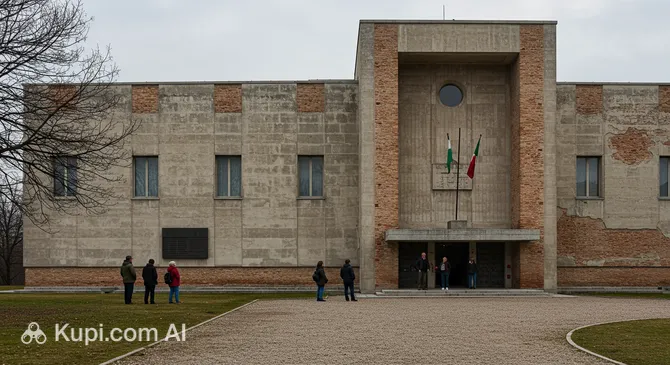
Risiera di San Sabba National Monument and Museum. Illustration.
Source: Kupi.com AI

Traveler photos:

During World War II, Risiera di San Sabba was transformed by the Nazis into a concentration camp, becoming the only such institution on Italian territory equipped with a crematorium. This place witnessed unspeakable suffering and became a symbol of cruelty, serving as a reminder of dark chapters in European history.

In 1965, recognizing its historical importance, Risiera di San Sabba was declared an Italian National Monument. Later, in 1975, the complex was reconstructed based on a project by architect Romano Boico to serve as a reminder for future generations. Today, it is an active museum and memorial complex dedicated to the memory of the victims of Nazism. A visit to Risiera di San Sabba offers an opportunity to better understand the tragic events of the past and honor those who suffered.

Contacts

To obtain current information regarding the operation of the Risiera di San Sabba National Monument and Museum, including visiting hours and potential schedule changes, it is recommended to contact the museum administration directly or visit the official website.

Below are the contact details:

How to contactContact
AddressVia Giovanni Palatucci, 5, 34148 Trieste TS, Italy
Phone number+39 040 826202
Websitewww.risierasansabba.it

What to Do

The Risiera di San Sabba National Monument and Museum in Trieste, Italy, is an important site of memory, offering visitors a deep dive into tragic pages of European history. Visiting this complex allows one not only to learn about the past but also to honor those who suffered. The main purpose of a visit here is to reflect on historical events through preserved evidence and exhibitions.

The central element of the complex is the multimedia museum, which opened in 2016. Here, guests can view an extensive collection of artifacts. The exhibition includes historical photographs, authentic documents, drawings, and blueprints. Personal items donated to the museum by former deportees, as well as video materials that help to better understand the context of the events, are of particular value.

In addition to the museum, the national monument itself includes various zones available for viewing, each carrying its own piece of history. This is a space for reflection and remembrance. Every year on January 27th, memorial events are held at Risiera di San Sabba to mark International Holocaust Remembrance Day, emphasizing the importance of this site as a center for preserving historical memory for all visitors.

Getting There

The Risiera di San Sabba National Monument and Museum is located in the city of Trieste, situated in northeastern Italy. Trieste is a major transportation hub, so reaching the city itself is quite simple, and from there, you can easily get to the museum.

The most convenient way to reach the Risiera di San Sabba National Monument and Museum from the center of Trieste is by using city public transport. The city has a well-developed bus network, and you can find a route that takes you close to the destination. Check the current route numbers and schedules on local information resources or at tourist centers.

Alternatively, you can always use a taxi. A taxi ride from central Trieste to the museum will be quick and comfortable, though more expensive compared to public transport. The museum is located at: Via Giovanni Palatucci 5, 34148 Trieste. This address will help a taxi driver or your navigation system find the destination easily.

Nearest city: Trieste

History & Facts

In September 1943, during the Nazi occupation, the purpose of the building, which previously served as a rice husking factory, changed dramatically. The former rice mill was converted into a concentration camp. Initially, it functioned as a prisoner-of-war camp known as Stalag 339.

Subsequently, the functions of Risiera di San Sabba expanded, and the camp took on an even more sinister role. It served as a transit point for sorting and further deporting prisoners, primarily to Germany and Poland. Additionally, the camp grounds were used as a warehouse for looted property. Risiera di San Sabba became a site of detention, torture, and systematic execution of hostages, partisans, political prisoners, and Jewish people. Throughout the war years, approximately 25,000 people passed through this camp.

According to available data, between 3,000 and 5,000 prisoners were tortured and killed within the walls of Risiera di San Sabba. This camp is notorious as the only Nazi camp on the territory of Italy equipped with a crematorium. The crematorium ovens were put into operation in 1944 and continued to function until the end of World War II. The camp operated until April 29, 1945. The management of this site of death was carried out by SS structures, and its commandants included Josef Oberhauser, Christian Wirth, and Dietrich Allers.

Time Needed

When planning a visit to the Risiera di San Sabba National Monument and Museum in Trieste, it is worth allocating approximately 1.5-2.5 hours for the tour. This time is usually sufficient to explore the main exhibition, feel the atmosphere of the site, and pay tribute to the victims.

Risiera di San Sabba is a place with a profound and tragic history—a former rice factory converted into a concentration camp during World War II. Today, it is a memorial complex and museum. The time needed for a visit can vary depending on your interest in the exhibition details and the time you wish to spend reflecting on what you've seen. The exhibits and information panels tell the stories of the events that took place here and the fates of the people connected to this site.

If you plan to carefully study all the materials, read testimonials, and immerse yourself in the historical context, you might need a bit more time, up to 3 hours. For a general overview and visiting the main memorial areas, an hour and a half will suffice. In any case, this site requires a thoughtful and respectful approach, so there is no need to rush.

Working Hours

Exact opening hours for the Risiera di San Sabba National Monument and Museum may vary depending on the season and day of the week. To get the most up-to-date information on visiting times, it is recommended to check the museum's official website or confirm details at tourist information centers in Trieste. Typically, such memorial complexes are open to visitors year-round, except for certain public holidays.

Often, visiting museums and monuments, especially those as significant as Risiera di San Sabba, may require advance ticket booking, particularly during the peak tourist season. Checking this information in advance will help you plan your visit and avoid potential inconveniences. Check if there is an option to purchase tickets online or if a booking for a specific time slot is necessary.

9:00 – 19:00

Nearby

A visit to such a significant site as the Risiera di San Sabba National Monument and Museum often becomes the central event of a trip. However, to immerse yourself more deeply in the atmosphere of Trieste and gain a fuller understanding of its multifaceted nature, it is worth paying attention to the surrounding attractions as well.

Exploring the vicinity will not only broaden your horizons but also allow you to form a more complete picture of the life and history of this corner of Italy. Often, it is in these "neighboring" spots that unexpected discoveries and vivid impressions are hidden, complementing the main program of your journey.

NameDistance
Civic Museum of Natural History of Trieste2.3 km
Muggia Castle2.5 km
Muggia2.7 km
Rustiko3 km
San Giusto Castle3.2 km
Giant's Stairway3.3 km
Roman Theatre of Trieste3.4 km

Have you reached the end of the page?

So the route has been studied inside and out